In a lengthy Atlantic essay, Hillary Clinton argues the MAGA movement has reframed cruelty as a moral virtue and warns this trend is enabling a strain of Christian nationalism. She cites the killing of Alex Pretti and recent federal deployments to Minnesota and Maine as examples of an enforcement strategy that spreads fear rather than pursues justice. Clinton defends empathy as strength, contrasts current rhetoric with past Republican appeals to compassion, and urges Americans to resist cruelty while recognizing shared humanity.
Hillary Clinton Warns MAGA Is Waging a 'War on Empathy': "Savagery Is a Feature, Not a Bug"

Hillary Clinton accused the MAGA movement of elevating cruelty into a moral principle in a wide-ranging essay for The Atlantic, arguing that a belief that "compassion is weak and cruelty is strong" has hardened into what she calls an "article of MAGA faith." In roughly 6,000 words, she warns this posture fuels a growing strain of Christian nationalism and corrodes civic norms.
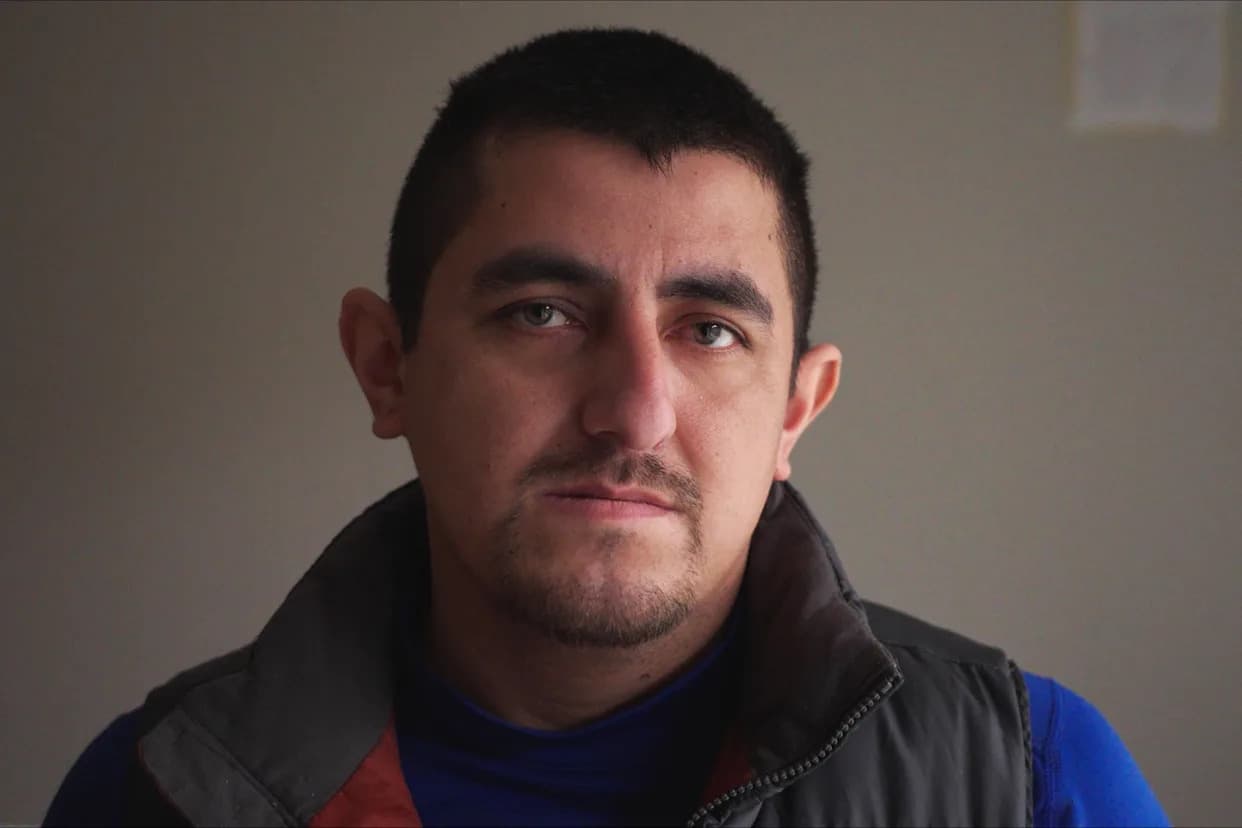
Clinton opened the piece by recounting her reaction to video footage showing the killing of Alex Pretti in Minneapolis, invoking the parable of the Good Samaritan to underscore the human cost of indifference. "Jesus tells us to love our neighbors as ourselves and help those in need," she writes. "Not in Donald Trump’s America."
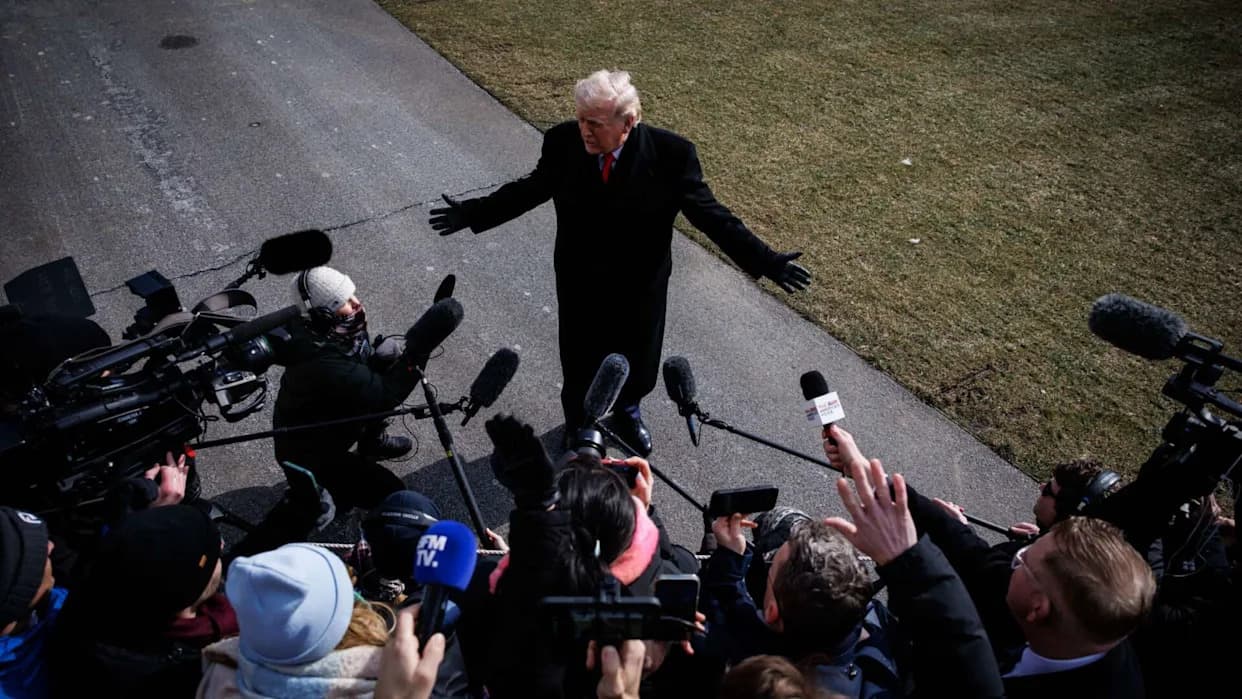
She framed recent federal deployments to Minnesota and Maine as a turning point. Rather than aiming for public safety or justice, Clinton argues, federal enforcement under the Trump administration increasingly seeks to spread fear: "Trump and his allies believe that the more inhumane the treatment, the more likely it is to spread fear. That’s the goal of surging heavily armed federal forces into blue states — street theater of the most dangerous kind."
"The savagery is a feature, not a bug," she adds, applying the phrase broadly to the movement she identifies with MAGA.
Moving beyond individual incidents, Clinton contends that the glorification of cruelty and the rejection of compassion resonate especially with a network of hard-right Christian influencers. She cites the spread of terms like "toxic empathy" by some podcasters and preachers as evidence of an intellectual trend that frames empathy as weakness.
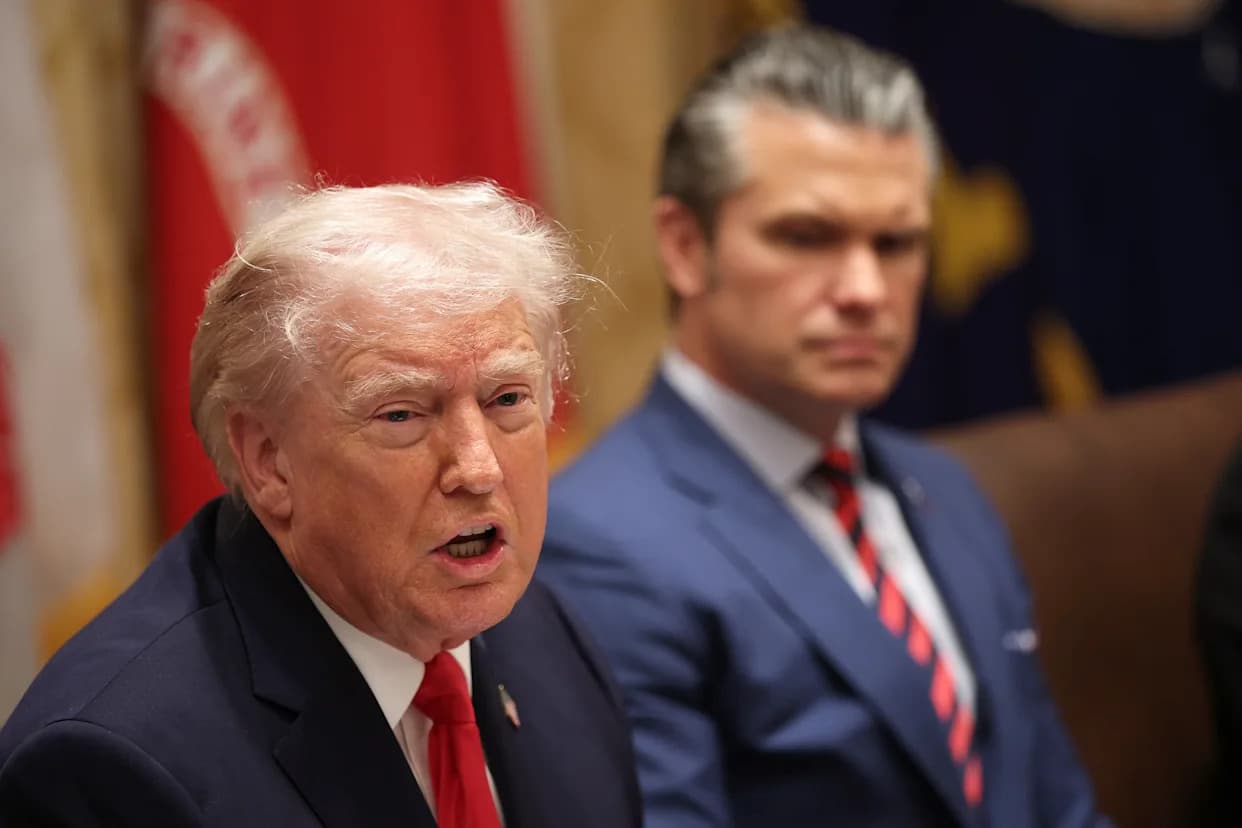
Clinton also criticizes President Trump’s personal conduct and policy approach, arguing that his "personal immorality and his administration’s cruelty" marginalize mainstream religious leaders and create opportunities for an "extreme vision of Christian nationalism that seeks to replace democracy with theocracy." She points to the influence of such ideas among elected officials and names Douglas Wilson, the church leader connected to Defense Secretary Pete Hegseth, as an example of that reach.
While sharply critical of Trump, Clinton contrasts his style with earlier Republican appeals to compassion — citing former President George W. Bush’s "compassionate conservatism" even where she disagreed with policy. She defends empathy as a moral and civic strength, arguing it "does not overwhelm our critical thinking" but instead clarifies moral complexity.
Clinton also revisits her own past rhetoric, including her 2016 description of some Trump supporters as "a basket of deplorables." She stands by that condemnation of bigotry while urging that recognizing the humanity of opponents and resisting tyranny are not mutually exclusive. She closes the essay with a plea for renewed moral courage: "To be strong, we need more empathy, not less."
Context: The piece, published in The Atlantic, was republished on Mediaite and has become a focal point in debates over federal law enforcement tactics, political rhetoric, and the role of religious influence in contemporary American politics.
Help us improve.