Summary: Alex Pretti and Renee Good were shot and killed during separate federal operations in Minneapolis. The article argues the Trump administration and allied voices quickly portrayed the victims as dangerous, shaping public perception before investigations concluded. It questions DHS/ICE's stated focus on "the worst of the worst," notes data and reporting that many detainees had low-level or no convictions, and highlights the human cost and chaotic effects of the raids.
The Politics Of Blame: Why Trump And MAGA Quickly Fault Minneapolis Shooting Victims
The real reason Trump and MAGA are so quick to blame Minneapolis shooting victims
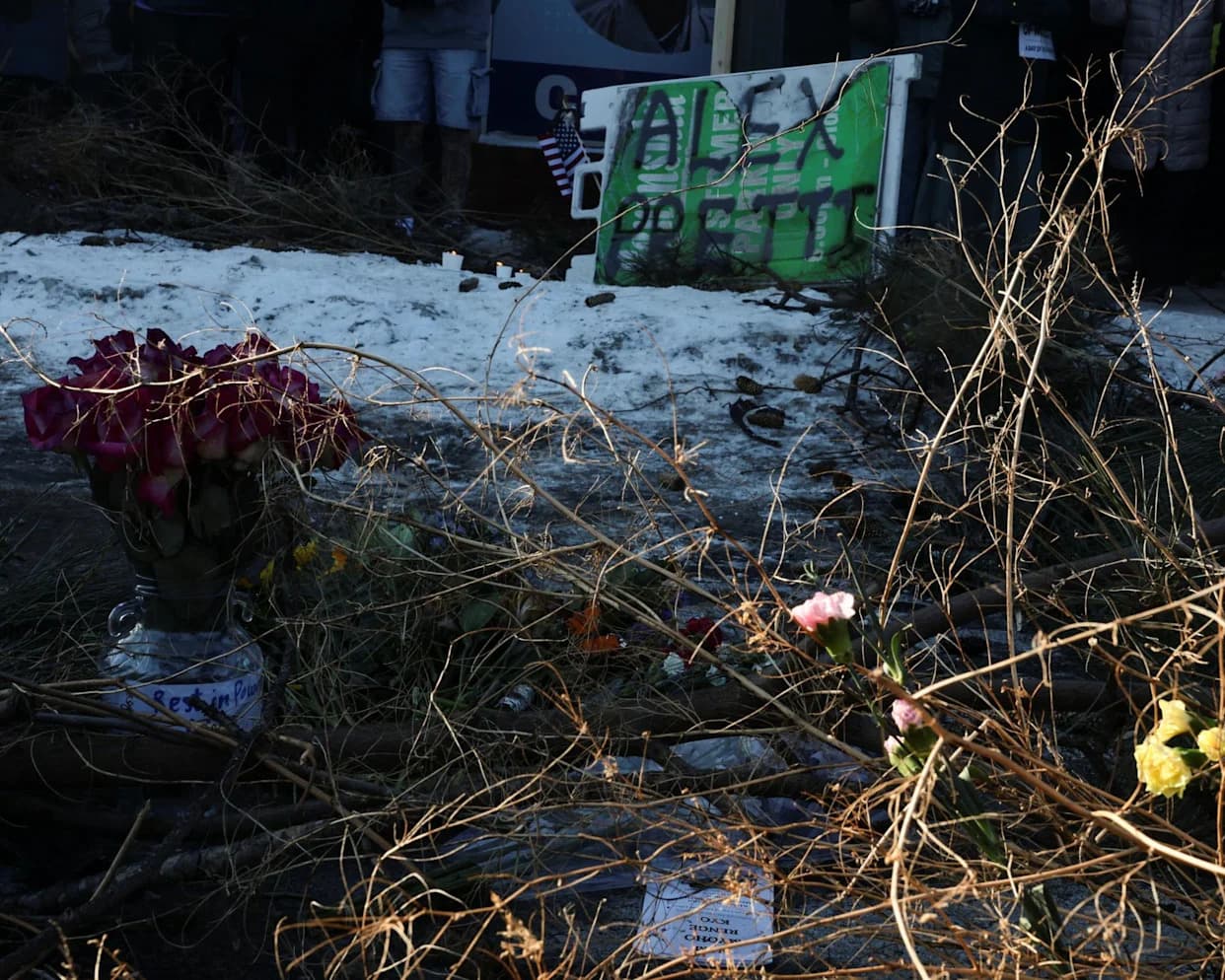
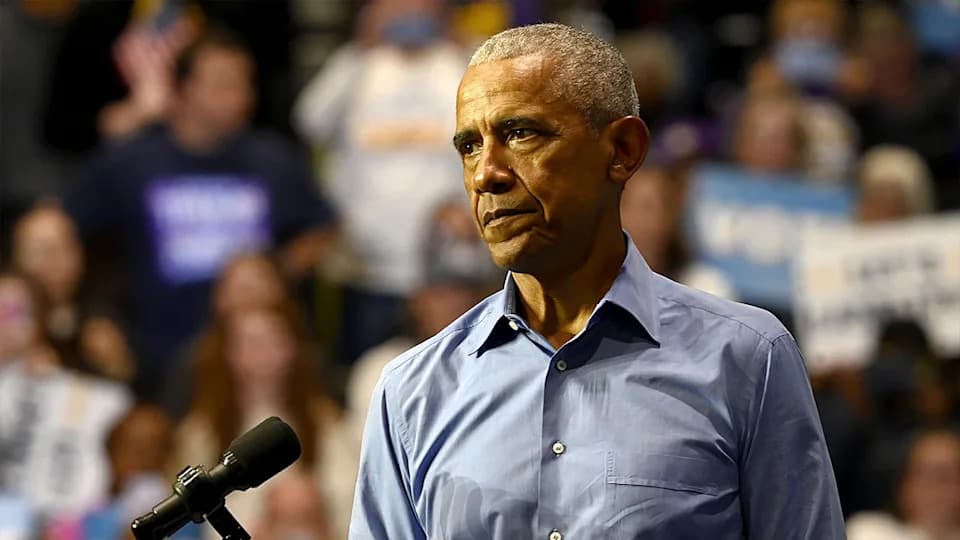
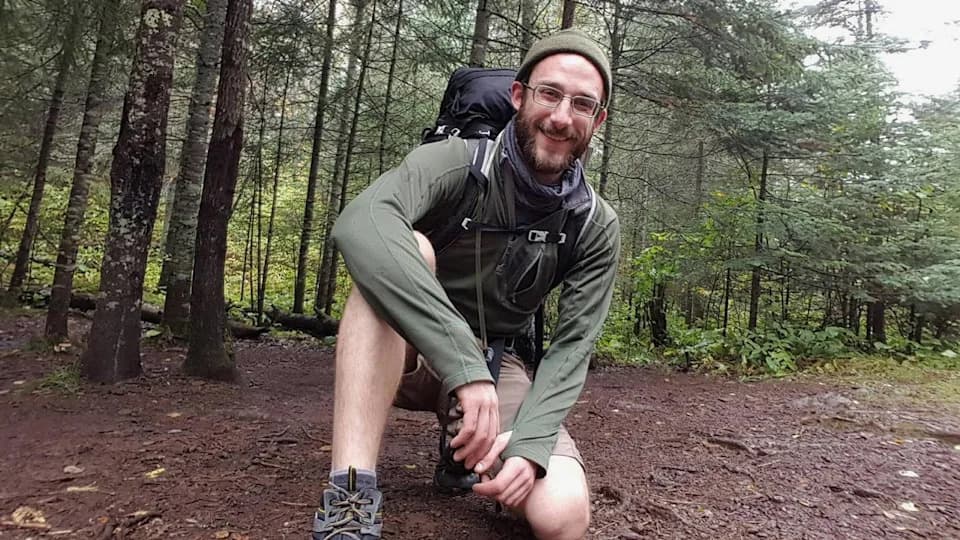
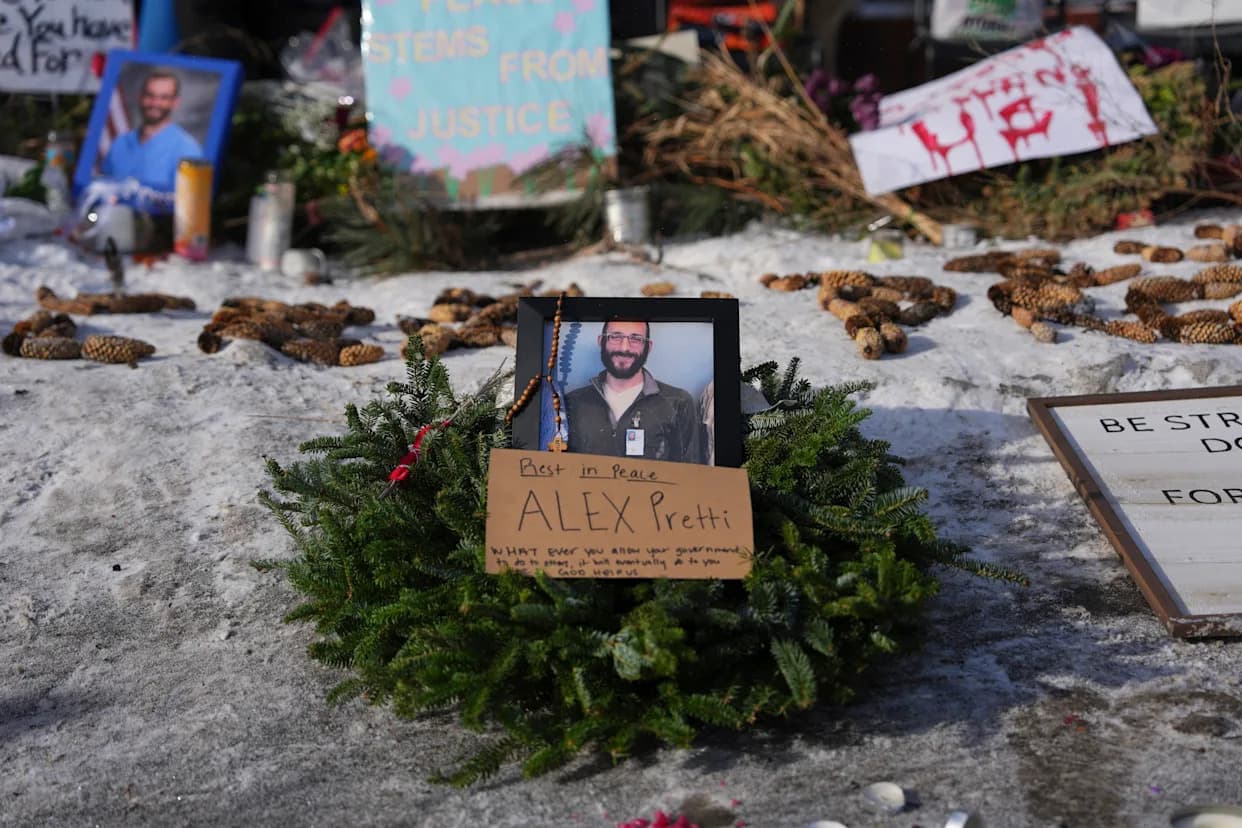
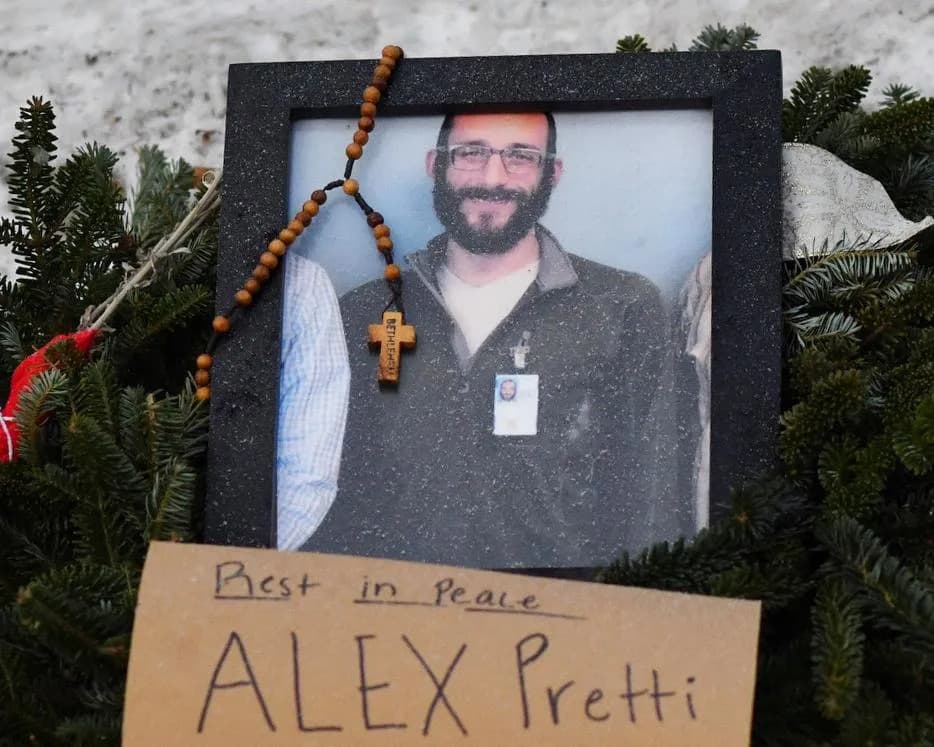
Two Minneapolis residents — Alex Pretti and Renee Good — were shot and killed during separate encounters with federal agents in the city. Within hours, senior administration officials and allies in the broader MAGA movement had framed both victims as dangerous actors, a response that critics say shifts scrutiny away from the agents involved and toward the people who died.
What Happened
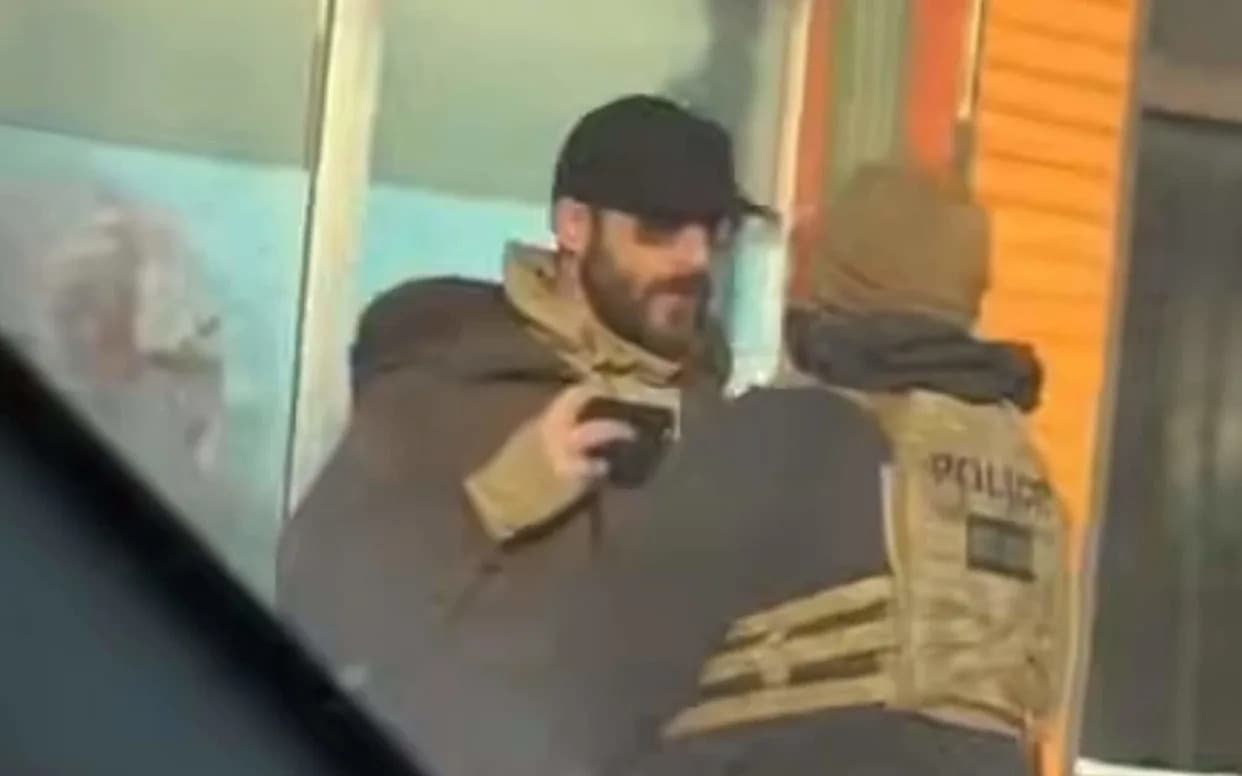
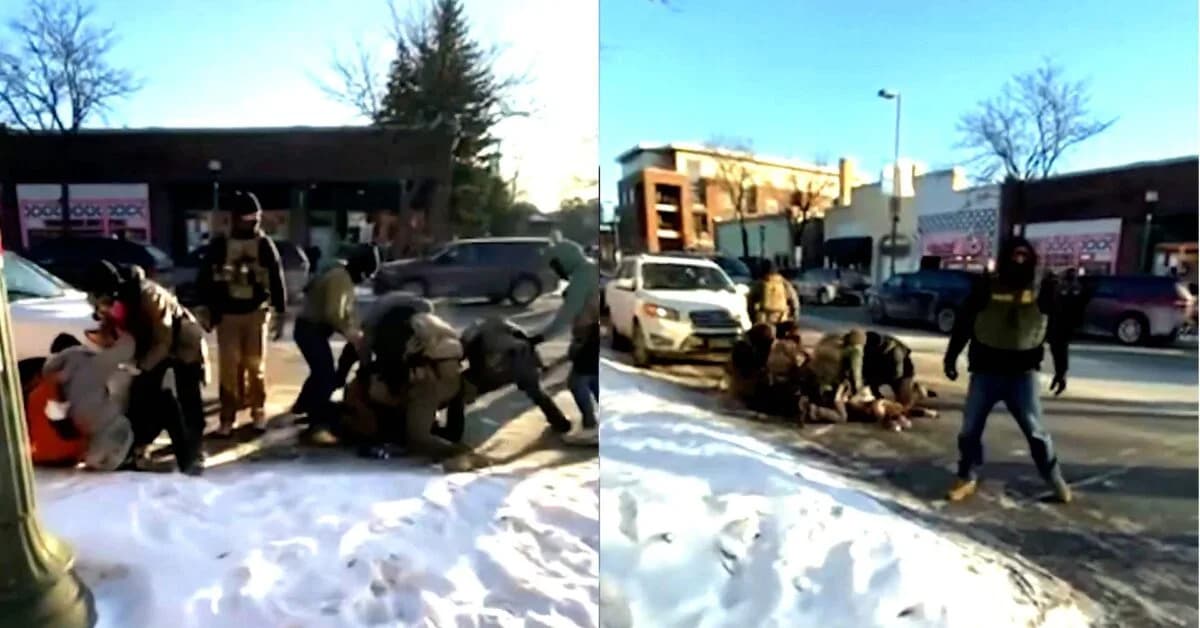
Reportedly, Alex Pretti was shot on a Minneapolis sidewalk after federal agents ordered him to leave the area; witnesses and reporting indicate he was not seen drawing a weapon. Renee Good was shot while in her car after agents allegedly instructed her not to drive away. Early public statements from administration figures emphasized alleged threats posed by the victims — claims that remain contested and, in some respects, unsupported by available evidence.
Rapid Victim-Blaming—and Why It Matters
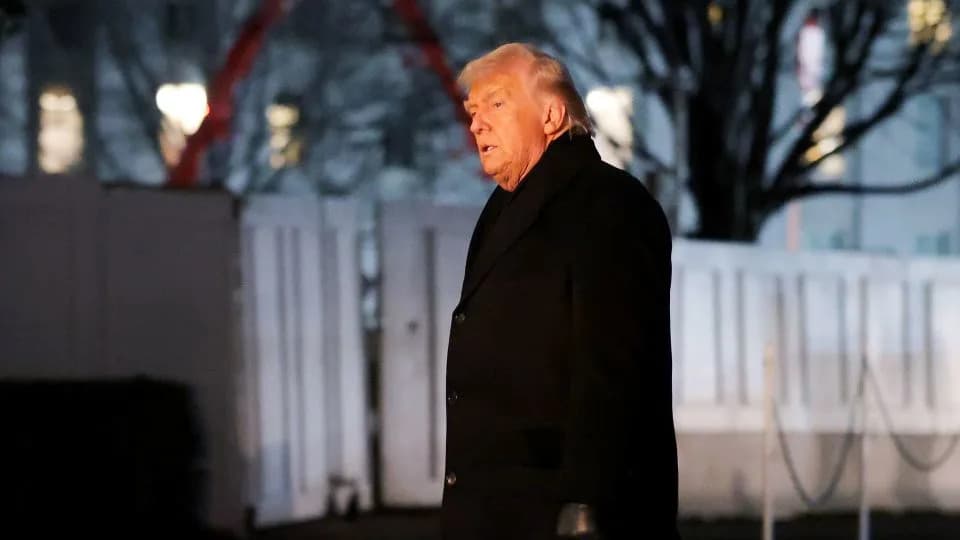
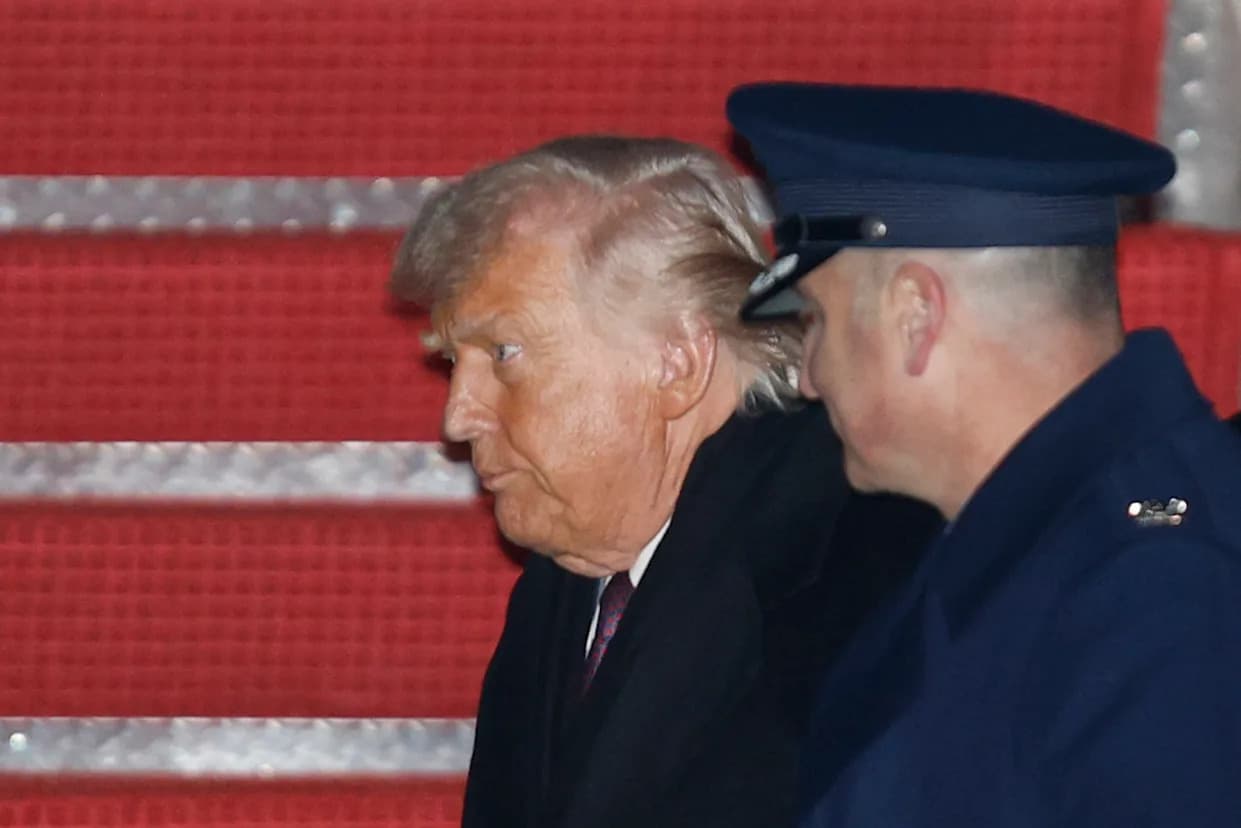
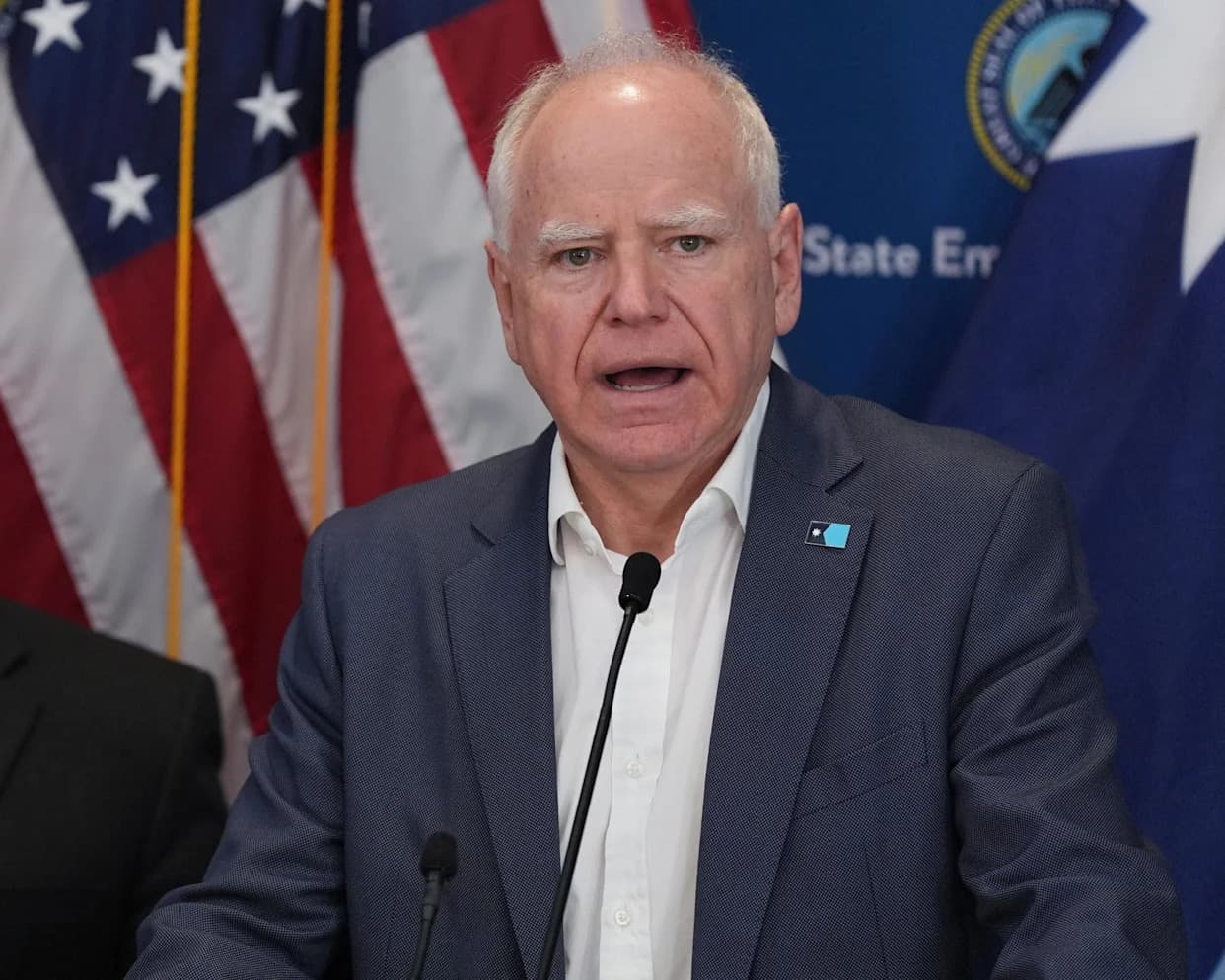
The speed and tone of the response from the White House and allied figures matters for several reasons. First, it can shape public perception before investigative facts are available. Second, it signals how political loyalty and narrative control can take precedence over restraint and due process. Critics argue this pattern makes dissenters and those who fail to demonstrate political fealty easier targets for vilification.
The Federal Campaign In Minnesota
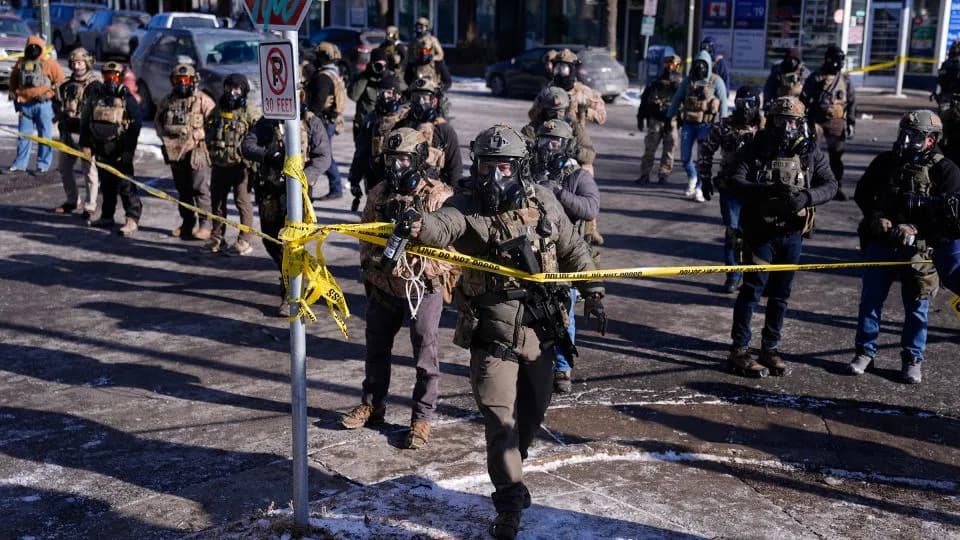
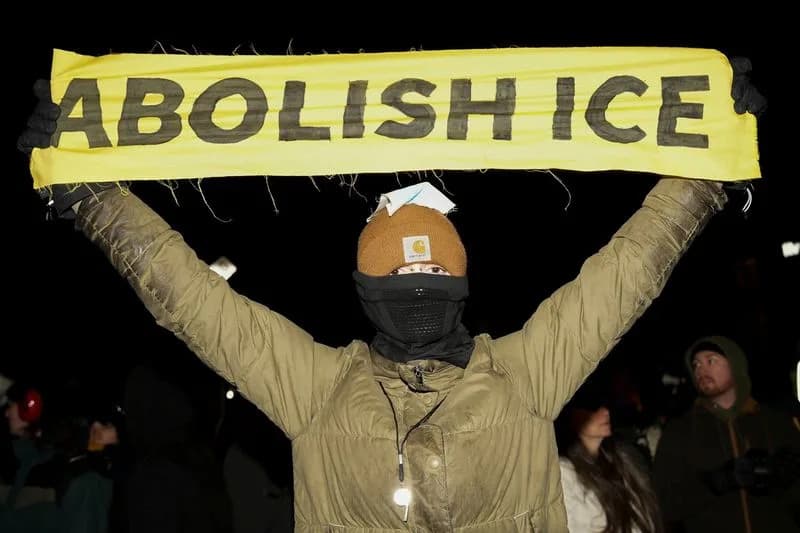
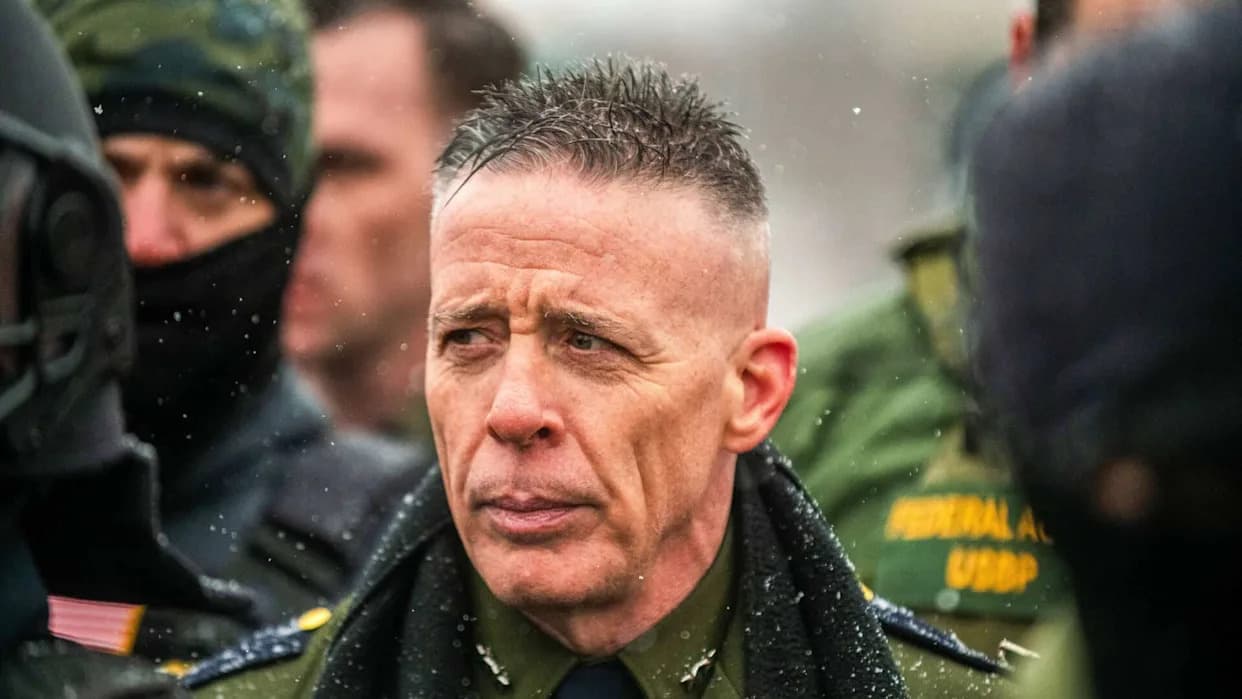
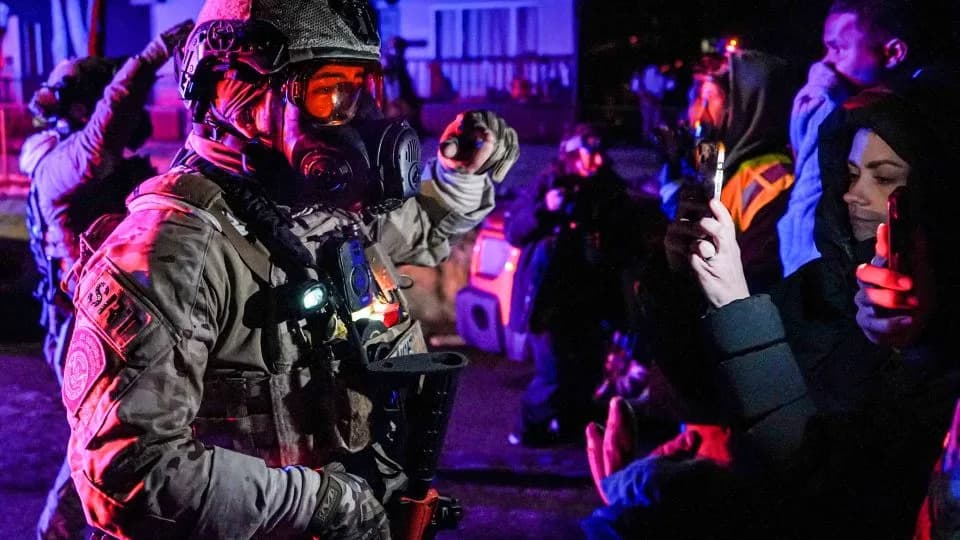
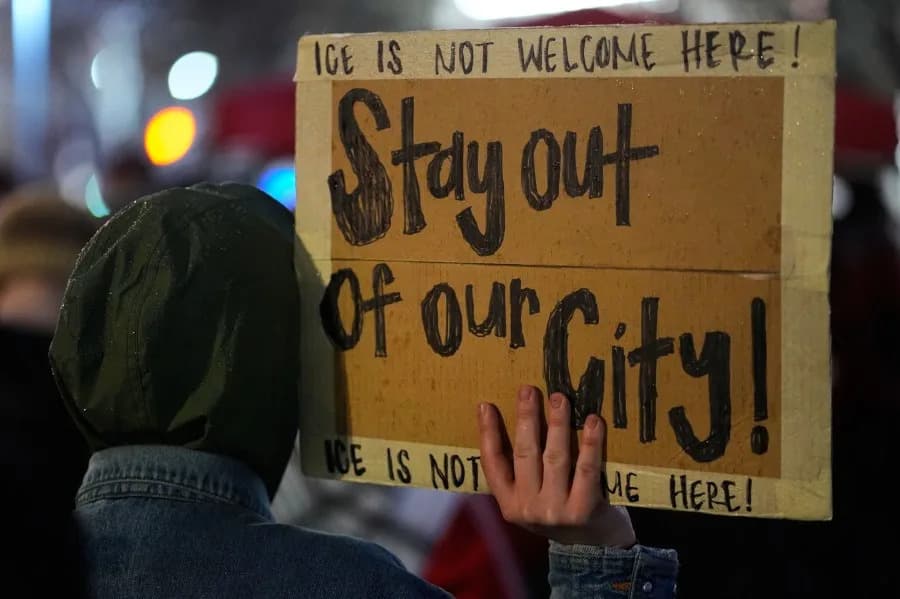
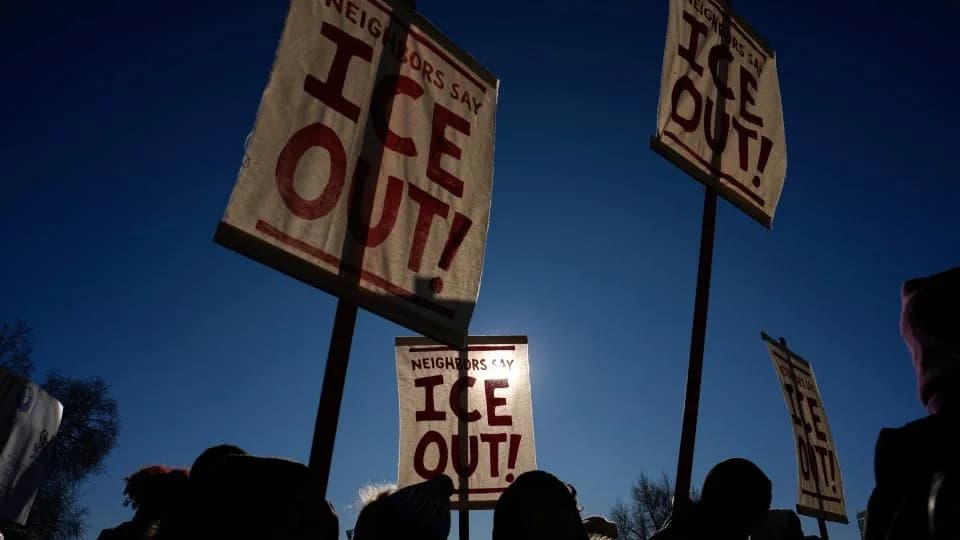
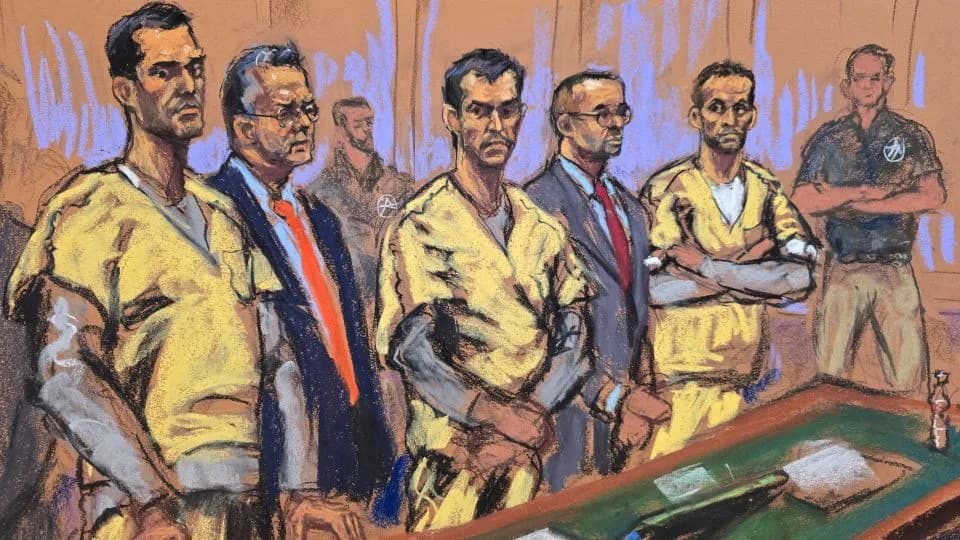
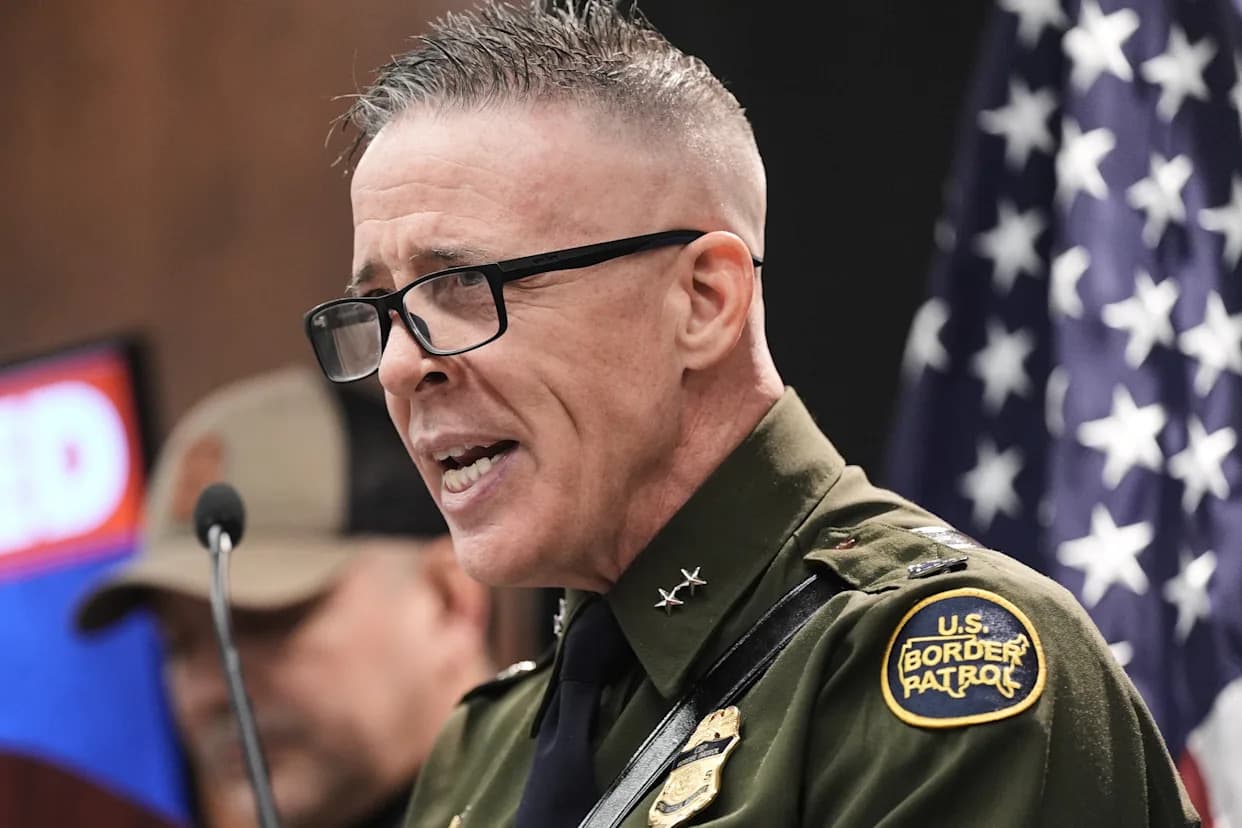
The Department of Homeland Security (DHS) and Immigration and Customs Enforcement (ICE) have conducted mobile, high-profile operations in Minnesota, framed publicly as targeting the "worst of the worst" criminal immigrants. Officials point to arrests and visual displays of detained individuals to justify the raids. Meanwhile, Minnesota state authorities and independent observers dispute that the operations are narrowly focused on violent offenders.
Numbers, Definitions And Context
DHS has published a listing titled "ARRESTED: WORST OF THE WORST" that includes just under 500 people in Minnesota, and the administration displayed images of 40 detainees at a White House briefing. A separate DHS statement said roughly 2,500 people have been arrested under similar operations — a figure that appears to operate at a national scale. Independent analyses cited in reporting indicate that many people added to ICE detention recently had no prior convictions; one analysis estimated that a large share of recent detainees were not charged with violent crimes. At the same time, violent crime in Minnesota had been declining on recent trends before these federal actions intensified.
Human Cost
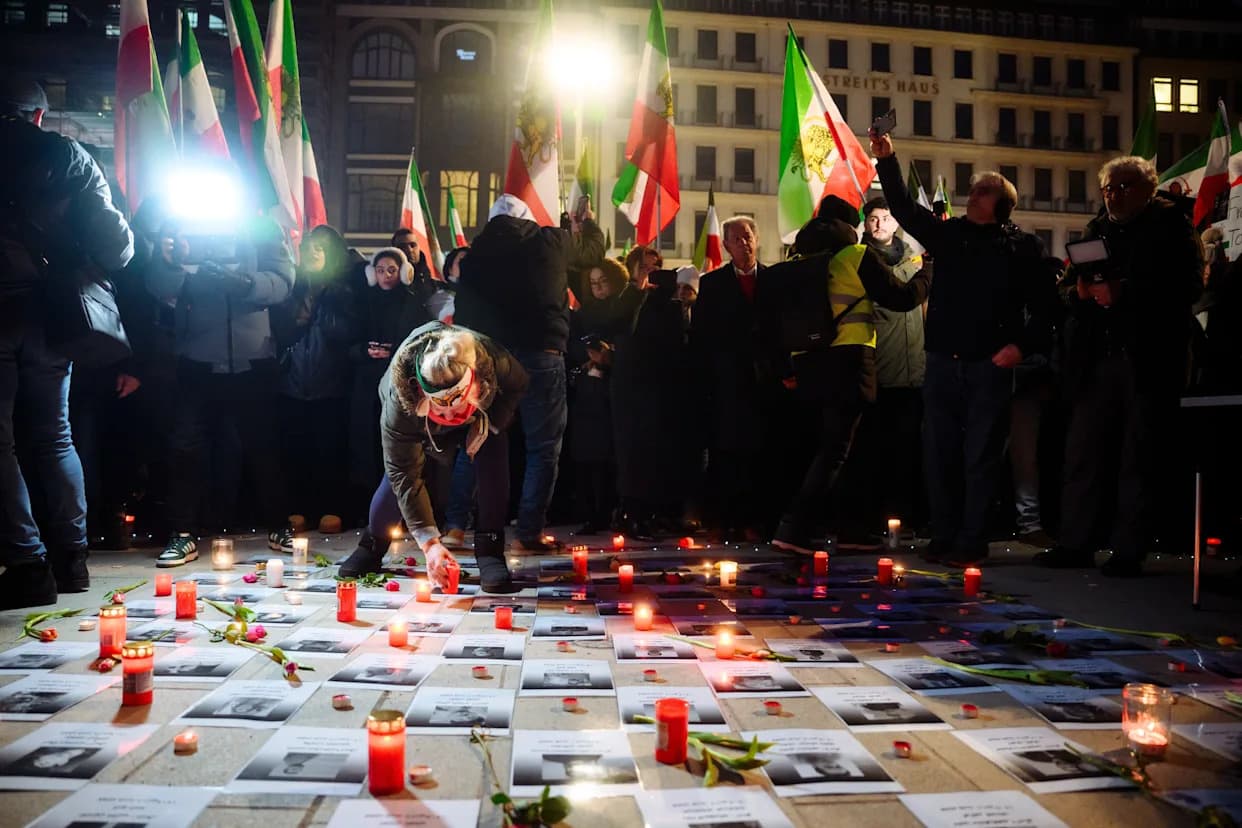
Beyond the two fatal shootings, reports say the operations created chaos for some Minneapolis households: families were separated or displaced, and officials moved children in at least one high-profile case. There are also reports of medical emergencies during raids. These outcomes raise hard questions about proportionality and the public-safety trade-offs of aggressive enforcement tactics.
Where This Leaves Us
The incidents in Minneapolis highlight the risks when political narratives outpace facts: victim-blaming can become a tool to justify force, while legitimate questions about accountability and the appropriate use of federal power remain unresolved. Whatever the final findings of investigations, the broader debate will hinge on whether public safety goals justify the tactics used and whether political loyalty should influence how the federal government frames deadly encounters with civilians.
Reporting Note: This piece summarizes reporting and public statements about these incidents. Investigations are ongoing, and some facts remain contested or under review.
Help us improve.