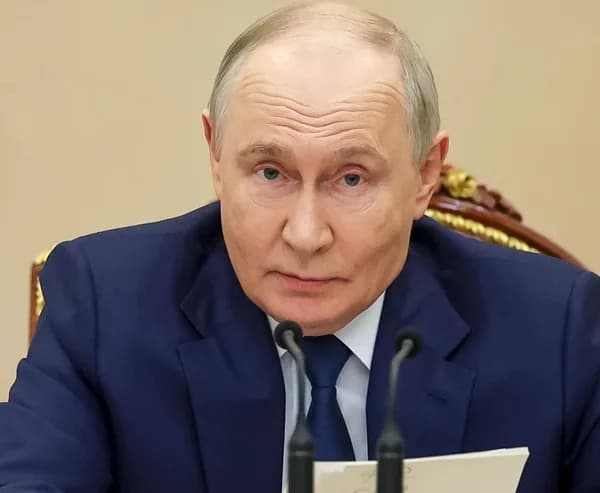
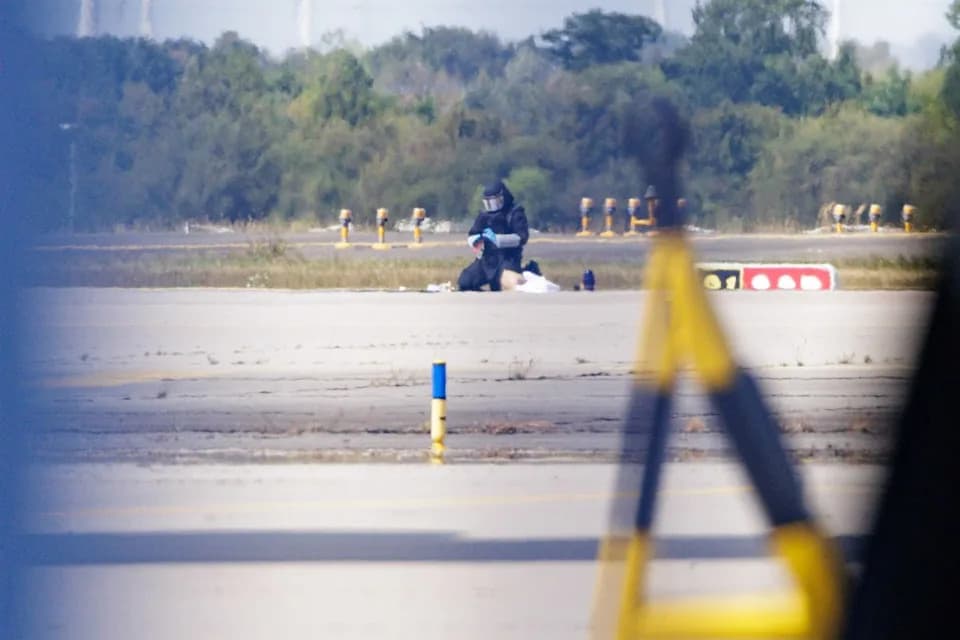
Estonia's foreign minister has warned that Vladimir Putin could dispatch former fighters and criminal recruits into Europe following any ceasefire in Ukraine, and has proposed an EU-wide ban on ex-combatants entering the Schengen area. Margus Tsahkna cited estimates that 1.5 million Russians have fought in Ukraine, with about 640,000 still serving, and warned that some returnees could be 'weaponised' for hybrid attacks. Tallinn has already banned 261 suspected ex-combatants, shared lists with partners, and urged closer cooperation with non-Schengen states including the UK.
Estonia Urges EU To Ban Ex-Combatants From Schengen, Warns Putin Could Send Criminals After Ceasefire
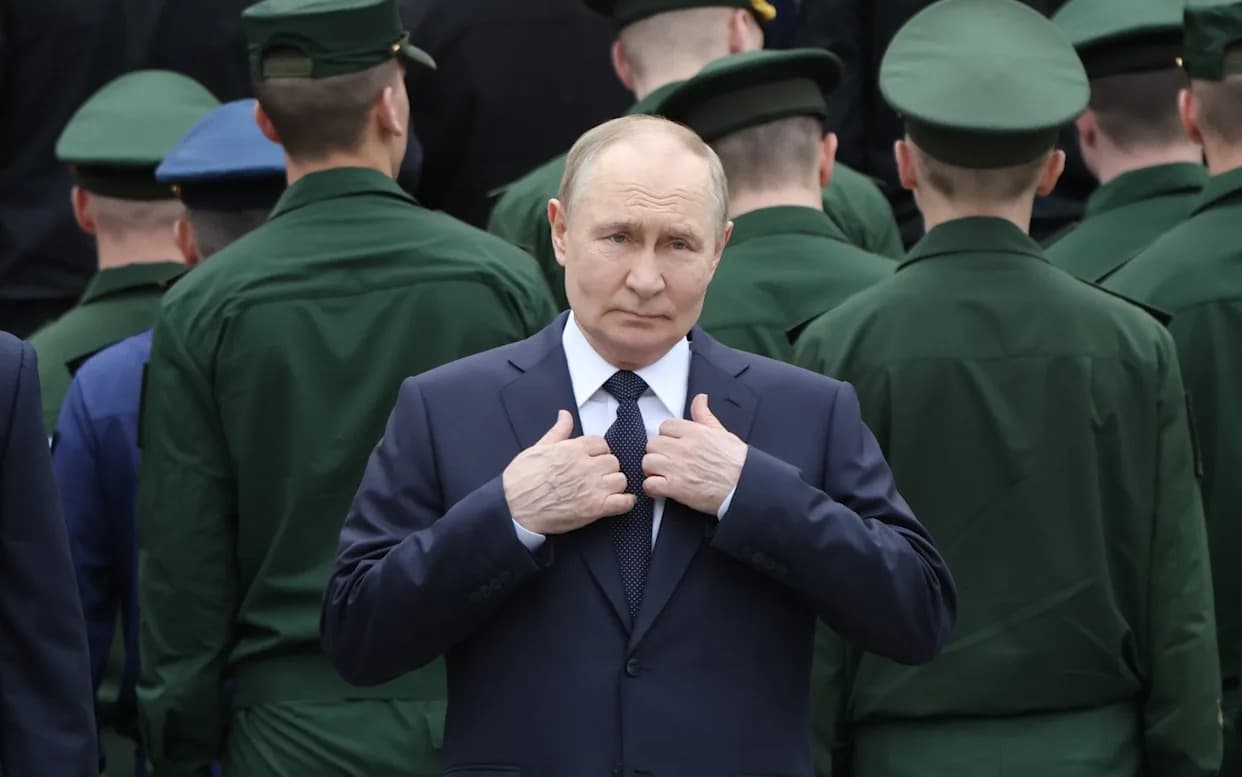
Vladimir Putin could send Russian soldiers to Europe to wreak havoc, according to the Estonian foreign minister
Estonia's foreign minister has warned that Vladimir Putin could seek to redeploy hundreds of thousands of former fighters and criminal elements into Europe if fighting in Ukraine paused, and he has urged the European Union and partners to prepare now.
Margus Tsahkna, speaking to The Telegraph on the sidelines of an EU meeting in Brussels, proposed an EU-wide ban preventing Russian soldiers who fought in Ukraine from entering the Schengen free-travel zone. He said the Kremlin could attempt to 'weaponise' returnees by dispatching ex-prisoners and violent offenders to carry out hybrid attacks across the continent.
Why Estonia Is Warning Europe
Tsahkna told reporters that roughly 1.5 million Russian citizens have taken part in the war in Ukraine, with around 640,000 still in active service. He warned that should hostilities pause, many who are now tied up on the front lines could travel west and that some returnees may present a security risk.
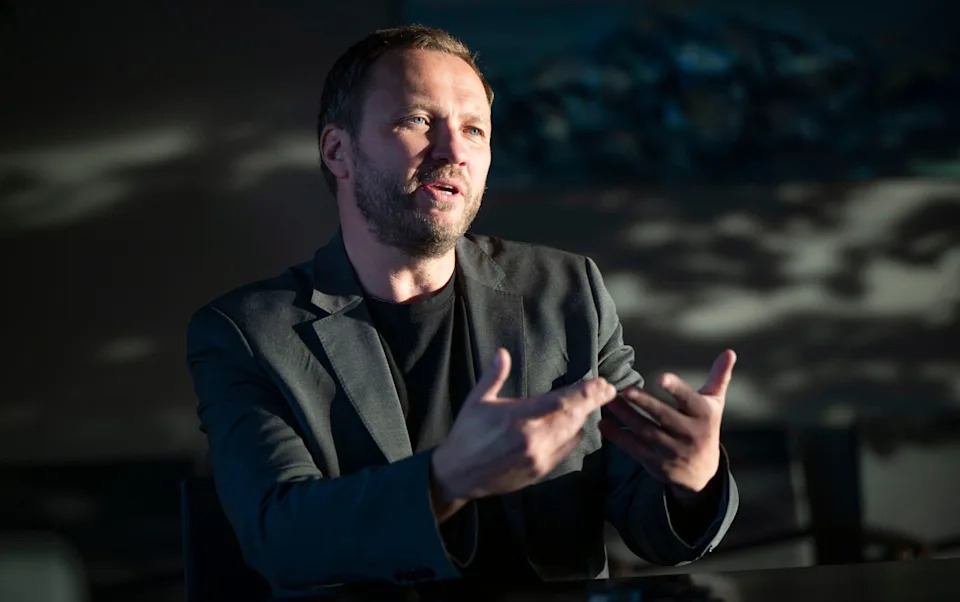
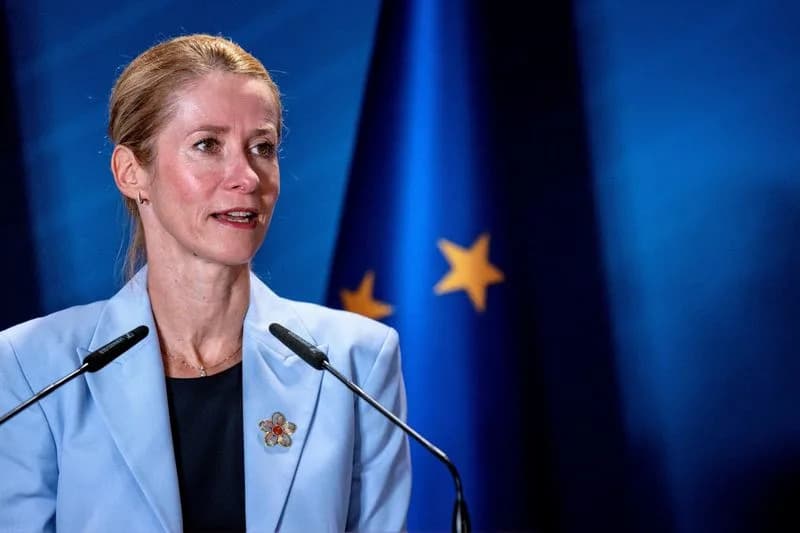
Margus Tsahkna wants a blanket ban on Russian soldiers who fought in Ukraine - David Rose for The Telegraph
'We already see the special agencies of Russia organising different attacks in Europe,' Tsahkna said. 'They come with real bad plans. They will be weaponised. They will be sent to Europe.'
Estonian officials point to a rise in Russian-linked sabotage and covert operations since 2022. In 2024, investigators linked Kremlin proxies to an arson attack on an east London warehouse storing satellite communications equipment for Ukraine, and UK counter-terror police examined possible Russian involvement in an alleged arson at a property owned by Sir Keir Starmer.
Proposed Measures
To counter the perceived threat, Tsahkna has urged EU colleagues to consider a blanket ban on entry for former Russian combatants across the Schengen area, together with restrictions on work visas and residence permits for that group. The Schengen zone comprises 29 countries, stretching from the Balearic Islands to the Baltics.
Estonia has already taken unilateral steps: Tallinn imposed a ban on 261 suspected ex-combatants earlier this month and is sharing lists of suspected returnees with partner states.
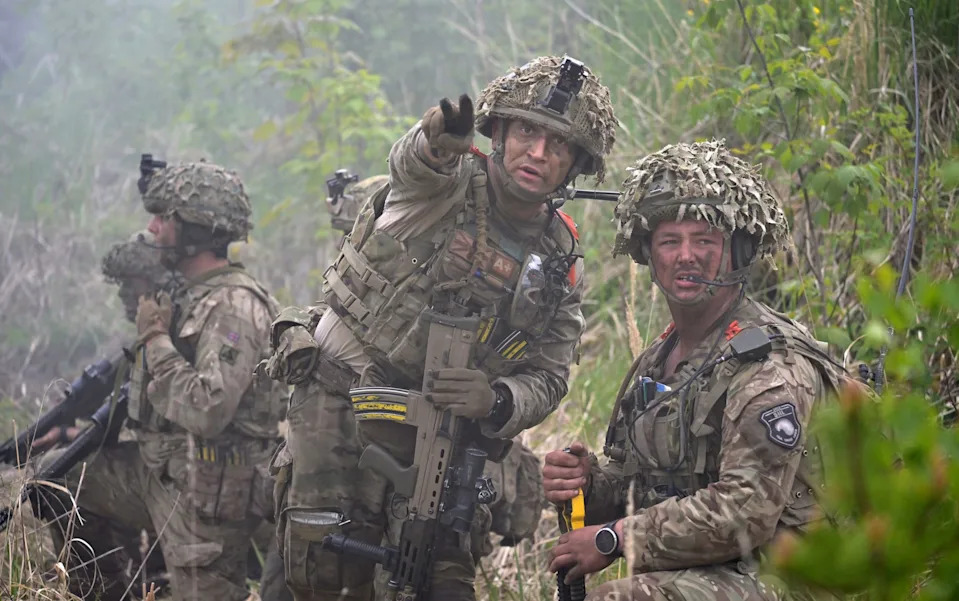
The warning from Estonia is the latest from a Nato country arguing that Europe needs to be more vigilant against the Russian threat - Jeff J Mitchell/Getty
Estonian intelligence also reported that up to 180,000 convicted prisoners were recruited from Russian penal colonies into special military units. Officials say a spike in serious crimes in early 2025 may be linked to the mass return of ex-combatants, though investigators continue to examine causation and evidence.
International Cooperation And Next Steps
Tsahkna invited the UK to participate in coordinated efforts despite Britain not being part of Schengen. He said closer information-sharing and co-ordination with non-Schengen partners would strengthen border and migration controls should political leaders decide on a collective approach.
A UK government spokesman said: 'Border security is national security, and we have strict measures at our disposal to protect our country against the threat from Russia. We will continue working in partnership with our allies.'
The proposed EU debate is likely to continue at upcoming summits, where leaders may offer political guidance on whether to pursue an EU-wide restriction and how to implement targeted screening at external borders while respecting legal and human-rights obligations.
Note: Many of the figures and warnings above represent assessments and proposals from Estonian officials and intelligence; some claims remain subject to further verification and international discussion.
Help us improve.