Florida’s Republican congressional delegation is raising sharp doubts about the Trump administration’s plan to sell up to 50 million barrels of Venezuelan oil while Delcy Rodríguez remains in power. Lawmakers warn proceeds from the first $500 million sale — of which about $300 million was returned to Venezuela — could be diverted by Rodríguez’s allies. The White House points to oversight measures, sanctions relief and a Qatari bank account holding proceeds, but legal experts compare the risks to the flawed Iraq Oil‑for‑Food program. The dispute increases pressure on the administration to provide transparent, enforceable safeguards and to pursue reforms that would reassure lawmakers and investors.
Florida Republicans Raise Alarms Over Trump Plan To Sell Venezuelan Oil While Delcy Rodríguez Holds Power
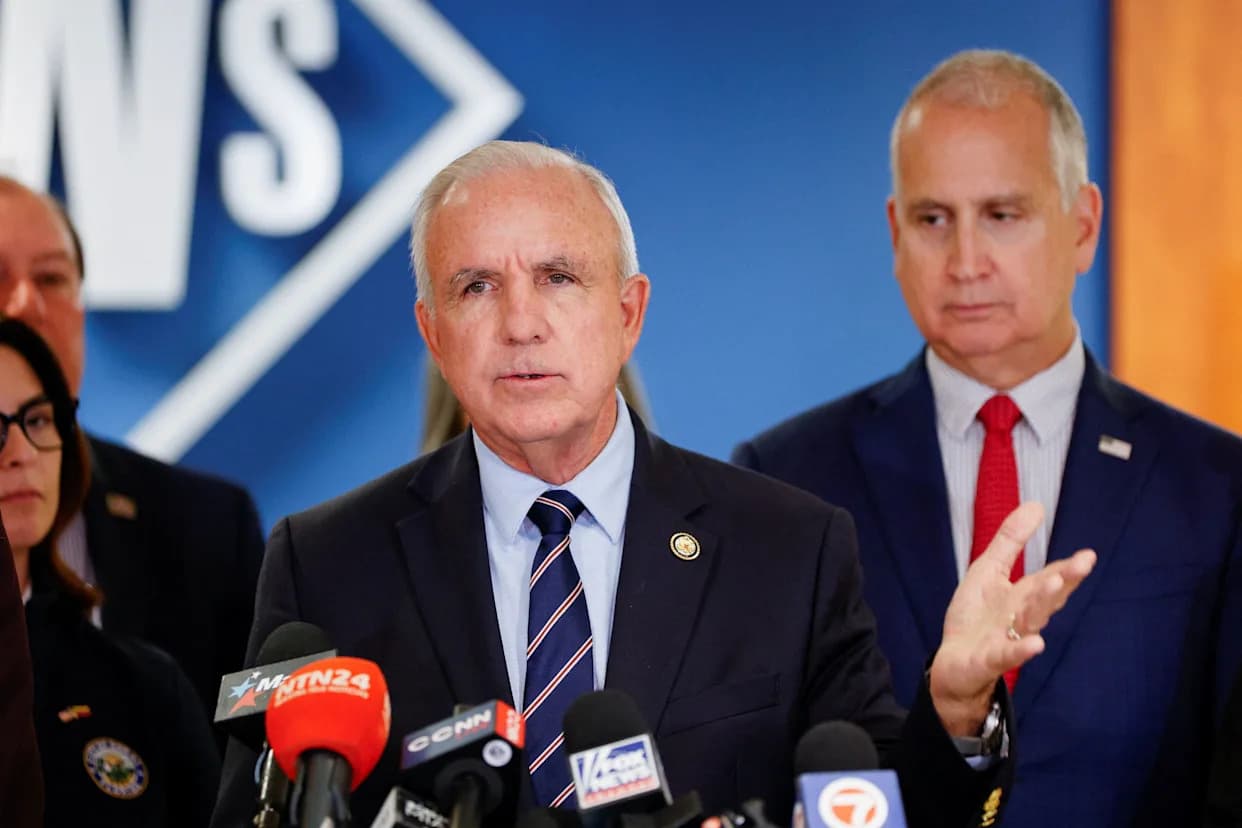
Republican members of Congress from Florida are voicing sharp skepticism about the Trump administration’s plan to sell Venezuelan crude while Delcy Rodríguez remains in control of Caracas. Lawmakers warn that oil-sale proceeds could be diverted or misused despite Washington’s assurances of oversight.
What the Administration Has Done
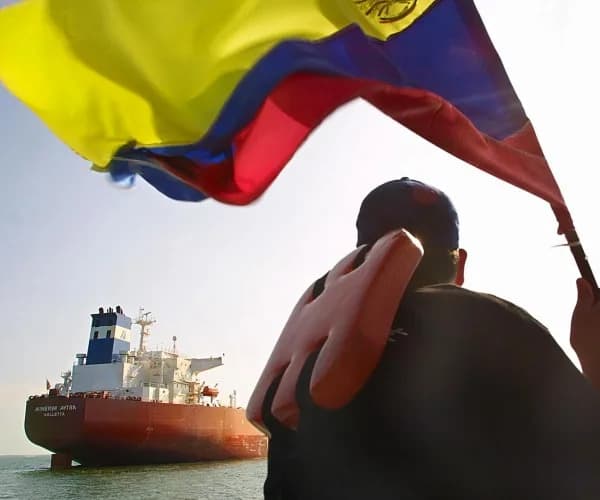
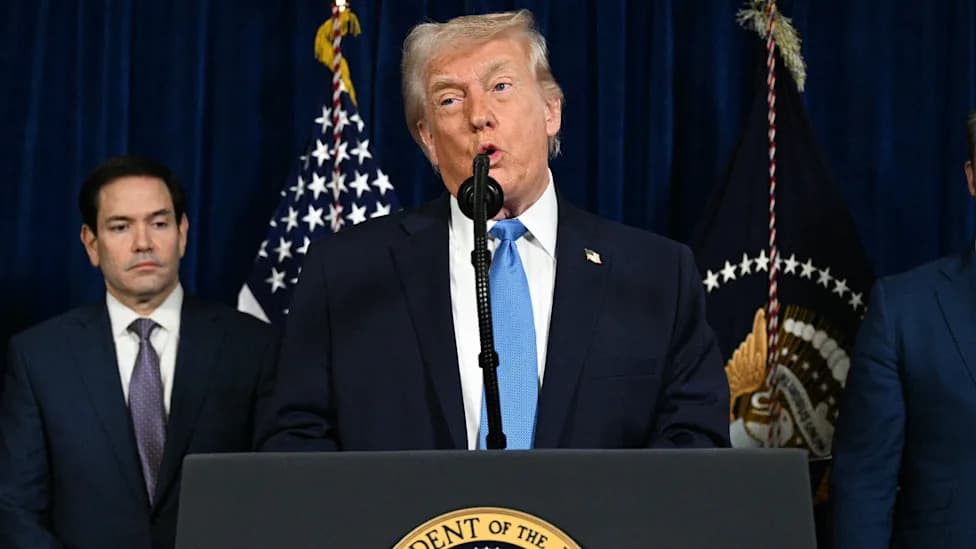
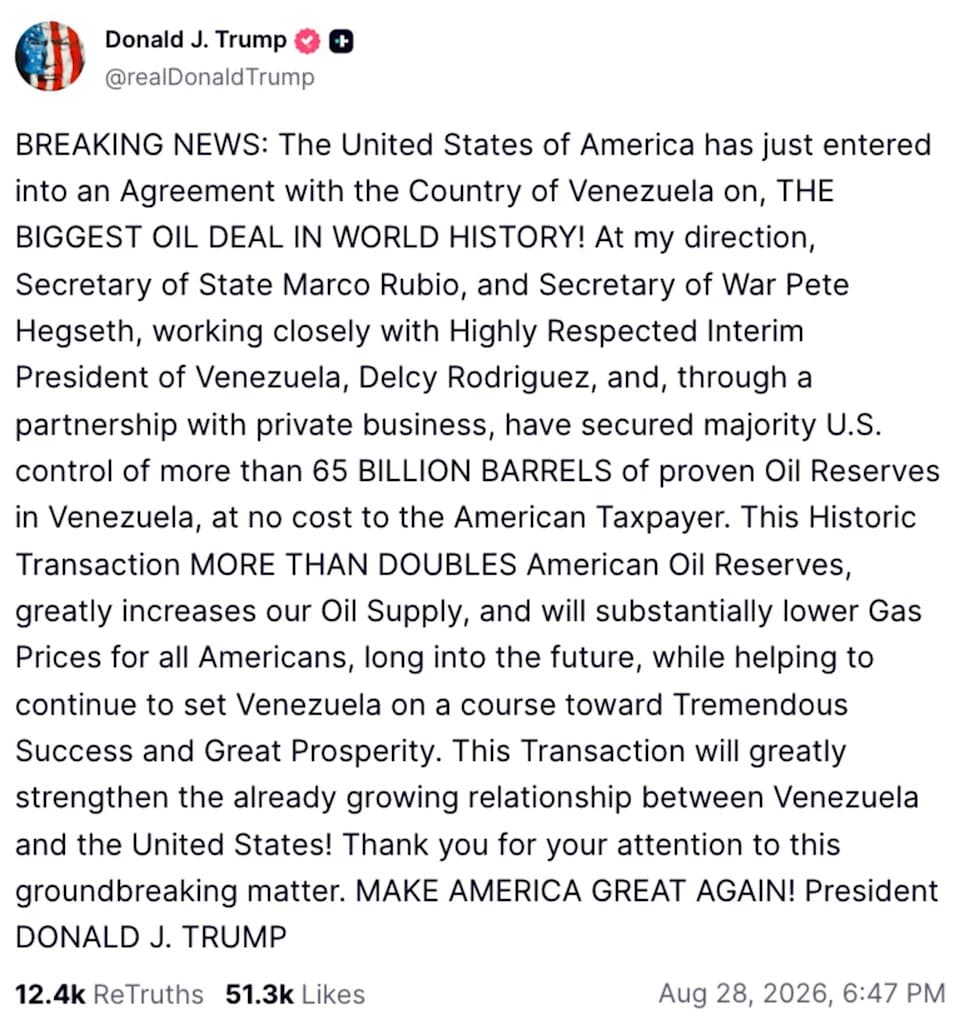
President Donald Trump has authorized a program that could put as many as 50 million barrels of Venezuelan oil on the market. The White House issued an order directing that proceeds be used for “public, governmental or diplomatic purposes” that benefit Venezuelans, and officials say they are taking steps to manage the funds under U.S. oversight. The administration’s first sale generated roughly $500 million, and Reuters reports that about $300 million of that amount has been reintroduced into Venezuela’s economy.
Republican Concerns From Florida
Members of Florida’s powerful Republican delegation — many of whom back opposition leader María Corina Machado — argue the funds could be siphoned off by Rodríguez’s allies. They cite Rodríguez’s close ties to Nicolás Maduro’s circle and warn that her current cooperation with the United States may mask entrenched patronage networks.
"She’s doing what the Trump administration is requiring of her — but I think everybody understands that if they could, [Rodríguez’s government] would go back to their usual ways," Rep. Mario Díaz-Balart (R-Fla.) said. He added, "Delcy is not just a person that was Maduro’s vice president; she’s a person who has a very extensive record of corruption."
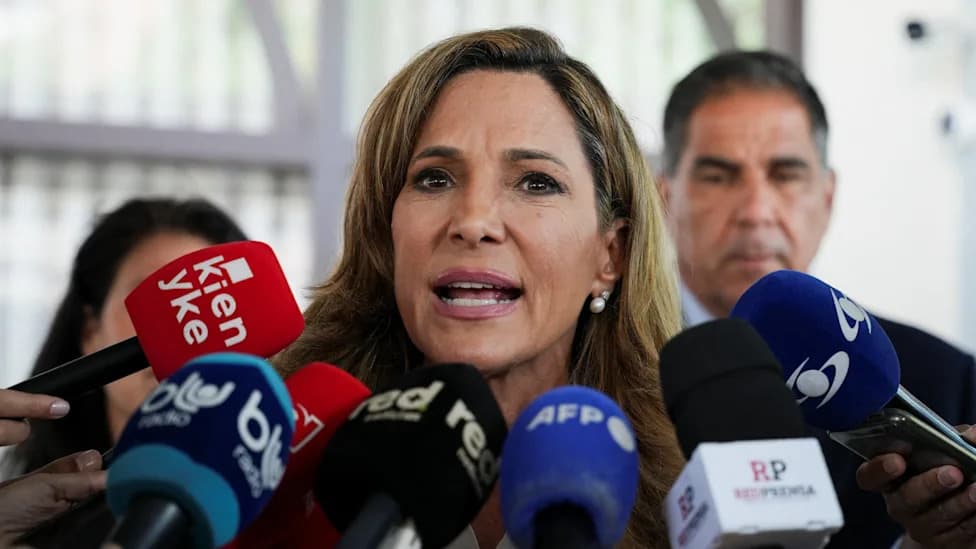
Rep. María Elvira Salazar (R-Fla.) told Semafor she expects sustained oversight. "Rubio said he was going to make sure that those monies are administered by United States forces … and I’m going to believe him," she said, adding that lawmakers will investigate how the funds are handled and press for American control of their distribution.
"We know what those people do with that money. They’re not going to give it to the hospitals in Caracas," Salazar added.
Rep. Carlos Giménez (R-Fla.) summarized the worry succinctly: "Maybe some public servants need to be paid... but it’s not to put in the regime’s pocket."
U.S. Oversight, Legal Risks, And Safeguards
The administration says sanctions relief and oil sales give the U.S. leverage over Venezuela and that the interim authorities have cooperated so far. To limit creditor access, proceeds from the first sale were placed in a Qatari bank account, an approach the White House argues helps prevent seizure. Officials also say a small State Department team is working to rebuild bilateral ties and monitor implementation.
Legal experts caution these measures are not foolproof. Aydin Akgün of Ferrari & Associates — who worked on Venezuela policy at the U.S. Treasury — compared the plan to post‑2003 Iraq’s Oil‑for‑Food program, which suffered widespread abuse and weak accountability. "How do you build safeguards to make sure the money does go to who we think it should go to?" he asked.
Cari Stinebower of Winston & Strawn, formerly with the Treasury’s Office of Foreign Assets Control, noted that using offshore accounts makes creditor access harder but not impossible. With many liens and claims against Venezuela, keeping proceeds secure will be logistically and legally complex.
Political And Investment Implications
Florida Republicans’ early skepticism — from a key swing state delegation — could complicate the White House’s plan if the administration does not provide clearer public oversight and follow-through. The uncertainty also deters private investors already reluctant to commit capital to Venezuela.
Rodríguez has signaled willingness to open the economy to foreign companies, proposing legal changes that Reuters says would allow firms to operate more independently. U.S. officials are also reportedly discussing ways to increase Venezuelan oil production at lower cost with crude producers. Whether these steps reassure skeptical lawmakers and global investors will depend on transparent safeguards and verifiable outcomes on the ground.
Bottom line: The administration must demonstrate durable, enforceable controls over oil-sale proceeds and clear mechanisms for monitoring their use if it hopes to ease Republican concerns and attract private investment to Venezuela.
Help us improve.