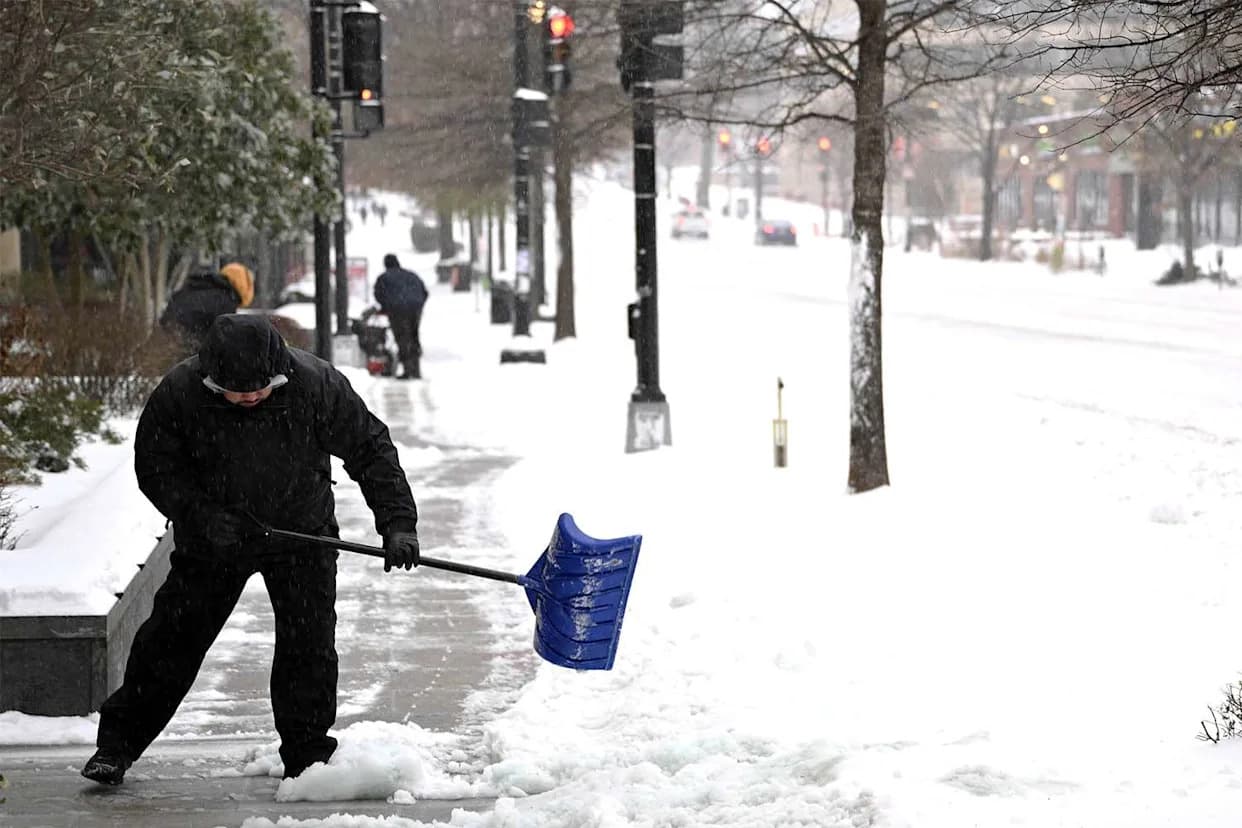
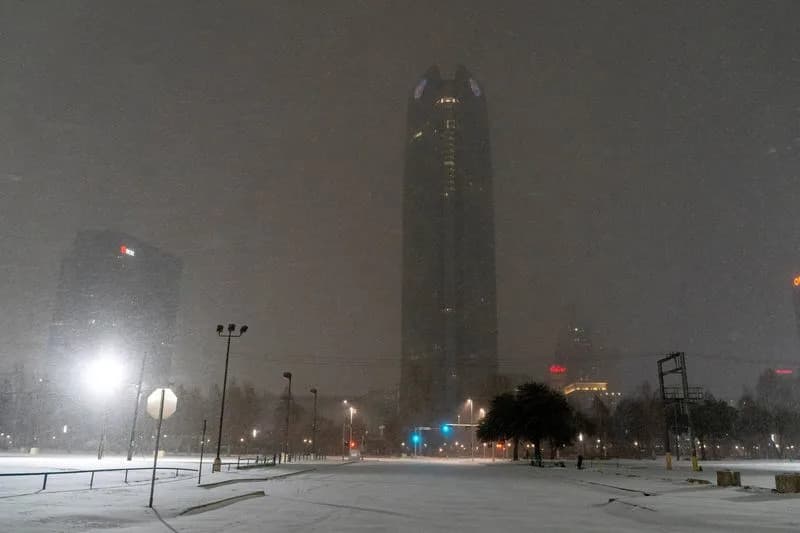
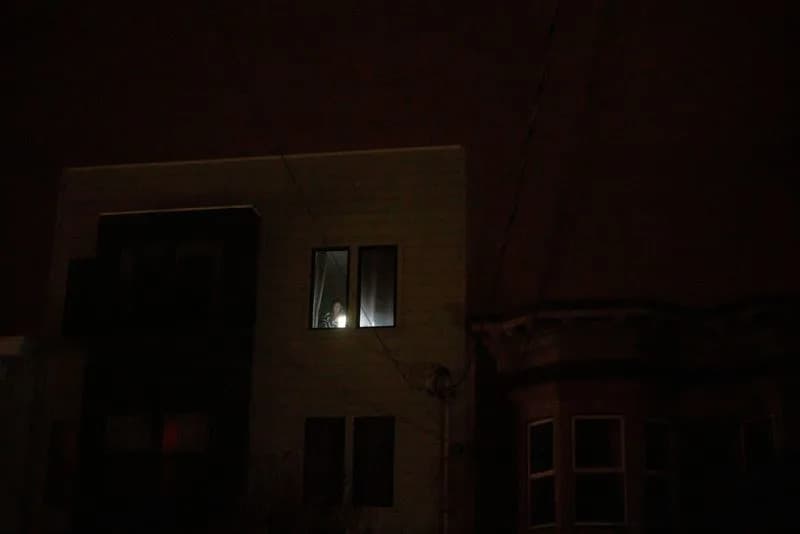
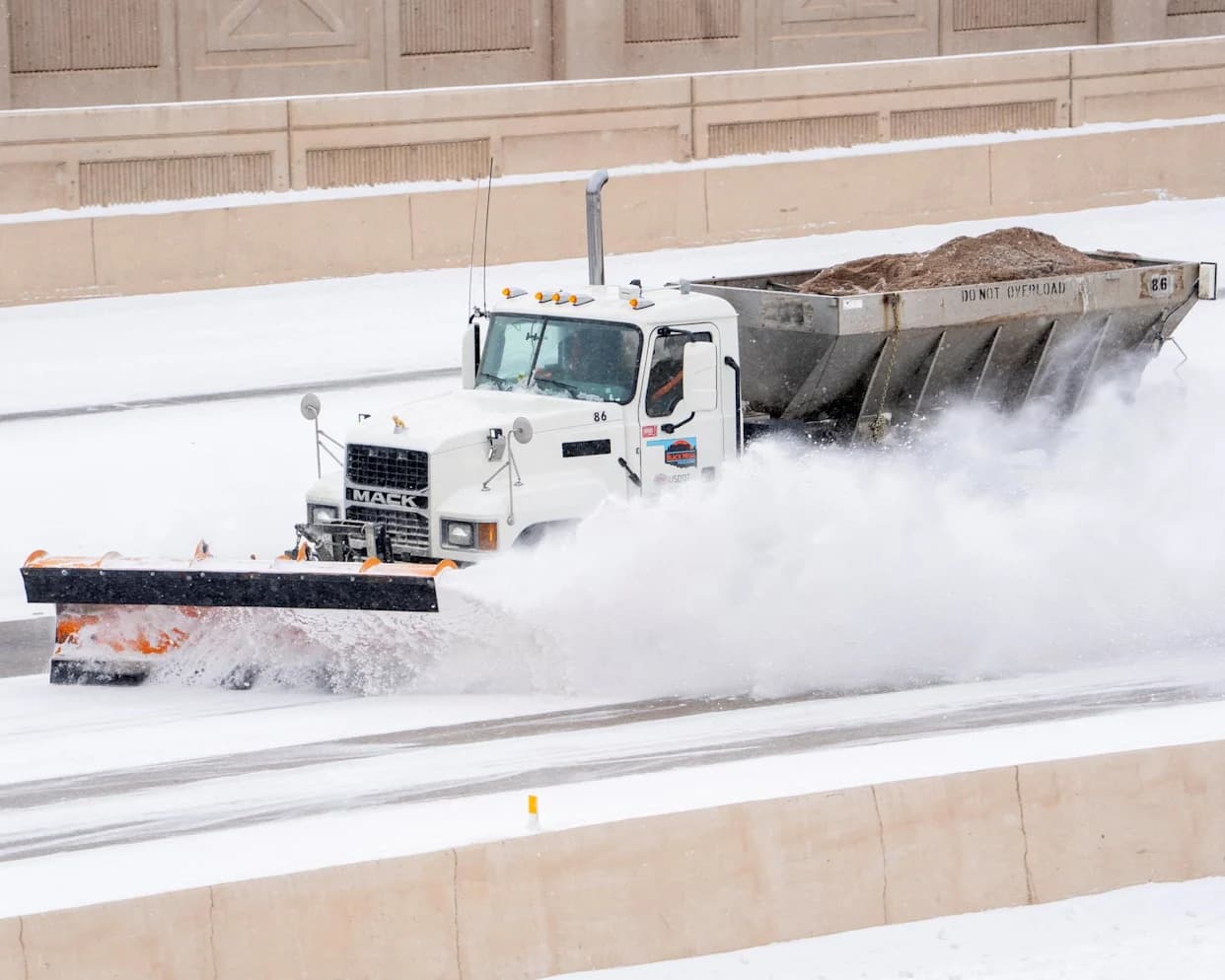
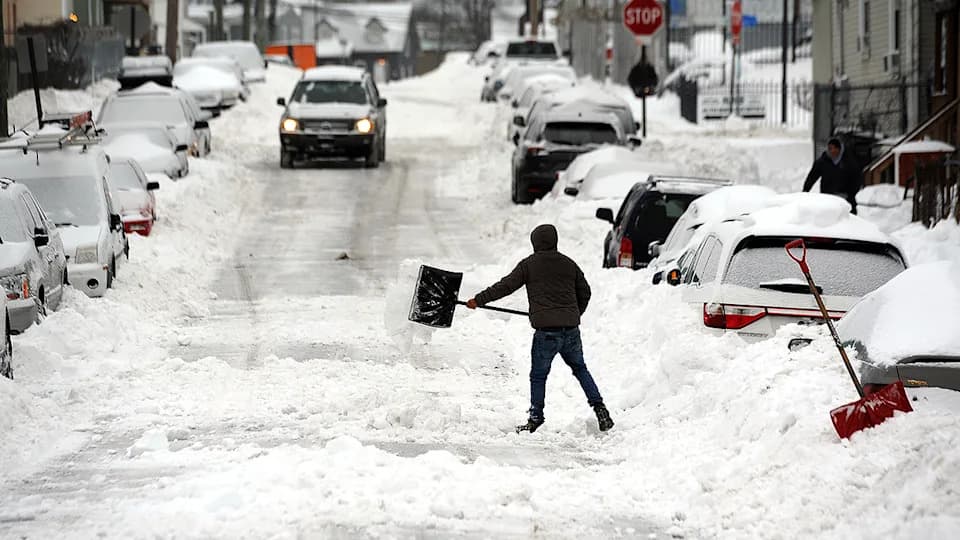
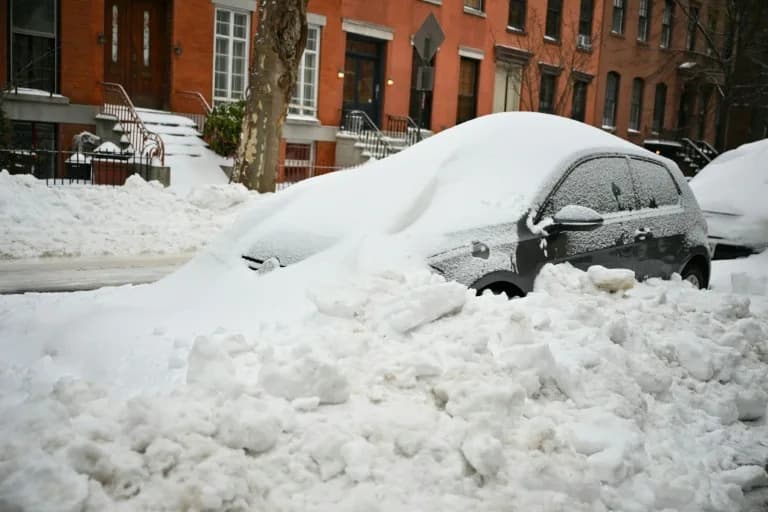
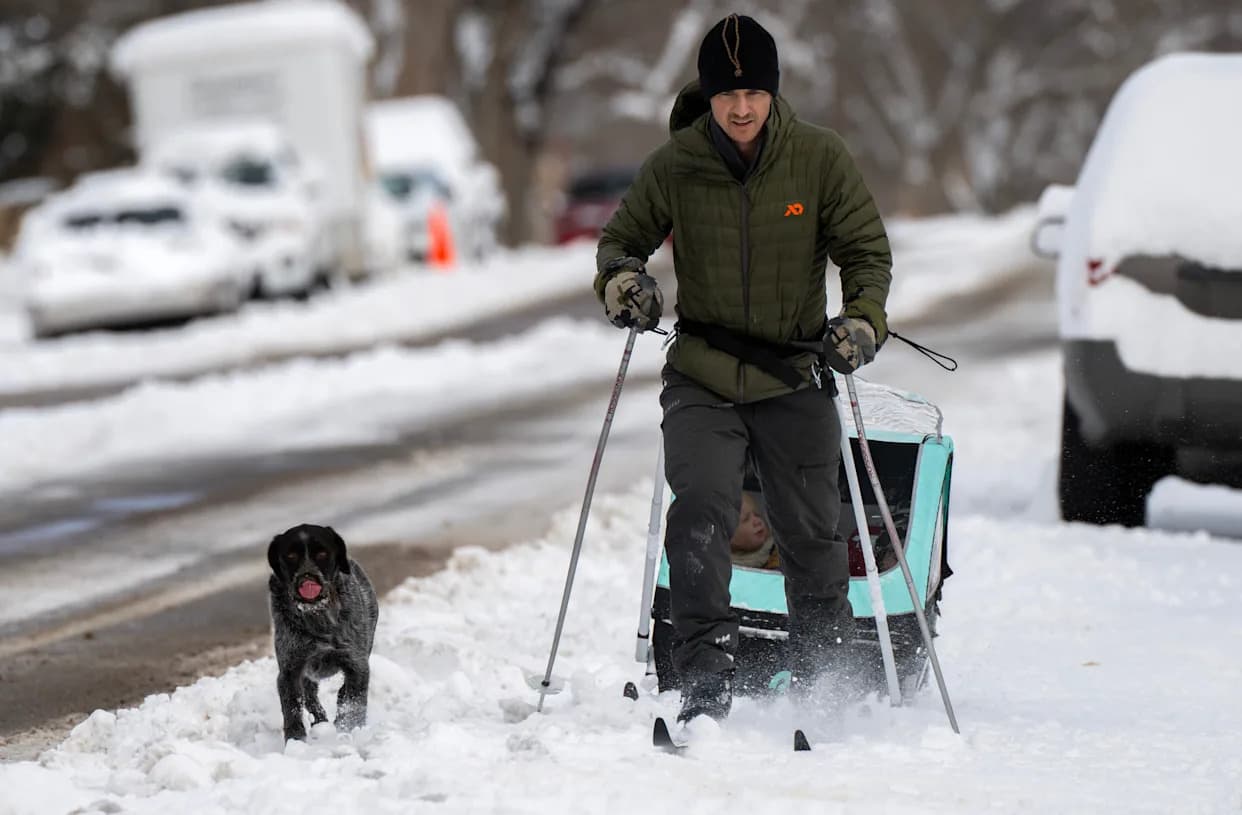
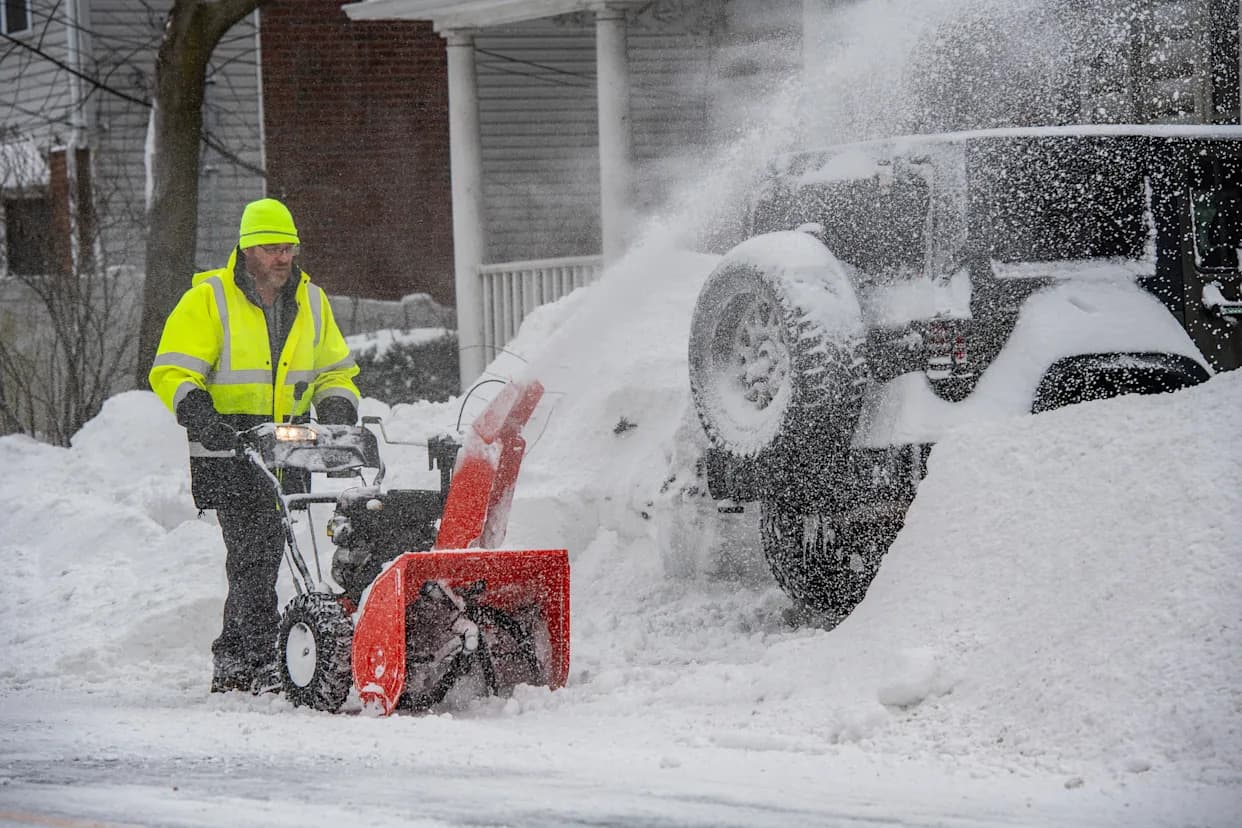
Winter Storm Fern cut power to more than one million customers, with the largest outages in Tennessee, Mississippi and Louisiana. Ice and extreme cold threaten to increase heating demand and complicate repairs, while the Energy Department and PJM activated emergency measures to preserve supplies. Benchmark natural gas prices spiked sharply ahead of the storm, and utilities mobilized tens of thousands of workers to restore power.
Winter Storm Fern Strains U.S. Power Grid — Over 1 Million Customers Lose Power
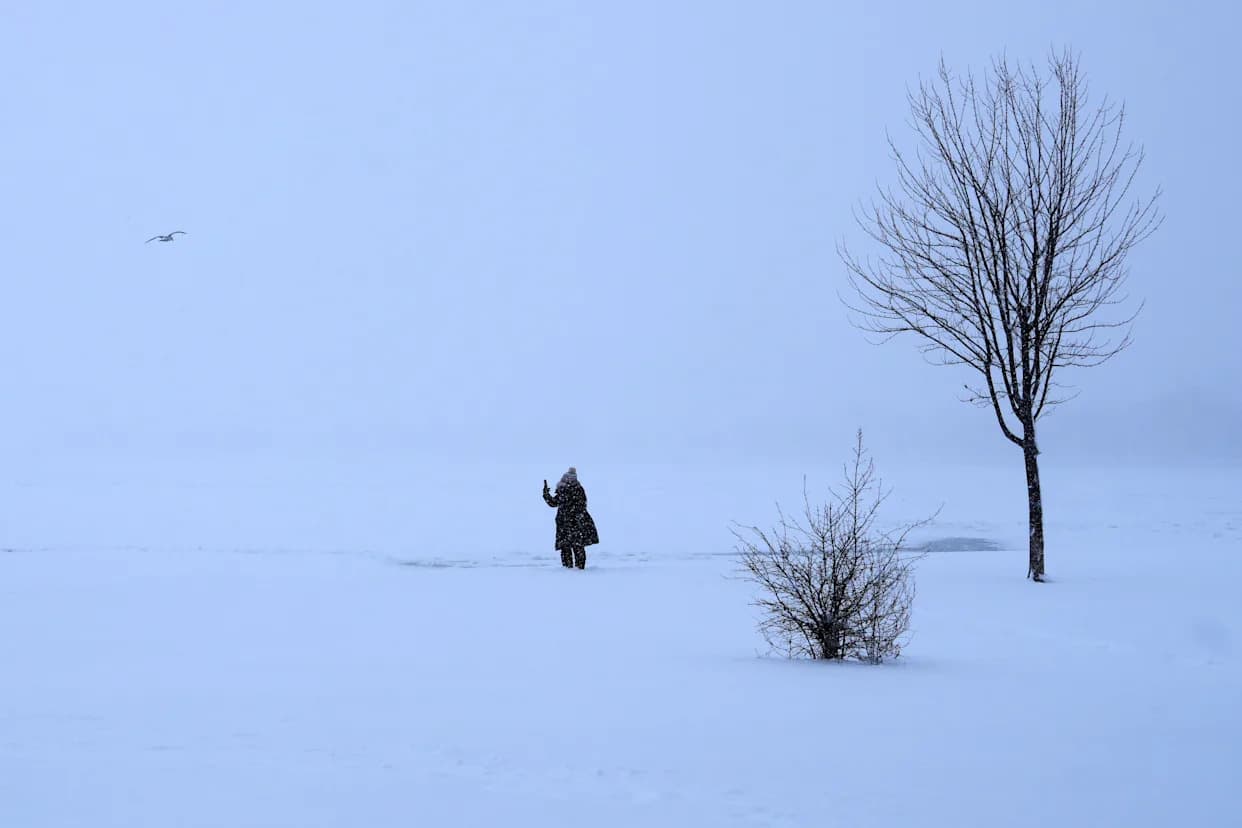
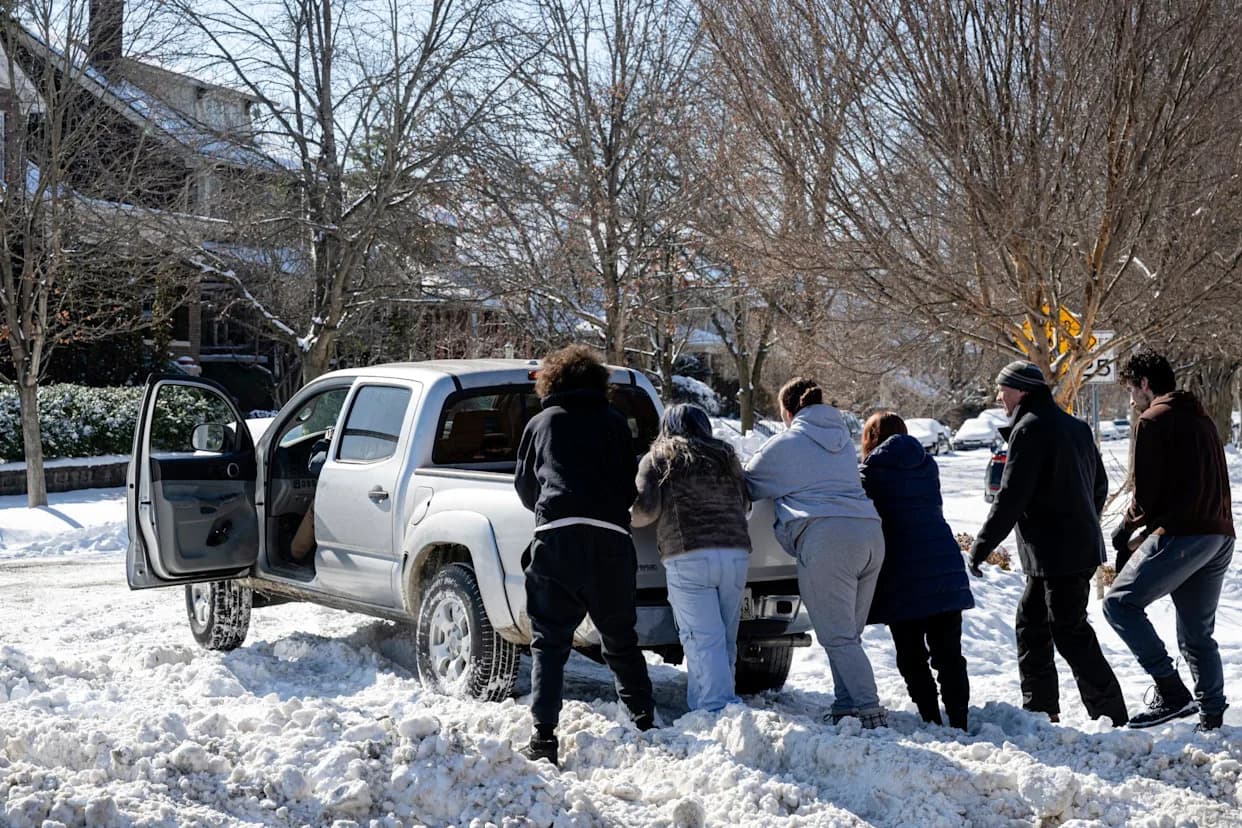
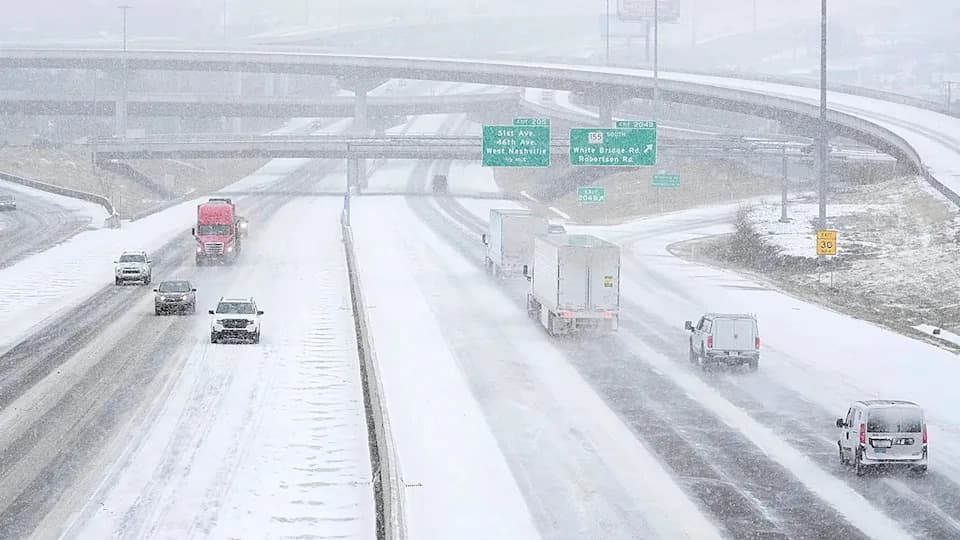
Winter Storm Fern swept across roughly half of the United States, cutting power to more than one million customers on Sunday and forcing utilities into a race to restore service before sub‑freezing temperatures spread to tens of millions this week.
Widespread Outages and the Main Threat
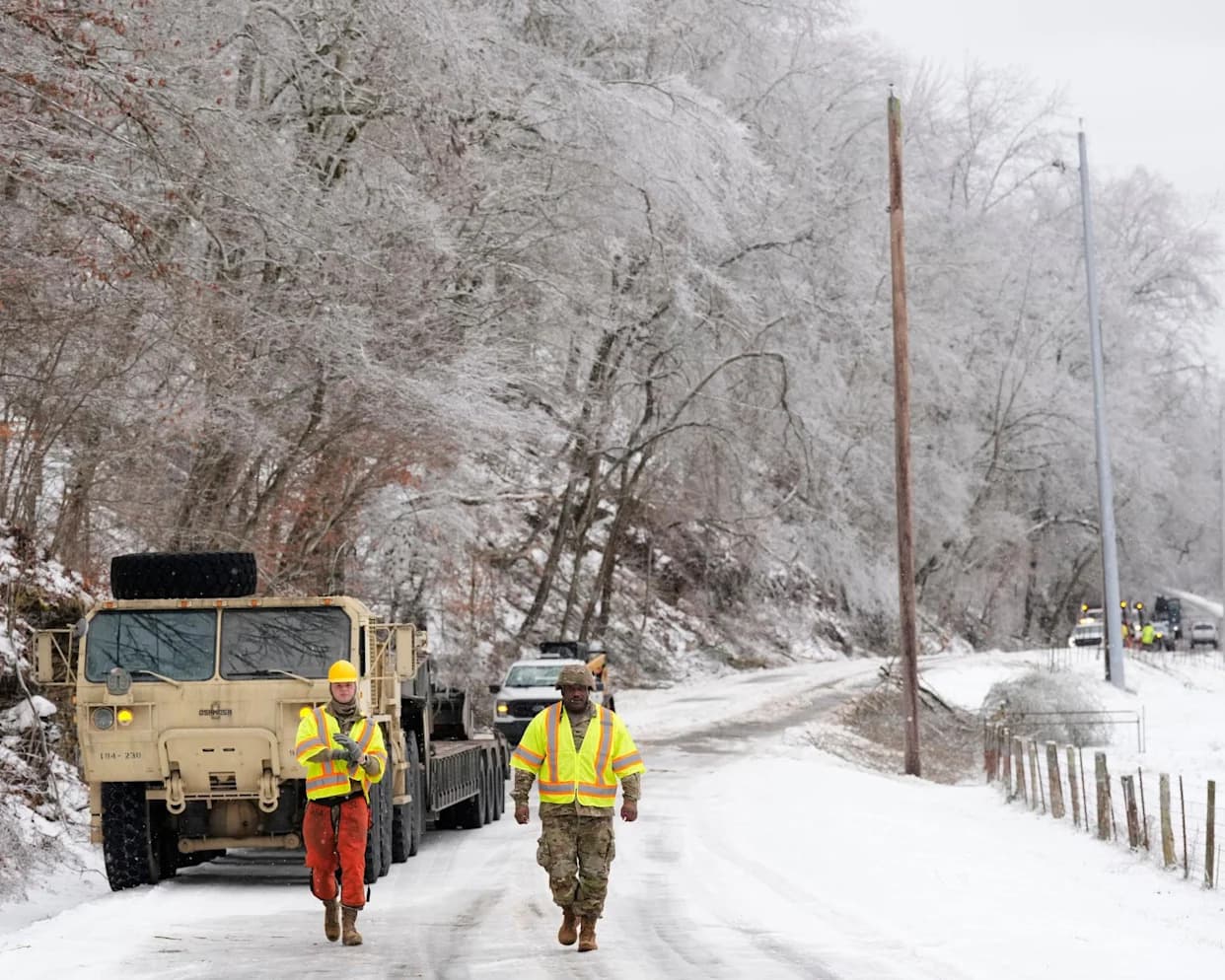
The worst outages were concentrated in Tennessee, Mississippi and Louisiana after forecasters warned the storm could imperil the grid and challenge utilities’ ability to meet a sudden surge in heating demand. Ice and freezing rain remain the primary threats: even light ice can heavily load tree limbs and snap wires, while heavier accumulations can both break lines and hinder repair crews’ access to damaged infrastructure.
“The ice is the big concern this week and that’s scary,” said Allison Clements, a former commissioner at the Federal Energy Regulatory Commission. “When these types of things happen, you can't control the ice. You can't control the tree branch break.”
Outage Snapshot
As of 4:15 p.m. EST Sunday, PowerOutage.us reported the largest outages in:
- Tennessee: 308,000+ customers
- Mississippi: 149,000+ customers
- Louisiana: 138,000+ customers
- Georgia: 103,000+ customers
- Texas: 80,000+ customers
- Kentucky: 67,000+ customers
- West Virginia: 33,000+ customers
- South Carolina: 28,000+ customers
Georgia Power reported restoring service to 70,000 customers by 4 p.m. EST while roughly another 70,000 — largely in north Georgia and Atlanta — remained without electricity. The utility said more than 10,000 crews were working to repair damage caused primarily by ice-laden trees falling on power lines.
Federal Actions and Grid Operations
The U.S. Energy Department authorized PJM Interconnection — the regional grid operator covering parts of the Midwest and Mid‑Atlantic — to run available generation at full output to preserve supply during the cold snap, temporarily relaxing certain regional constraints. DOE also asked large customers, including data centers on Texas’ grid, to bring backup onsite generation online and make it available to the grid where feasible.
PJM warned that peak demand across its 13-state footprint could top 130,000 megawatts for seven consecutive days for the first time, and it activated pre‑emergency measures aimed at conserving electricity in parts of its system. Officials cautioned that prolonged extreme cold through Feb. 1 could set all‑time winter peak records and strain reserves.
“This is a formidable arctic cold front coming our way, and it will impact our neighboring systems as much as it affects PJM,” said Mike Bryson Sr., PJM’s vice president of operations. “We will be relying on our generation fleet to perform.”
Fuel Markets, Reliability Concerns, And Restoration Efforts
Benchmark natural gas prices surged more than 80% in the three days before the storm — a spike Wood Mackenzie called the largest increase in its records — raising concerns about fuel adequacy if gas infrastructure, particularly in the Gulf Coast, struggles under prolonged single‑digit temperatures. Operators in New England and New York reported real‑time consumption running ahead of forecasts, while other regions reported unplanned generator outages.
Experts have long warned that some U.S. regions may lack sufficient reserves during an extreme winter event. The storm came as utilities were already contending with rising demand fueled by the expansion of data centers and other large electricity users, which has reduced spare generation capacity in some areas.
Utilities and trade groups mobilized large restoration efforts: the Edison Electric Institute said 63,000 workers from 43 states and Washington, D.C., were deployed into the storm’s path, while major utilities reported tens of thousands of personnel staged to repair lines and restore service.
What To Watch And Safety Advice
Ice accumulation remains the most immediate danger to the grid and to public safety. Even a quarter‑inch of ice can sharply increase the weight on branches; a half‑inch can break lines. Heavy ice also slows response and recovery. Officials urged residents to prepare for prolonged outages, keep phones charged, avoid downed lines and follow local emergency instructions.
Reporters Isa Domínguez and Kelsey Tamborrino contributed to this report.
Help us improve.