Penn State field measurements (Feb–Apr 2022) show that emissions from the Prudhoe Bay oil fields are driving interacting chemical feedbacks that speed Arctic warming and sea-ice loss. NO2 near the fields reached about 60–70 ppb, and open sea-ice leads promote cloud formation that traps heat. Salt-driven bromine chemistry depletes near-surface ozone, further amplifying melt. The data will improve models used to predict wider climate impacts.
Scientists: Prudhoe Bay Pollution Is Triggering Chemical Feedbacks That Speed Arctic Warming
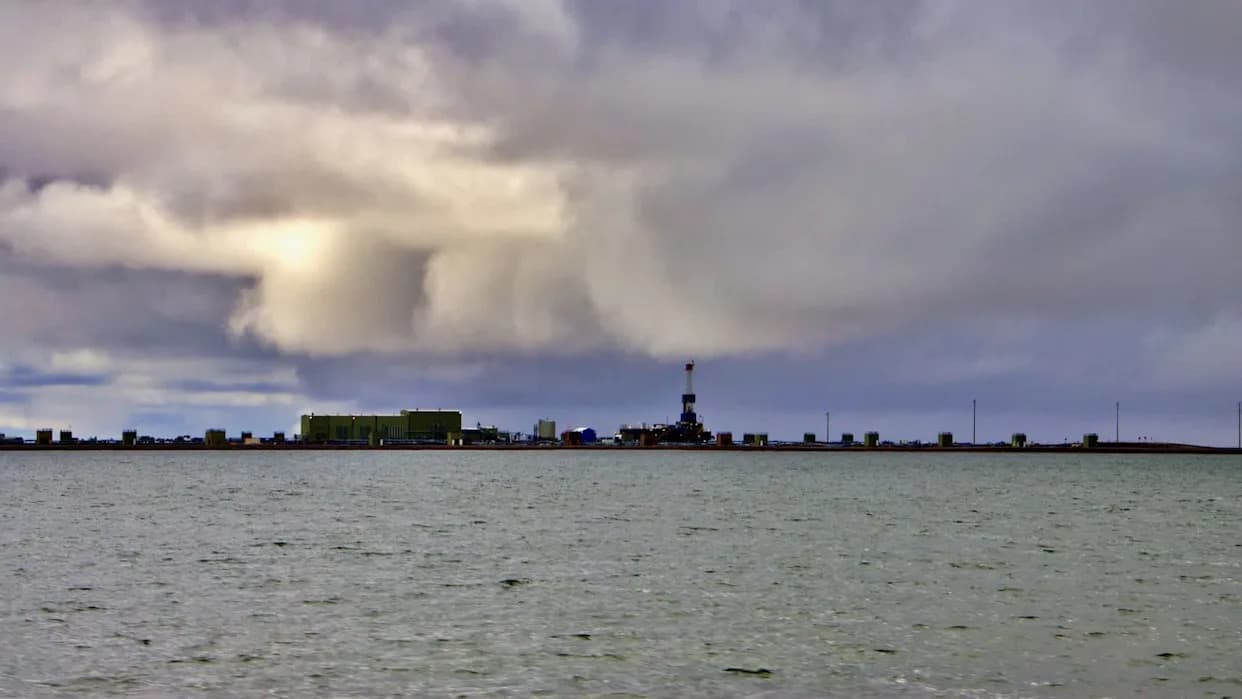
Photo Credit: iStock
Penn State researchers warn that pollution from the Prudhoe Bay oil fields is creating interacting chemical feedback loops that are accelerating Arctic warming and contributing to rapid sea-ice loss. The conclusions come from a two-month field campaign in Alaska's Arctic that combined instrumented aircraft flights with ground-based measurements taken between February and April 2022.
Key Findings
The research team identified three linked processes that amplify regional warming:
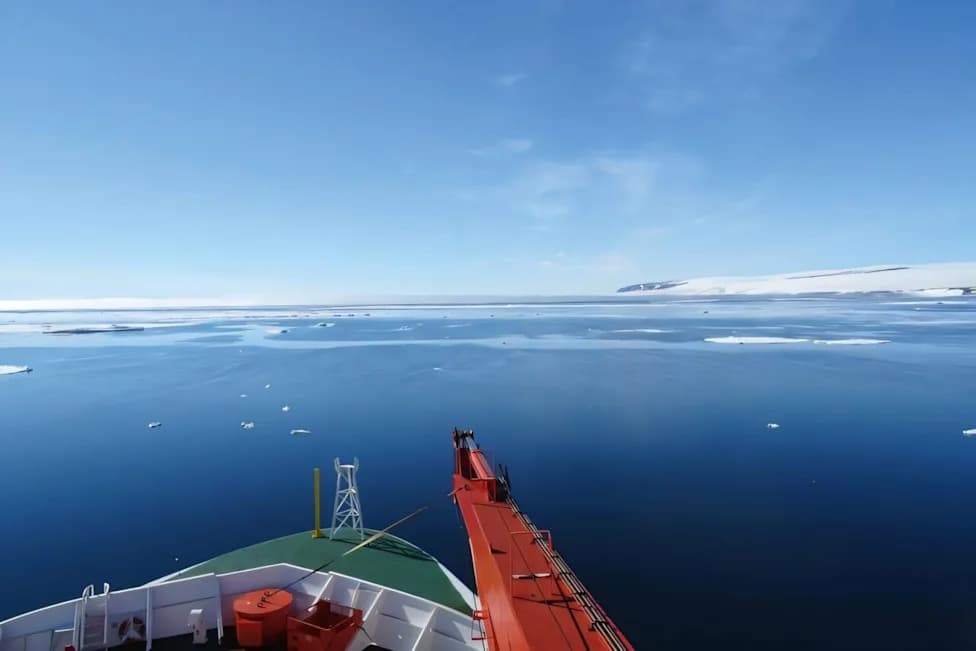
- Open sea-ice leads change atmospheric chemistry and cloud formation. Cracks in the ice release water vapor and sea-spray particles that rise hundreds of feet and help seed low clouds. Those clouds trap heat and moisture locally, promoting further melting and the formation of more leads.
- Oil-field emissions alter the clean polar atmosphere. Measurements near Prudhoe Bay showed nitrogen dioxide (NO2) concentrations of about 60–70 parts per billion—levels comparable to urban pollution—despite the surrounding otherwise pristine air.
- Salt and pollution drive halogen chemistry that weakens near-surface ozone. Salt deposited on coastal snow reacts with fossil-fuel pollutants to produce reactive bromine compounds that deplete ozone in the lowest atmosphere. Reduced ozone allows more sunlight to warm the snow surface, releasing still more bromine and reinforcing the cycle.
“This field campaign is an unprecedented opportunity to understand how human influence is altering the climate in this important region,” said Jose D. Fuentes, Professor of Meteorology at Penn State.
Methods and Evidence
The team combined aircraft-based sampling with surface stations to measure trace gases, aerosols and cloud properties during the winter–spring transition (Feb–Apr 2022), when changing sea-ice conditions and atmospheric mixing make chemical interactions especially active. The observations resolved how emissions, sea-spray aerosols and multiphase halogen chemistry interact to create self-reinforcing feedbacks.
Broader Impacts
By accelerating ice melt, these feedbacks contribute to global sea-level rise, increase the risk of storm-driven coastal flooding, and can push saltwater into agricultural soils. Arctic warming also intensifies weather extremes, raising the likelihood of droughts and floods in food-producing regions and allowing disease-carrying insects to expand their ranges.
The researchers plan to continue monitoring these processes and to incorporate the new datasets into climate and atmospheric models to improve predictions of future temperature and weather impacts both within and beyond the Arctic.
Implication: Industrial emissions in polar regions can trigger local chemical reactions that have far-reaching climate and environmental consequences; reducing emissions and improving monitoring in the Arctic are important steps to limit such feedbacks.
Help us improve.