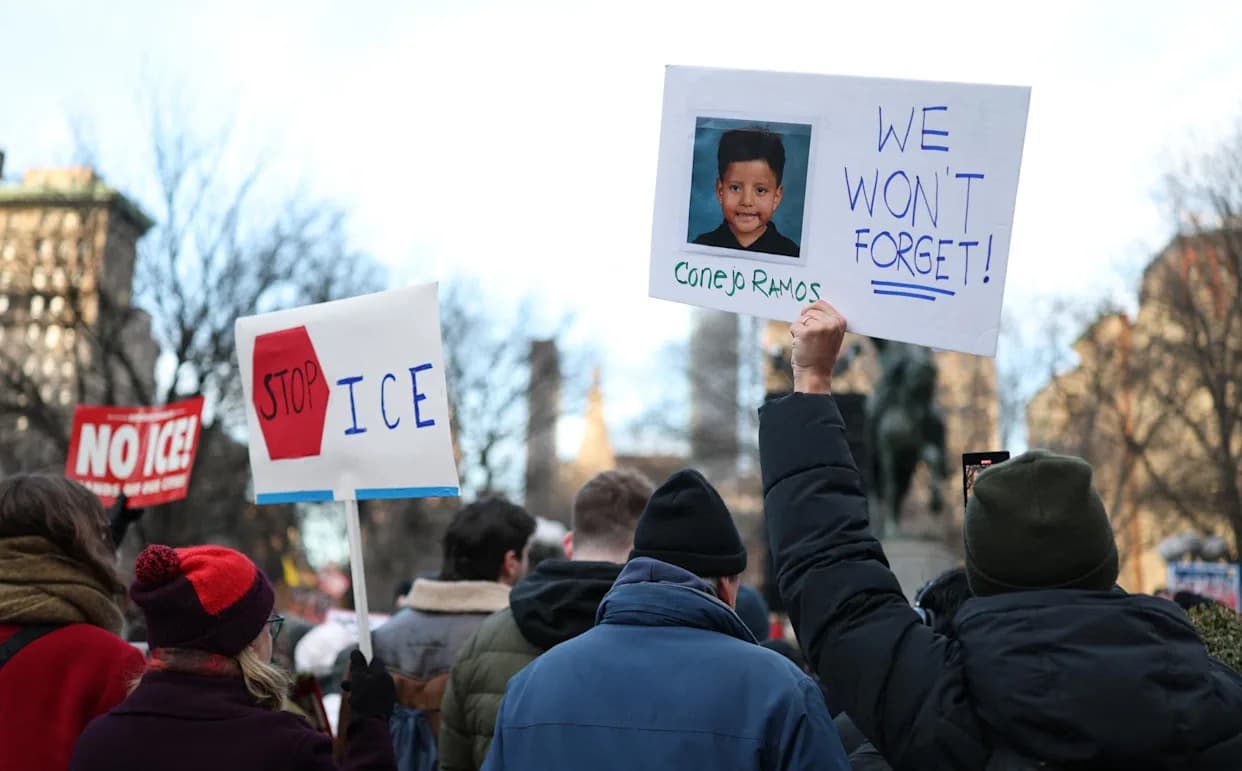
U.S. immigration enforcement—illustrated by images like 5-year-old Liam being taken by an agent—is producing widespread, long-lasting trauma among children in multiple U.S. cities. Clinicians in Chicago report families too afraid to seek in-person care, and decades of research show forced caregiver separation yields deep, enduring harm. Healing requires sustained, trauma-informed services that reach families who cannot leave their homes, plus policy and funding commitments to prevent further damage.
Family Bonds Under Siege: ICE Raids Are Inflicting Long-Term Trauma on U.S. Children

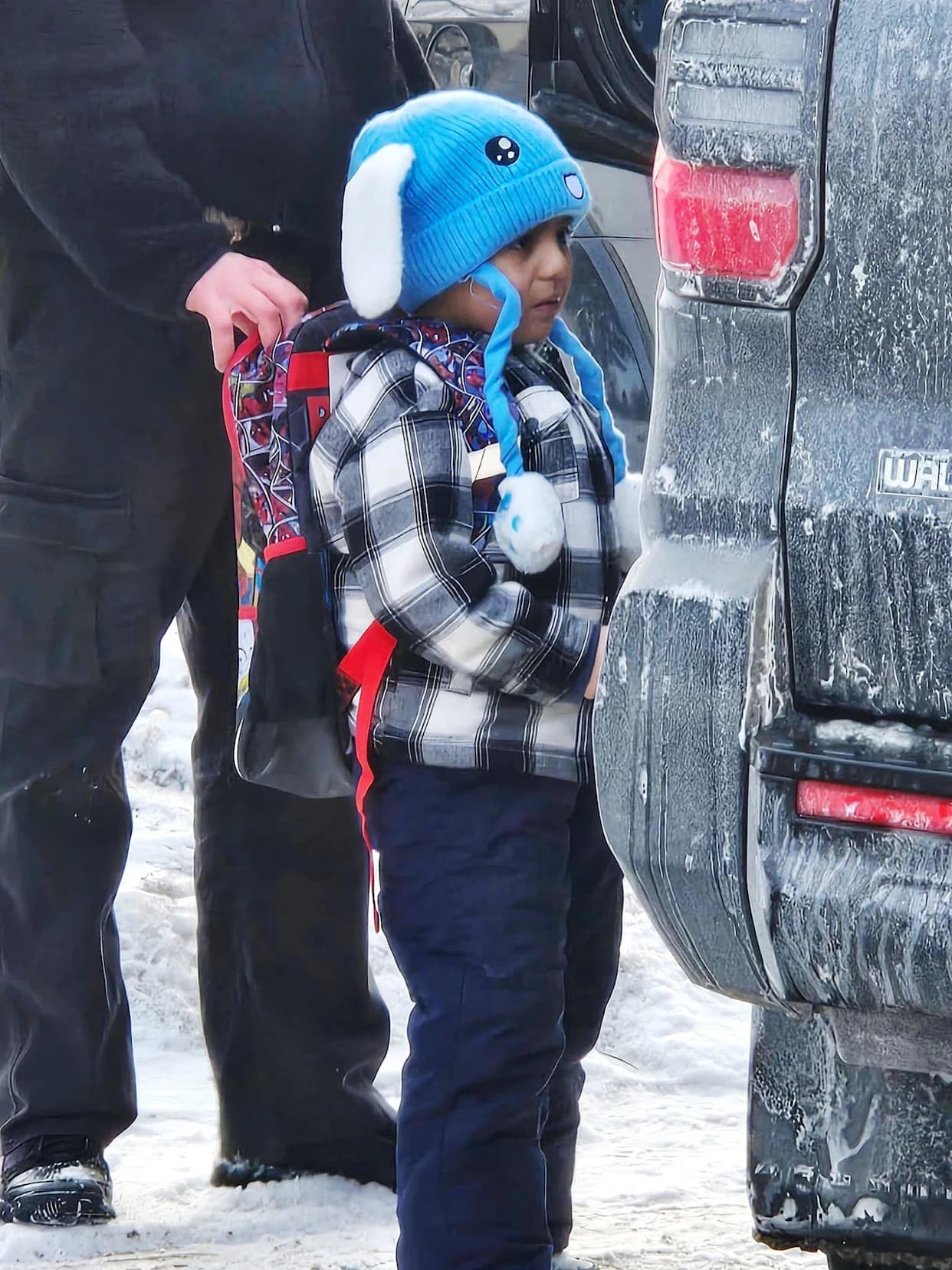
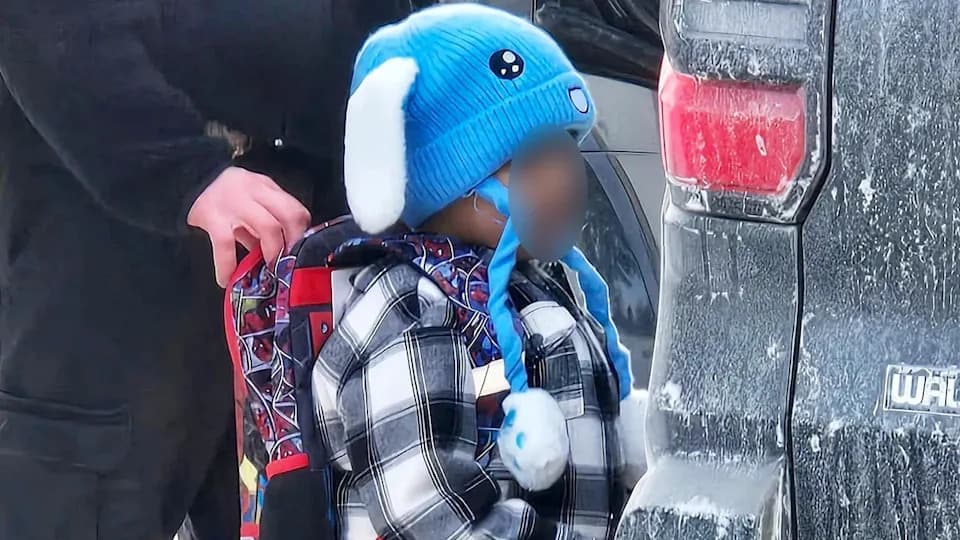
The photograph is chilling: 5-year-old Liam Conejo Ramos, wearing a bright blue bunny hat and carrying a Spider-Man backpack, stands in his driveway with terror in his eyes as a federal agent grips his bag. That scene—part of recent enforcement actions—captures what many children and families across U.S. cities are now living with.
Scenes of Fear, Near and Far
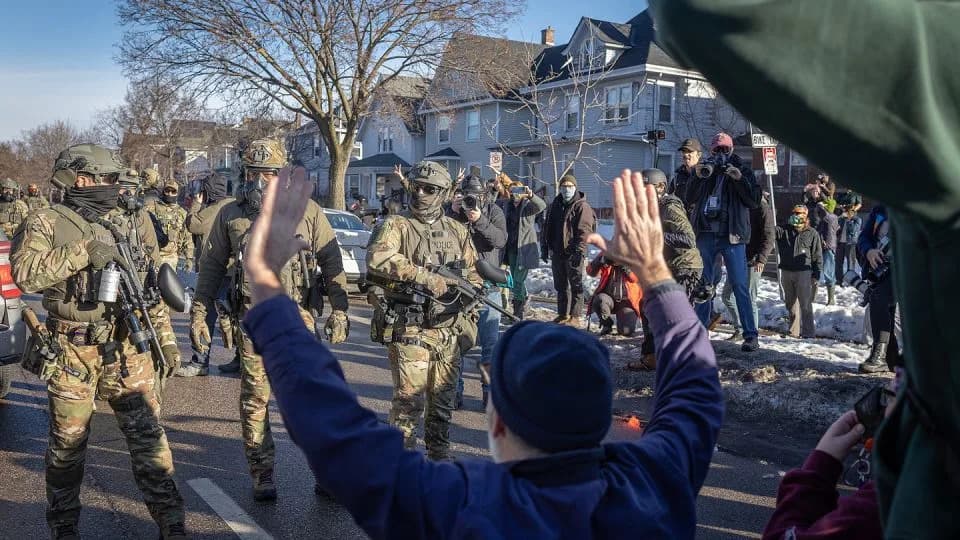
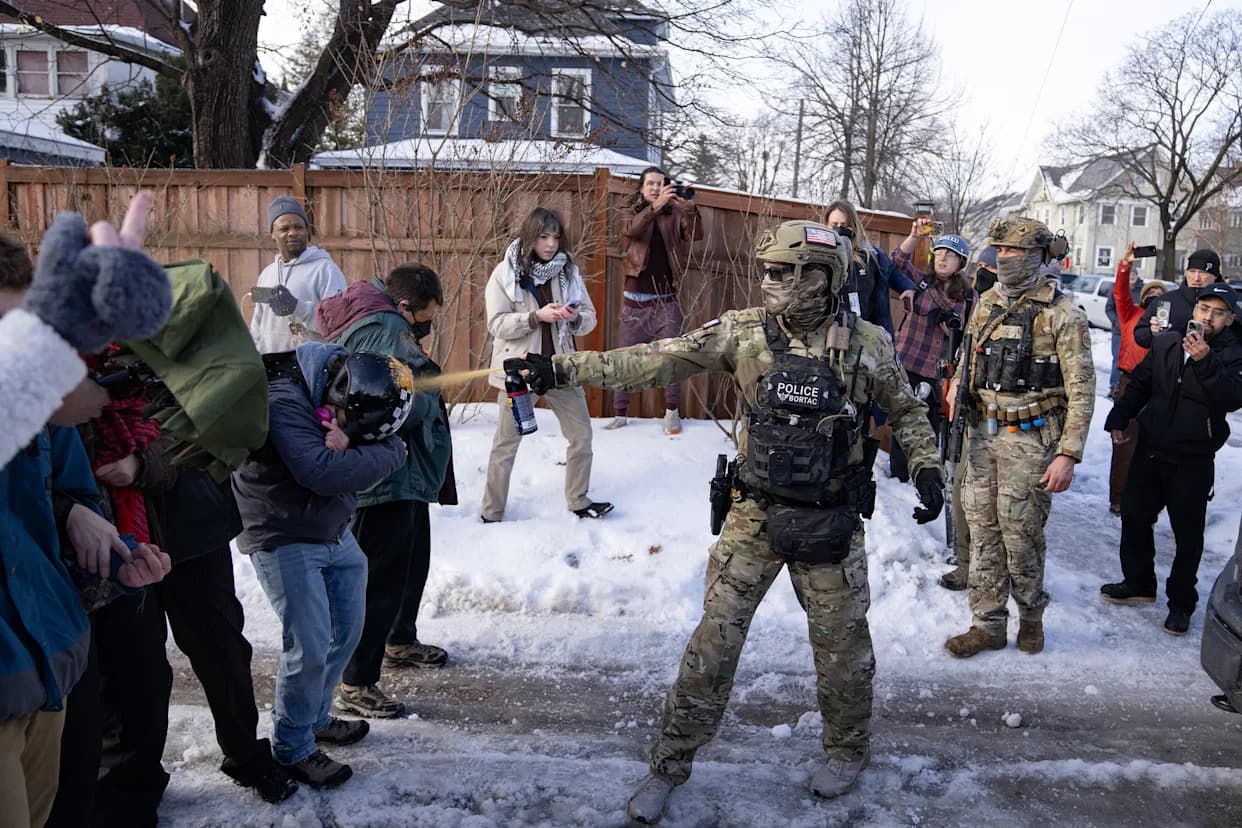
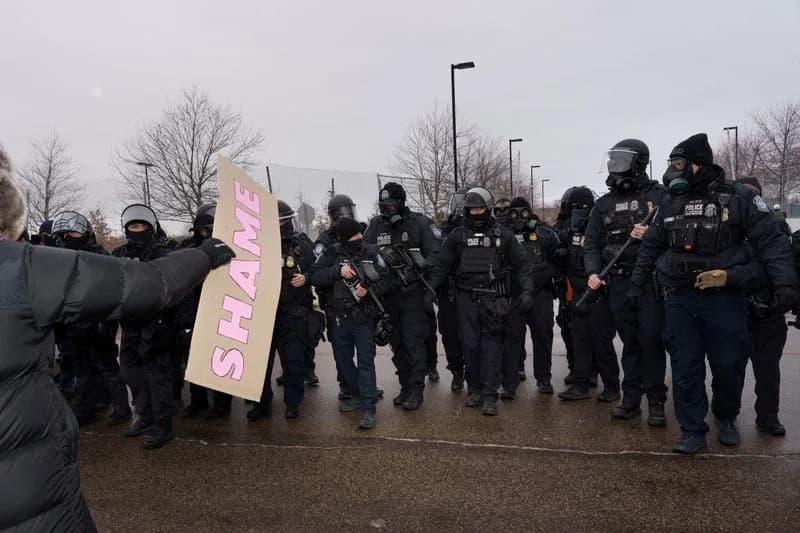
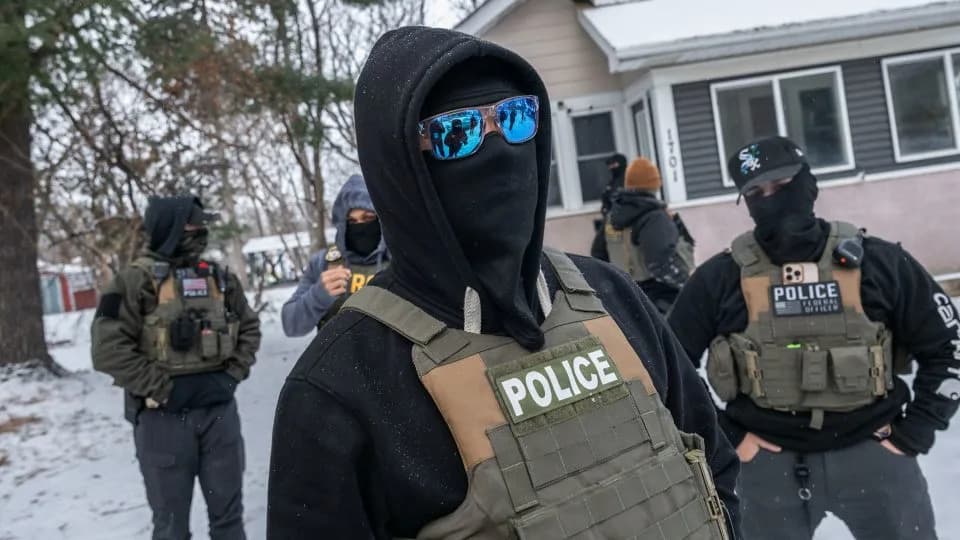
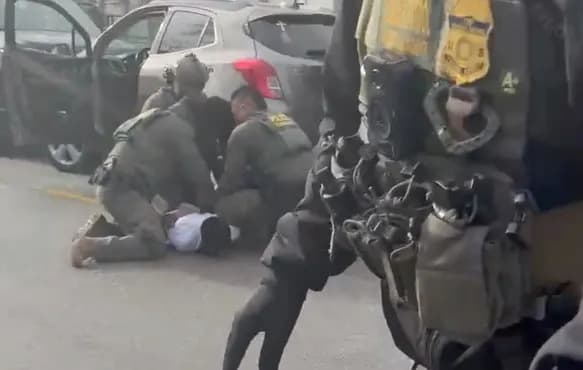
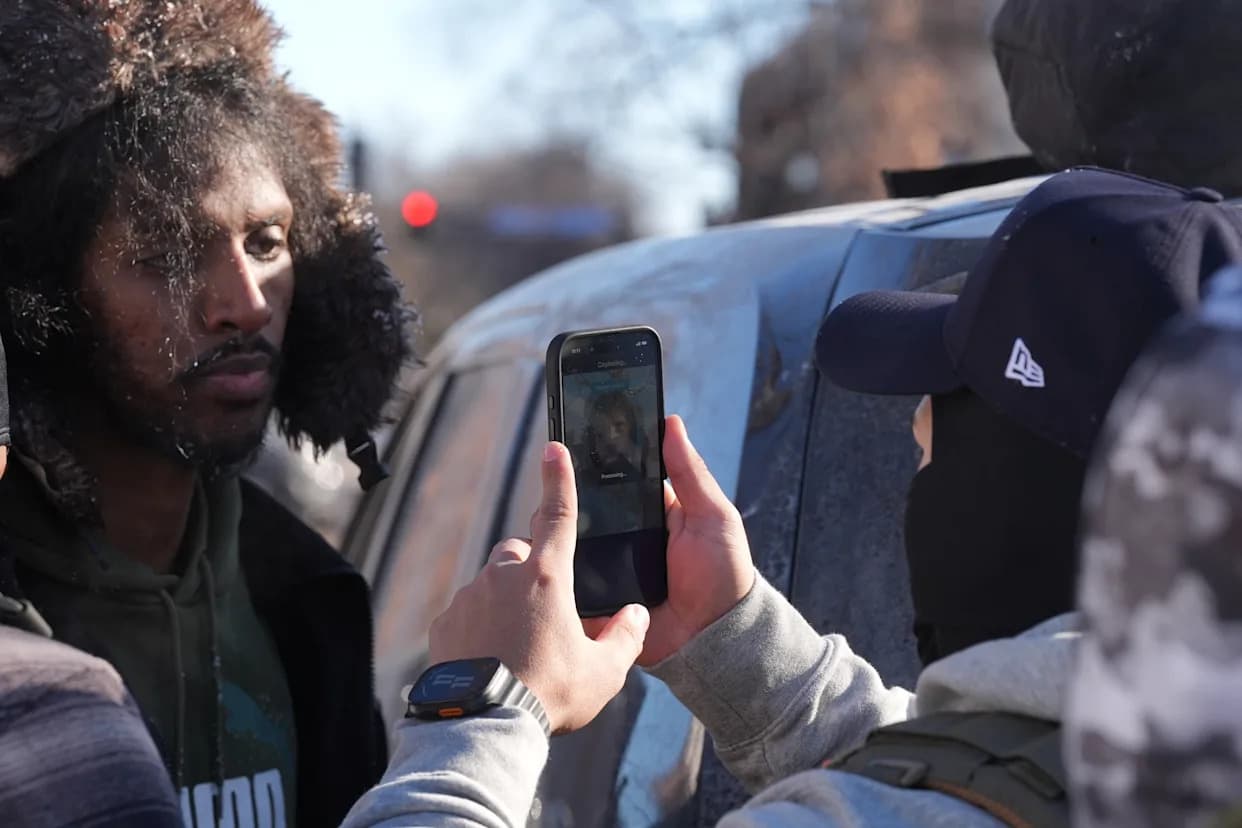
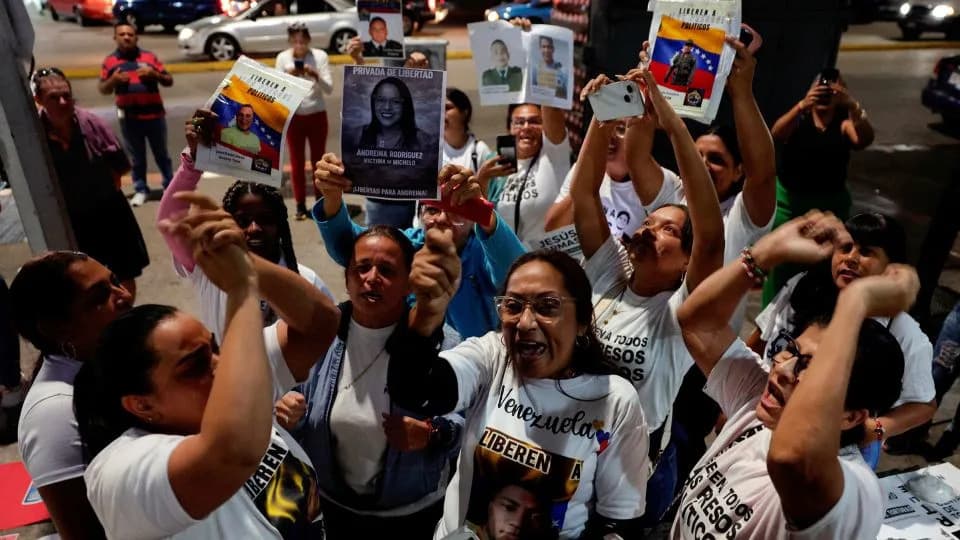
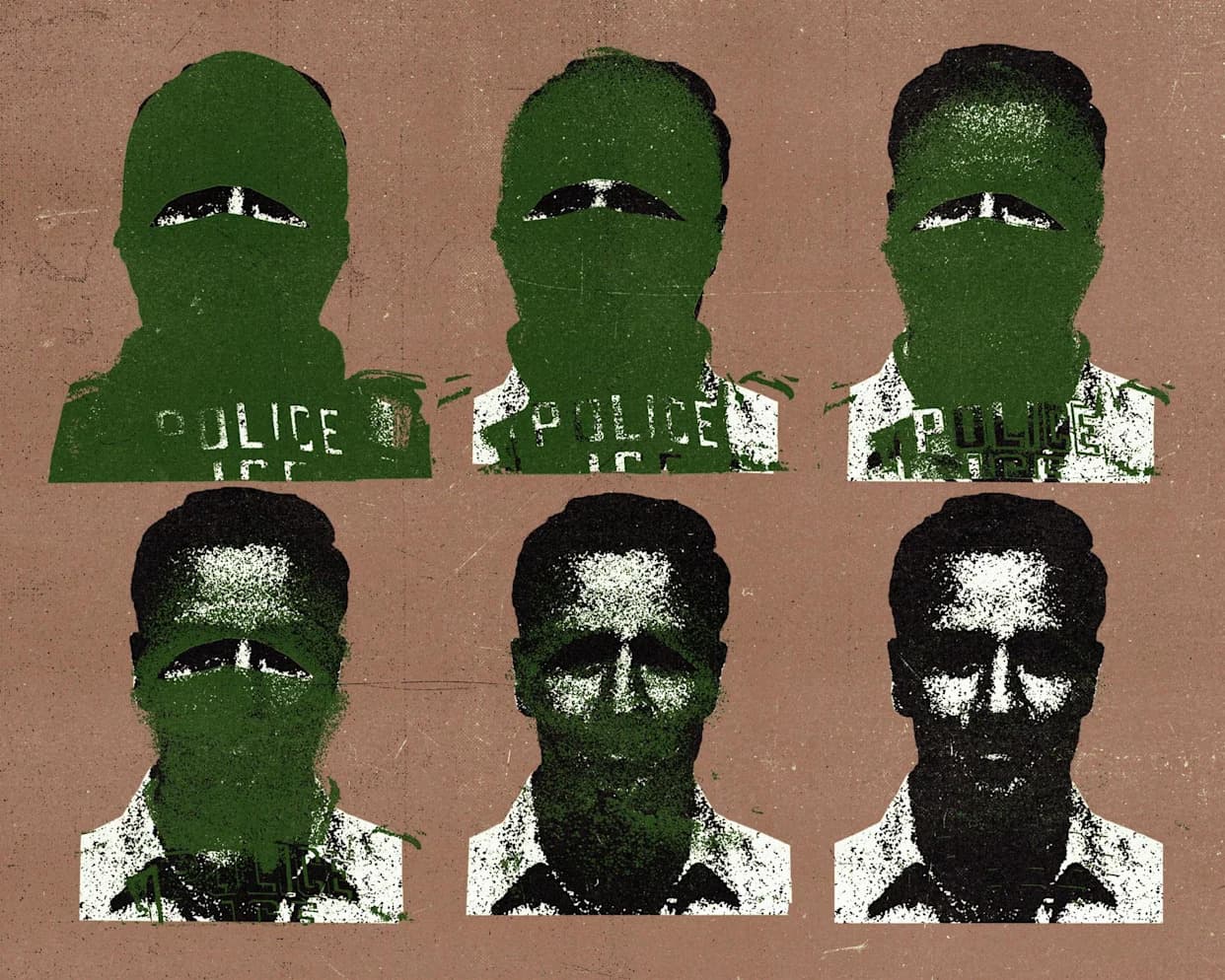
In Chicago, last fall’s Operation Midway Blitz left a wake of disruption and anxiety that extends far beyond the families directly targeted. Some children witnessed violent arrests: an 8-year-old clutching a doll and pleading with masked, heavily armed agents; children crouched inside vans, zip-tied and held at gunpoint while commands were barked at their parents.
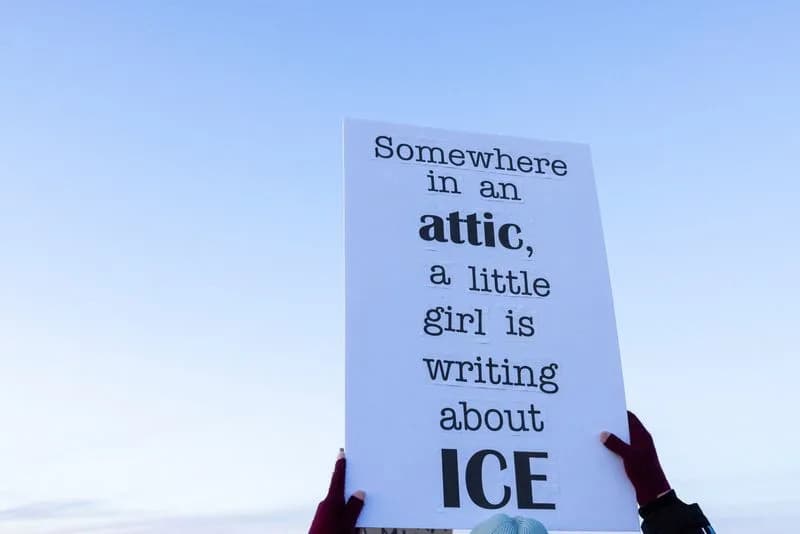
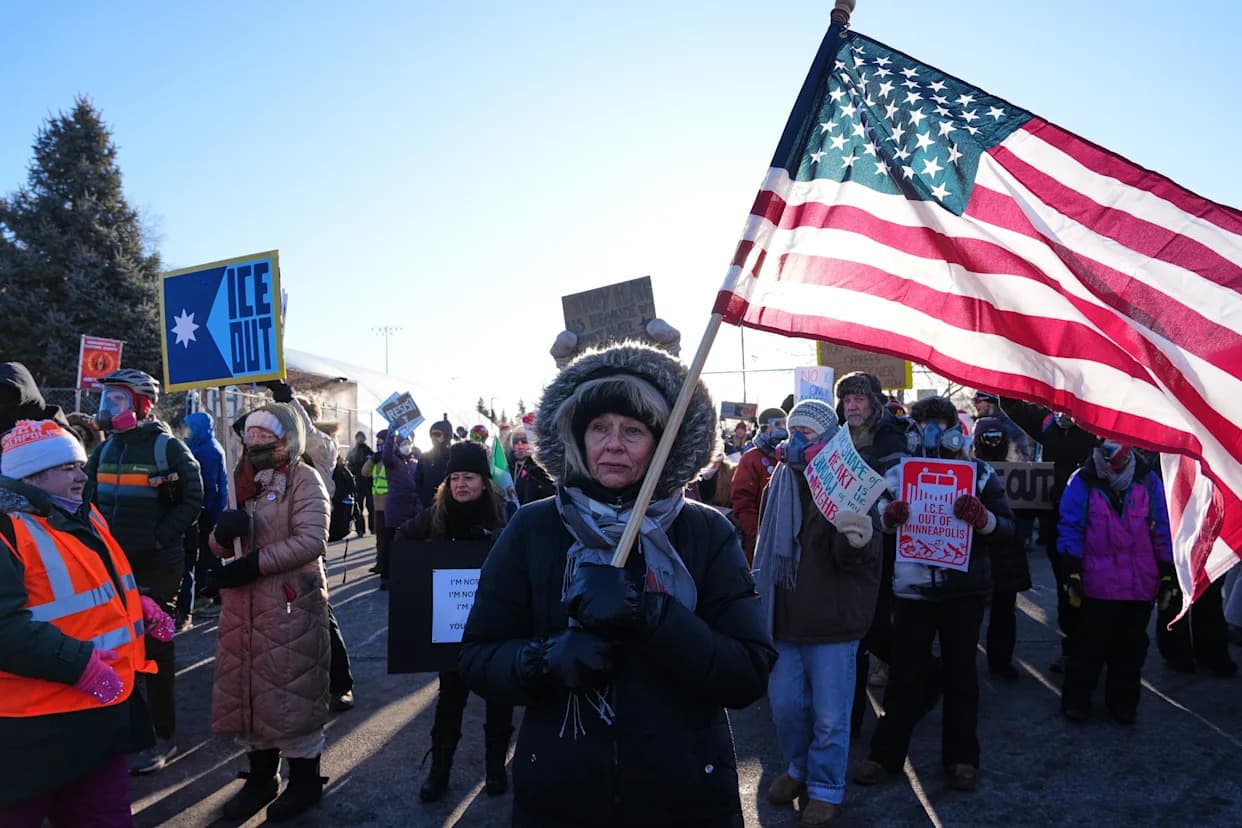
Equally pervasive is the quieter, insidious damage felt by children in immigrant households: a 9-year-old frozen in a grocery aisle because parents no longer risk leaving home; a 7-year-old refusing to attend school because the adult who escorts him seems like a stranger; a 6-year-old warning a sibling, “We have to be good or ICE will get us.” These are not images from a war zone—they are scenes from Chicago, Minneapolis, Charlotte, Los Angeles, and other U.S. cities.
A Clinician’s View: Ongoing, State-Inflicted Trauma
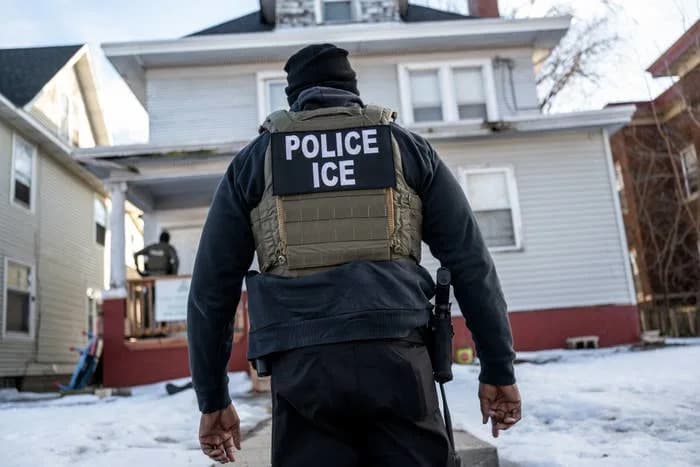
U.S. Immigration and Customs Enforcement (ICE) practices are not merely policy failures; they are large-scale, state-inflicted traumas affecting children’s development, relationships, and future mental health. As co-chair and clinical supervisor of two mental health clinics on Chicago’s northwest side, I see how the threat changes behavior and access to care. When enforcement activity is nearby, our waiting rooms empty out: the children who most need help cannot safely leave home. Silence here is not recovery—it is fear.
“When ICE is near, our therapy rooms are alarmingly empty. The children who need care cannot safely leave their homes without risking further harm to their families.”
Why This Damage Lasts
Trauma is shaped as much by what happens afterward as by the initial event: whether the world still feels predictable, whether caregivers remain present, and whether trust can be rebuilt. Decades of research show that abrupt separation from caregivers produces profound, long-lasting harm. Anna Freud and colleagues observed during and after World War II that separation from caregivers often produced deeper trauma than exposure to bombing itself. Yet family separation has been a central element of recent enforcement strategies.
When parents are detained, threatened, or disappear, children internalize that violence. Even those whose families are intact absorb a persistent terror: news images and community stories become credible threats to their own safety. That fear can manifest as anxiety, learning difficulties, withdrawal, acting older than their age, or somatic complaints—symptoms that may be misread or untreated.
Repair Is Possible—But Requires Resources
Healing from complex, ongoing trauma is slow and relational. It requires sustained, trauma-informed mental health care delivered by clinicians trained to work with children and families—and it must include outreach that reaches families who cannot safely leave their homes. Our clinics try to provide that care, and many staff members show extraordinary courage: they translate fear into language children can use to reconnect with others and themselves. Still, systemic obstacles remain—underfunded services, overreliance on medication, and the criminalization of mental illness.
The consequences of failing to respond will unfold over years, not news cycles. Without intentional legislative planning, philanthropic investment, and community pressure for sustained services, we will produce trauma faster than our systems can heal it. Policies that erode childhood well-being—cuts to food assistance, under-resourced schools, and fragmented mental-health services—compound this harm.
Call to Action
What is happening in Chicago, Minneapolis, Charlotte, Los Angeles, and other cities is an assault on essential family bonds. Addressing it requires immediate and coordinated action: fund trauma-informed care that reaches homes, strengthen social supports that preserve family stability, and reform enforcement practices that rely on separation and fear. The choices we make now will determine whether a generation of children carries this damage forward or has a chance to heal.
Help us improve.