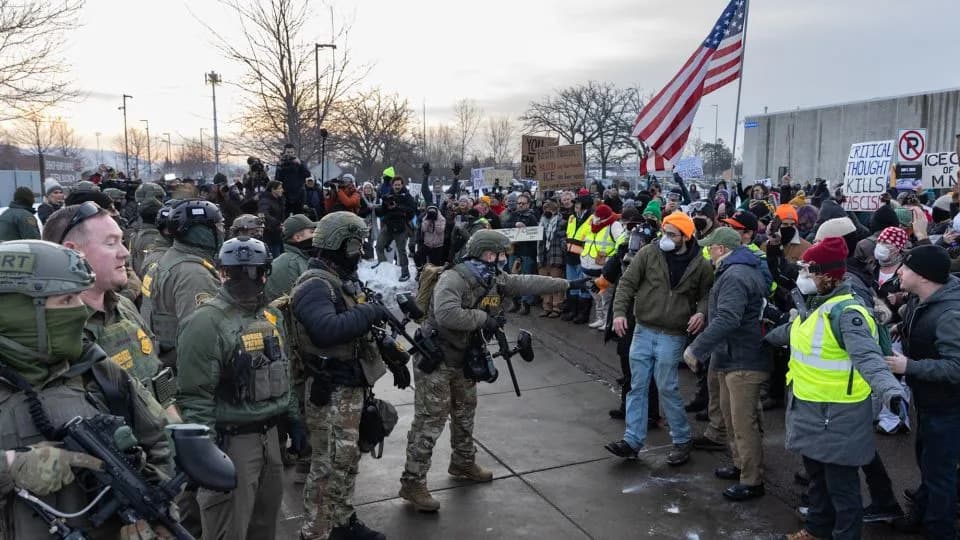
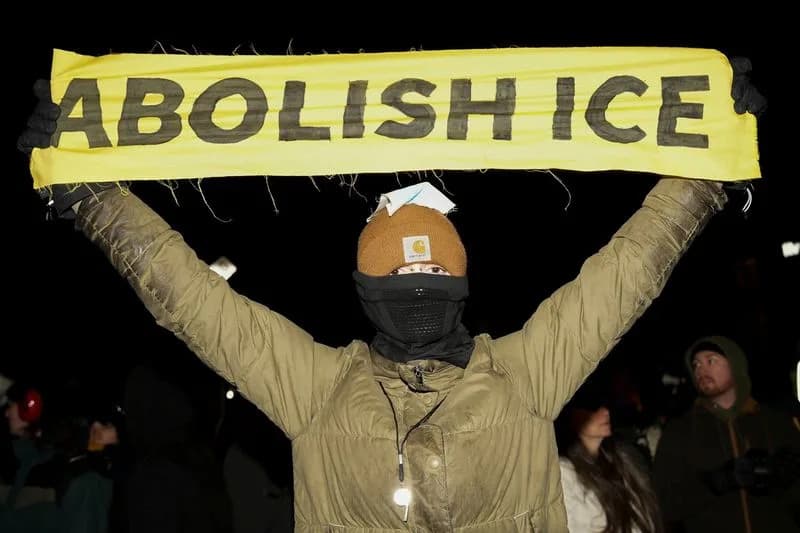
Relatives of people who say they worked for ICE describe how that employment has fractured family relationships and personal reputations. Accounts include exclusion from holidays, showing body-cam footage at gatherings, and demeaning rhetoric about immigrants. Some workers later expressed doubt or quit early; others joined for bonuses or career benefits. Together, the stories show how immigration enforcement can produce deep, long-lasting family and moral consequences.
“It Breaks My Heart”: Families Describe How Loved Ones' Work For ICE Splits Homes And Lives
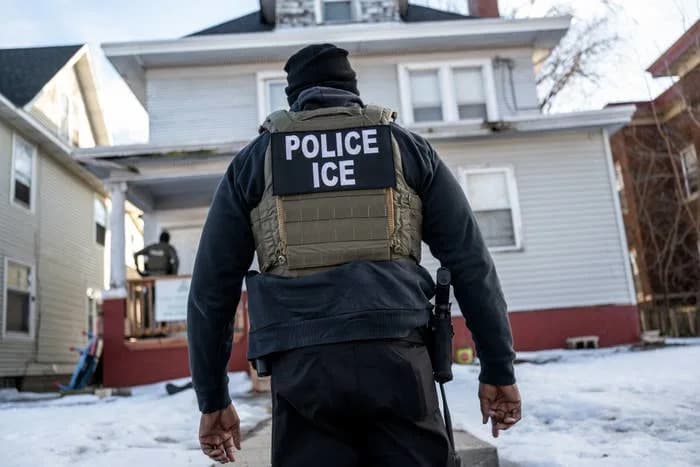
Bloomberg / Getty Images
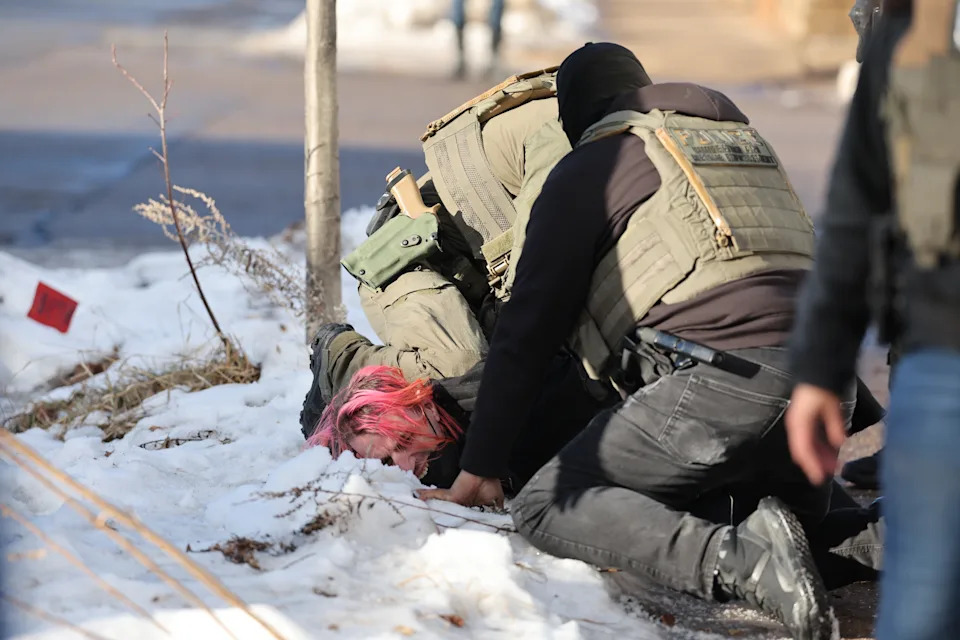
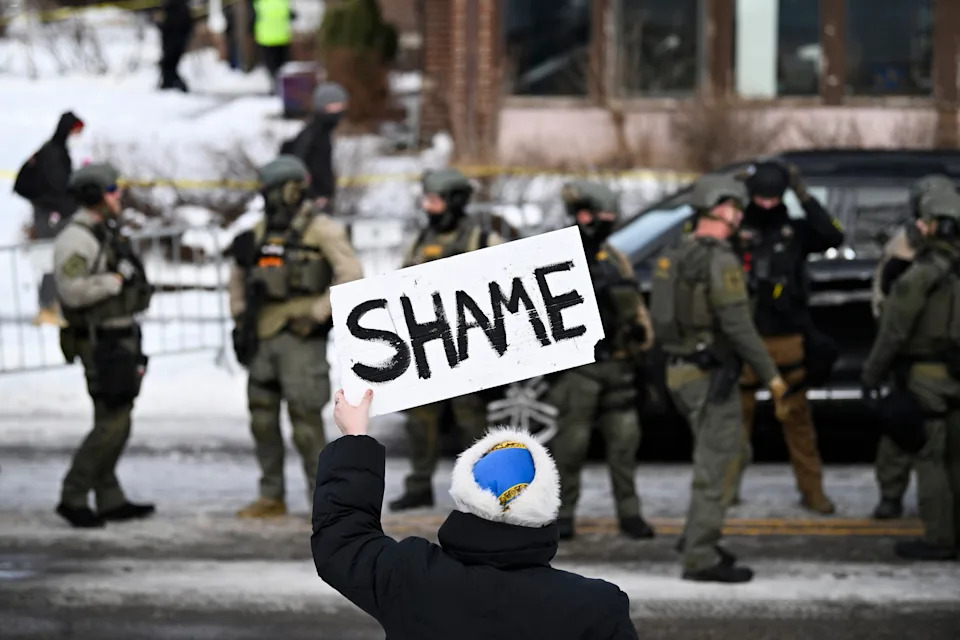
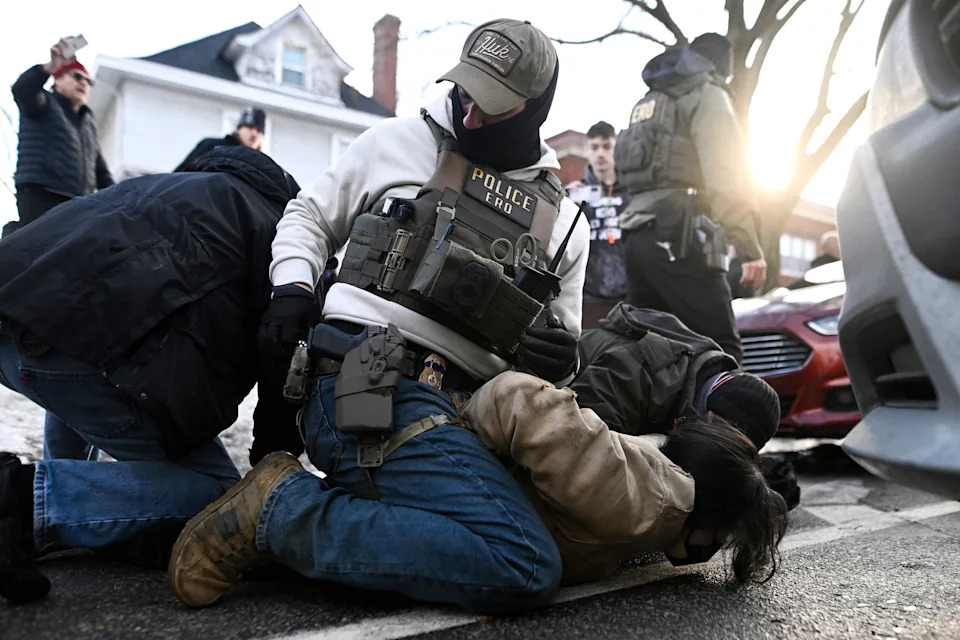
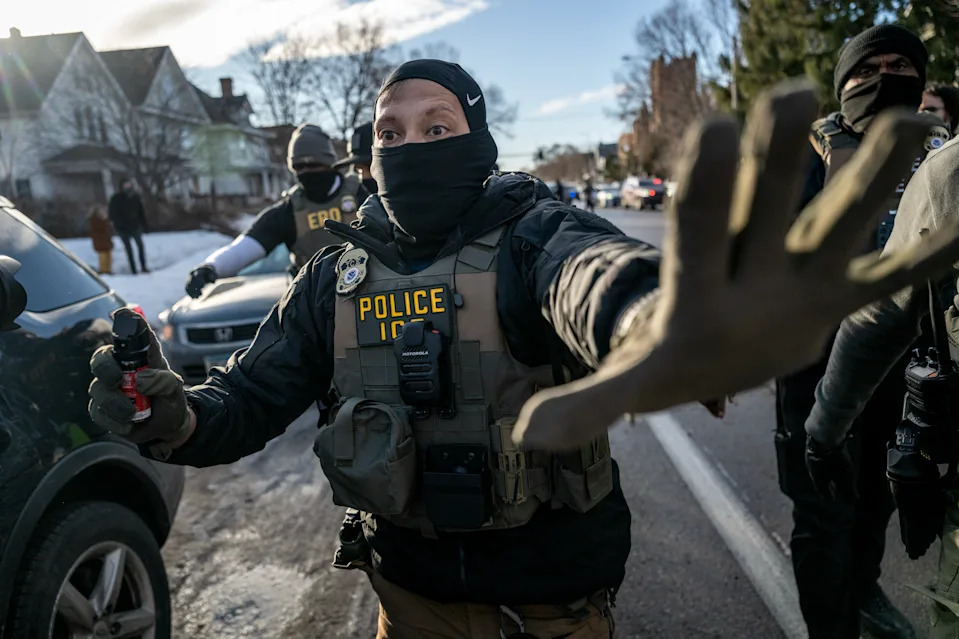
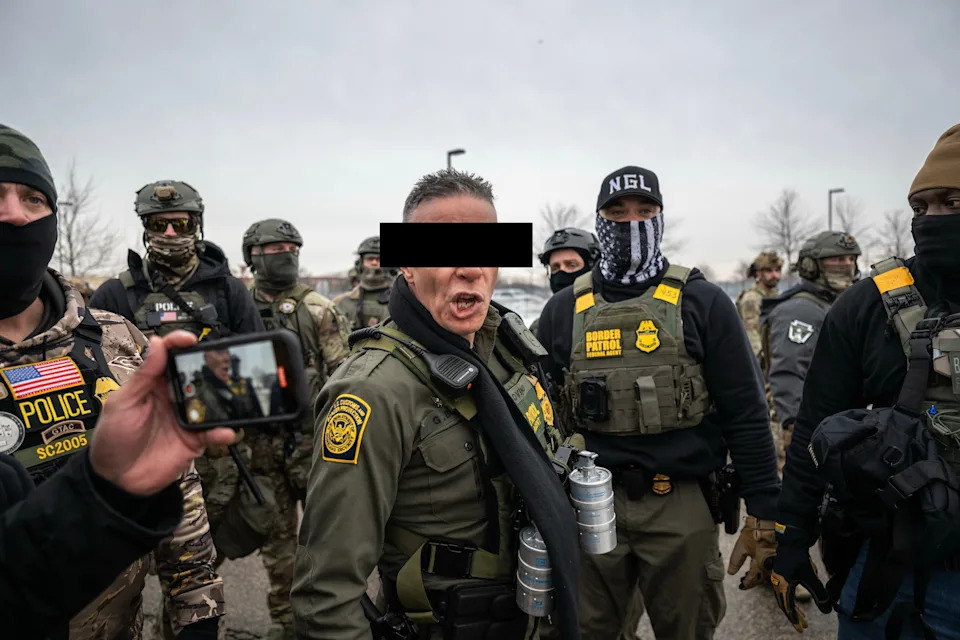
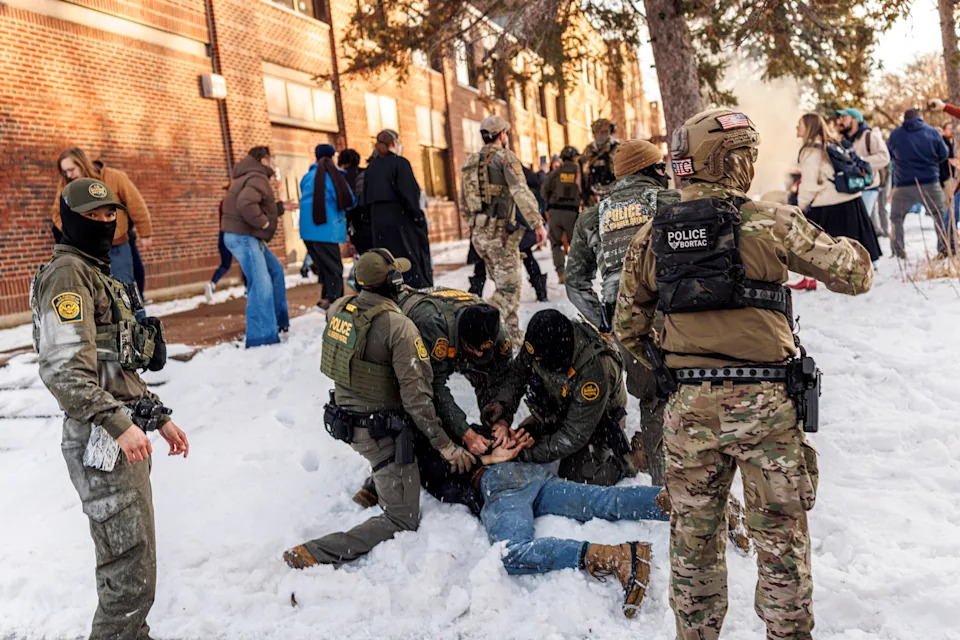
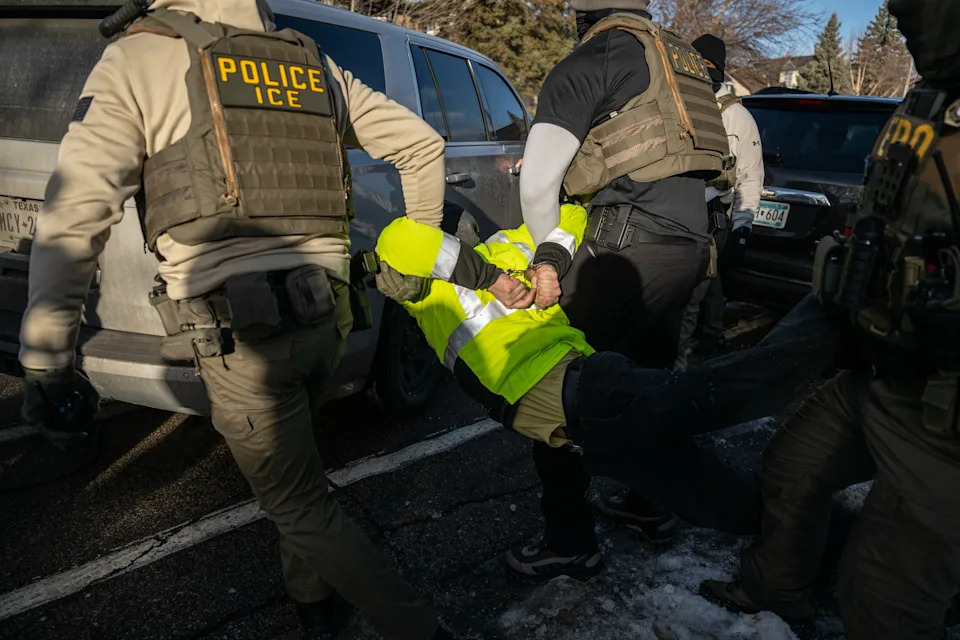
Family members and acquaintances of people who say they worked for U.S. Immigration and Customs Enforcement (ICE) share wrenching firsthand accounts of estrangement, shame, pride and moral doubt tied to immigration enforcement work. Their stories — ranging from exclusion at holiday gatherings to uncomfortable displays of body-cam footage and questions about conscience and responsibility — reveal the deeply personal consequences of a contentious public policy.
Voices From Families
“J was excluded from Thanksgiving and our family Christmas. When he saw photos on Instagram he begged to be allowed back. Nobody replied except my aunt, who shared screenshots of things he’d written. He quit last week because he feared getting hurt and now wonders if leaving will repair the damage. He doesn’t seem to understand that the harm is already done. I feel bad, but he’s been such a jerk that sympathy is hard.”
— EssenceofLlama81
“He tells relatives that all immigrants are rapists, murderers and drug dealers and claims he is doing God’s work. He refuses to accept that Jesus taught us to love our neighbor — which includes immigrants.”
— strikerhawk
“A few years ago I visited his house and he had a slideshow of selfies on his TV showing people he’d apprehended at the border: him smiling in uniform while those behind him looked disheveled, with their arms bound. Even my mom yelled for him to turn it off.”
— moonmop
“He retired early and gave up a full pension. Last Thanksgiving, after a few drinks, he admitted he wasn’t sure if he’d done more harm than good. The hardest part, he said, was realizing that ‘just following orders’ doesn’t remove responsibility for outcomes.”
— Firm-Struggle8183
Patterns And Context
Across these accounts several recurring themes appear: families who expected pride similar to military service but instead responded with exclusion; employees who displayed detainees’ images or body-cam footage at social events, causing discomfort and anger; and recriminations over hiring practices, incentives and lowered standards during recruitment drives. Some relatives describe ideological zeal, others describe workers who joined for financial reasons or to keep their heads down until retirement.
Not all stories are identical. A few respondents noted that certain roles focused on drug interdiction, particularly fentanyl, rather than immigrant apprehension. Others described workers who later felt regret or ethical conflict and left early — sometimes sacrificing retirement benefits — because they could no longer reconcile their actions with their conscience.
These personal reports, edited for clarity, illuminate how public policy and enforcement can fracture private relationships: what happens at the border and in federal agencies often reverberates at kitchen tables, holiday dinners and family group chats.
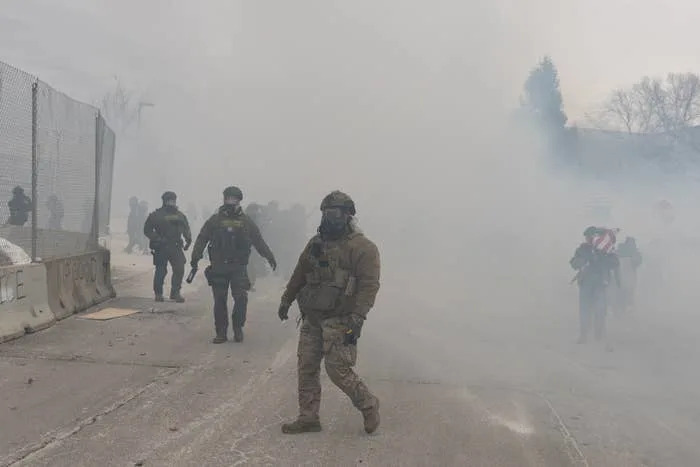
Anadolu / Getty Images
Star Tribune Via Getty Images / Getty Images

Stephen Maturen / Getty Images
Stephen Maturen / Getty Images
Stephen Maturen / Getty Images
Bloomberg / Getty Images
Bloomberg / Getty Images
Kerem Yucel / Getty Images
Bloomberg / Getty Images
Help us improve.