SpaceX launched two Starlink batches from opposite U.S. coasts on Jan. 29–30, deploying 25 satellites from Vandenberg and 29 from Cape Canaveral. Boosters B1082 and B1095 successfully landed on the droneships Of Course I Still Love You and Just Read the Instructions, respectively. The missions pushed the Starlink constellation past 9,600 satellites and marked SpaceX’s 13th mission of the year and the 596th Falcon 9 launch since 2010.
SpaceX Launches Back-to-Back Starlink Missions From Both U.S. Coasts
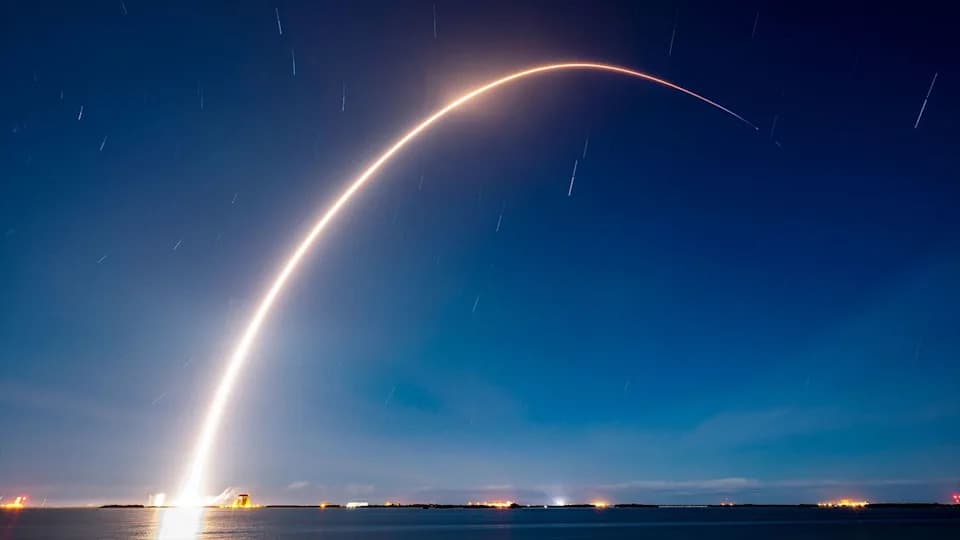
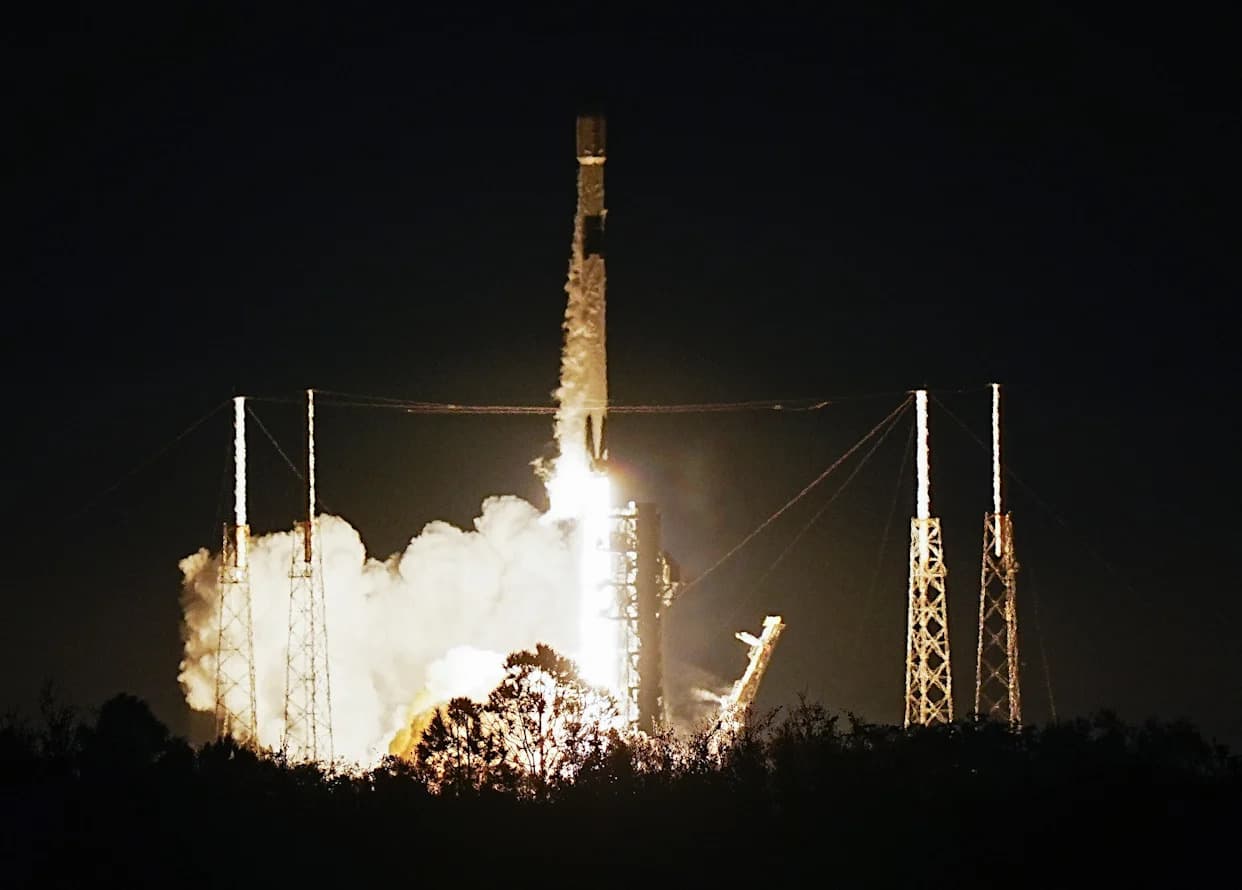
A SpaceX Falcon 9 rocket carrying 29 Starlink satellites lifted off from Cape Canaveral Space Force Station in Florida on Jan. 30, 2026. | Credit: SpaceX
SpaceX conducted consecutive Starlink launches from its West and East Coast sites, continuing the company's rapid cadence of deploying broadband satellites into low Earth orbit.
Dual Coastal Launches
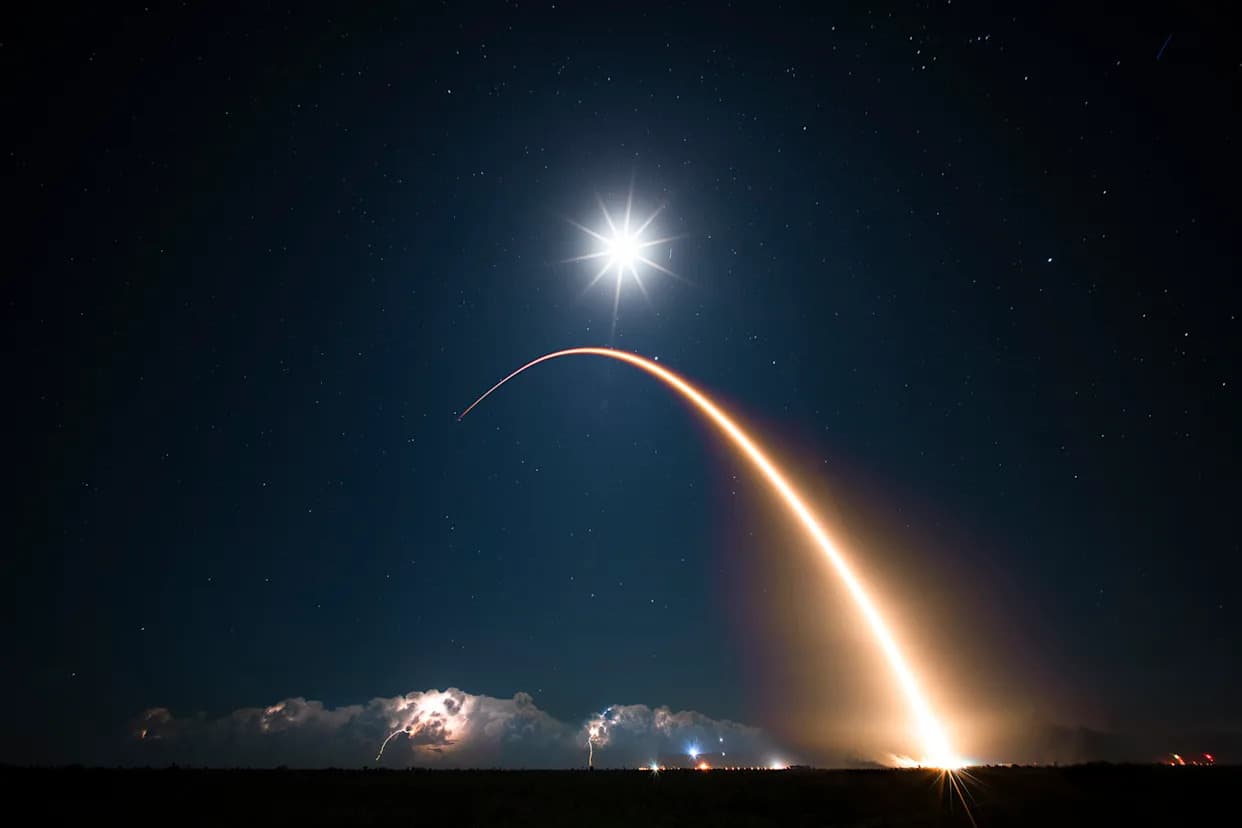
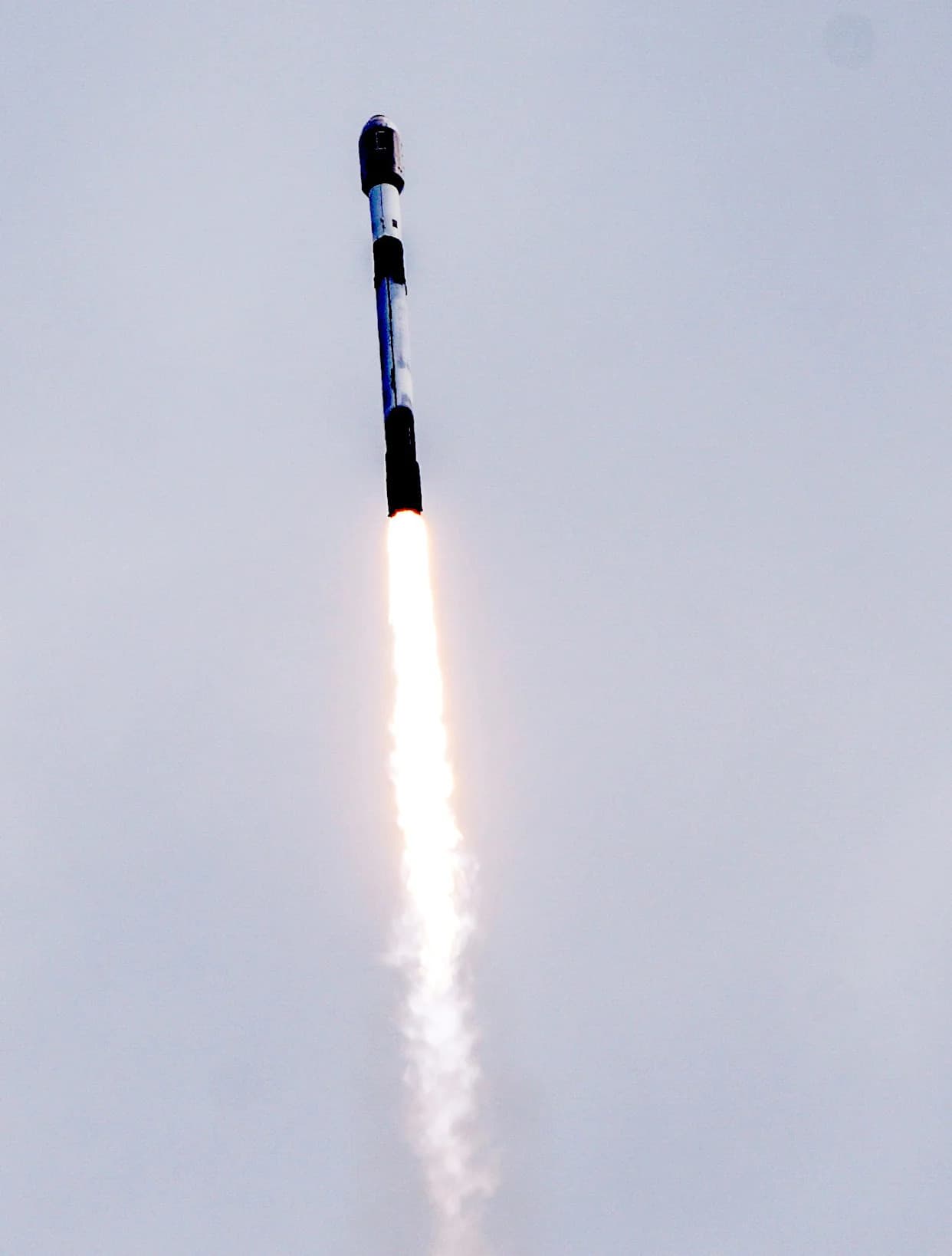
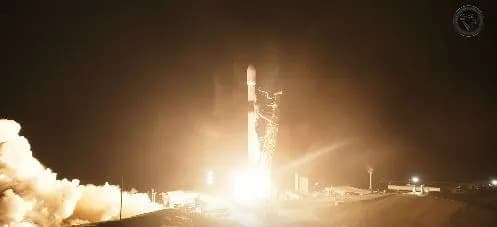
On Thursday, Jan. 29, a Falcon 9 lifted off from Space Launch Complex 4E at Vandenberg Space Force Base in California at 12:53 p.m. EDT (1753 GMT / 9:53 a.m. PDT). The mission successfully deployed 25 Starlink satellites (Groups 17–19) into low Earth orbit.
Less than 24 hours later, on Friday, Jan. 30, another Falcon 9 launched from Space Launch Complex 40 at Cape Canaveral Space Force Station in Florida at 2:22 a.m. EDT (0722 GMT), carrying 29 additional Starlink satellites (Group 6–101) for the growing broadband constellation.
Booster Highlights
Booster B1082 completed its 19th flight and returned to the droneship Of Course I Still Love You in the Pacific Ocean. The booster has become a frequent flier in SpaceX’s reusable fleet.
Booster B1095 marked its fifth mission and touched down on the droneship Just Read the Instructions in the Atlantic Ocean after the Cape Canaveral launch.
What This Means For Starlink
The Starlink network provides broadband internet to areas with limited or unreliable service and supports services such as in‑flight Wi‑Fi for certain airlines and direct cell‑to‑satellite calls and texting for select carriers.
According to spaceflight tracker Jonathan McDowell, these two launches pushed the Starlink constellation past the 9,600-satellite mark. Friday’s flight was SpaceX's 13th mission of the year and the 596th Falcon 9 launch since 2010—underscoring the company’s high launch tempo and reuse strategy.
Why It Matters: Frequent, dual-coast launches allow SpaceX to replenish and expand its global broadband coverage more quickly while demonstrating the reliability of Falcon 9 reusability and ship-based recovery operations.
Help us improve.