Roadkill is a widespread but overlooked scientific resource. An RMIT-led review of 312 studies from 67 countries found at least 650 species and about 117 distinct research applications for roadside carcasses. Scientists use roadkill to map distributions, monitor disease and pollution, study diets, track invasives and support museum collections. While useful for reducing live capture, carcasses require careful biosafety and ethical handling.
From Roadside Tragedy to Scientific Treasure: How Roadkill Fuels Research
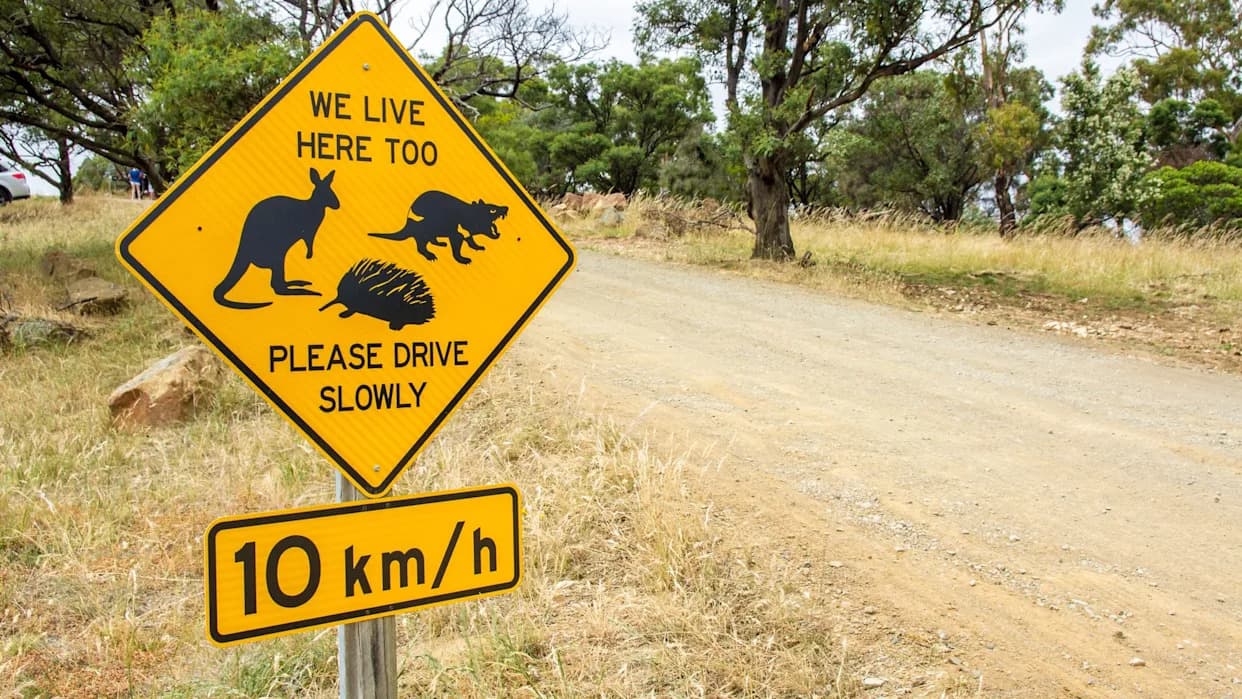
Millions of animals are killed by cars around the world every year, but there are sustainable ways to make the most of the unfortunate deaths.
Roadkill is grim but unavoidable in motorized societies. The roadside toll is staggering — researchers estimate 2–8 million birds and mammals are killed annually on Brazilian roads, and Europe may see as many as 194 million roadkill deaths each year. Beyond sensational headlines about people who eat roadkill, scientists are finding the carcasses themselves to be a valuable, underused resource.
RMIT Review: Scope and Key Findings
A team led by Christa Beckmann at the Royal Melbourne Institute of Technology (RMIT) analyzed 312 peer-reviewed studies from 67 countries, with results published in the journal Biology Letters. The review documented at least 650 species (predominantly mammals, then reptiles, birds, amphibians and invertebrates) and identified roughly 117 distinct scientific use cases for roadside carcasses.
Because the animals are already dead, researchers can often avoid live capture and handling, aligning perfectly with global animal-ethics principles that encourage replacing invasive methods wherever possible.
How Scientists Use Roadkill
Roadside remains have been used across many fields. Examples documented in the review include:
- Mapping species distributions and detecting previously unknown local populations
- Monitoring pathogens, parasites and environmental pollutants
- Studying diet, body condition and life-history traits
- Tracking invasive species and shifts in ranges
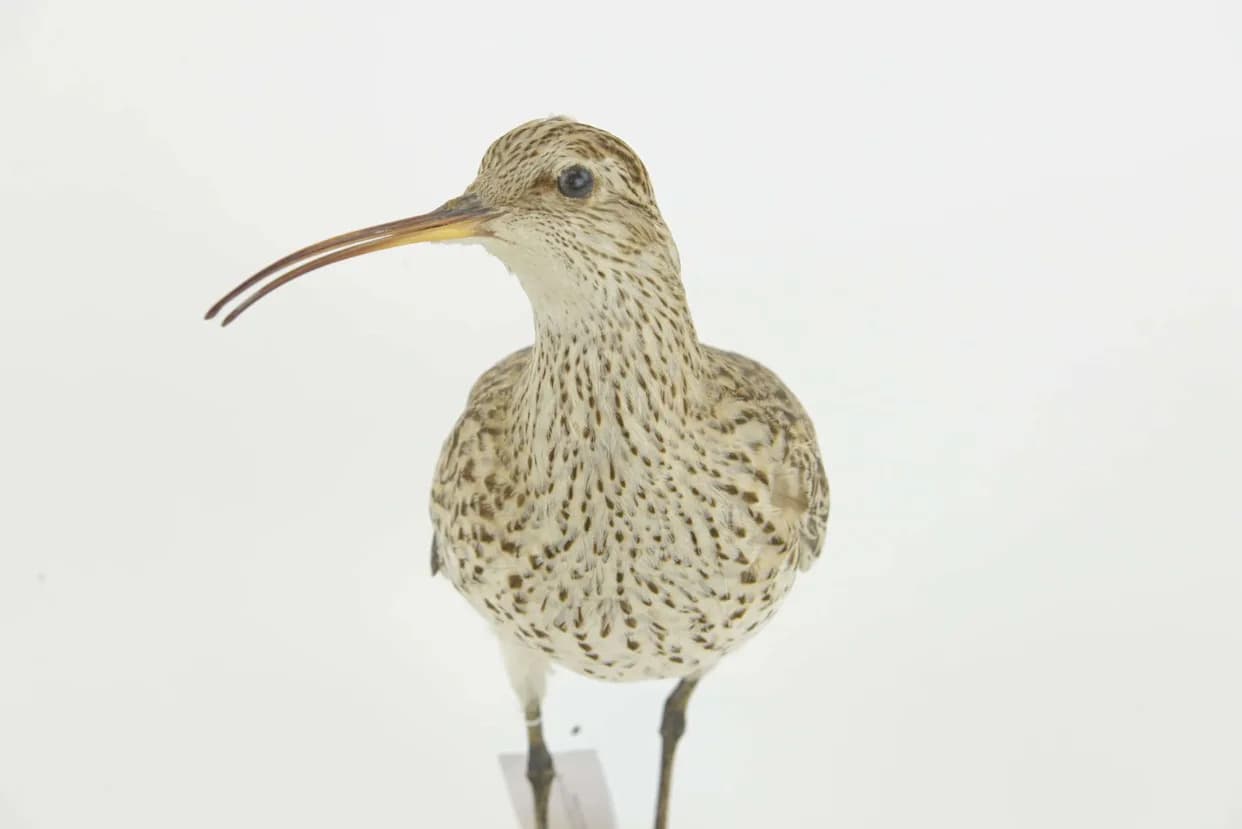
- Supplying specimens to museum collections and supporting taxonomic research, including discoveries of species new to science
Benefits, Limitations and Safety
Using roadkill can reduce the need for live capture, helping researchers follow animal-welfare and ethical guidelines. However, carcasses are not suitable for every study: decomposition, scavenging, and environmental contamination can limit certain analyses. There are also biosafety and legal considerations around handling, transport and storage of dead animals.
Conclusion: While always a tragic loss, roadkill represents an underexploited, sustainable source of biological data. When collected and handled with proper safety and ethical protocols, roadside carcasses can advance conservation, disease surveillance and biodiversity science rather than simply decomposing by the roadside.
Help us improve.