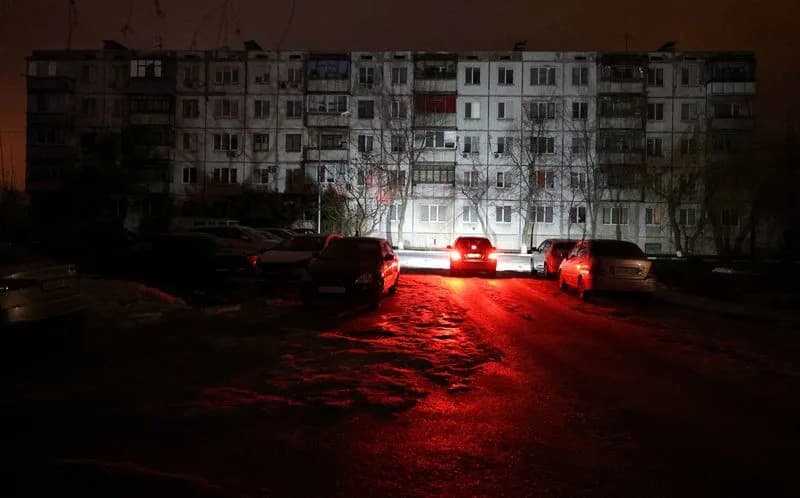
Russian strikes on Ukraine's energy network have left roughly half of Kyiv without power, forcing schools to remain closed through February and exposing families to dangerous cold. Temporary Red Cross "invincibility points" provide heat, charging and Wi‑Fi for thousands of children, but officials warn these are not long-term solutions. Kyiv reports about 3,000 residential buildings without heating, and responsibility for reopening schools is contested between the mayor and central government.
Half of Kyiv Left in the Cold: Schools Closed After Russian Strikes Knock Out Power
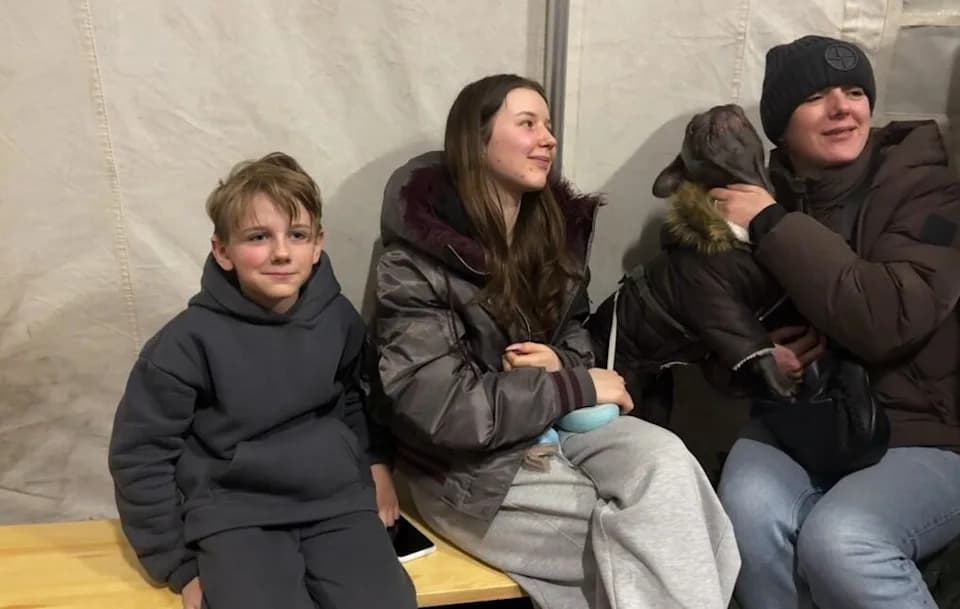
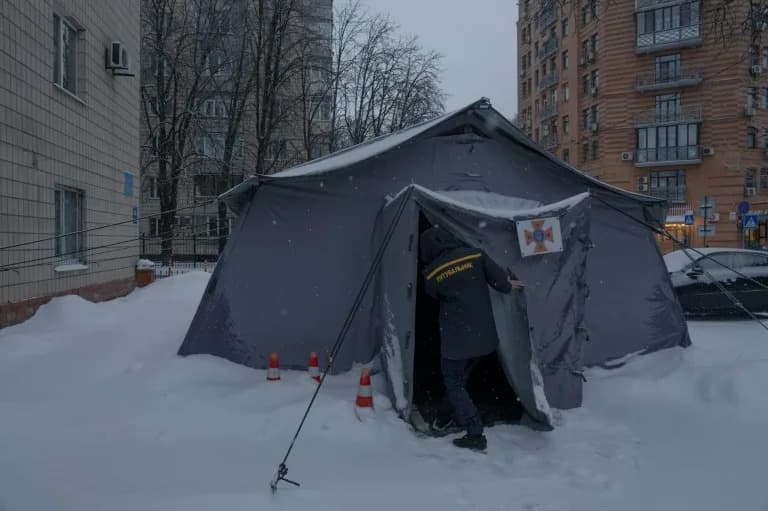
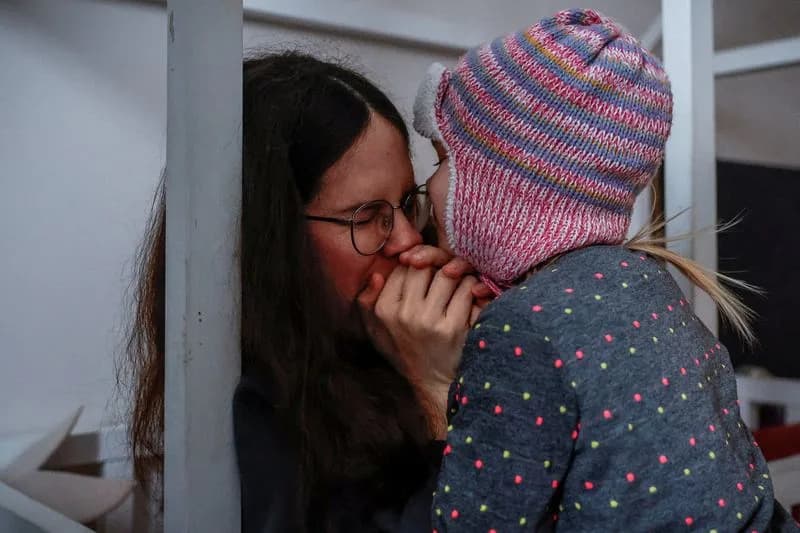
Mariana Kiriluk sits with her teenage daughter Yana and her son Zahar, 10, in a shelter set up by the Red Cross outside their apartment building in Kyiv, Ukraine, amid ongoing power outages caused by Russian airstrikes, Jan. 22, 2026. / Credit: Aidan Stretch/CBS News(Aidan Stretch/CBS News)
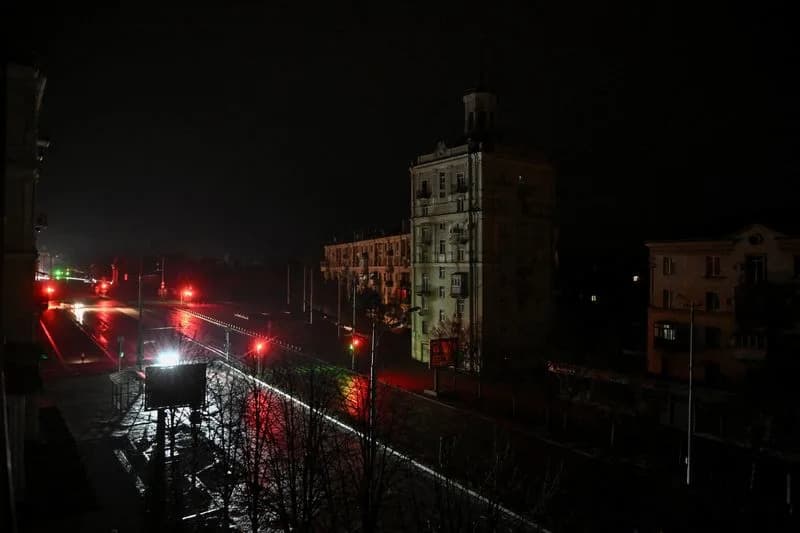
On a bitterly cold Wednesday in Kyiv's Heroiv Dnipra neighborhood, podiatrist Mariana Kiriluk faced an agonizing choice about her 10-year-old son, Zahar: take him to work, leave him alone at home or seek shelter in a nearby aid tent. City officials ordered schools closed through February after recent Russian strikes knocked out power to roughly half of Kyiv.
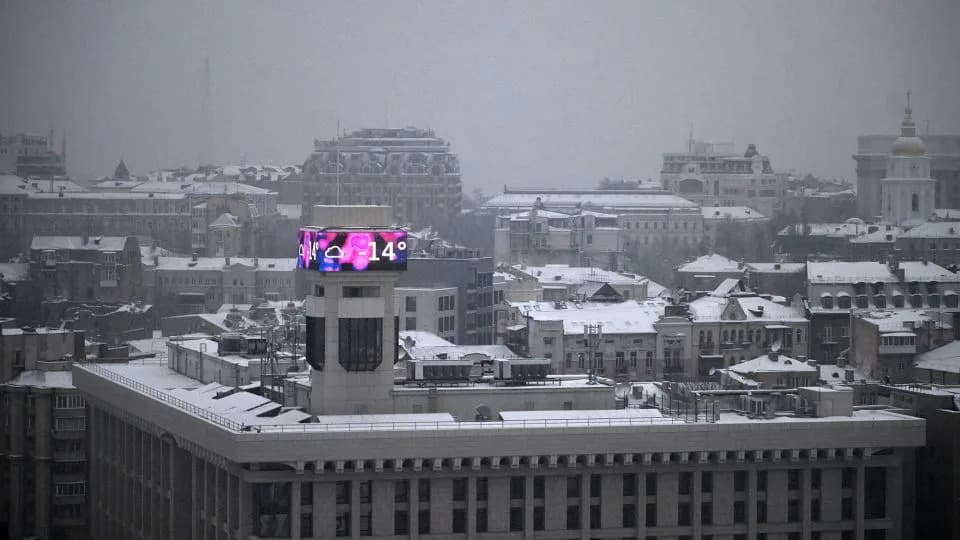
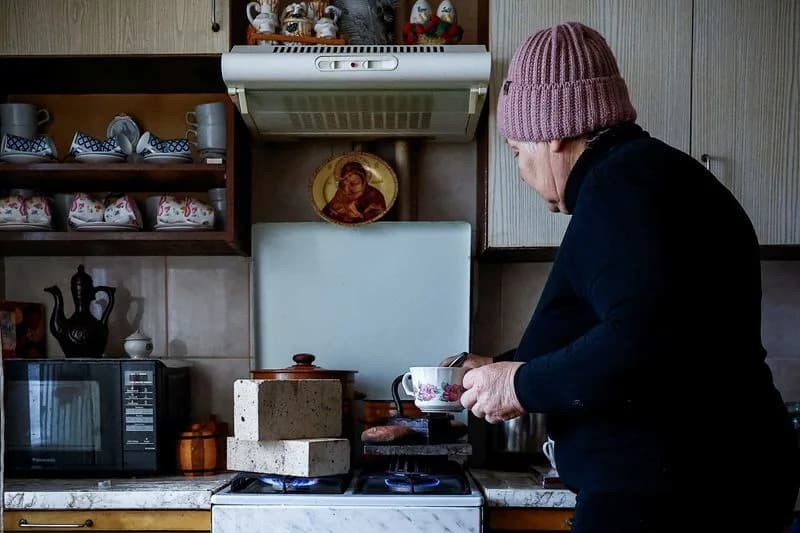
For thousands of households, the outages mean freezing indoor temperatures: thermometers have dipped below five degrees Fahrenheit in some areas, leaving families without reliable heating, hot water or electricity.
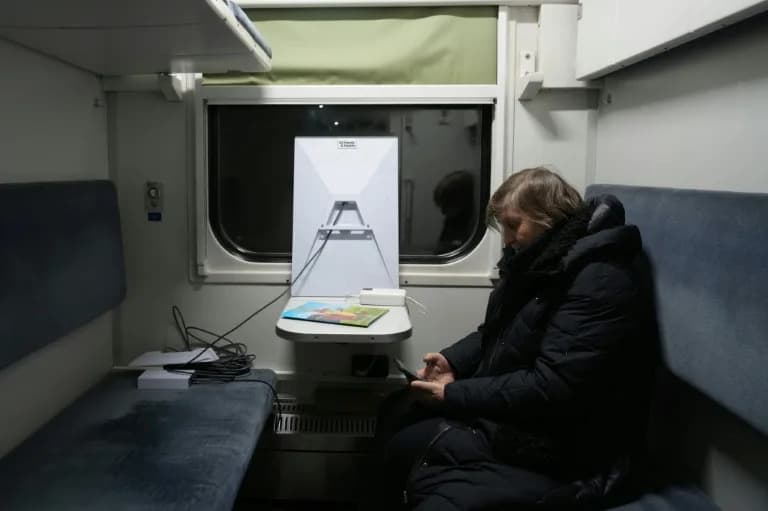
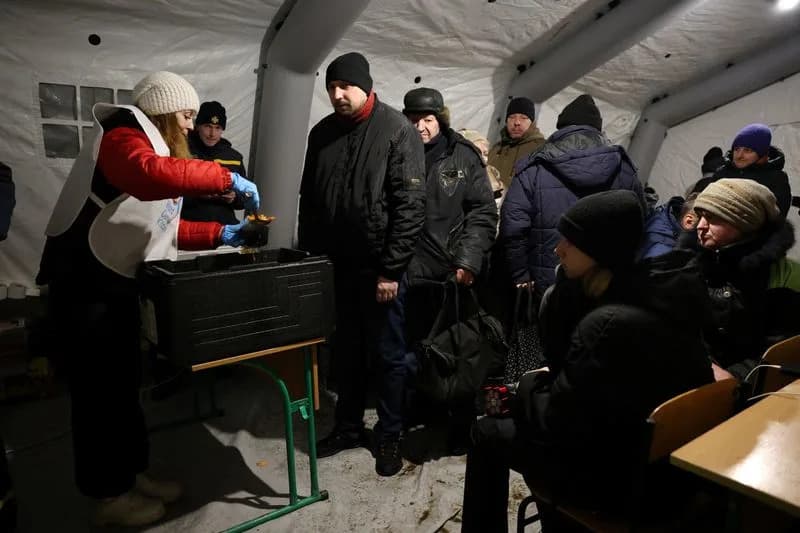
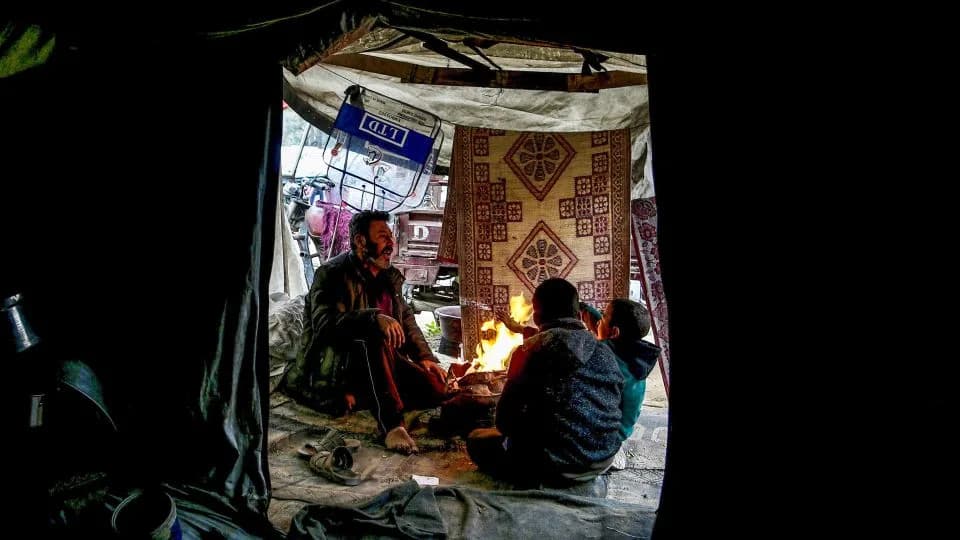
"Sometimes I take him to work with me. Sometimes I have to leave him at home alone. It's very hard: there's no power, there's no heat," Kiriluk told reporters. This week Zahar spent most days in a tent the Ukrainian Red Cross set up outside the family's apartment block — one of about 1,300 so-called "invincibility points" offering heaters, phone charging and Wi‑Fi. Kiriluk says the tents are lifesaving but not a long-term solution.
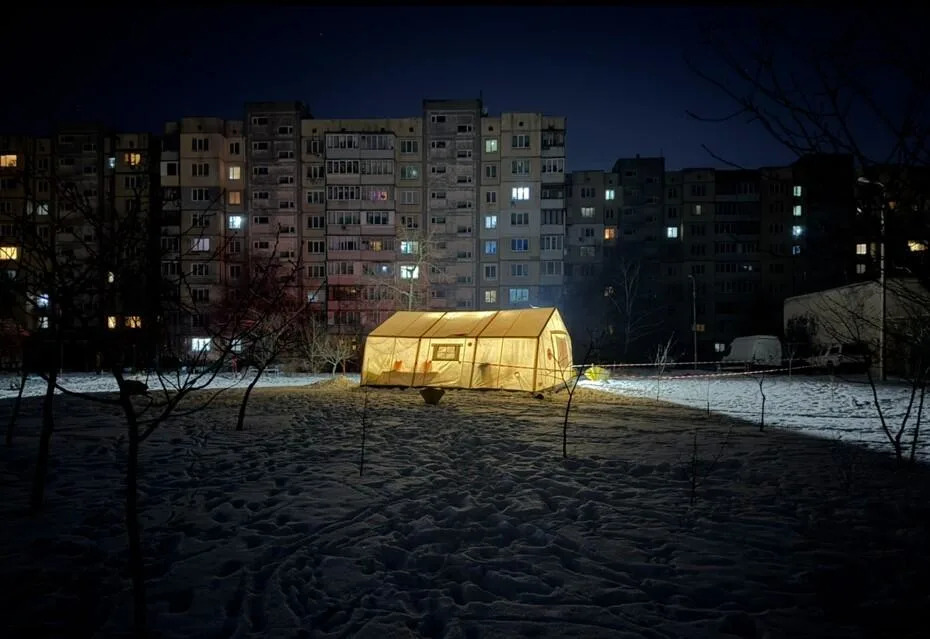
An
Getting Children Back to School
Children in Ukraine have borne a disproportionate share of the war's disruptions since Russia's full-scale invasion in February 2022. By October 2025, officials reported roughly 3,500 damaged educational institutions and more than 700,000 displaced children nationwide. Government agencies and charities have prioritized resuming in-person classes to restore routine, social support and learning.
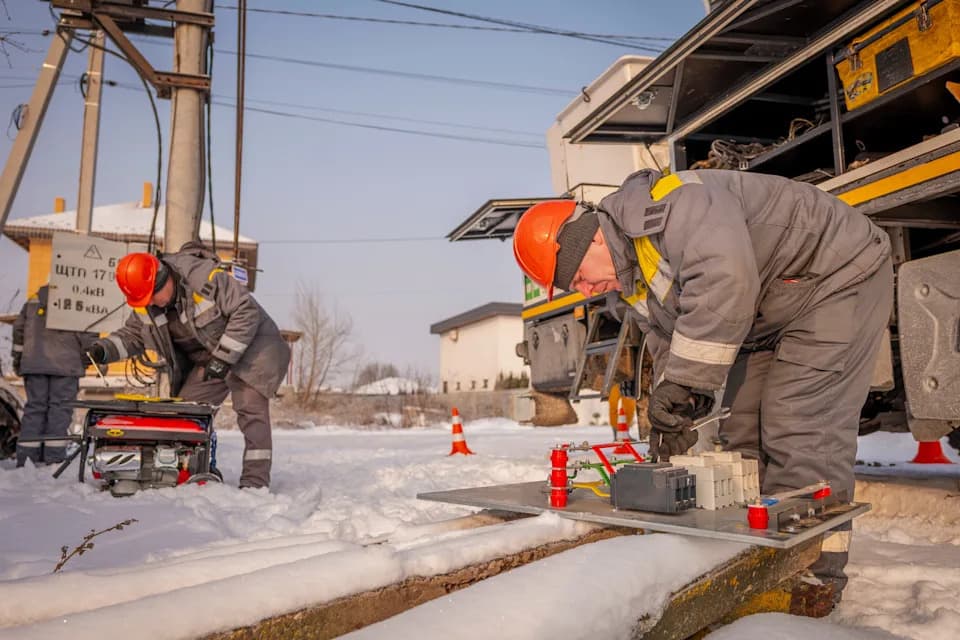
In Kyiv, however, restarting face-to-face education depends on reliable power and heating. City authorities say generators and emergency measures were put in place over the past years to keep schools operational, but intensified strikes since January 9 have repeatedly outpaced those preparations.
Longer Blackouts Test Capacity
In 2025, Russia carried out 612 strikes on Ukraine's energy infrastructure, and Kyiv experienced more than 100 days with power outages, according to the Kyiv City State Administration. In the latest wave of attacks, Mayor Vitali Klitschko reported that roughly 3,000 residential buildings remained without heating, prompting officials to extend the Christmas and New Year break into February.
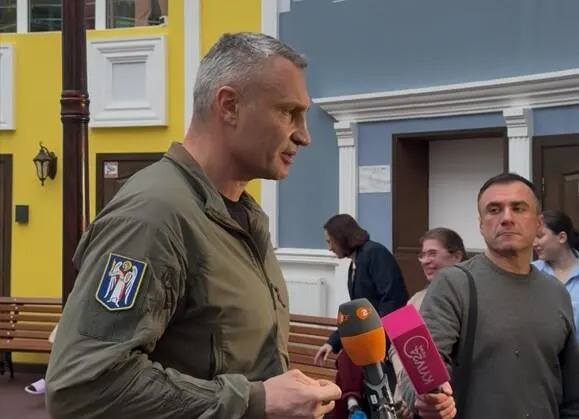
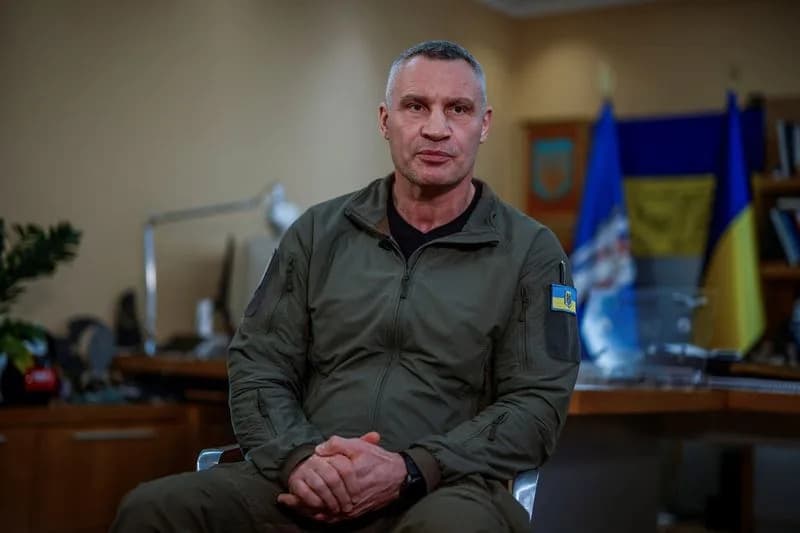
Kyiv Mayor Vitali Klitschko speaks with journalists during a tour of the Rehabilitation Center for Children with Disabilities in the Ukrainian capital, to show how the facility operates during electricity and heating outages caused by ongoing Russian airstrikes, Jan. 22, 2026. / Credit: CBS News/Aidan Stretch
"Kyiv is not ready for days without electricity," said Jamie Wah, Deputy Head of Delegation in Kyiv for the International Federation of Red Cross and Red Crescent Societies, noting that aid groups have begun using resources set aside for other emergencies to keep schools and hospitals functioning.
Families Caught Between City And State
Complicating recovery efforts, authority in Kyiv is split between the mayor's office and a military administrator appointed by the central government, leaving questions about who can authorize reopening schools and public facilities. President Volodymyr Zelenskyy urged faster action, saying "far too little has been done in the capital." Mayor Klitschko responded that decisions about reopening schools rest with the central government.
For many parents, the dispute is a practical hardship: with family members serving on the front lines and no childcare available, parents must juggle work, safety and basic needs. Aid tents, local charities and municipal efforts have helped thousands of children return to classrooms in recent months, but officials and humanitarian groups warn that sustainable solutions require restored power, clear authority and additional support.
Until the situation stabilizes, children like Zahar will likely continue to rely on temporary shelters run by volunteers and humanitarian agencies. The Ukrainian Red Cross has encouraged community support and praised families who document their experiences, saying such stories help keep attention on urgent needs.
Help us improve.