
Since the October 7, 2023 attacks, nearly 2,500 new residents and about 62,000 returnees have moved to kibbutzim near the Gaza border to rebuild communities and assert their right to live there. Volunteers and members of the Hashomer Hatzair youth movement are helping repopulate damaged communities, while many survivors remain traumatized and unwilling to return. Polls show most Israelis want the war to end, but public support for a two‑state solution has declined and the peace movement has weakened. The long‑term security of border residents is tied to both rebuilding efforts and a contentious political future.
Returning to the Frontline: Israelis Rebuild Gaza‑Border Kibbutzim Amid Trauma, Fear and a Shrinking Peace Movement

Adel Rubin (L), who lost both her parents during the 2023 October 7 attacks, reacts as she visits a house that was left heavily damaged in Kibbutz Nir Oz in southern Israel on October 6, 2025, a day before the second anniversary of the attacks. - John Wessels/AFP/Getty Images
After the October 7, 2023 attacks, a wave of new arrivals and returnees has reshaped life along Israel’s border with Gaza. Motivated by survival, solidarity and a desire to rebuild, nearly 2,500 new residents have moved to kibbutzim near the Gaza border while another roughly 62,000 have returned to their homes after long displacement, according to the Tekuma Administration and rehabilitation agencies.
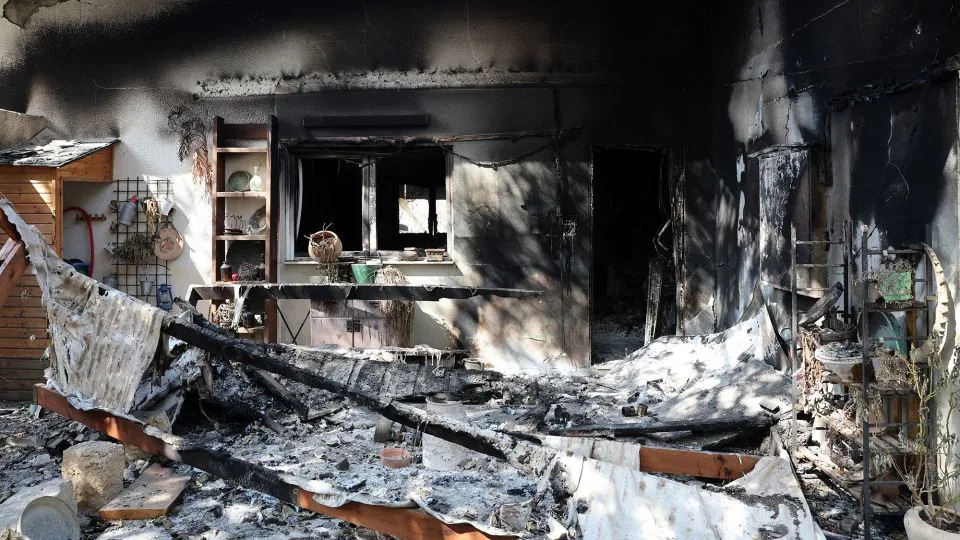
Charred remains of personal belongings lie inside the kibbutz Nir Oz along the border with the Gaza Strip on October 19, 2023, following the October 7 attack by Hamas-led militants. - Jack Guez/AFP/Getty Images
Why People Are Moving Back—or Choosing Not To
Aya Shahar, 29, left the bustle of Tel Aviv to help repopulate and rebuild agricultural communities devastated by the violence. “What happened there made me understand that I have no way of living my life without connecting it to what is going on here,” she told CNN. For some, returning is an act of defiance and community renewal; for others it is impossible because of trauma, loss and fear.
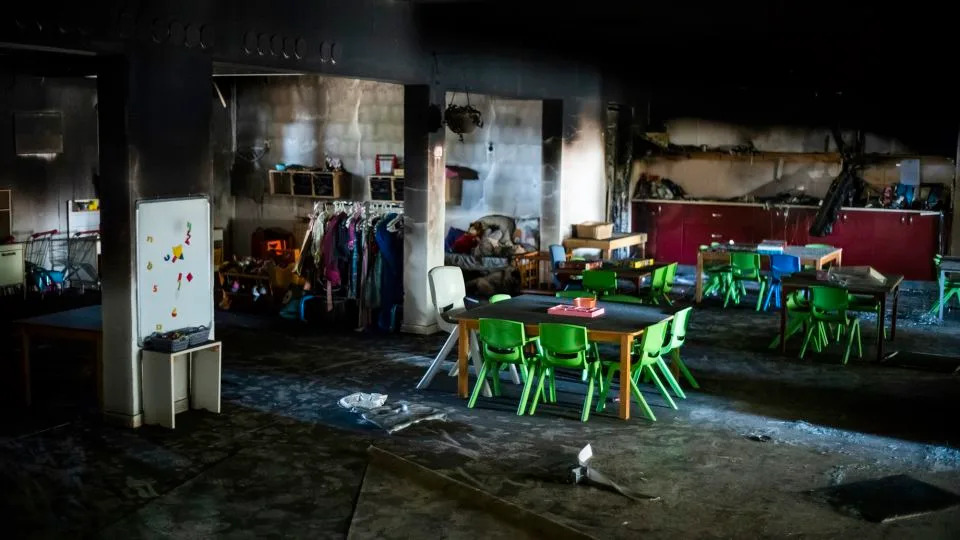
A view of the devastation caused by Hamas-led militants on the kibbutz Nir Oz, southern Israel, on October 19, 2023. - Ilia Yefimovich/picture alliance/Getty Images
Grassroots Renewal: Hashomer Hatzair and Volunteers
Members of the left‑wing youth movement Hashomer Hatzair — supported by the Kibbutz Movement Rehabilitation Fund — have been among those resettling border kibbutzim. About 100 members of the movement have moved to communities near Gaza to help revive communal life and press for coexistence and a political resolution.
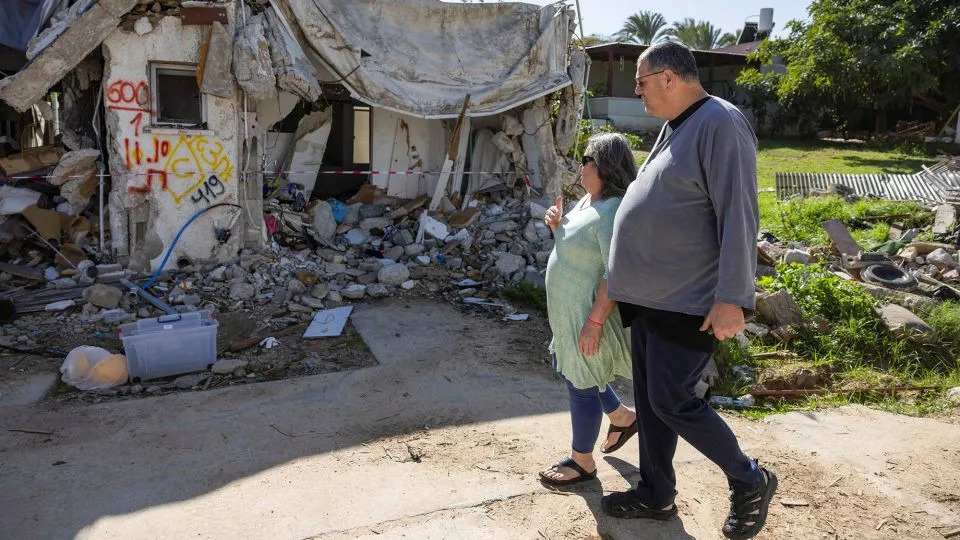
Ayelet Khon and Shar Shnurman walk past the remains of a home that was destroyed following the October 7 attack, in southern Israel, January 13, 2024. - Amir Cohen/Reuters
Public Opinion And Political Context
Public appetite for a negotiated peace has diminished since October 7, though many Israelis say the conflict is harming the country. A March Peace Index from Tel Aviv University found only 20% of Israeli Jews supported creation of an independent Palestinian state alongside Israel, while 92% said the ongoing conflict harms Israel. The same survey reported that 47% would back Israeli civilian settlements in Gaza after the war and 71% supported incentives for voluntary departure of Gaza residents. Separately, an Israel Democracy Institute poll in September found 66% of Israelis said the time had come to end the fighting in Gaza.
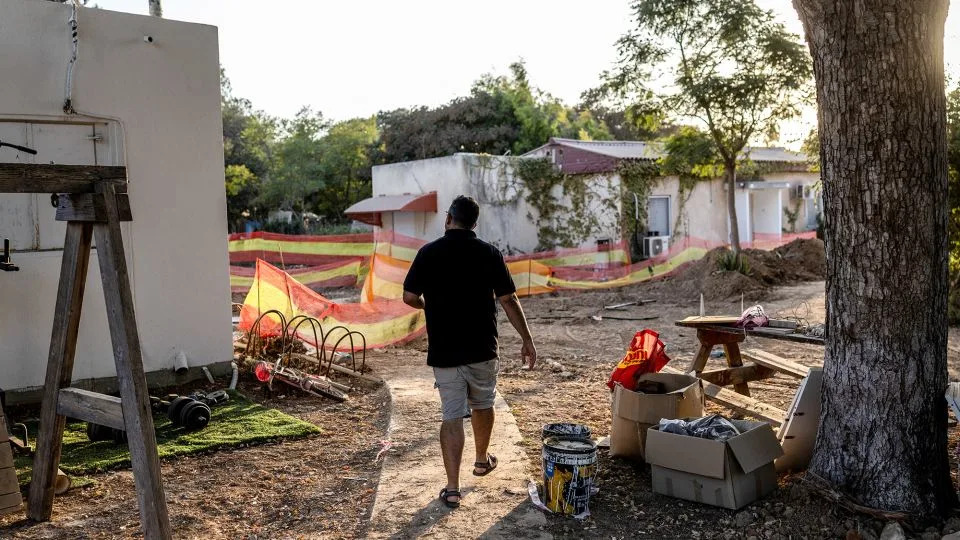
Avishay Edri, 41, walks on a path near the home he is returning to after he was evacuated following the October 7, 2023, attack in Kibbutz Nahal Oz in southern Israel, October 30, 2025. - Ronen Zvulun/Reuters
These attitudes arise amid a right‑leaning government in which hardline politicians have publicly opposed conciliation with Gaza and some have advocated population transfer or Jewish resettlement in the territory.
Survivors, Trauma And The Reality On The Ground
Survivors describe lasting trauma. Yaron Maor, 41, who lived in Kibbutz Nir Oz when militants attacked, recalled hiding with his family and believing they might die. His family was rescued and relocated, but he refuses to return. Nir Oz was among the worst‑hit communities: 93 houses were destroyed and only six escaped damage; of 420 residents, 47 were murdered and 76 were taken hostage, Neri Shotan, CEO of the Kibbutz Movement Rehabilitation Fund, told CNN.
Even those who returned report ongoing fear. Michal Rahav, one of the first to go back to Kibbutz Nirim in March, said that while she feels a duty to live in her home, the ceasefire’s silence sometimes heightens her unease because it removes the sense that the Israel Defense Forces are actively protecting civilians.
What Residents Want
Rebuilders like Shahar say their goal is to create communities where people are not afraid to live. Many who have come to repopulate the border believe long‑term security requires a political solution. “Peace with the Palestinians is the only way residents can feel truly safe,” she said.
Note: Reporting for this article was contributed by CNN’s Eugenia Yosef. Figures cited are from the Tekuma Administration, Tel Aviv University’s Peace Index and the Kibbutz Movement Rehabilitation Fund.


