Prime Minister Anthony Albanese said Australia is committed to returning the Port of Darwin—leased to China's Landbridge for 99 years in 2015—to Australian ownership. Beijing warned it would "take measures to protect" the Chinese firm's interests if a forced sale occurs. The port's strategic sensitivity stems from rotating U.S. marines and expanded northern facilities to host long-range aircraft. Any move to reclaim the port could have legal and diplomatic consequences.
Albanese Vows To Reclaim Darwin Port From Chinese Lease — Beijing Signals Possible Reprisals
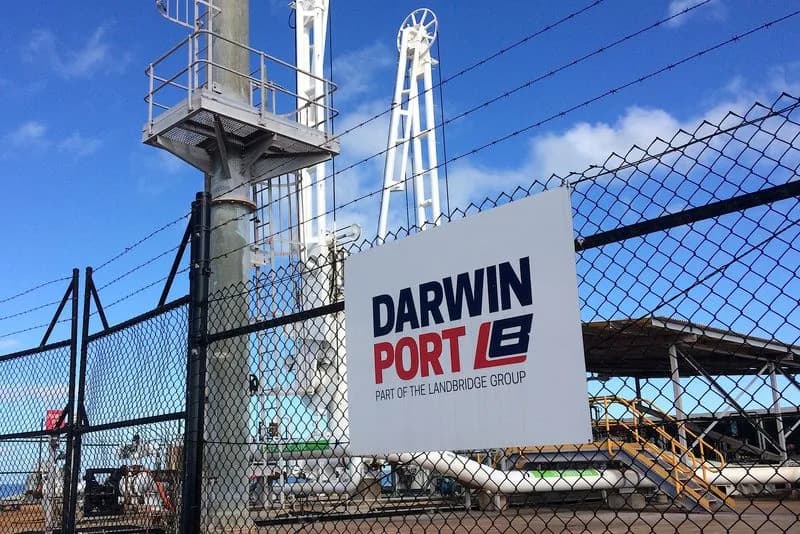
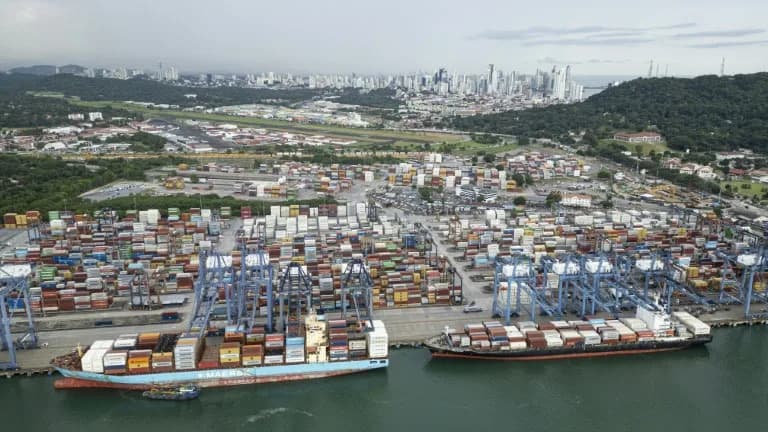
Machinery can be seen sitting at the Port of Darwin, located in the Northern Territory's capital city of Darwin in Australia, April 21, 2017. Picture taken April 21, 2017. REUTERS/Tom Westbrook
Australia's Prime Minister Anthony Albanese said on Wednesday his government remains determined to return the strategically important Port of Darwin to Australian ownership, after the port was leased to a Chinese company in 2015. Beijing's envoy in Canberra warned that China would take steps to protect the interests of the lessee if a forced sale went ahead.
Speaking on an official visit to Dili, East Timor, Albanese reiterated Canberra's position: "We are committed to making sure that that port goes back into Australian hands because that is in our national interest." He said the government had made its intentions clear, without outlining immediate legal steps.
Background
The Northern Territory government sold the Port of Darwin to Chinese company Landbridge in 2015 for A$506 million under a 99-year lease. The deal drew concern from U.S. officials at the time and has gained added strategic sensitivity since the United States began rotating marines through Darwin and Australia and the U.S. expanded northern facilities to host long-range aircraft.
Responses From China and Landbridge
China's ambassador in Canberra, Xiao Qian, told reporters he expected Beijing to "take measures to protect the Chinese company's interests" if Canberra forced a sale. "Should Landbridge be forced to leave that port, I think it might also affect the substantive investment, cooperation and trade between Chinese companies and that part of Australia," he said, according to the Australian Broadcasting Corporation.
"The relevant Chinese enterprise obtained the lease for the Port of Darwin through market means," a Chinese foreign ministry spokesperson, Guo Jiakun, said in Beijing. "Their legitimate rights and interests should be fully protected."
Landbridge Australia did not immediately respond to requests for comment. The company previously said in November that the port was in a strong financial position.
Why It Matters
The dispute underscores a broader policy tension for Canberra: balancing national-security concerns and defence cooperation with the United States against deep economic ties with China. Any effort to repatriate the port would likely involve complex legal, diplomatic and political issues and could affect bilateral investment and trade relations.
(Reporting by Kirsty Needham in Sydney and Liz Lee in Beijing; Editing by Raju Gopalakrishnan)
Help us improve.