Thousands attended "Invasion Day" rallies in Sydney on Australia Day to support Indigenous rights and call for unity, while separate anti-immigration marches attracted hundreds. Indigenous speakers paid tribute to recent shooting victims and raised demands for land repatriation and action on Aboriginal deaths in custody. The events took place amid rising support for populist parties and record immigration levels that have heightened public concern over living costs and housing.
Tensions on Australia Day: 'Invasion Day' Rallies and Anti-Immigration Marches in Sydney
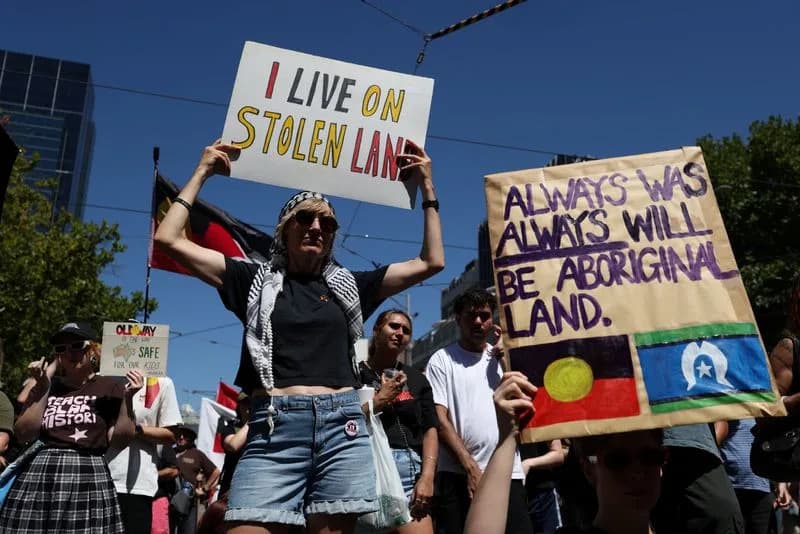
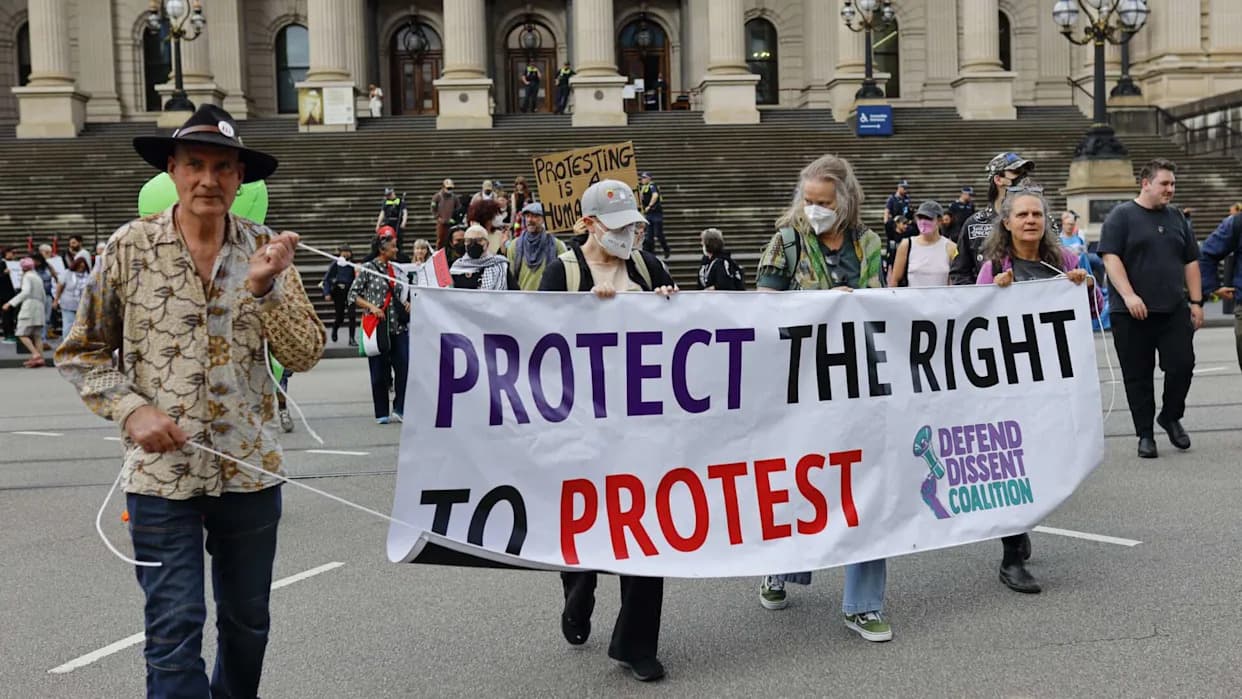
Protestors hold signs as they gather for an "Invasion Day" rally on Australia's national day, Australia Day, in Melbourne, Australia January 26, 2026. REUTERS/Hollie Adams
Thousands gathered in Sydney on Australia Day for annual "Invasion Day" rallies supporting Indigenous rights while separate anti-immigration demonstrations also drew crowds, reflecting deep divisions over the meaning of the national holiday.
Australia Day commemorates the 1788 establishment of New South Wales as a British penal colony. For many Indigenous Australians — who make up roughly 4% of the nation's 27 million people — the date is observed as "Invasion Day," marking the loss of land, culture and lives after European settlement.
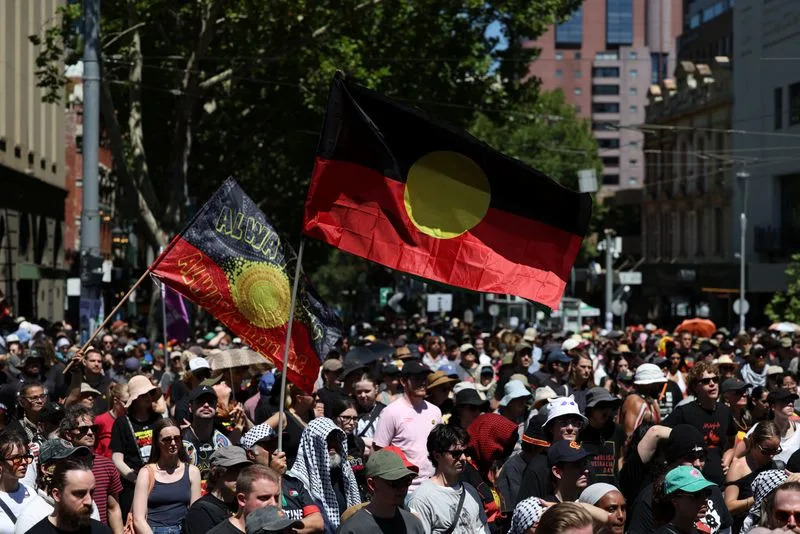
A man holds an Australian Aboriginal flag as protestors gather for an "Invasion Day" rally on Australia's national day, Australia Day, in Melbourne, Australia January 26, 2026. REUTERS/Hollie Adams
At Hyde Park, the "Invasion Day" rally began at 10 a.m. (2300 GMT) with a tribute to victims of a recent rural shooting in New South Wales. Indigenous speakers called for land repatriation, highlighted the persistently high number of Aboriginal deaths in police custody and urged solidarity in the face of rising nationalist sentiment.
Speakers warned against growing political fragmentation on the right and noted the rise in support for Pauline Hanson’s One Nation party. "We need a coalition of all new Australians because if it wasn't for immigrants, Australia would have perished," Aboriginal elder Gwenda Stanley told the crowd, condemning Hanson and calling for ongoing support for Indigenous causes.
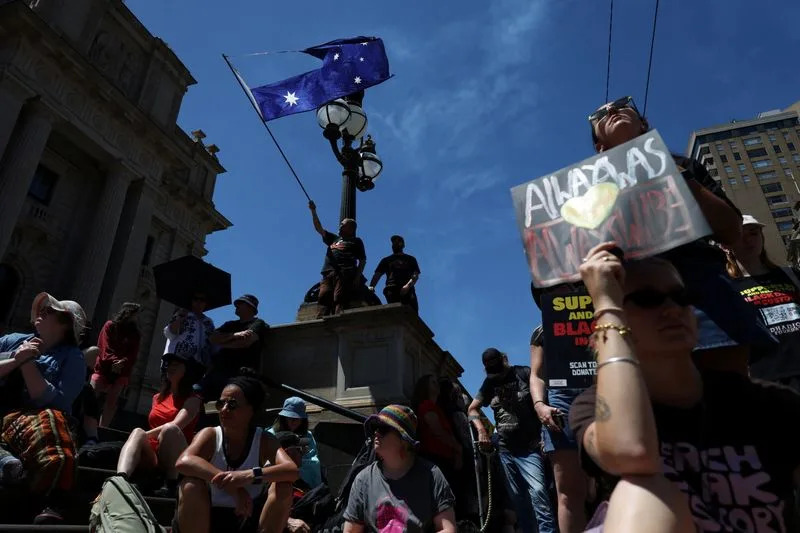
A man waves an Australian flag with the Union Jack removed as protestors gather for an "Invasion Day" rally on Australia's national day, Australia Day, in Melbourne, Australia January 26, 2026. REUTERS/Hollie Adams
Meanwhile, anti-immigration demonstrations organised by March for Australia began at noon. Local media estimated several hundred participants carrying Australian flags; the group has faced criticism over alleged links to neo-Nazi organisations.
Australia — where about one in two people is either born overseas or has a parent born overseas — has experienced record-high immigration in recent years. That influx, together with soaring living costs and a housing shortage, has stoked frustration among some voters and fed the narrative of nationalist groups.
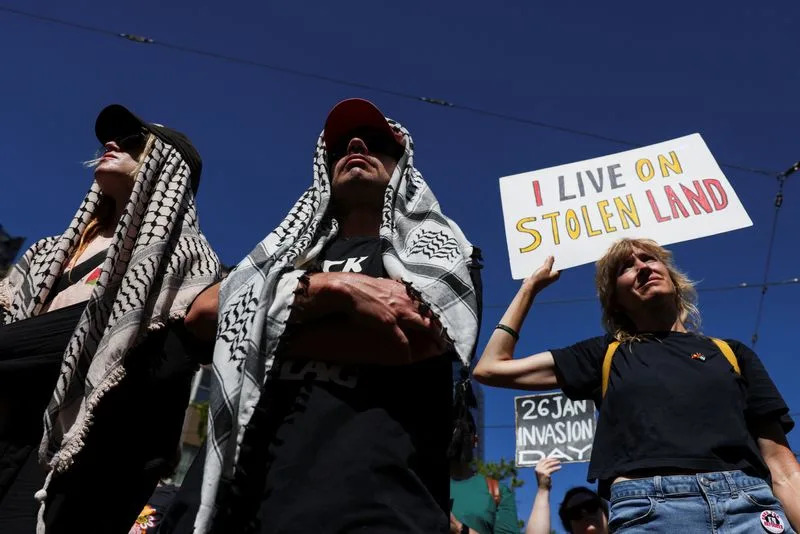
Protestors attend an "Invasion Day" rally on Australia's national day, Australia Day, in Melbourne, Australia January 26, 2026. REUTERS/Hollie Adams
A Sydney Morning Herald survey released on Sunday reported a record number of Australians wanting to keep the national holiday on January 26, even as annual protests press the government to change the date or discontinue official celebrations.
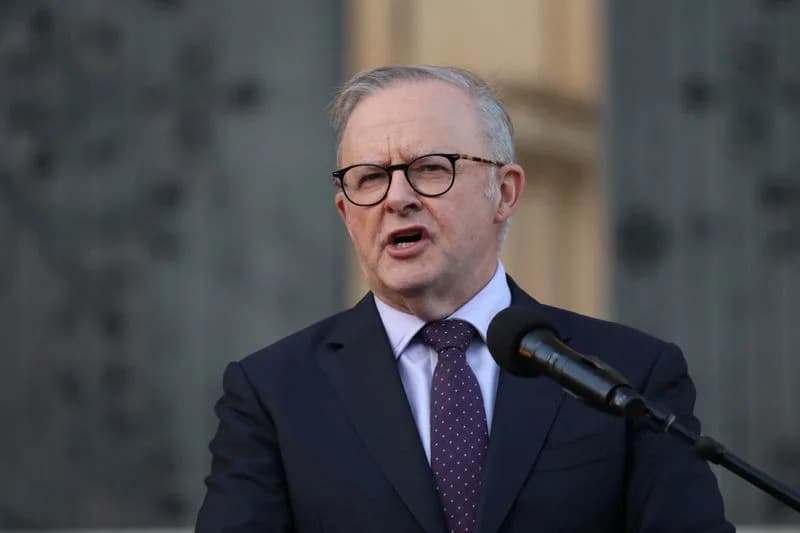
Earlier on the day, while presiding over an Australia Day citizenship ceremony, Prime Minister Anthony Albanese urged unity rather than division, calling for respectful debate as the nation commemorates a contentious chapter of its past.
Context: Similar "Invasion Day" rallies and March for Australia events took place across the country, underscoring a national debate over history, identity and immigration policy that is likely to continue in the lead-up to future elections.
Help us improve.