The U.N. committee has urged the U.K. and Mauritius to pause ratification of a sovereignty transfer for the Chagos Archipelago because Chagossians were not properly consulted. The proposed deal would return sovereignty to Mauritius while preserving a 99-year lease on Diego Garcia — home to a strategically vital U.S. base with a runway over 12,000 feet and deep-water port capabilities. Critics warn the agreement risks sidelining Chagossians, concentrating control with Mauritius, and — if payments or politics shift — opening the base to influence from China. Advocates say a referendum-based or free-association approach that centers Chagossian self-determination would be a fairer, more stable alternative.
How Diego Garcia Could Slip From U.S. Control — The Risks in the Chagos Sovereignty Deal
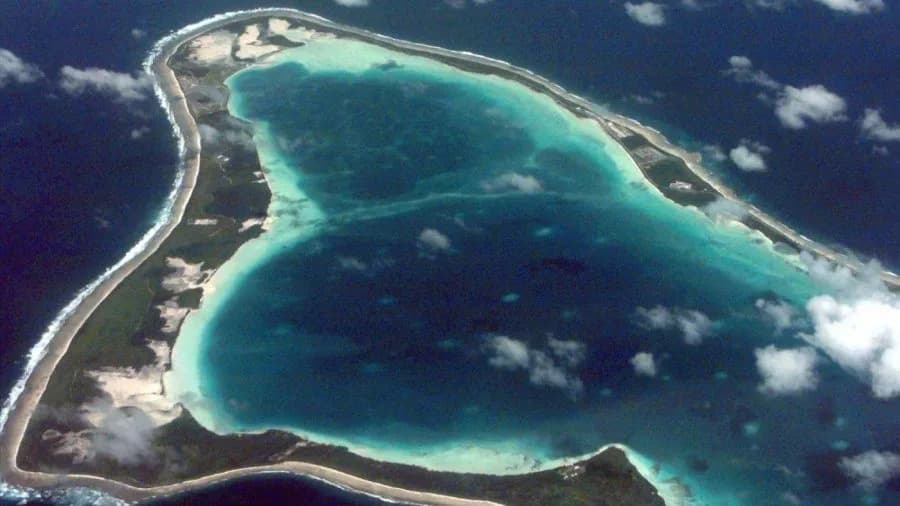
On Dec. 8, the U.N. Committee on the Elimination of Racial Discrimination urged the United Kingdom and the Republic of Mauritius to pause ratification of their agreement that would transfer sovereignty over the Chagos Archipelago to Mauritius. Central to the dispute is the future of the U.S. military installation on Diego Garcia — widely regarded as America’s most strategically important base in the Indian Ocean region.
Background: How We Got Here
The Chagos Archipelago was once administered from Mauritius for administrative convenience. When Britain granted Mauritius independence in 1968, London retained control of the Chagos Islands and later established the area as the British Indian Ocean Territory.
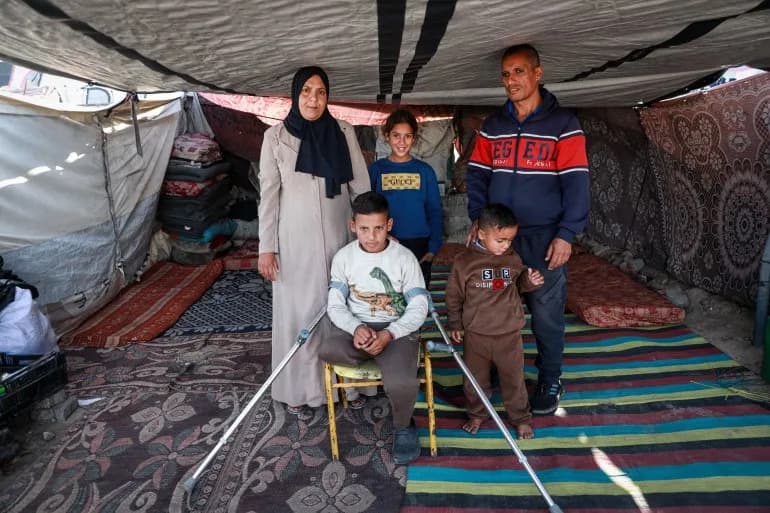
In 1971, Britain removed roughly 1,000 Chagossians — many were relocated to Mauritius, others to the Seychelles or the U.K. — to build a military base on Diego Garcia, an atoll in the archipelago. Facing growing decolonization pressure and a 2021 U.N. court ruling, the U.K. agreed to transfer sovereignty back to Mauritius while securing a 99-year lease on Diego Garcia; the base now operates as a joint U.K.–U.S. facility.
Main Objections
The pact announced in October has several contested elements. Most critically, the agreement was negotiated without meaningful consultation with the Chagossian people, who are ethnically, culturally and linguistically distinct from Mauritians. Mauritius and the Chagos Archipelago lie some 1,250 miles apart and are not part of the same island chain.
“Handing over the Chagossians to the people of Mauritius is, in reality, substituting one group of colonizers for another,”
— Cleo Paskal, Foundation for Defense of Democracies
One important objection from the U.N. committee and from Britain’s House of Lords is that the Chagossians have not been given free, prior and informed consent over the disposition of their territory. There are also concerns that Mauritius may be unduly influencing the consultation process.
Alternatives and Precedents
Proponents of a different approach point to the U.S. experience in Micronesia in the mid-1960s, when the U.S. organized the Congress of Micronesia under U.N. trusteeship and used a referendum-based process to determine futures for the islands. Some territories opted for association with the U.S.; others chose independence and later entered compacts of free association — a model that produced close, cooperative states and might provide a template for Chagossians to decide their own future.
Financial, Legal and Access Concerns
Under the proposed deal, Mauritius would receive significant payments and grants over decades, but it would not be explicitly required to distribute that money to Chagossians beyond a relatively modest trust fund that Mauritius would likely administer. The agreement also appears to grant greater access rights to Mauritians than to Chagossians living overseas, limiting the practical ability of displaced islanders to return.
Strategic Stakes: Why Diego Garcia Matters
Diego Garcia — sometimes called the “Footprint of Freedom” — sits near the center of the Indian Ocean and oversees approaches to Africa, the Middle East, India and Central Asia. The base has a runway longer than 12,000 feet and a deep port capable of servicing submarines and aircraft carriers. After the loss of Bagram Air Base in Afghanistan, Diego Garcia’s strategic value as a regional lifeline for U.S. operations has grown.
Under the proposed lease, Britain must make scheduled payments to Mauritius; failure to make a payment could allow Mauritius to reclaim control of the base. Given fiscal pressures in the U.K., some analysts say it is plausible London could miss or withhold a payment, intentionally or otherwise.
“Unfortunately, Washington has gone quiet on the proposed deal,”
— Cleo Paskal
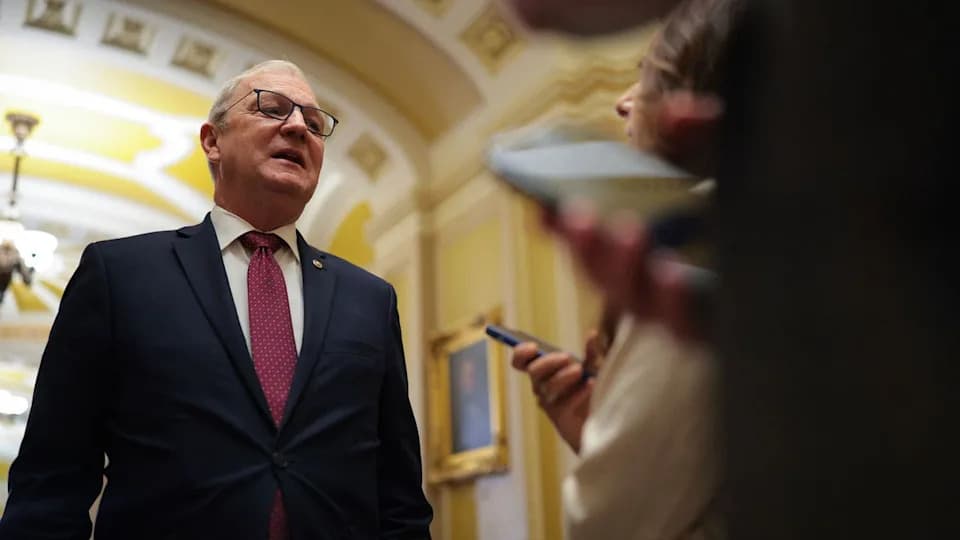
Sen. John Kennedy (R-La.) called the arrangement “cell-deep stupid,” warning that Chinese leader Xi Jinping would welcome any opportunity to weaken U.S. control over the facility. Mauritius has been strengthening economic and diplomatic ties with Beijing, and critics argue that a sovereignty transfer combined with shifting political alignments could expose Diego Garcia to Chinese influence.
What Could Be Done
Possible alternatives include a consultative, referendum-based process that centers Chagossian self-determination, or an independence path followed by a compact of free association with a partner of the Chagossians’ choosing. Any durable solution should guarantee the rights of displaced Chagossians to return and ensure transparent, accountable management of financial compensation.
Gordon G. Chang is the author of Plan Red: China’s Project to Destroy America and The Coming Collapse of China.
Help us improve.