Prime Minister Keir Starmer is making the first UK leader visit to China in eight years to repair diplomatic ties and seek investments to boost Britain’s economy. The three-day trip — with stops in Beijing, Shanghai and a brief visit to Japan — includes a business delegation and two ministers. While officials tout potential economic gains, analysts note China's small share of UK FDI and question the likelihood of immediate, tangible benefits. The visit unfolds amid wider tensions with the United States, including recent controversy over Greenland and trade threats.
Starmer Travels to China to Reset Relations and Seek Economic Boost Amid U.S. Strains

Britain's Prime Minister Keir Starmer pays a visit to a pharmacy at the Nelson Medical Practice health centre in Wimbledon, southwest London on January 26, 2026. ADRIAN DENNIS/Pool via REUTERS
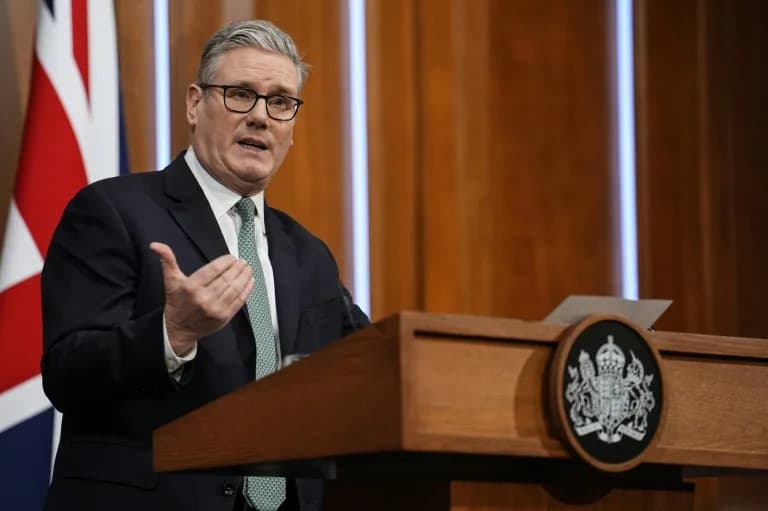
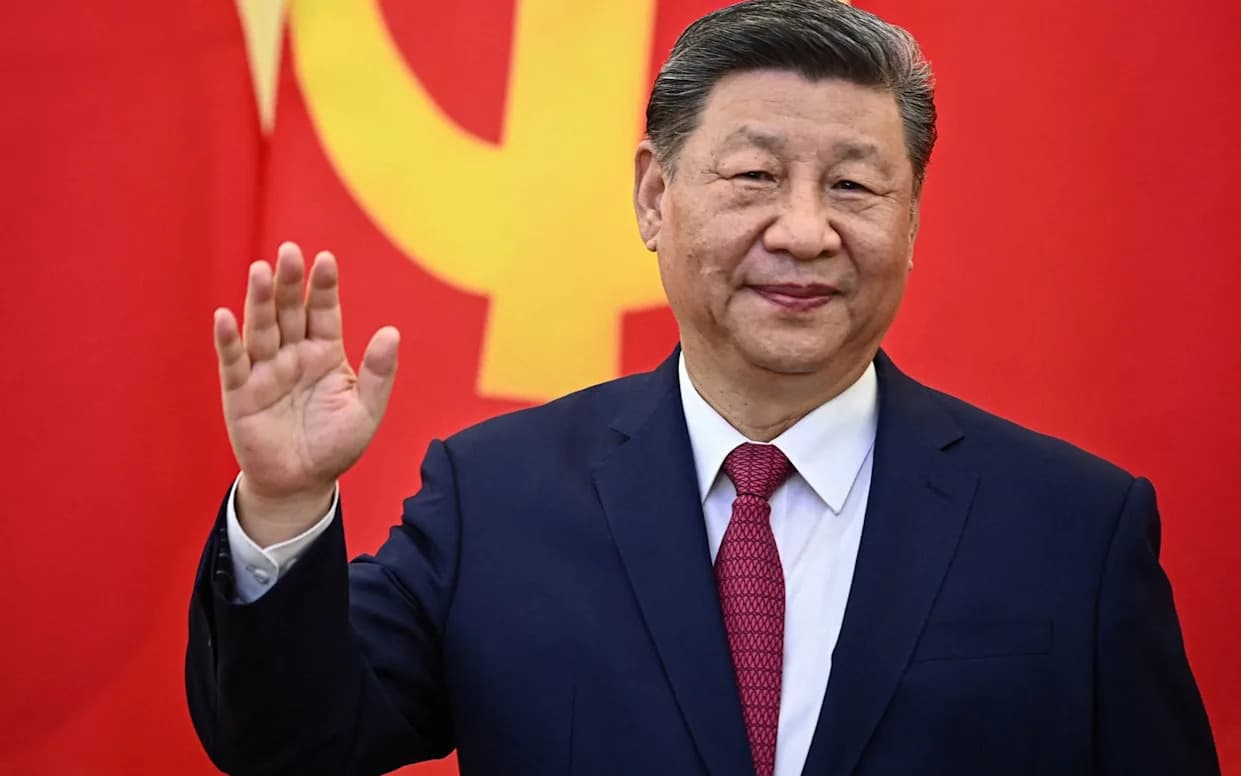
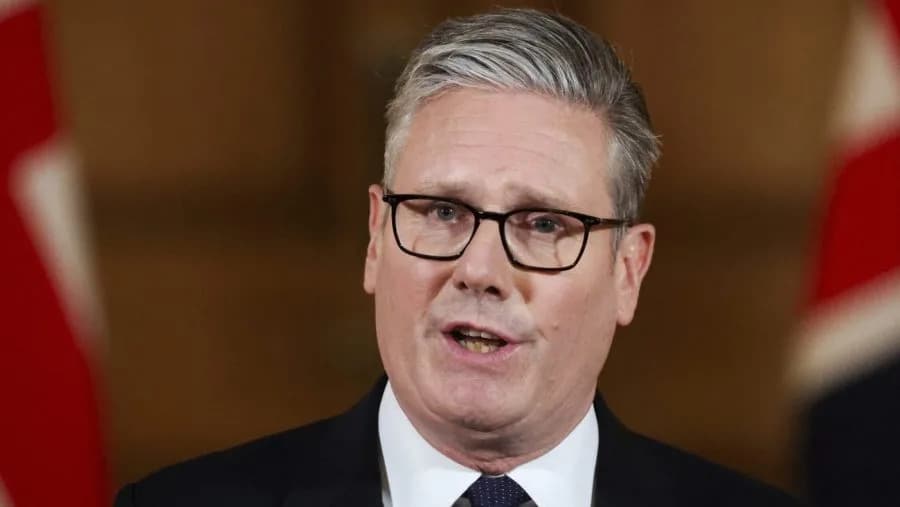
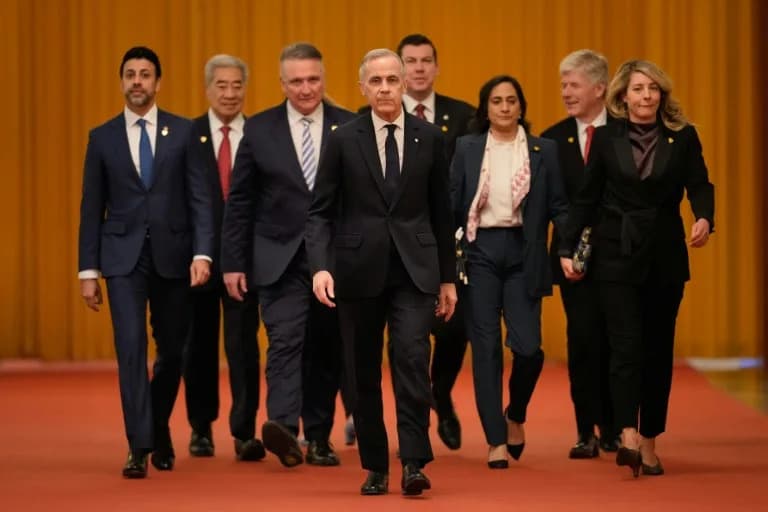
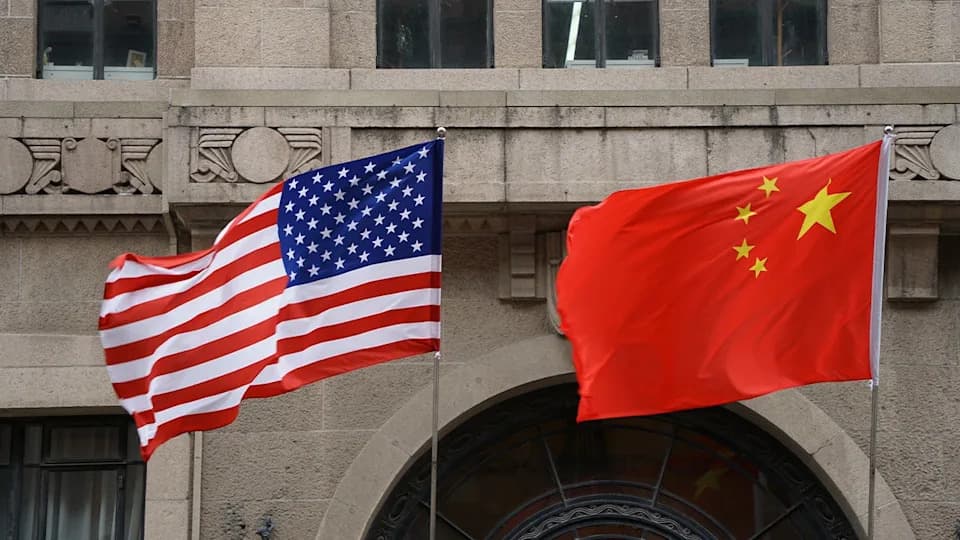
Prime Minister Keir Starmer will travel to China on Tuesday in the first visit by a British leader in eight years, seeking to repair diplomatic relations and attract investment from the world’s second-largest economy. The three-day trip includes meetings in Beijing, a stop in Shanghai and a brief visit to Japan, and Starmer will be accompanied by dozens of business executives and two government ministers.
The visit aims to balance economic opportunity with security concerns. Since taking office in 2024, Starmer has prioritized resetting ties after a period of deterioration under earlier governments over Hong Kong, alleged espionage and cyberattacks. The prime minister has acknowledged China poses national security risks while arguing that closer business links are in Britain’s national interest.
“At the forefront of the visit will be what both sides make of the current behaviour and posture of the U.S. and Trump,” said Kerry Brown, professor of Chinese studies at King’s College London. “One of the great anomalies of the current situation is that London is probably closer to Beijing than Washington” on some global issues like AI, public health and the environment.
Economic Stakes
Britain hopes stronger trade and investment ties with China will help deliver Starmer’s pledge to raise living standards by funding public services and economic growth. In the 12 months to mid-2025, China was Britain’s fourth-largest trading partner, with trade around £100 billion ($137 billion). However, analysts point out that China accounts for only about 0.2% of foreign direct investment (FDI) into Britain, while the United States accounts for roughly a third.
Critics and some politicians in Britain and the U.S. question whether the reset will produce tangible economic gains. Sam Goodman, policy director at the China Strategic Risks Institute, said Britain has secured few measurable benefits so far and asked whether this trip will deliver meaningful growth for the British economy.
Geopolitical Context
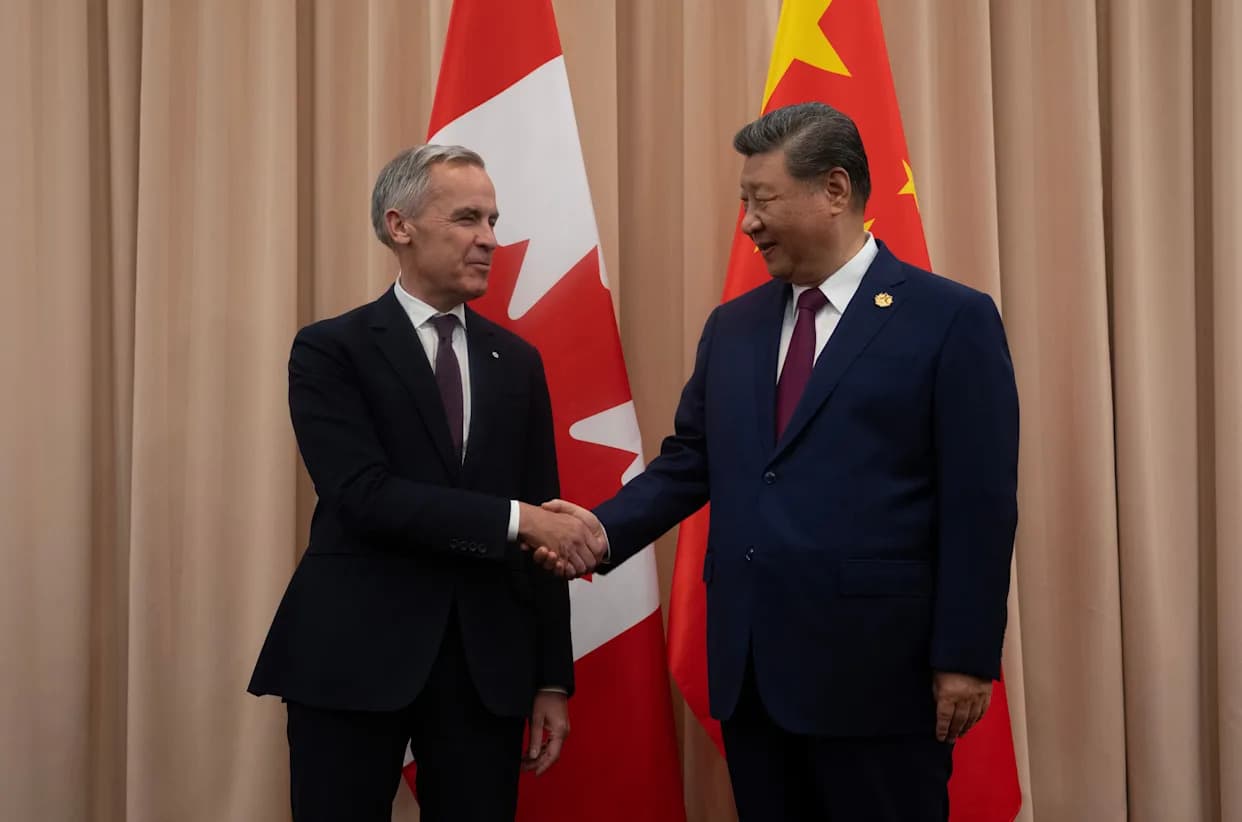
The visit comes amid wider tension between Western leaders and the United States, heightened by President Donald Trump’s comments about taking control of Greenland and threats related to other countries’ China deals. Earlier this month, following Canada’s trade discussions with China, Trump threatened punitive tariffs — comments that underscored the diplomatic tightrope facing U.K. and other Western leaders.
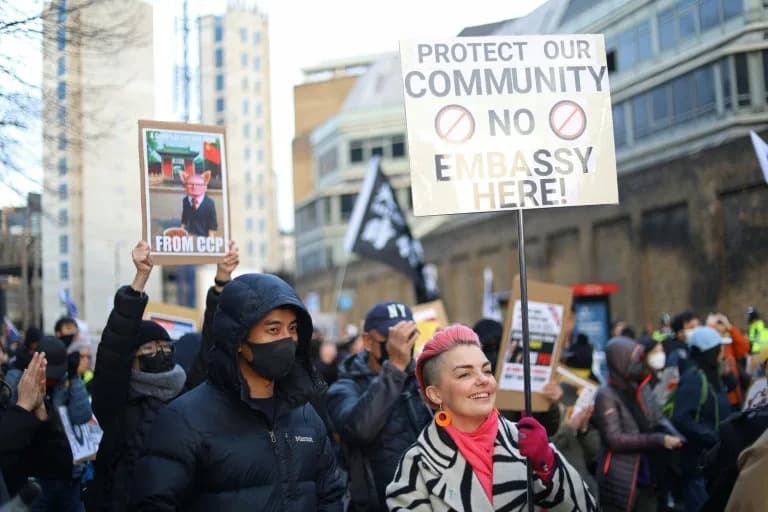
Domestically, Starmer’s government recently approved plans for a large Chinese embassy in central London despite warnings from some politicians that the building could aid espionage. That decision and wider security concerns will be part of the backdrop for talks in Beijing.
Conversion: $1 = 0.7303 pounds.
Help us improve.