CRBC News
Health

Light‑Activated Microneedle Patch Could Replace Painful IVF Injections — Early Rat Study Shows Promise

Light‑Activated Microneedle Patch Could Replace Painful IVF Injections — Early Rat Study Shows Promise
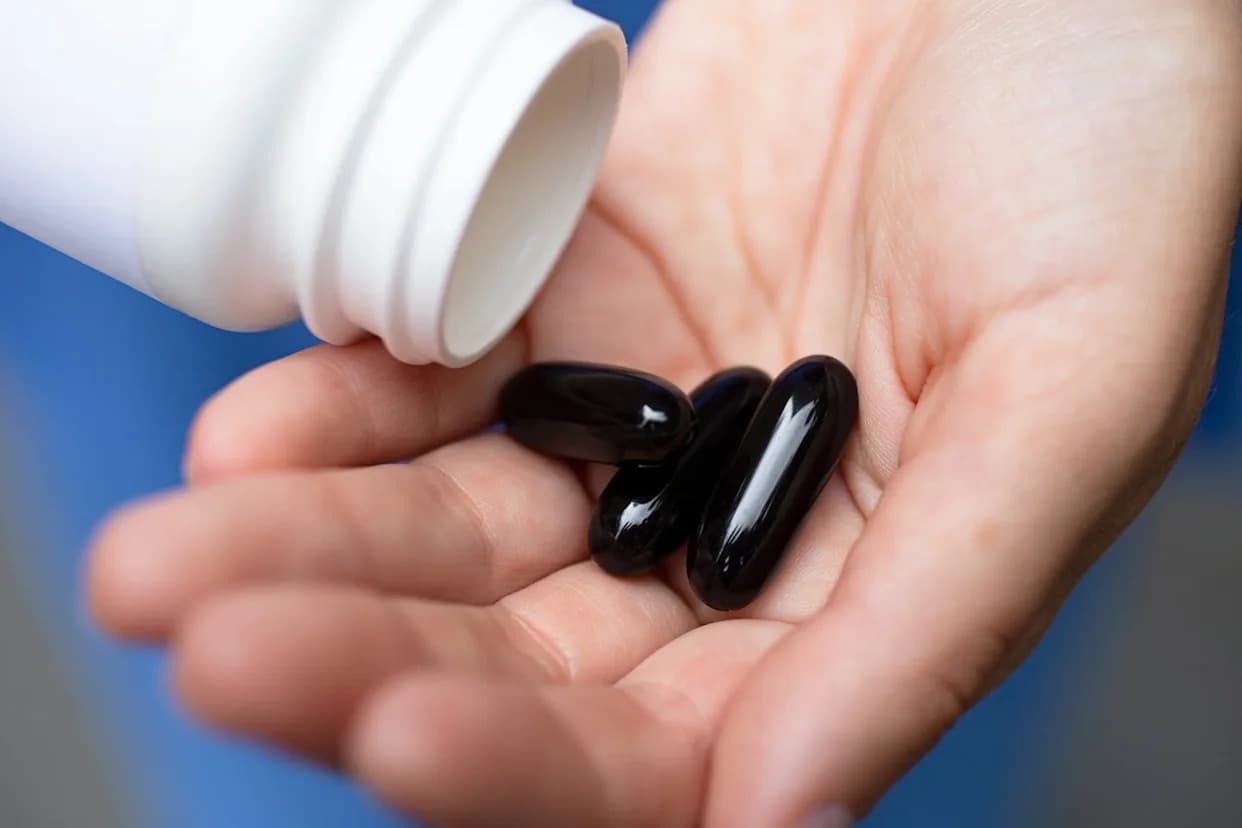
A new microneedle patch could someday help patients undergoing IVF treatment do so without painful hormone shots. | Credit: Tempura via Getty Images

What’s new: A microneedle patch loaded with rare‑earth nanoparticles released the IVF hormone leuprolide painlessly in rats when triggered by programmed near‑infrared light.

Key caveats: Researchers did not detect nanoparticle accumulation in organs in initial tests, but major challenges remain — dose scaling, variable NIR penetration across different skin types, and long‑term biocompatibility must be resolved before human trials.
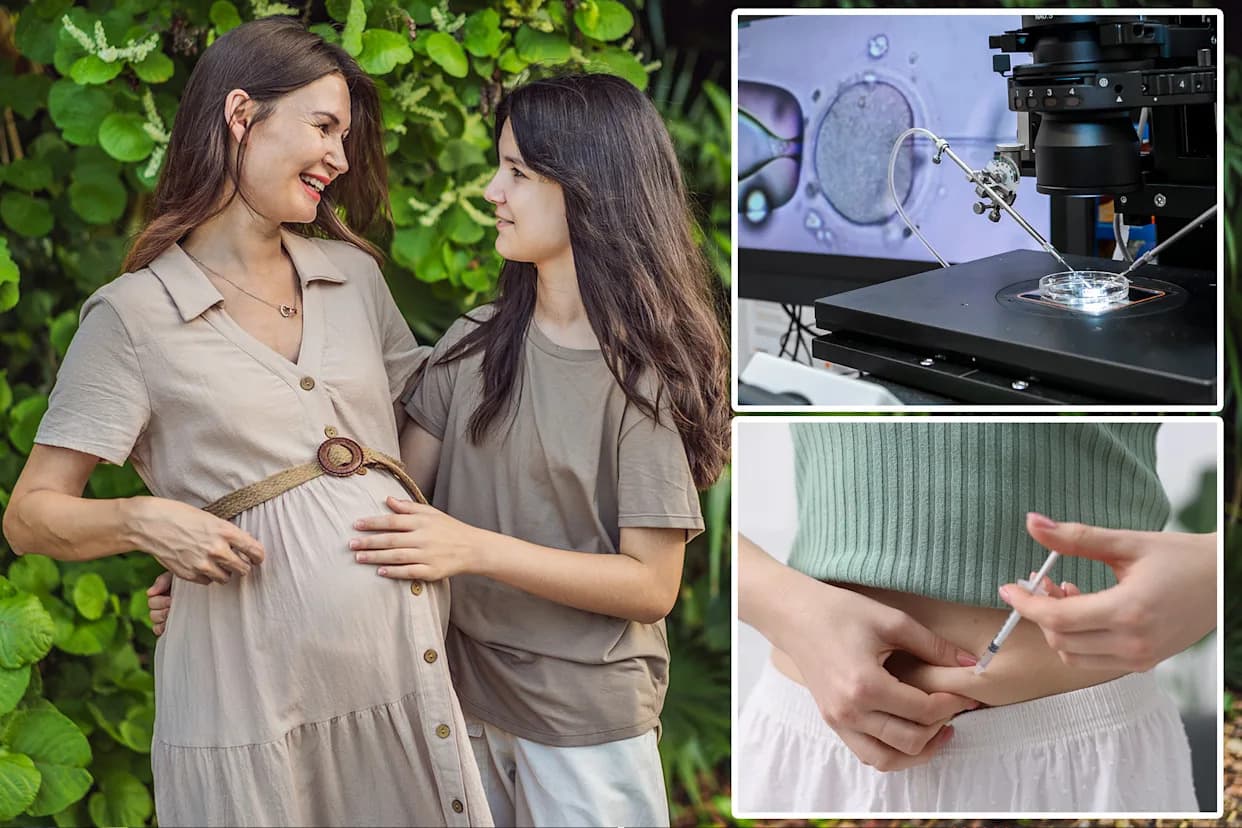

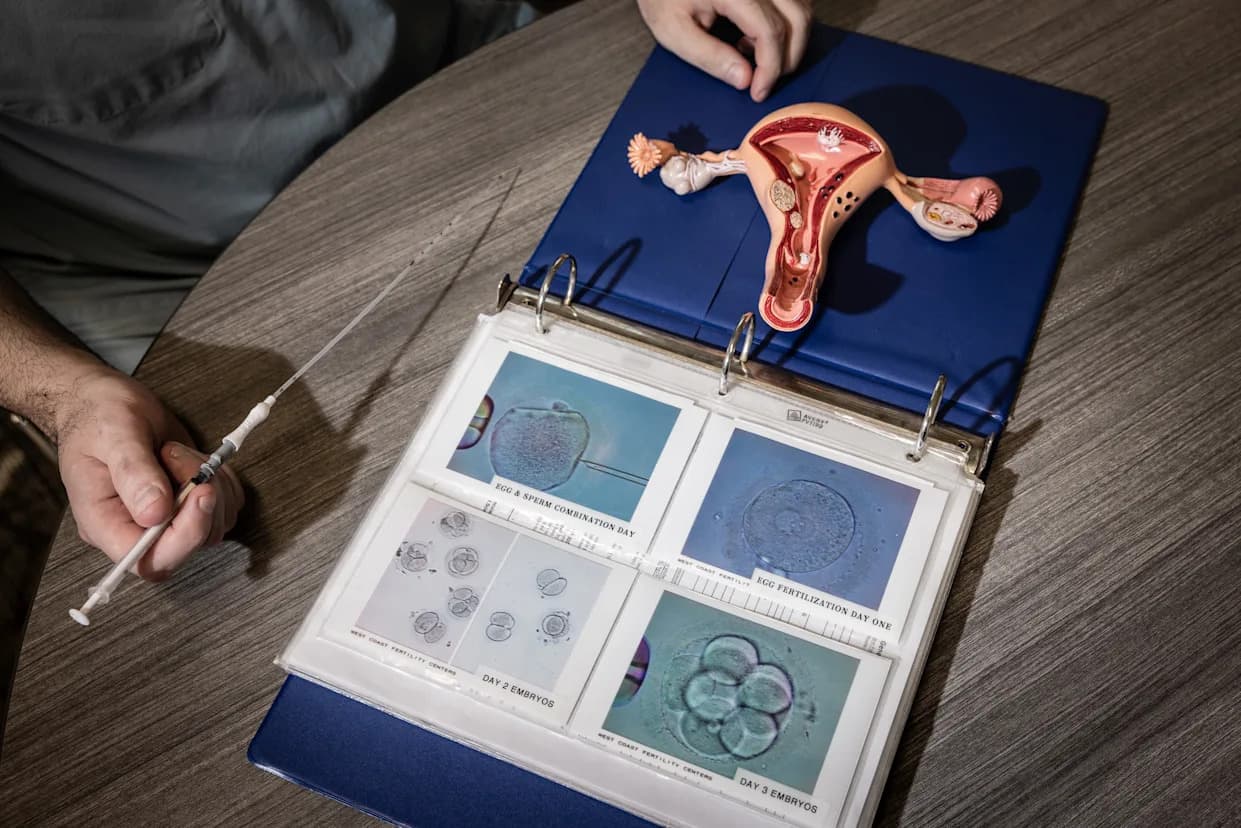
Patients preparing for in vitro fertilization (IVF) often self-administer daily hormone injections for weeks before egg retrieval. A research team at McGill University and the INRS research center reports a potential alternative: a painless, programmable microneedle patch that releases the IVF hormone leuprolide when activated by near‑infrared (NIR) light.

The preliminary results, published in the journal Small (November 2025), show that in rats the patch delivered leuprolide painlessly and without detectable release or accumulation of nanoparticles in internal organs. The light source can be preprogrammed to trigger the patch at specific times, allowing automated dosing on a schedule similar to current IVF protocols.

How the Patch Works

The patch contains arrays of tiny, non‑soluble polymer microneedles embedded with rare‑earth nanoparticles loaded with leuprolide. The nanoparticles use an "upconversion" process: they absorb externally applied low‑energy NIR light and convert it to higher‑energy ultraviolet (UV) light. That UV light breaks a specially designed coating on the particles and releases the hormone payload into the skin.

Because the microneedles only penetrate the stratum corneum (the skin's outermost layer made of dead cells), they do not reach sensory nerve endings in deeper layers and the application is effectively painless, the researchers report.

Key Findings From The Rat Study

  • Triggered NIR exposure released measurable leuprolide into the animals' bloodstream.
  • Researchers did not detect nanoparticles in the liver or other organs, suggesting the particles remained in the patch or skin rather than entering circulation.
  • Previous toxicity tests by the team indicated the rare‑earth nanoparticles showed no acute toxicity in animals, though long‑term safety remains unproven.

Challenges Before Human Use

External experts and the study authors emphasize several unresolved challenges:

  1. Dose Scaling: The rats received a small dose. Matching human IVF doses will require more nanoparticles per patch, larger patches, or multiple simultaneous patches.
  2. NIR Penetration And Skin Variability: Differences in skin thickness, subcutaneous fat and blood flow between patients can reduce NIR efficiency and complicate reliable triggering across body types.
  3. Biocompatibility And Long‑Term Safety: The highest hurdle for any nanoparticle‑based therapy is proving materials are safe long term—either safely excreted or inert in the skin without chronic toxicity or immune reactions.
  4. Durability And Detection: The microneedle polymer is designed not to degrade, but proving long‑term durability and demonstrating no hidden particle migration will require careful testing.
  5. Efficacy For IVF Outcomes: While hormone reached circulation in rats, the method has not yet been shown to produce the critical physiological effects needed for IVF, such as promoting egg maturation.
"From what we read, one of the main reasons for the failure of IVF is that the drug is not given consistently," said lead author Marta Cerruti, a materials chemist at McGill University. "An automated patch could help address that problem."

The research team plans further rat studies to assess dosing strategies and efficacy before progressing to larger animal models. If these hurdles are solved, the approach could eventually offer a less painful, more convenient alternative to daily hormone injections for IVF patients — but substantial safety and efficacy testing remains ahead.

Help us improve.

Related Articles

Trending