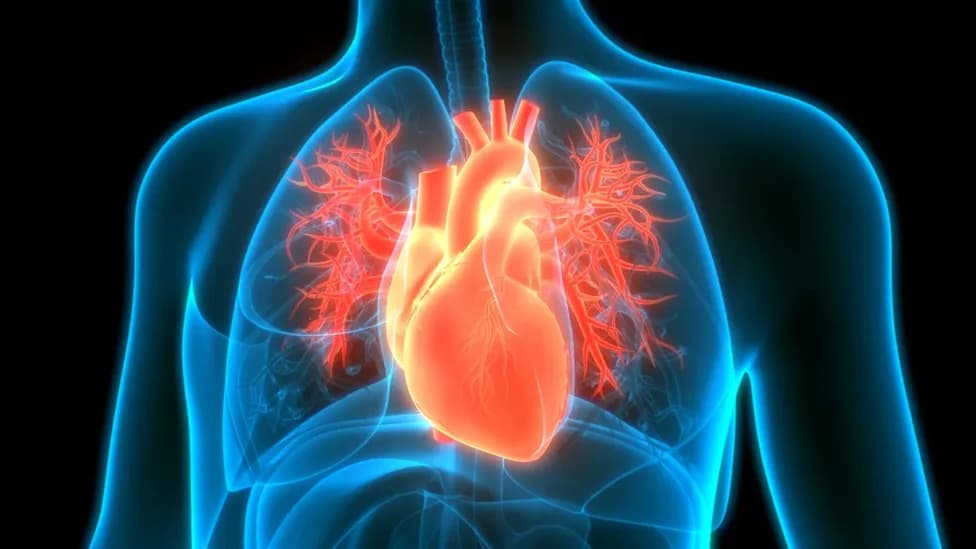
Purdue researchers are developing a patent-pending “smart pacifier” that records airway echoes with an embedded microphone and analyzes breathing sounds using signal processing and AI to detect respiratory problems. Backed by a $1.19 million NIH grant, the project is led by Miad Faezipour with collaborators at UAB and Purdue. AI training currently uses adult breathing data; infant trials led by UAB neonatologists are planned for late 2027 after roughly two years of development. The device is designed as a comfortable, noninvasive, complementary tool for NICUs and at-home monitoring.
Purdue’s 'Smart Pacifier' Uses Sound Waves and AI to Monitor Infant Breathing
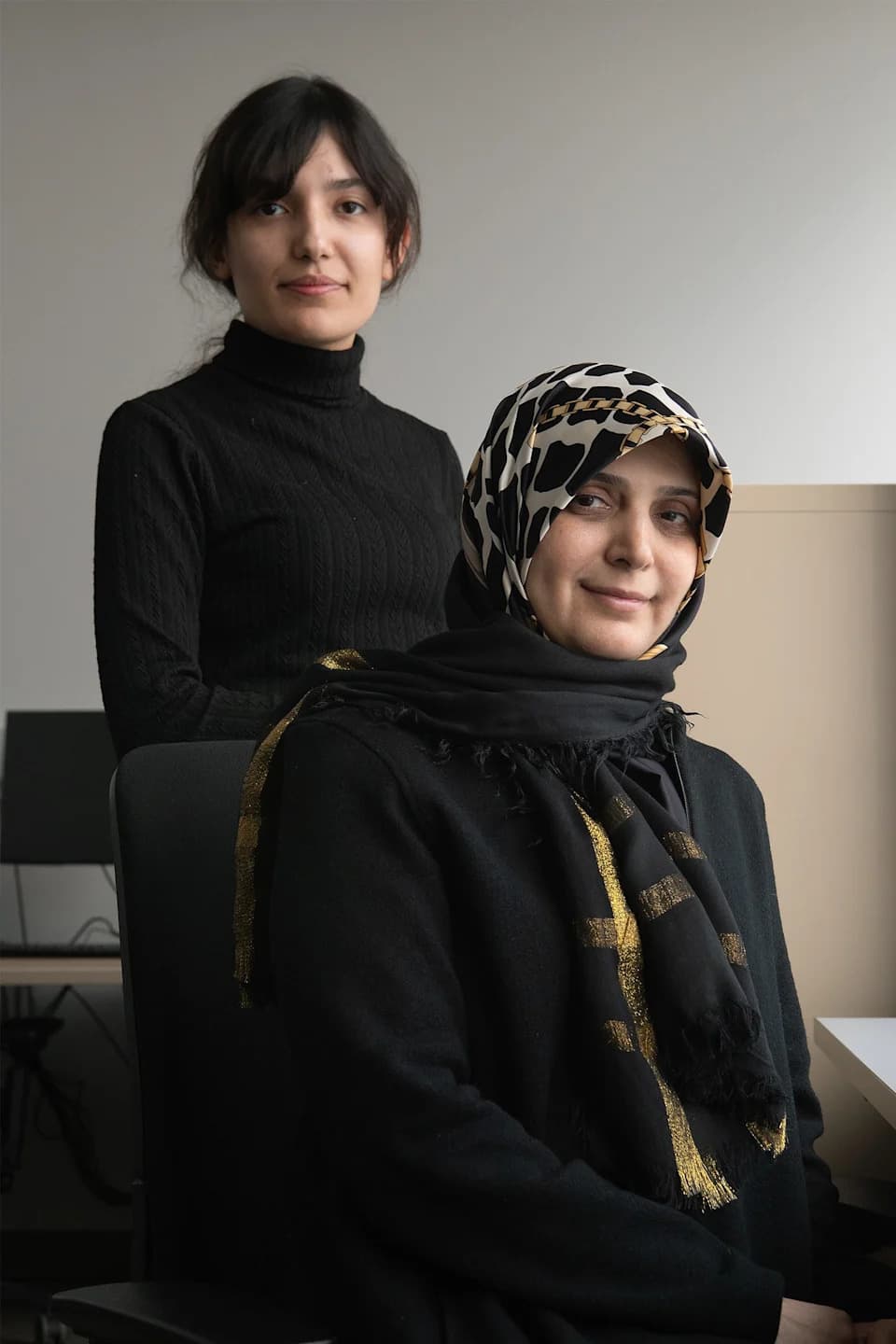
Miad Faezipour, associate professor in Purdue Polytechnic Institute's School of Engineering Technology, right, poses for a portrait with Shiva Shokouhmand, a third-year doctoral student and research assistant, on Friday, Jan. 16, 2026, at their lab workspace on Purdue’s campus. Faezipour is working on developing the patent-pending technology along with researchers at UAB.
WEST LAFAYETTE, Ind. — Purdue University researchers are developing a patent-pending “smart pacifier” that uses sound waves, an embedded microphone and artificial intelligence to monitor infants’ breathing and flag early signs of respiratory trouble.
How the Technology Works
The device emits gentle sound pulses into an infant’s airway and records the returning echoes with a tiny microphone built into the pacifier. Different tissues and conditions—such as fluid in the lungs from pneumonia—change how sound reverberates. The recorded breathing sounds are processed with signal-processing techniques and analyzed by machine-learning models to identify patterns that correlate with respiratory problems.
Who’s Involved
The project is led by Miad Faezipour, an associate professor in the School of Engineering Technology at Purdue Polytechnic Institute, with co-investigator S. Abdollah Mirbozorgi from the University of Alabama at Birmingham (UAB) and Purdue co-investigator Smriti Bhatt. The work is supported by a $1.19 million grant from the National Institutes of Health’s National Heart, Lung, and Blood Institute.
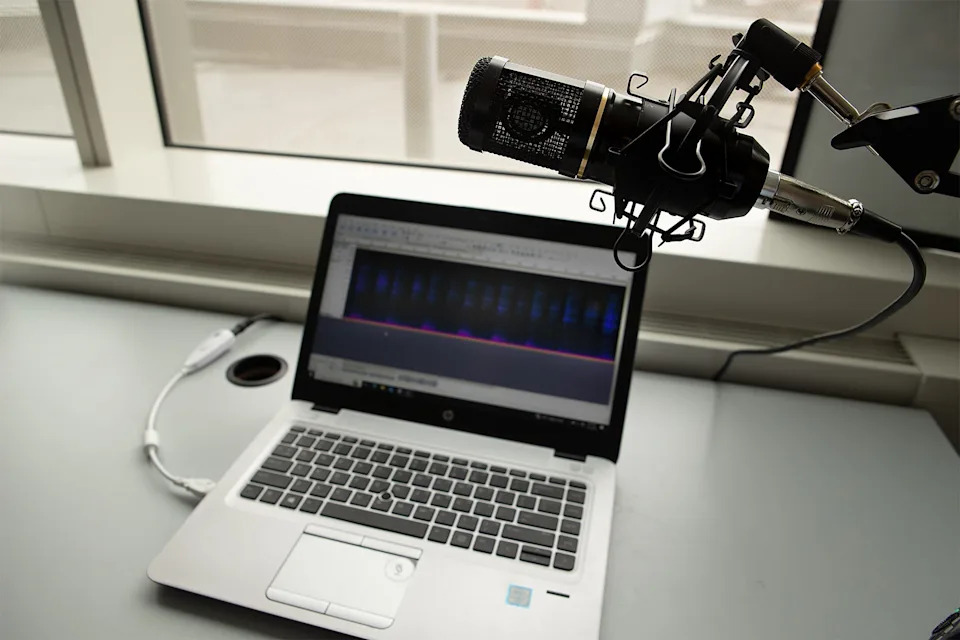
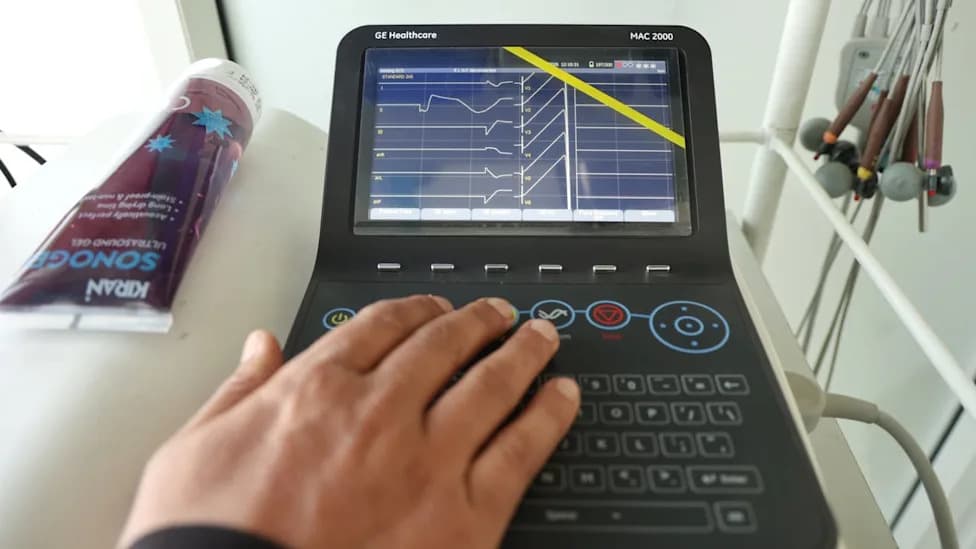
The microphone in the lab is used to collect passive breathing sounds from adults to train the AI model. Passive sound collection means a microphone just records the breathing sounds as they happened. The pacifier will actively emit sounds from a tiny speaker and collect the echo of those sounds with a tiny microphone. Faezipour said the active sound collection helps create sharper sounds and data collection.
Why It Matters
Respiratory distress is one of the most common complications in newborns during their first week of life, particularly among premature infants. Early detection is critical for timely treatment and better outcomes. Because babies cannot describe symptoms, a familiar, noninvasive object like a pacifier could provide clinicians with clearer respiratory information when other forms of communication are not possible.
Development, Testing, and Timeline
The research team has begun training AI models on adult breathing sounds to develop core algorithms and signal-processing methods. After approximately two years of algorithm and sensor development, a team of neonatologists at UAB School of Medicine—led by Namasivayam Ambalavanan and Colm Travers—will begin clinical testing with infants, currently planned for late 2027.
Comfort, Use Cases, and Practical Benefits
The device is being designed to feel natural and comfortable for infants. Unlike many hospital monitors that require multiple wires and sensors, a pacifier is familiar and soothing and can capture cleaner breathing data while a baby sleeps. Researchers expect a few minutes of pacifier use to gather sufficient data for AI analysis, offering a complementary, noninvasive option for both neonatal intensive care units and at-home monitoring.
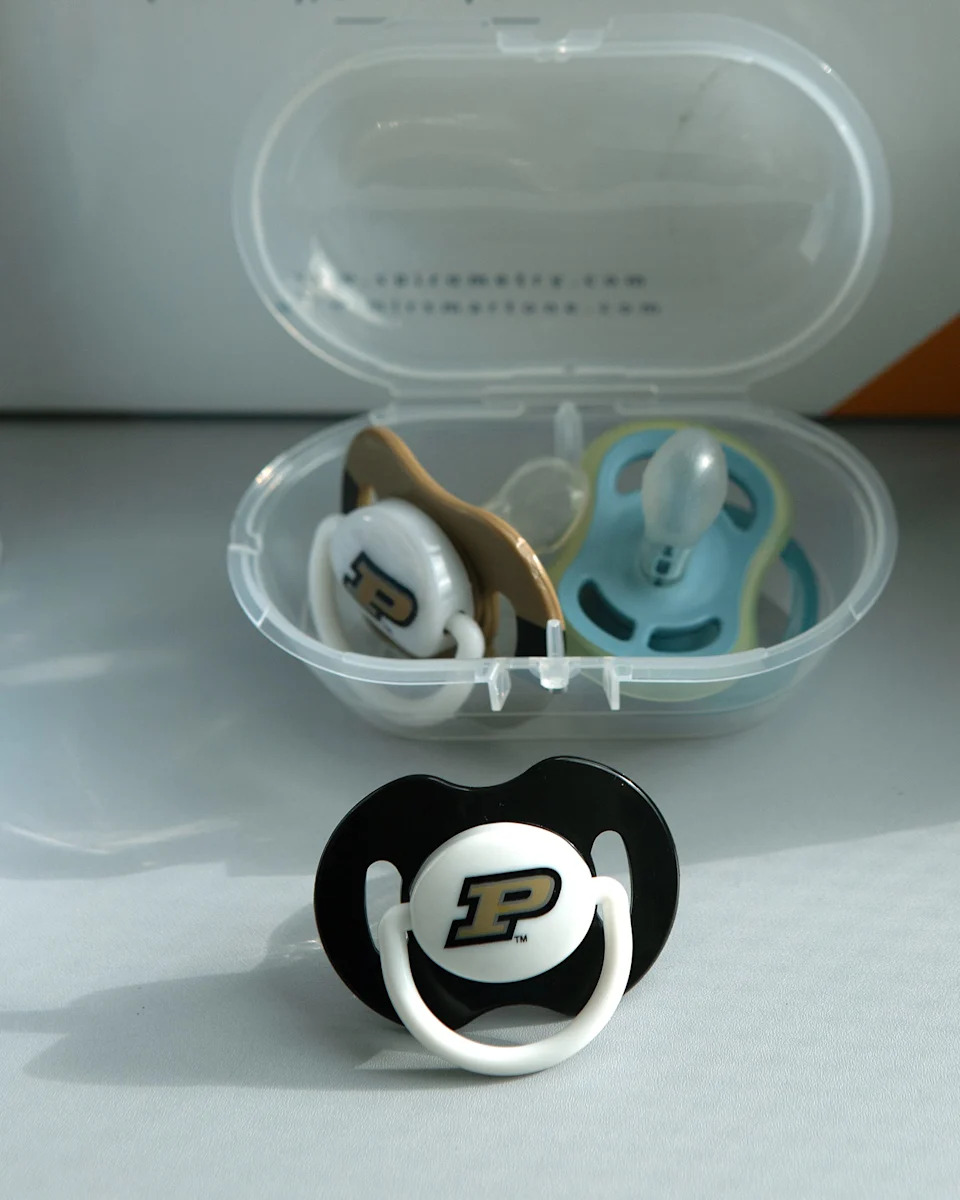
These pacifiers sit on the desk in the research lab. The team does not have a prototype, but they expect to embed the tiny technology into everyday pacifier units.
Voices From the Team
“So the microphone senses the breathing sounds, and then we analyze those breathing sounds using signal processing and AI to find these meaningful correlations,” said Miad Faezipour.
“I saw lots of patients, and I dealt with them daily. I saw all the complexities that we have there,” said Shiva Shokouhmand, a doctoral student and research assistant on the project who previously worked as an emergency-room radiology and CT technician. She noted that noninvasive sensors could help clinicians decide whether more invasive diagnostics—like sedated CT scans—are truly necessary.
Limitations and Next Steps
The team emphasizes that the smart pacifier is intended to complement—not replace—existing medical equipment. Clinical validation in infants is essential to confirm sensitivity and specificity across different ages and conditions. The researchers will also need to address data privacy, device safety, regulatory approval, and real-world usability before broad deployment.
Contact: Cara Penquite at [email protected].
This article originally appeared in the Lafayette Journal & Courier.
Help us improve.