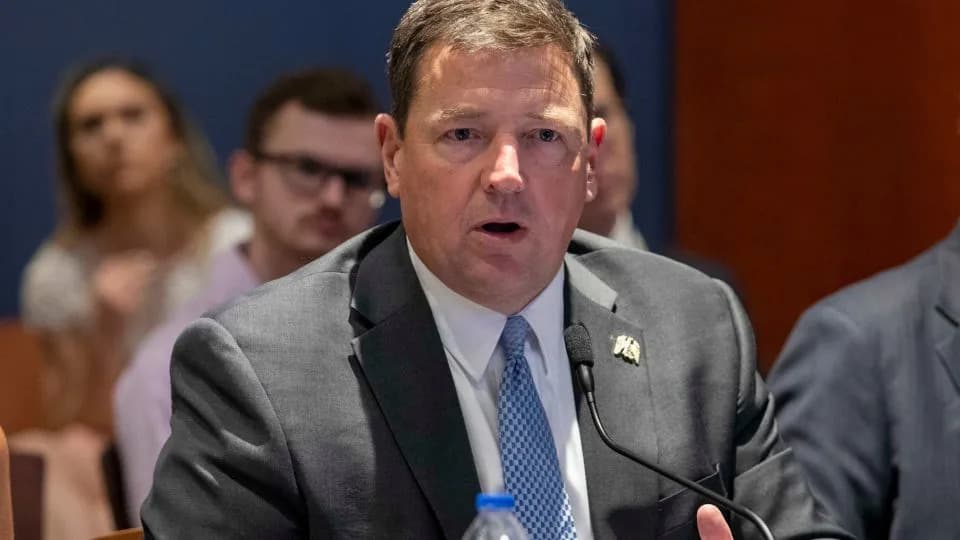
German officials and economists are debating whether to repatriate about 1,236 tonnes of gold—worth roughly €164bn (£122bn)—from the US Federal Reserve in New York amid concerns over political unpredictability. The stockpile represents more than a third of Germany’s 3,552-tonne reserves. Critics argue continued storage in the US creates strategic dependency, while other experts warn that an abrupt withdrawal could worsen diplomatic tensions.
Calls Mount For Germany To Repatriate €164bn (£122bn) Of Gold From US Fed Amid Concerns Over Trump's Unpredictability

Emanuel Mönch said: ‘The Bundesbank would be well advised to consider repatriating the gold’
German officials, economists and campaign groups are urging the Bundesbank to consider repatriating roughly 1,236 tonnes of gold—about the weight of three Air Force One jets—currently held in vaults at the US Federal Reserve in New York. The holdings are valued at approximately €164bn (£122bn) and account for more than one third of Germany's total official reserves of 3,552 tonnes.
Critics say concentrating such a large portion of Germany's gold at the Fed exposes the reserves to political risk. They point to a month of heightened tensions in which reports described threats of sanctions over Greenland, aggressive rhetoric regarding Venezuela, and suggestions of potential military action against Iran as examples of increased geopolitical unpredictability.
“Given the current geopolitical situation, it seems risky to store so much gold in the US,” said Emanuel Mönch, the former head of research at the Bundesbank, in an interview with Handelsblatt. “In the interest of greater strategic independence from the US, the Bundesbank would therefore be well advised to consider repatriating the gold.”
Achim Wambach, president of the Leibniz Centre for European Economic Research, said the dependence created by storing a significant share of German reserves in the US should be reassessed. Some campaign groups have been more forceful: Michael Jäger of the European Taxpayers’ Association warned the bullion in the Fed’s vaults is "no longer safe," arguing that political unpredictability could put access at risk.
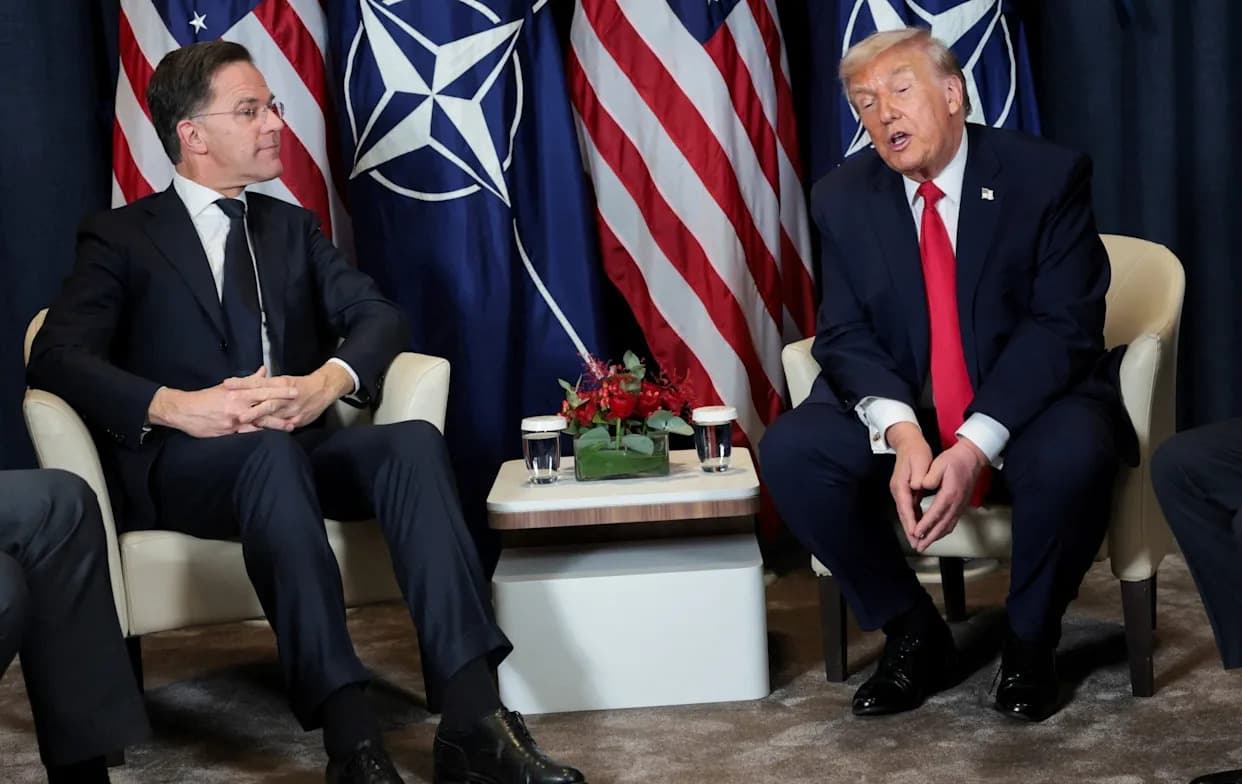
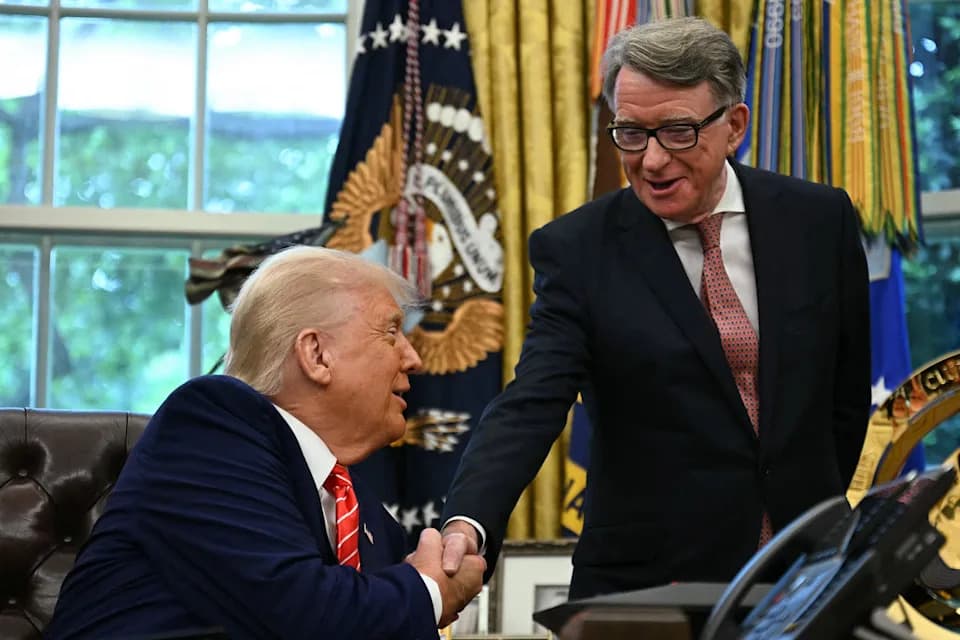
A government spokesman said repatriation of the reserves is not currently under consideration. Chancellor Friedrich Merz—who has, according to reports, avoided direct confrontation with President Trump—along with Italy’s Giorgia Meloni, told the US president recently that constitutional limits prevent Germany from joining his proposed Board of Peace.
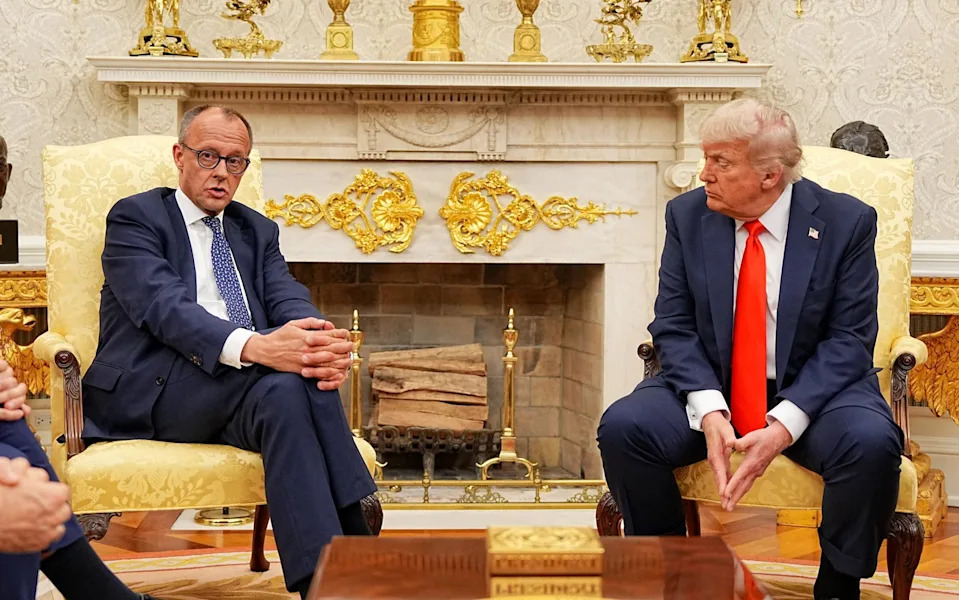
Friedrich Merz told Donald Trump that he would love to join his Board of Peace but was unable to because of constitutional barriers - Michael Kappeler/AFP
While calls to bring the gold home are more commonly associated with the far-right Alternative for Germany (AfD), Katharina Beck, the Greens’ finance spokeswoman, also supported repatriation while Mr Trump is in office, saying the reserves must "under no circumstances become pawns in geopolitical disputes."
Other economists urged caution. Clemens Fuest, president of the Ifo Institute, warned that a hasty repatriation could inflame tensions, and Michael Hüther of the Institute of the German Economy said such a move “certainly would not impress” the US administration.
Amid a record gold price, the market value of Germany’s total reserves has surged: official figures indicate the total moved from around €270bn (£234bn) to roughly €450bn (£390bn) since the end of 2024.
Context: Germany holds the second-largest official gold reserve after the United States, which reports roughly 8,130 tonnes. Any decision on repatriation would involve logistical, legal and diplomatic considerations as well as implications for international relations and market perceptions.
Help us improve.