Short Summary: President Trump backed away from an immediate push to acquire Greenland after market turbulence, NATO reconnaissance activity and a late-night meeting with Dutch Prime Minister Mark Rutte. He announced a vague “framework” for future talks, while Denmark denied any U.S. sovereignty claims. Diplomacy and a U.S.–Denmark–Greenland working group will now seek detailed arrangements on security access and investment rules.
Trump’s Greenland U‑Turn: Davos Delay, Market Jitters and a Vague 'Framework' After Meeting with Rutte
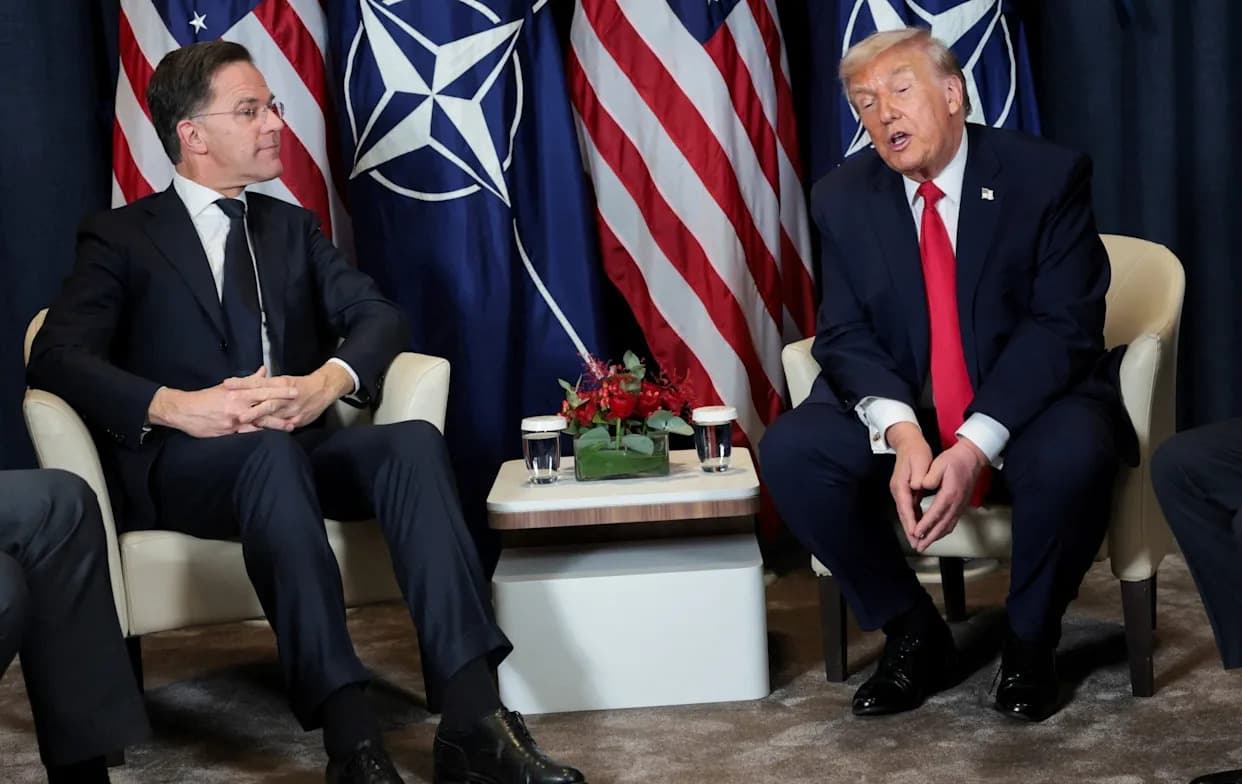
Donald Trump (right) with Mark Rutte, the UN secretary general, at the World Economic Forum in Davos - Jonathan Ernst/Reuters
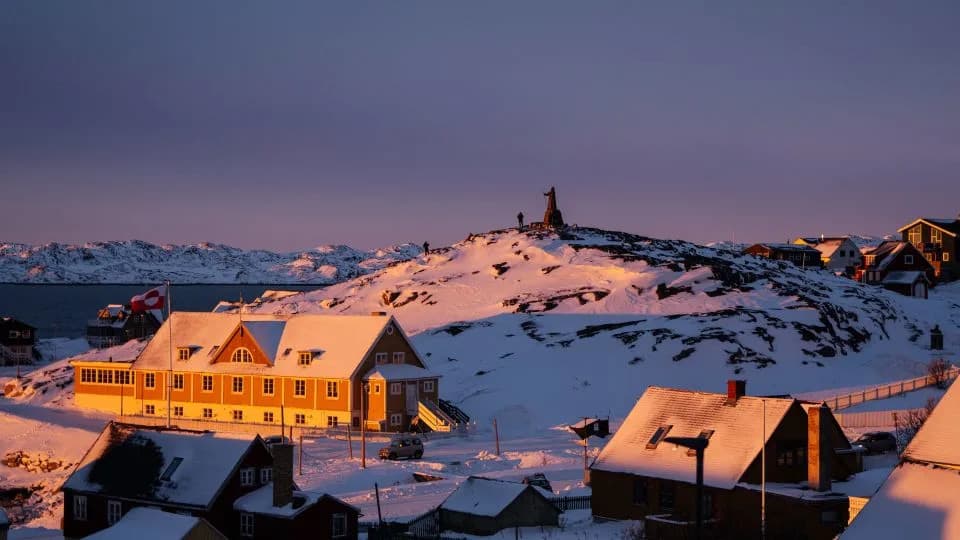
President Donald Trump abruptly stepped back from an aggressive push to bring Greenland under U.S. control after a delayed Davos arrival and a late-night meeting with Dutch Prime Minister Mark Rutte. The episode combined military posturing, a small NATO reconnaissance deployment, market turbulence and intensive back-channel diplomacy — and ended with a vague announcement of a “framework” for further talks rather than a definitive deal.
Screengrab
What Happened
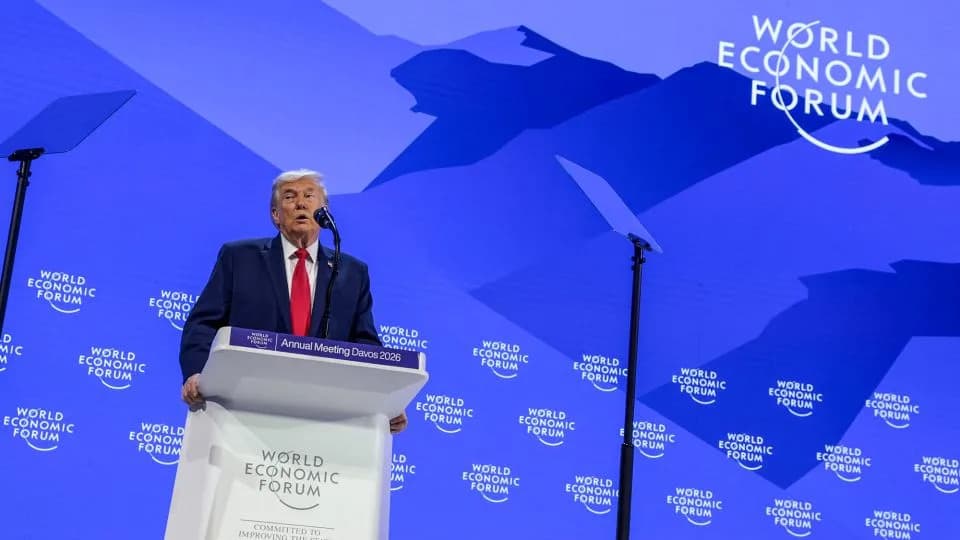
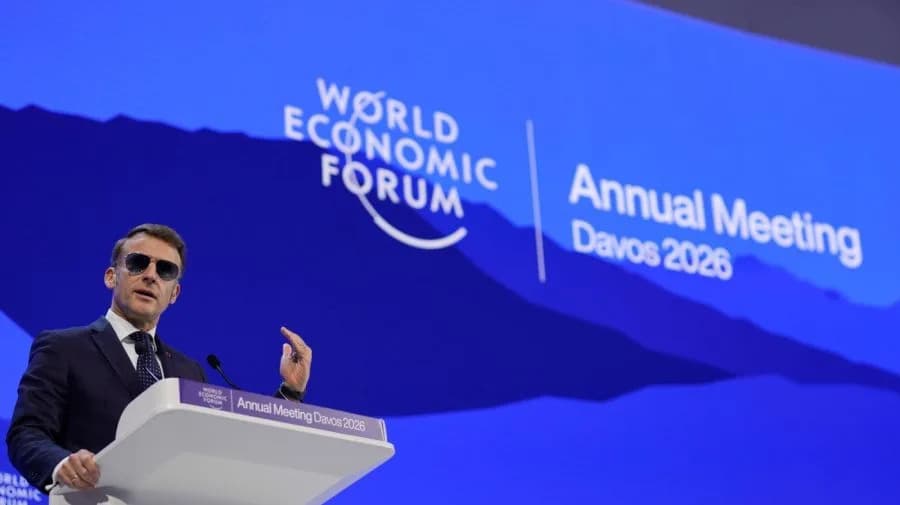
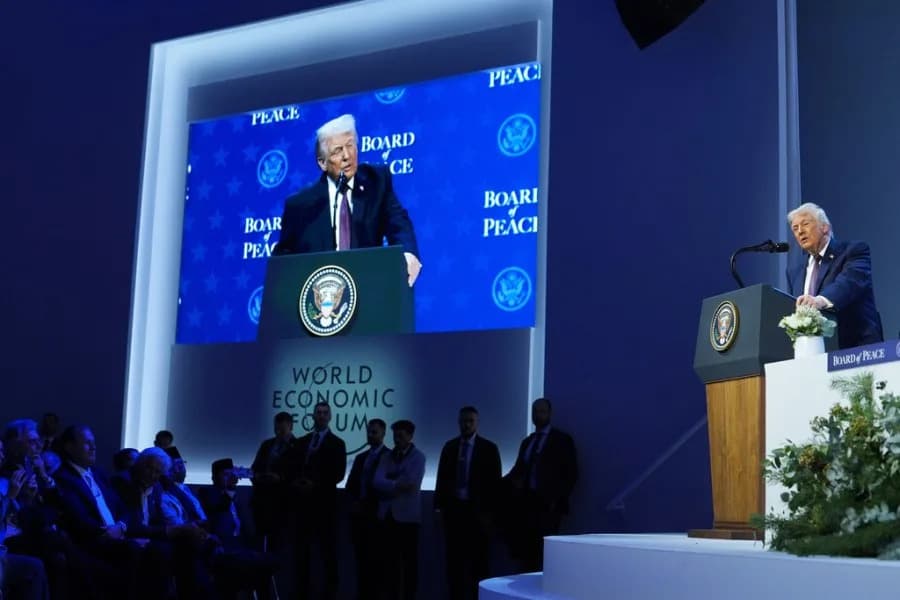
After an electrical fault delayed his arrival at the World Economic Forum in Davos, Mr. Trump joined a series of meetings and delivered a lengthy speech in which he reiterated that he believed Greenland should belong to the United States. He praised the island as strategically important and floated a purchase, saying force was not his preferred option.
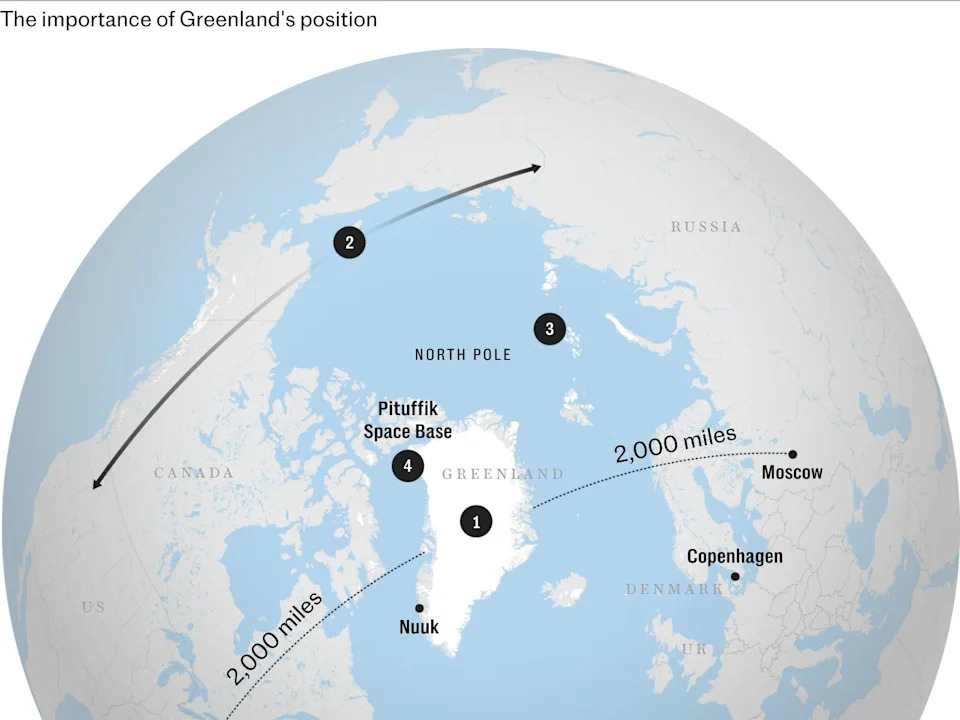
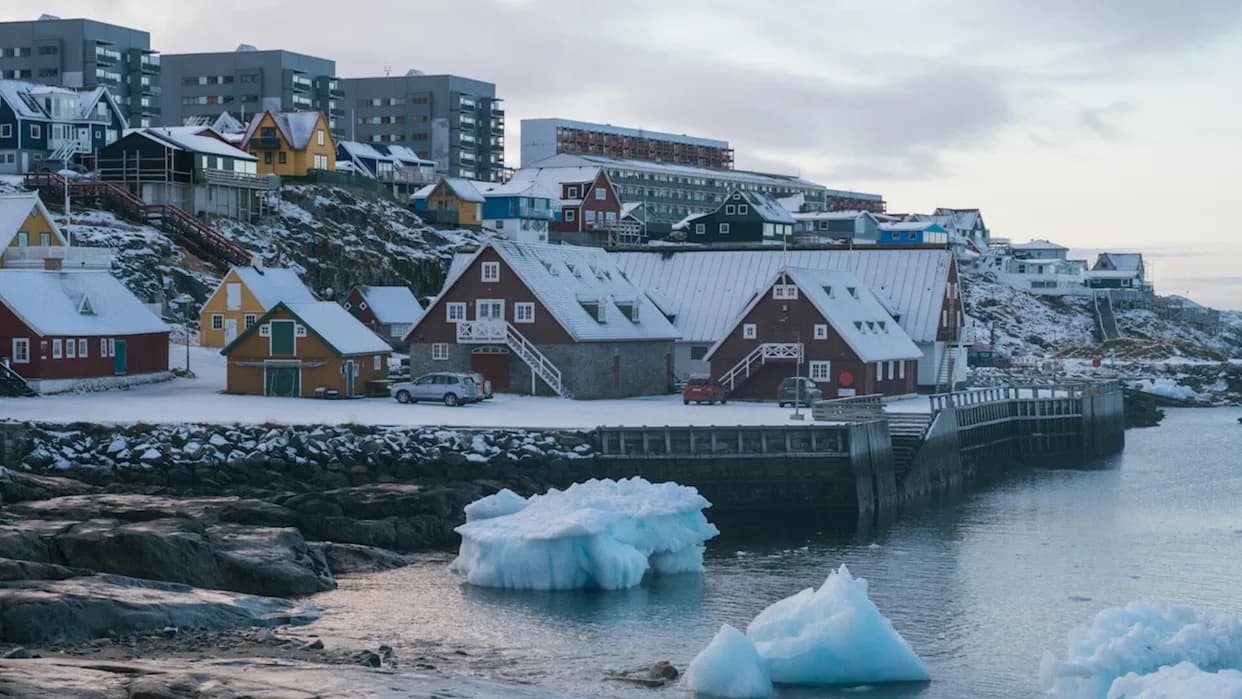
0801 The importance of Greenland\'s position
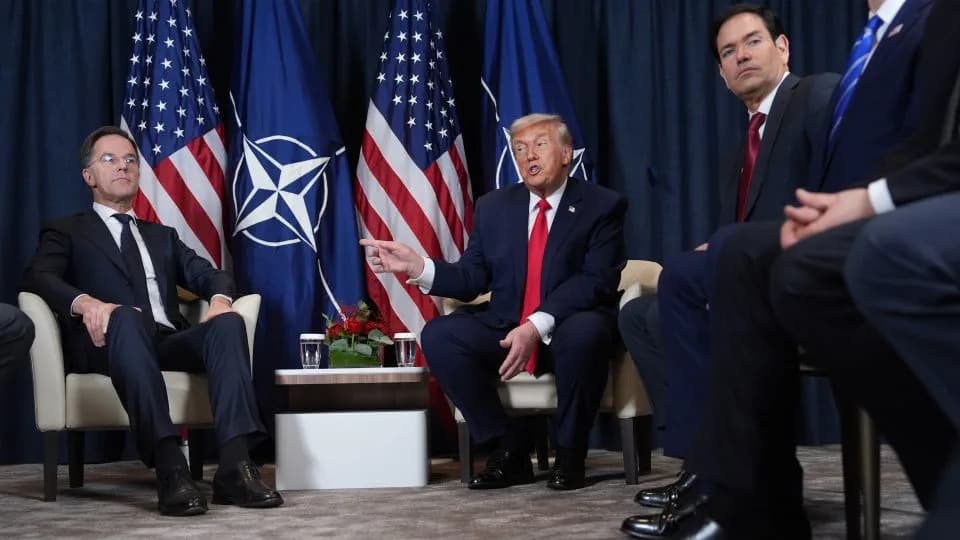
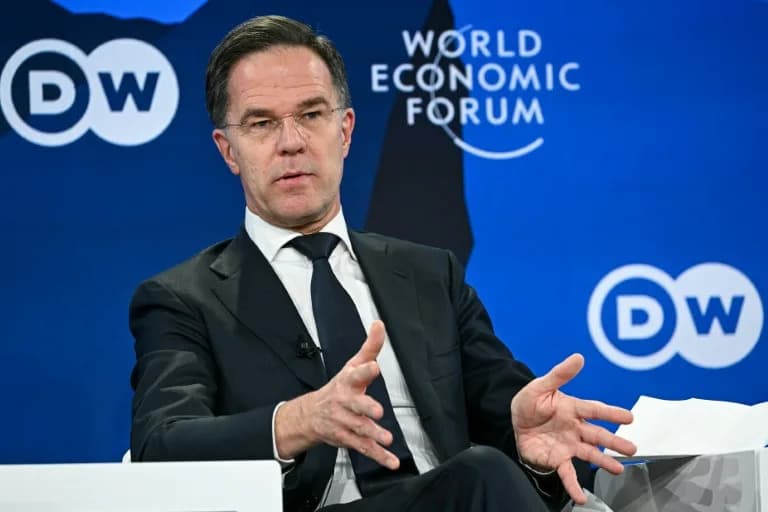
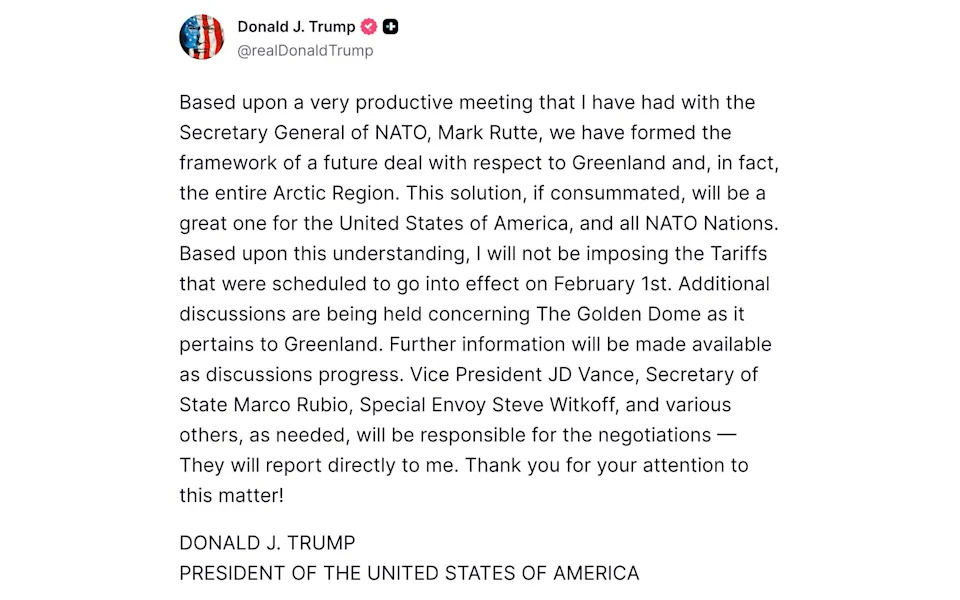
Late on Wednesday, following a one-on-one meeting with Dutch Prime Minister Mark Rutte, Mr. Trump posted on Truth Social that he had agreed on “the framework of a future deal on Greenland.” He offered no details. Denmark’s prime minister, Mette Frederiksen, later denied that Denmark had granted U.S. sovereignty over any part of Greenland.

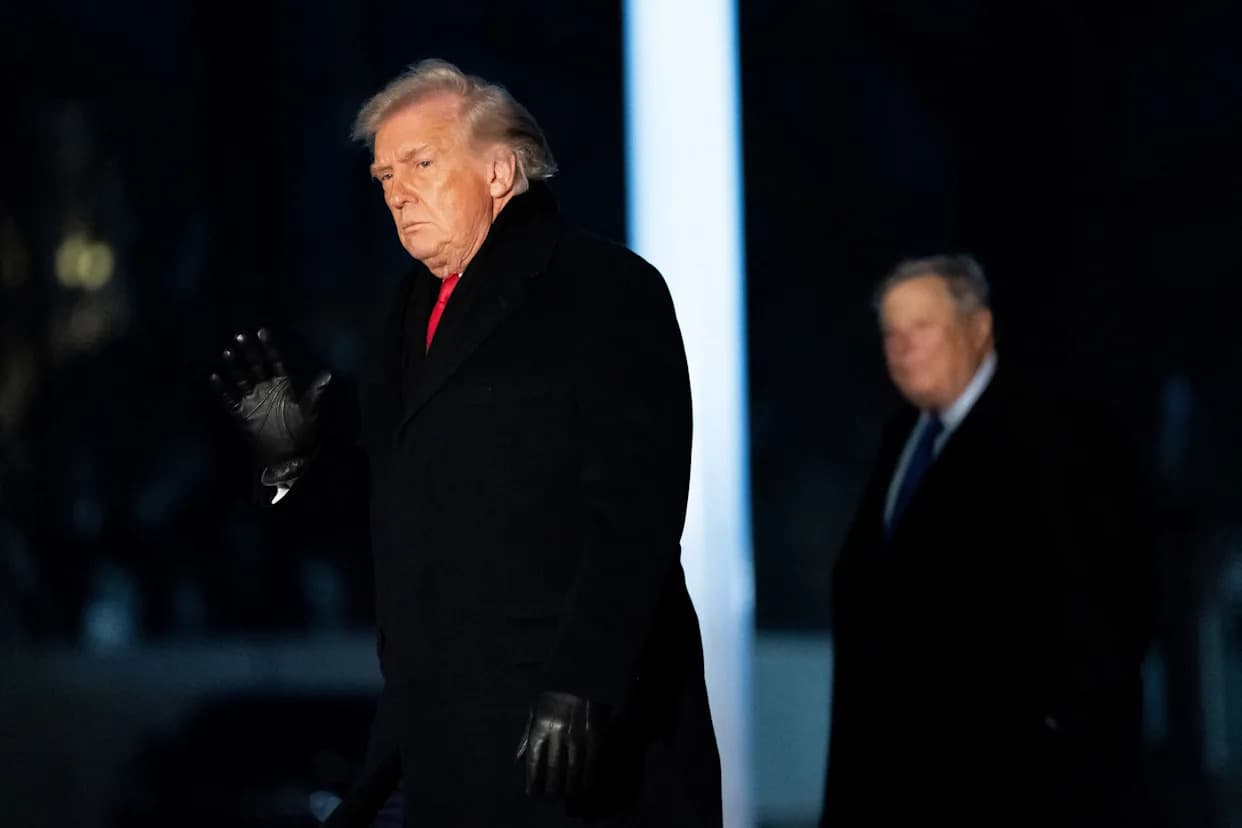
Air Force One leaves Zurich with Donald Trump onboard after the World Economic Forum meeting in Davos on Thursday - Michael Buholzer/Keystone via AP
NATO, Reconnaissance and a Transatlantic Misunderstanding
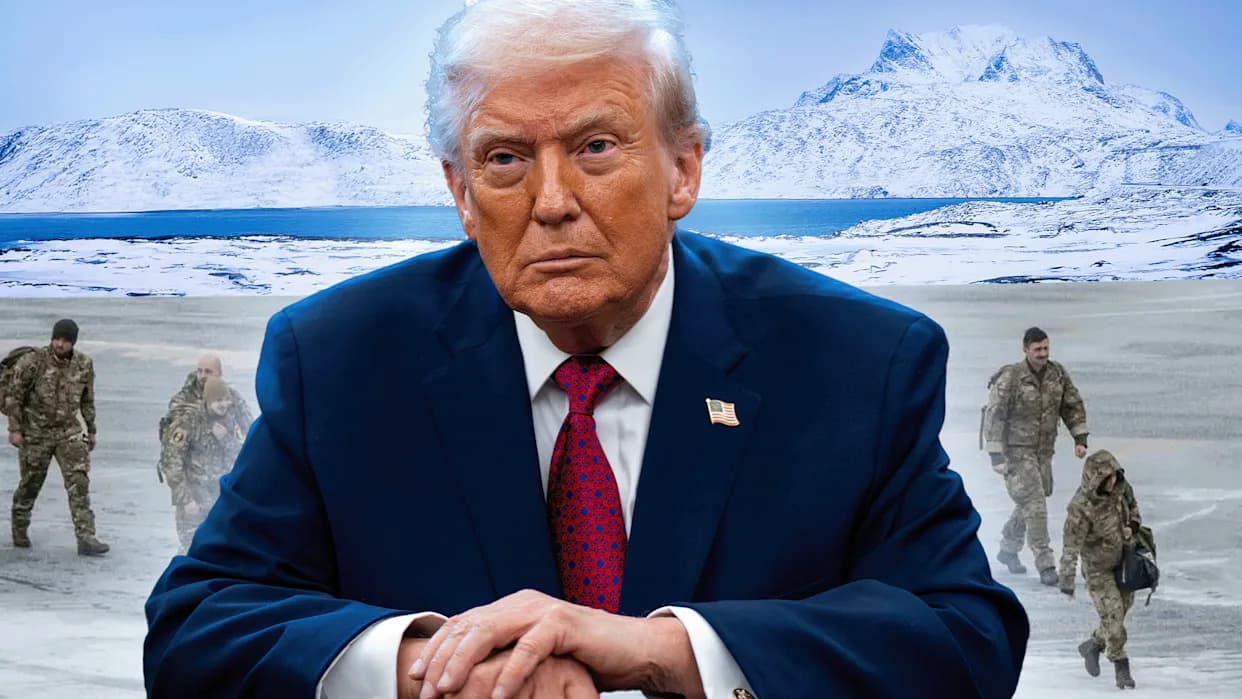
In response to U.S. security concerns about activity in the Arctic, a small NATO reconnaissance delegation — including a British defence attaché and personnel from several allies — visited Greenland to assess local defenses. Footage on U.S. television showing transport planes and troops exercising in the region alarmed Mr. Trump, who reportedly perceived those moves as an attempt to block U.S. influence.
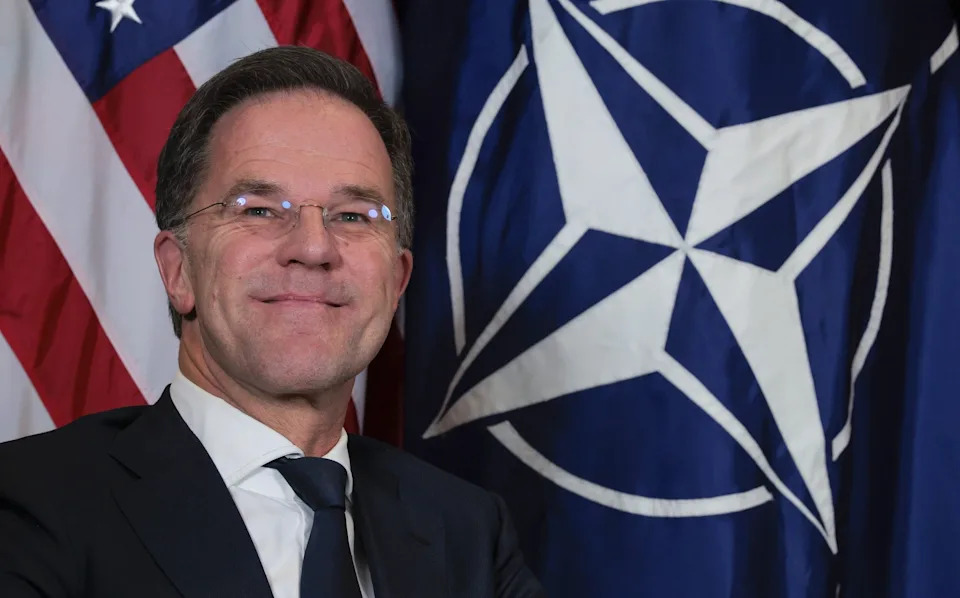
Mark Rutte, the Nato secretary general, called Donald Trump ‘Daddy’ in a text message last year, something the US president recalled in his 75-minute address at Davos this week - Chip Somodevilla/Getty
In reality, the NATO presence was limited and largely focused on assessment and cooperation. A storm disrupted some movements and the mission was not a large-scale deployment. Nonetheless, the optics helped escalate tensions, prompting the president to announce a 10% tariff on eight European countries that had participated in the mission.
Markets, Diplomacy and Davos
Financial markets reacted to the uncertainty. The S&P 500 slipped about 2.1%, the dollar weakened and gold rose roughly 2% as investors priced in geopolitical risk. Those market signals, together with urgent diplomatic outreach by several European leaders, appear to have contributed to a rapid de-escalation.
Some European leaders called publicly for a robust response to the U.S. initiative, while others engaged in private back-channel talks seeking to defuse the crisis. According to officials close to the discussions, a mix of market pressure, diplomatic appeals and practical constraints pushed the parties toward negotiating rather than confrontation.
Aftermath And Next Steps
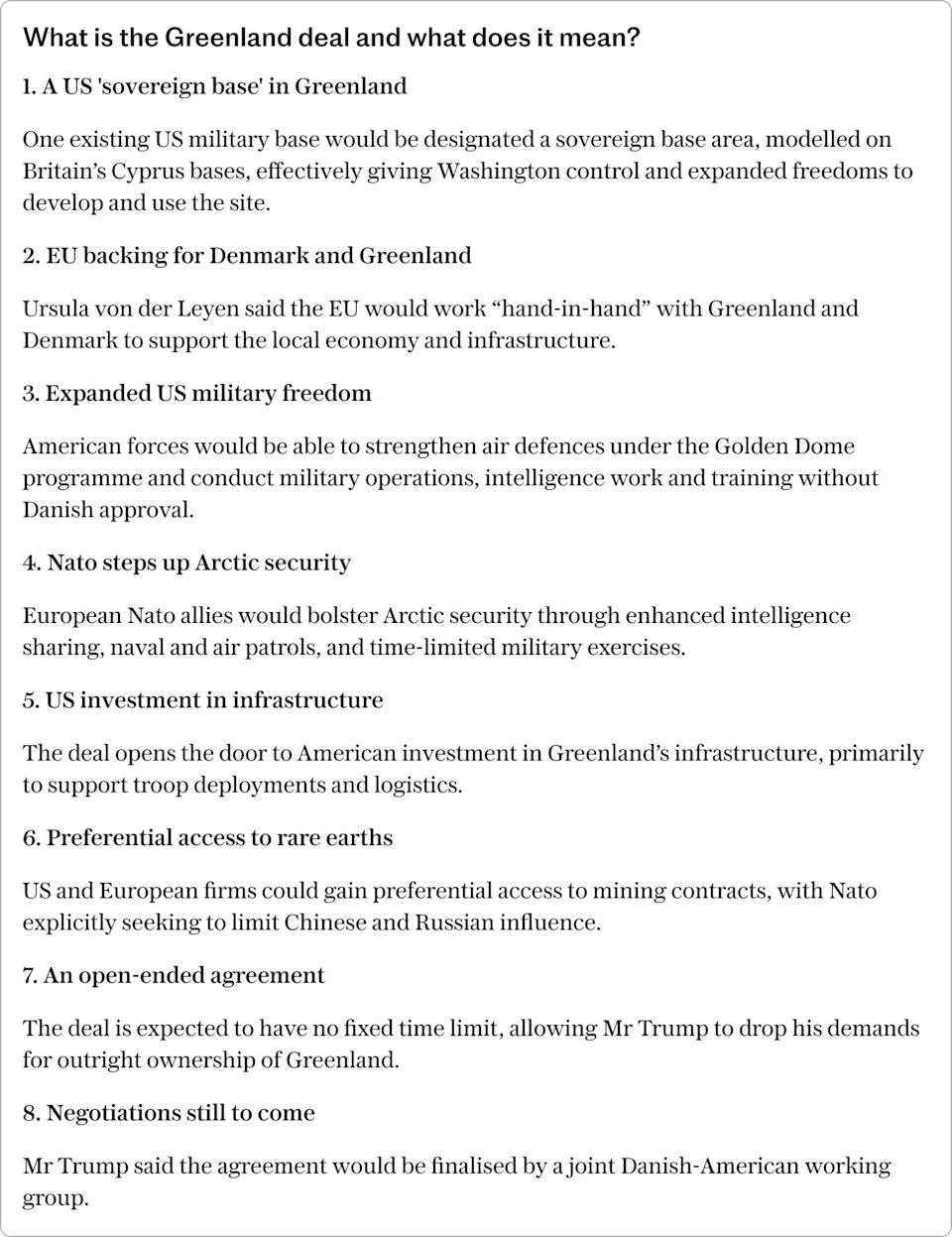
Although Mr. Trump declared an end to the immediate crisis, the announcement left key questions unanswered. Reports suggested that any future arrangement might address U.S. access to defense facilities and possible restrictions on third‑party (notably Chinese or Russian) investment, but Copenhagen rejected claims that any sovereign territory had been ceded.
The details are expected to be worked out in a U.S.–Denmark–Greenland working group. Officials emphasized that the outcome will likely focus on security cooperation, investment rules and base agreements — not on wholesale transfer of sovereignty.
Bottom Line: A mix of miscommunication, limited military reconnaissance and market sensitivity transformed a provocative proposal into a diplomatic negotiation. The announcement of a "framework" calmed immediate tensions, but major questions remain about access, investment limits and long-term security arrangements in the Arctic.
Help us improve.