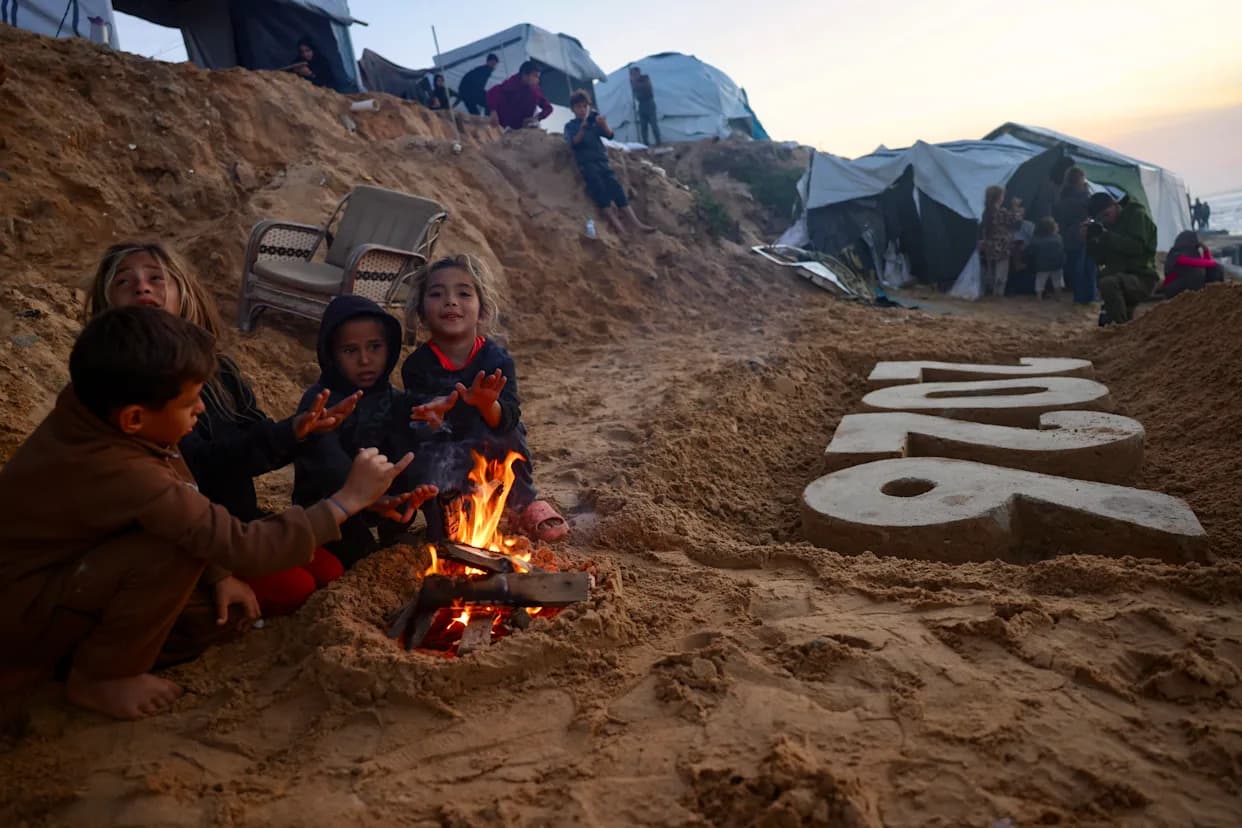
Sudan’s nearly three-year war has forced thousands of women in Blue Nile displacement camps to take on heavy manual labour to survive. More than 30 million people now need humanitarian assistance and an estimated 13.6 million have been displaced. Save the Children warns that over eight million children have missed about 484 days of schooling, while famine conditions are emerging in parts of the country as aid shortfalls deepen.
Sudanese Women Break Tradition To Survive As War Collapses Schools, Food And Aid
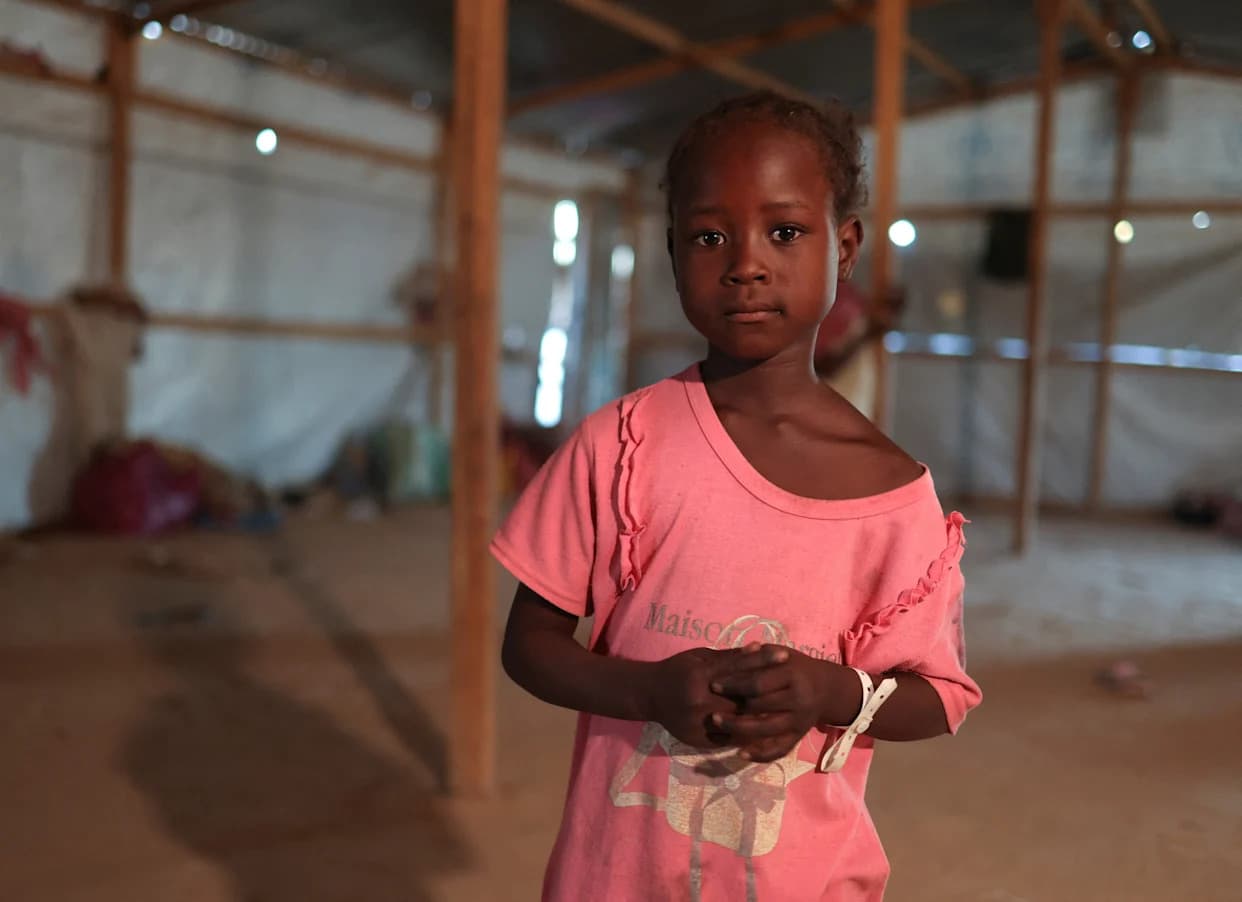
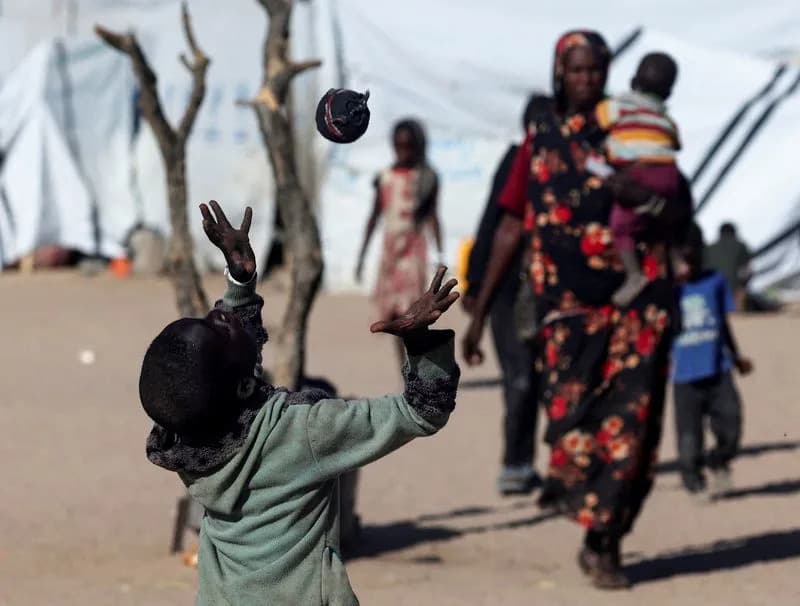
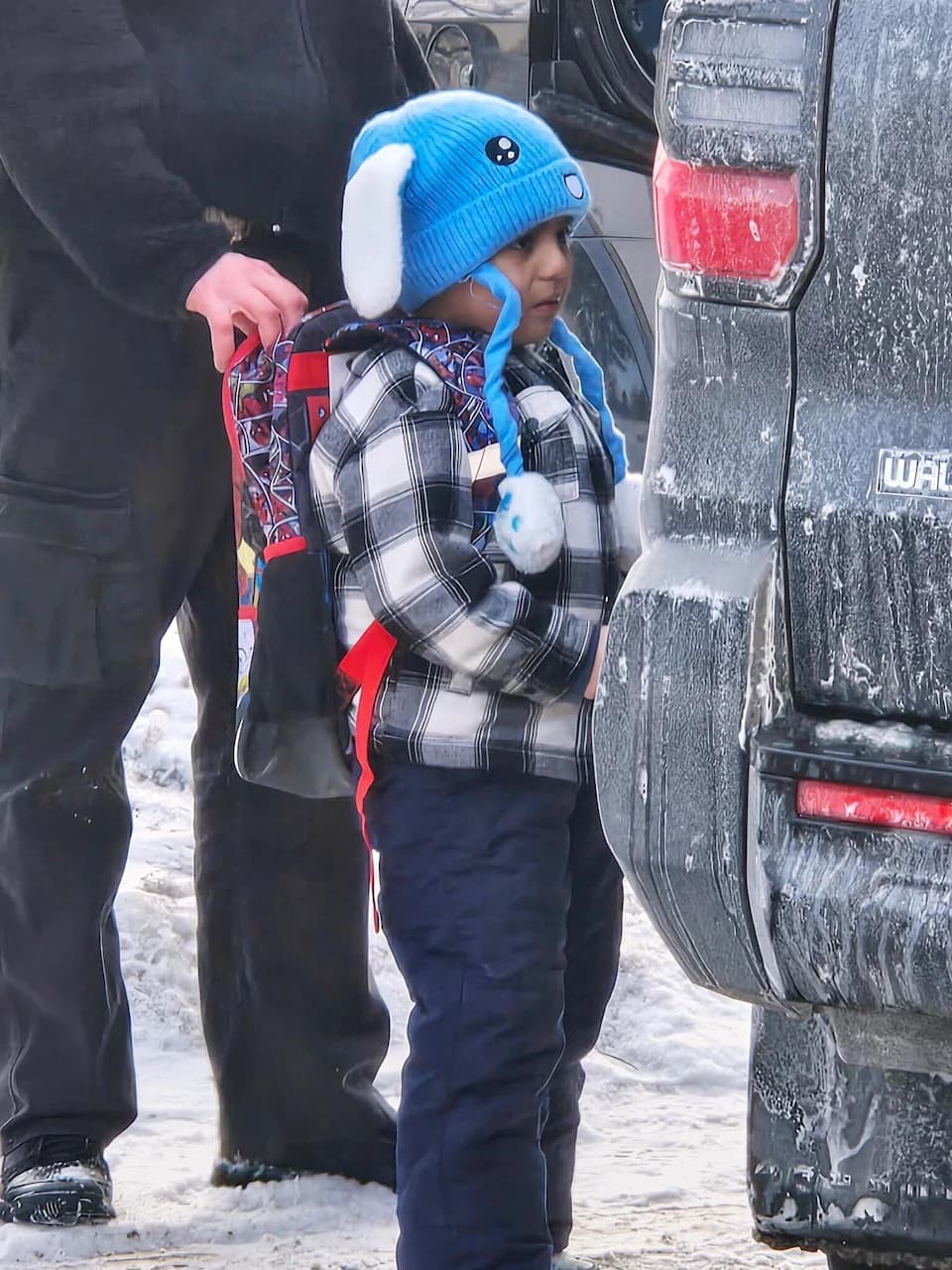
Mabroka Adam, a seven-year-old Sudanese refugee from el-Fasher in North Darfur, now lives in a tent in the Tine transit camp in eastern Chad. She dreams of going to school [File: Amr Abdallah Dalsh/Reuters]
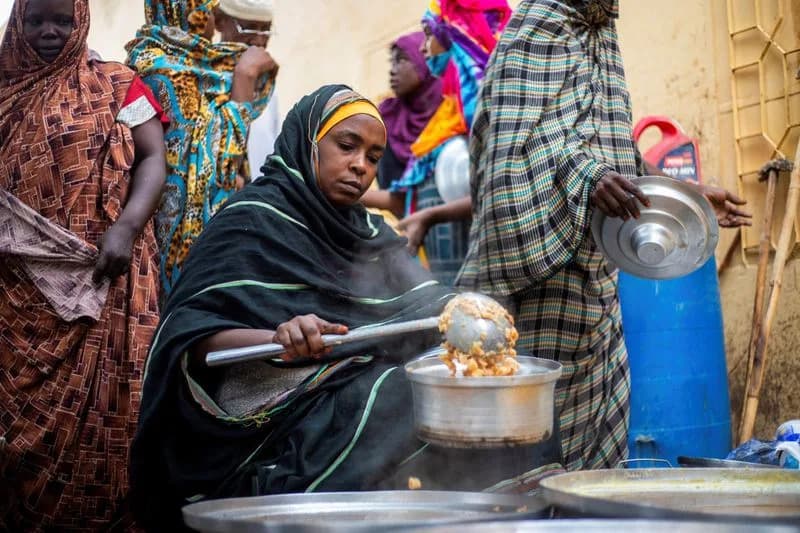
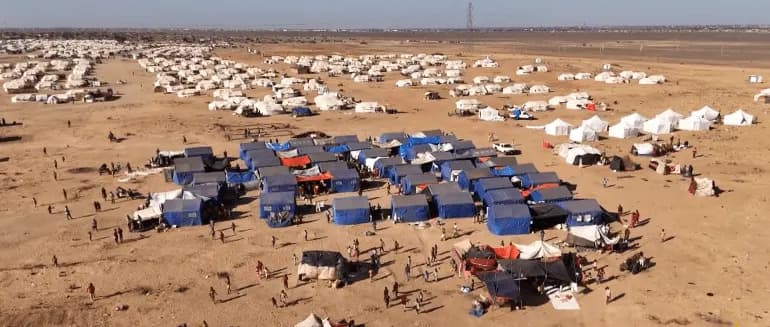
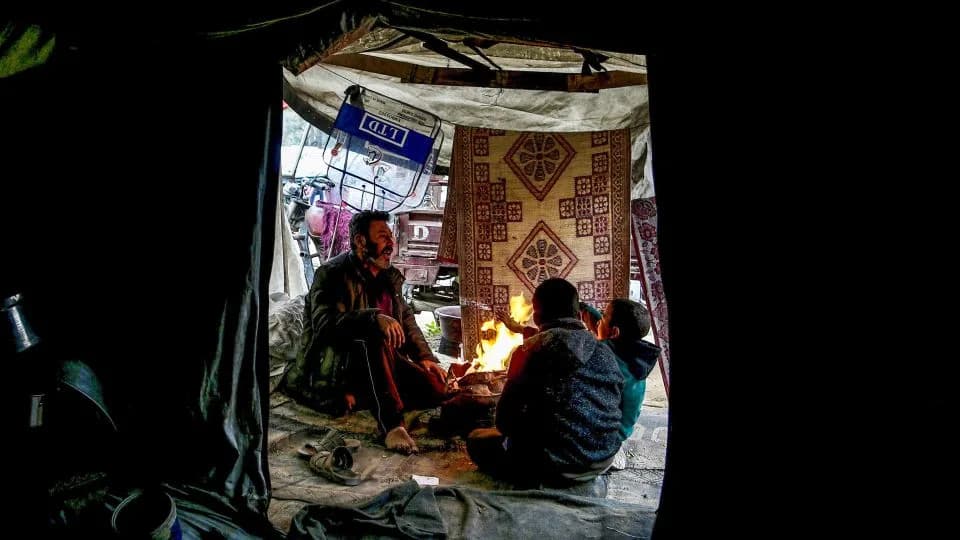
In displacement camps around Ad-Damazin in Blue Nile State, southeastern Sudan, the long-running conflict has upended social expectations and forced many women into gruelling manual labour to keep their families alive.
A Mother's Choice
One displaced mother, Rasha, has set aside long-standing expectations about gendered work and now earns a living as a woodcutter so she can feed her children. “Carpentry is hard… but the axe has become an extension of my hand,” she told Al Jazeera Arabic. “There are no choices left.”
“You want soap. You want to wash. As for clothes, we have given up hope on that.” — Rasha
Widespread Hardship
Rasha’s situation is not unique. Thousands of Sudanese women have become sole breadwinners, labouring under harsh conditions for meagre pay — sometimes little more than the cost of a single packet of biscuits after a full day of work. The nearly three-year war between the Sudanese army and the Rapid Support Forces has devastated livelihoods, public services and civilian safety across the country.
Education In Collapse
Save the Children published a stark analysis showing that more than eight million children — nearly half of Sudan’s school-age population — have missed roughly 484 days of learning since the conflict escalated in April 2023. That is about 10% longer than the longest pandemic-era school shutdowns elsewhere. Remote learning is not a viable option for most families, leaving children exposed to recruitment, exploitation and lost opportunities.
Humanitarian Emergency
According to the UN Office for the Coordination of Humanitarian Affairs (OCHA), more than 30 million people out of a population of 46.8 million now require humanitarian assistance. An estimated 13.6 million people have been forced from their homes — the largest displacement crisis in the world.
Key warning signs include only 3% of schools open in North Darfur, 13% in South Darfur and 15% in West Kordofan. Many teachers have gone unpaid for months, schools have been bombed or repurposed as shelters, and disease outbreaks are compounding the crisis.
Famine Risk And Aid Gaps
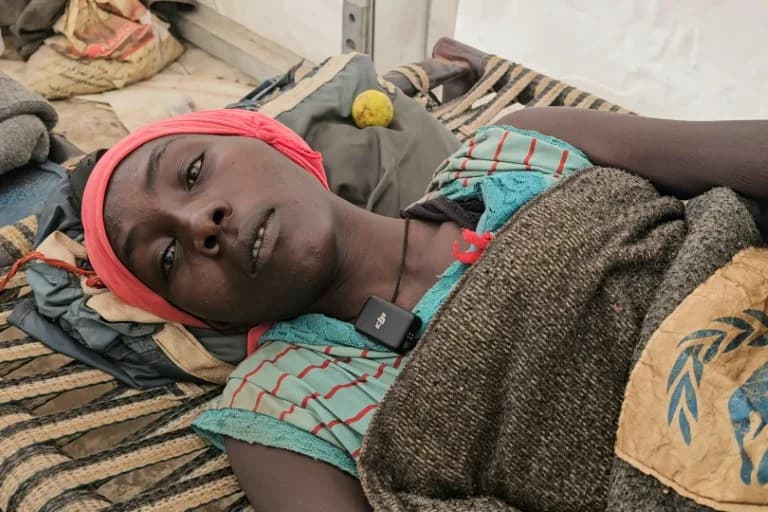
With aid funding dwindling — a fact confirmed by Blue Nile Humanitarian Aid Commissioner Qisma Abdel Karim — famine conditions are emerging in parts of the country. OCHA reports that at least 2,000 families in North Darfur are cut off from assistance because of intense fighting, and famine conditions have been confirmed in the besieged city of Kadugli in South Kordofan. The UN has appealed for $2.9 billion to fund the humanitarian response for the year.
On The Ground
“The war does not distinguish between a child, a woman or an elderly man,” Al Jazeera Arabic correspondent Taher Almardi said from Ad-Damazin. “Everyone is equal in misery.” For women like Rasha, the choice is stark: break entrenched social rules and perform gruelling labour for almost nothing, or face hunger and deprivation for their families.
Help us improve.