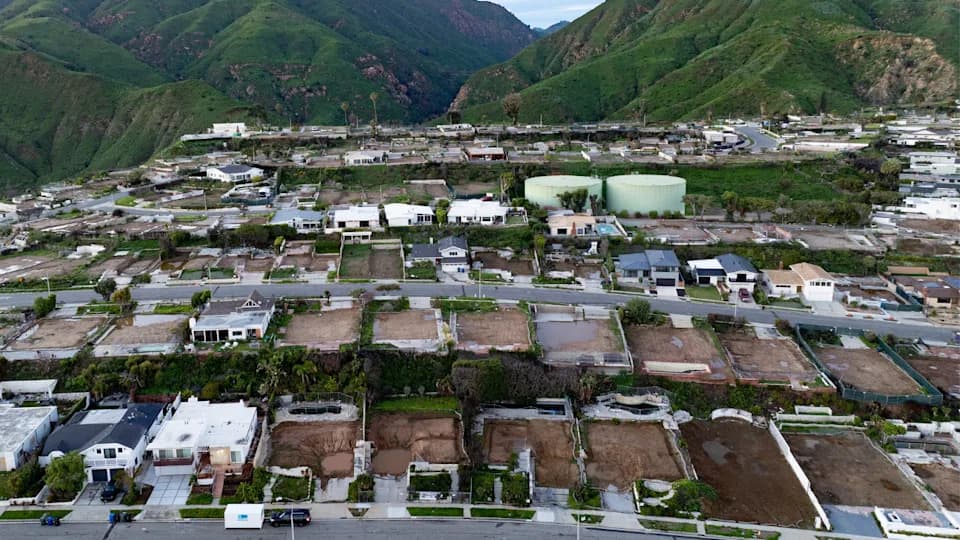
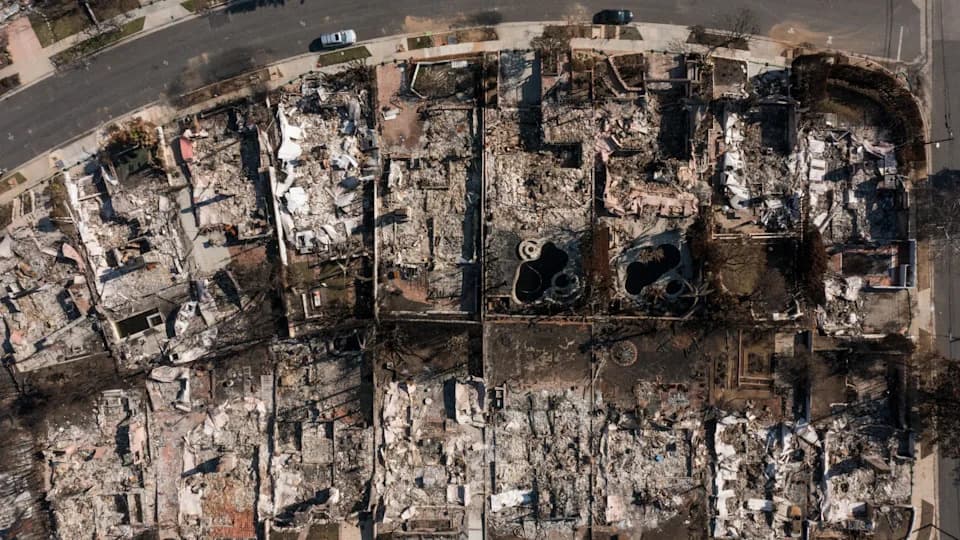
One year after California’s destructive wildfires, only about 500 of more than 16,000 destroyed structures have begun reconstruction and a handful of homes are fully rebuilt. An estimated 80% of survivors remain displaced, and roughly 70% face insurance delays or denials while about $40 billion in federal aid is under review. Some residents, like Karen Martinez, are rebuilding with county-approved fire-resistant materials; small businesses such as Tyler Wells’ restaurant have reopened to support employees and community recovery. Officials warn that insurance industry failures and political delays are the main barriers to a faster recovery.
One Year After California Wildfires: Rebuilding Lags as Survivors Face Insurance Roadblocks
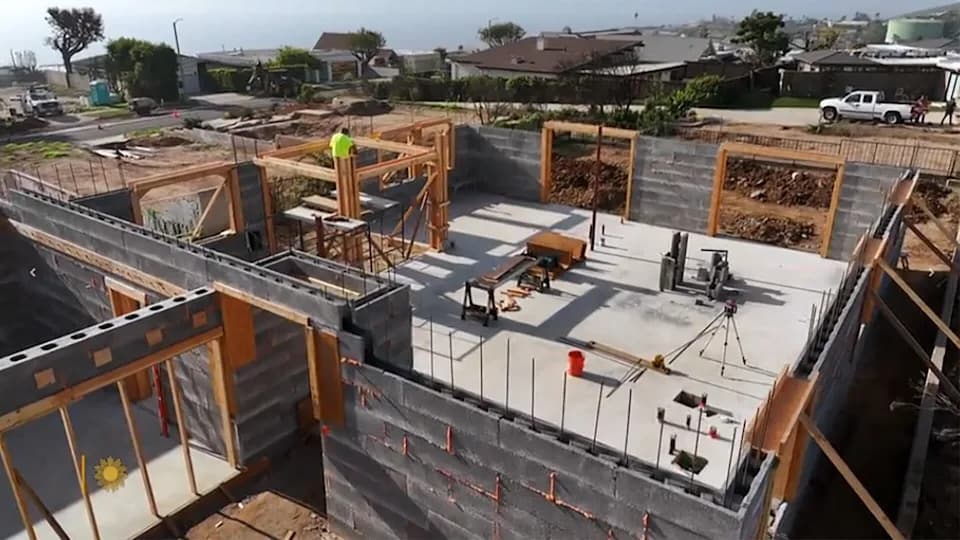
Noncombustible materials being used at a home construction site. / Credit: CBS News
Metallic grinding greets the morning in Pacific Palisades and Altadena, California, but the sound of construction is a small counterpoint to a much larger problem: recovery is moving slowly.
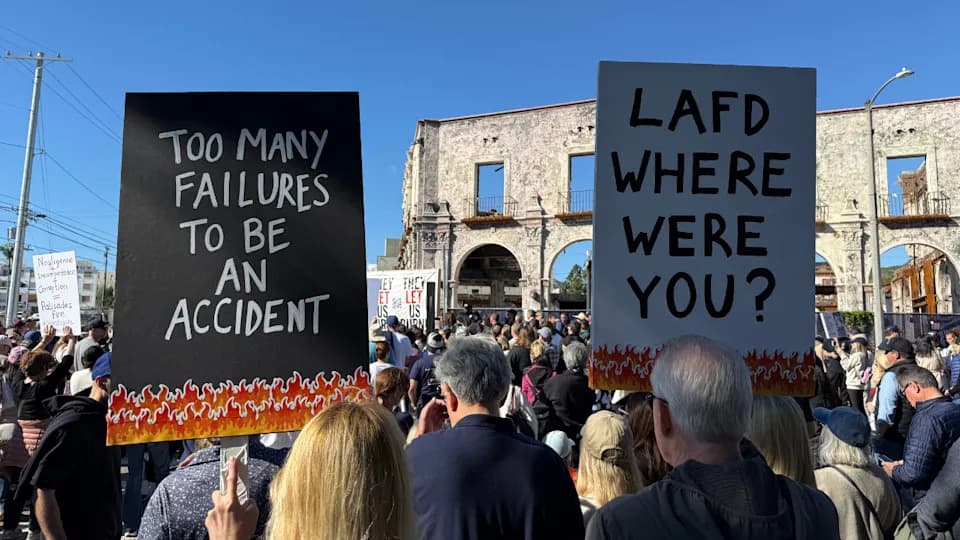
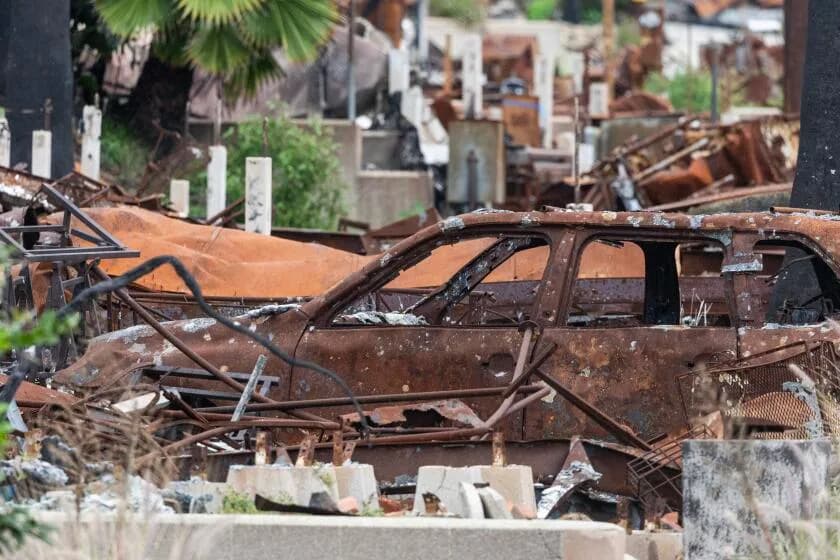
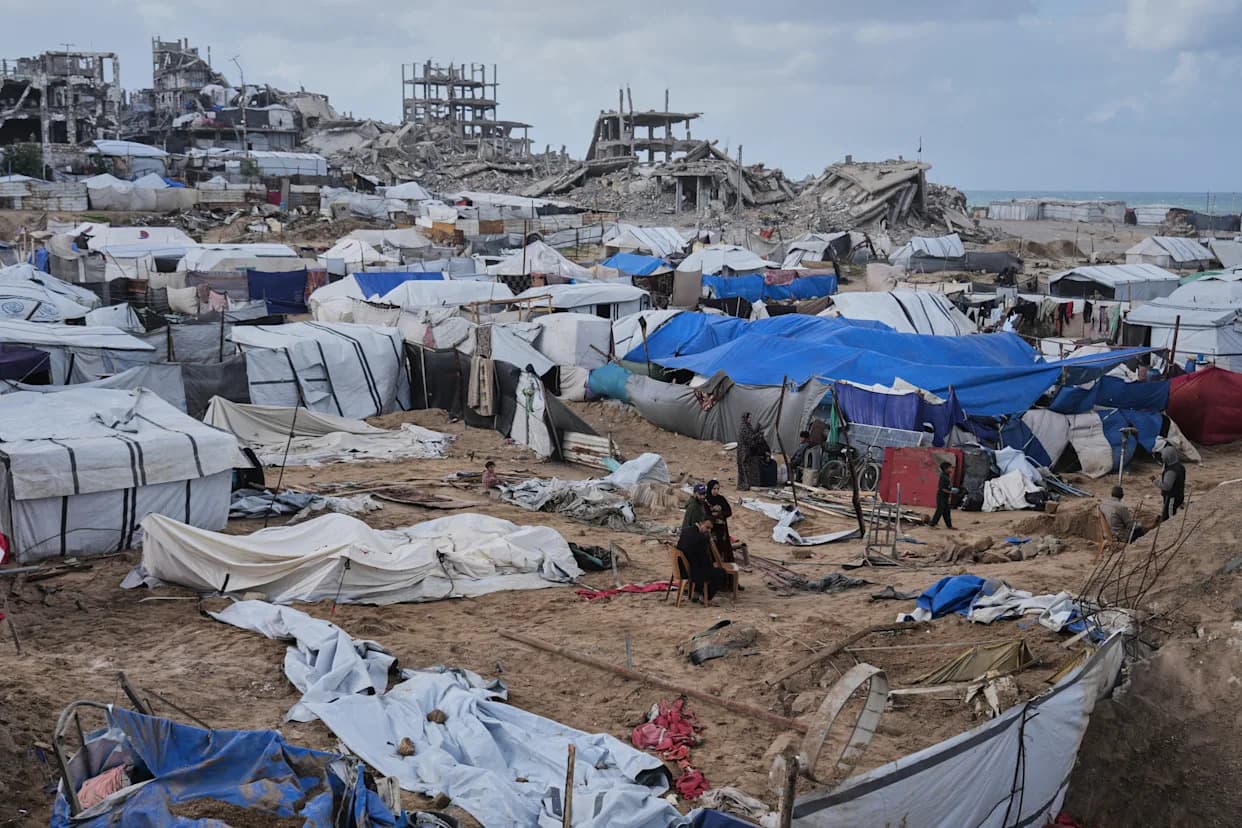
One year after devastating wildfires, rebuilding has begun on roughly 500 of the more than 16,000 structures destroyed. Only a handful of homes have been fully reconstructed, and an estimated 80% of survivors remain displaced.
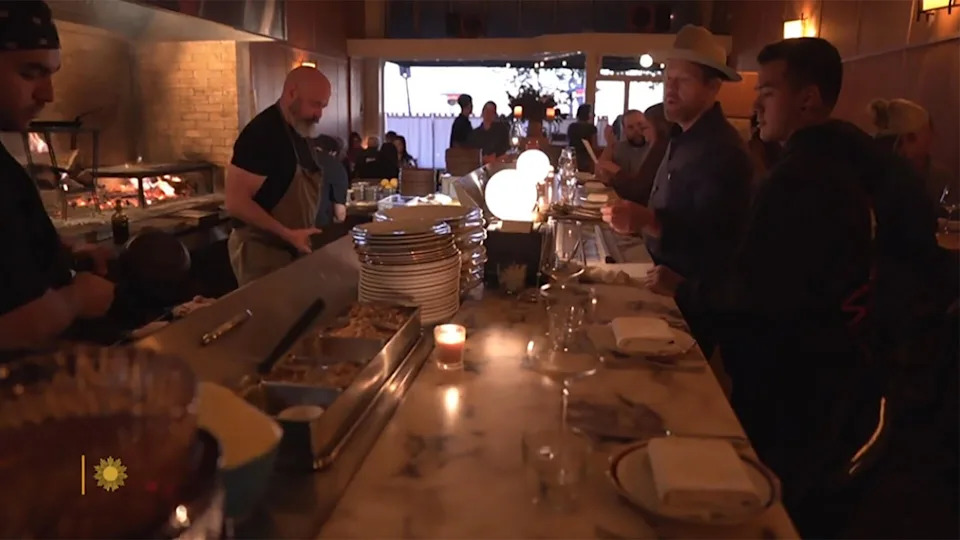
At Betsy, in Altadena, reservations are booked up weeks in advance. / Credit: CBS News
Permits, Costs and Insurance Delays
Survivors who want to rebuild face a tangle of challenges: complex permitting, rising construction costs and an insurance sector under strain. Industry problems have left about 70% of claimants dealing with delays or denials, slowing or blocking reconstruction for many families.
Kathryn Barger, Los Angeles County Fifth District Supervisor, said: "The reality is that the insurance industry has been broken for a long time. It’s really unfortunate that survivors are the ones feeling the impact, still waiting and still fighting with insurance."
People and Small Signs of Progress
Karen Martinez of Malibu is one of the few homeowners who has started rebuilding. After navigating permits, insurance settlements and rising prices, she broke ground in October and is using a county-approved concrete composite that is noncombustible and less expensive than comparable wood construction. Martinez is also encouraging neighbors to adopt the material to speed permitting and reduce future fire risk.
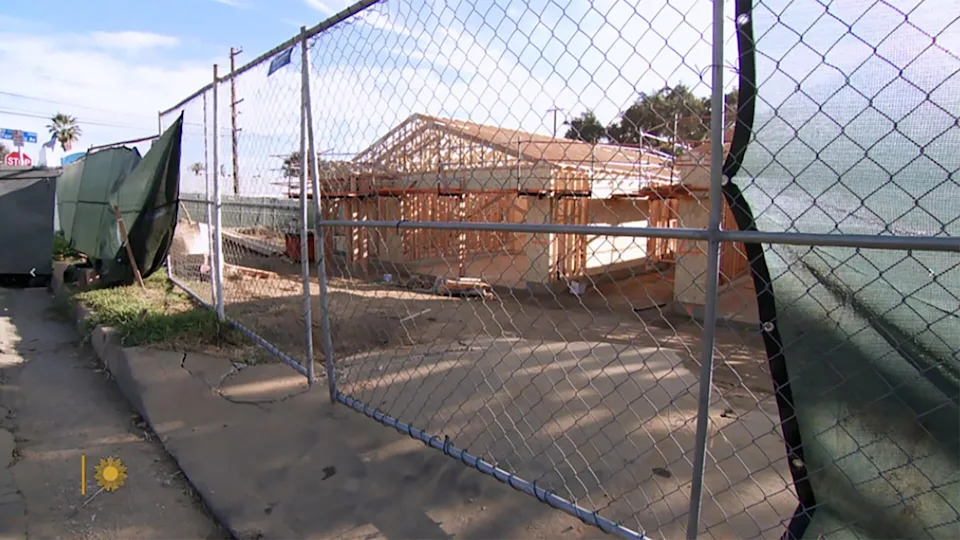
Eighty percent of fire survivors remain displaced. / Credit: CBS News
"I know there are going to be fires here," Martinez said. "If I can live in a home that's not going to burn, to me that's paradise." She calls the nearby construction noise "the sound of recovery."
Chef Tyler Wells lost his rental home when the fires struck but his Altadena restaurant survived with only minor damage. After months of deliberation, he reopened the restaurant, renamed it Betsy in honor of his late mother, and hired staff back to provide steady paychecks. Business has been strong—Eater named Betsy one of the 15 best new restaurants in the country—and Wells is building a second location next door. Many of his guests are fellow survivors.
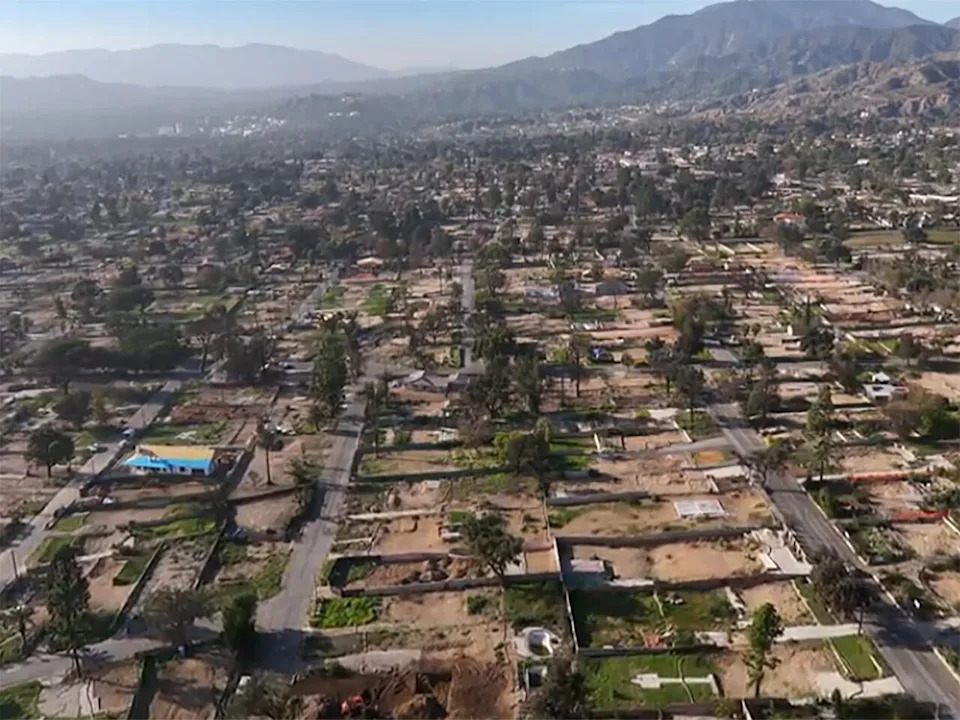
One year after the fires in Pacific Palisades and Altadena, Calif., construction has begun on just about 500 of the more than 16,000 structures lost, with only a few homes fully rebuilt. / Credit: CBS News
Politics, Aid and the Road Ahead
Local officials say crucial federal recovery funding—an estimated $40 billion for the region—is still under review, leaving reconstruction dollars stalled. Officials and survivors warn that political wrangling and a troubled insurance market are prolonging displacement and threatening the long-term viability of some communities.
Still, grassroots efforts, county-approved building materials and some insurer incentives for fire-resistant construction offer pathways to safer rebuilding. Survivors and small-business owners are balancing grief and loss with pragmatic decisions about how and whether to rebuild, often framing reconstruction as an opportunity to make homes and neighborhoods more resilient.
Reporting credits: Story produced by John Goodwin and Anthony Laudato. Editor: Jason Schmidt.
Help us improve.