One year after the Jan. 7, 2025 Los Angeles wildfires, many homeowners report lingering lead, asbestos and other toxic residues despite professional cleaning. Volunteer testing of 50 homes found 63% with lead above EPA standards and average readings nearly 60 times the clearance level. Residents face insurance disputes over testing and remediation, respiratory symptoms and significant mental-health strain as rebuilding continues.
One Year After Devastating LA Wildfires, Residents Still Face Toxic Homes

A worker in protective gear exits a storage container at a cleanup site, Dec. 3, 2025, months after the Eaton Fire, in Altadena, Calif. (AP Photo/Jae C. Hong)(ASSOCIATED PRESS)
ALTADENA, Calif. — A stark warning on the front door of an Altadena house reads: “DANGER: Lead Work Area — May Damage Fertility Or The Unborn Child. Causes Damage To The Central Nervous System.” Block after block, the signs are reminders that smoke, ash and soot from last year’s wind-driven wildfires left lingering and potentially hazardous contamination in neighborhoods that weren’t reduced to ash.
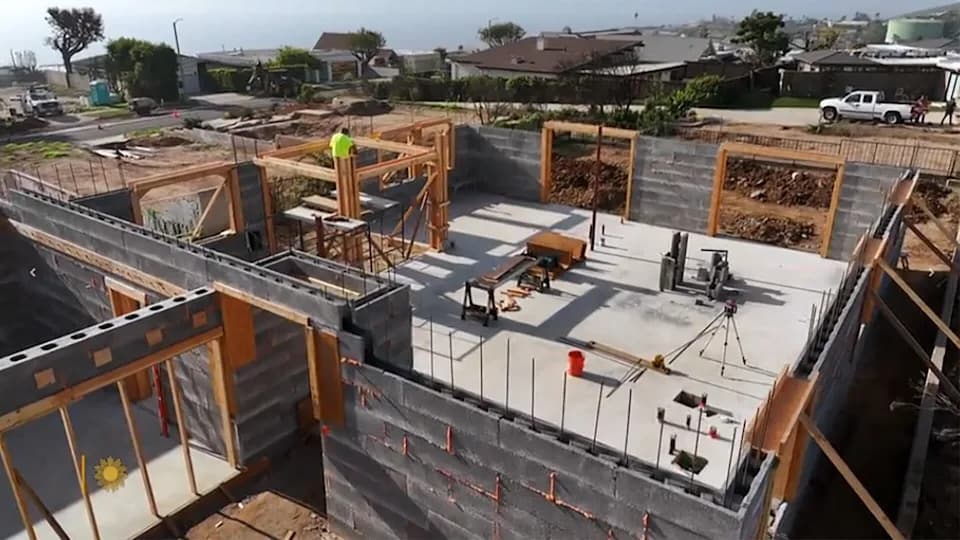
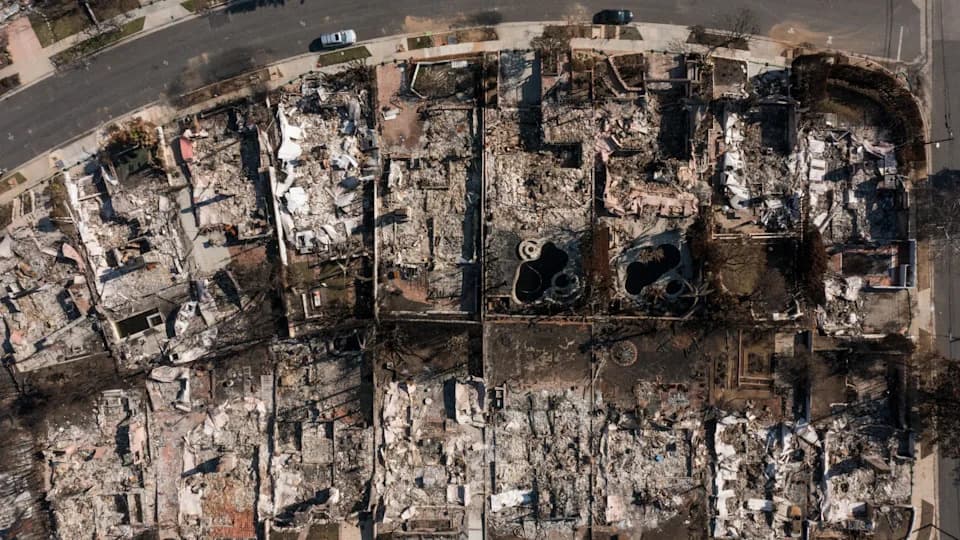
House cleaners, hazardous-waste crews and residents wearing masks, respirators, gloves and hazmat suits move through streets power-washing, wiping and vacuuming homes that survived the blaze. Rebuilding after the Jan. 7, 2025 fires — which killed at least 31 people and destroyed nearly 17,000 structures across the Los Angeles area — will take years. In the meantime, many homeowners are confronting a different, slow-moving threat: toxic residues inside their houses.
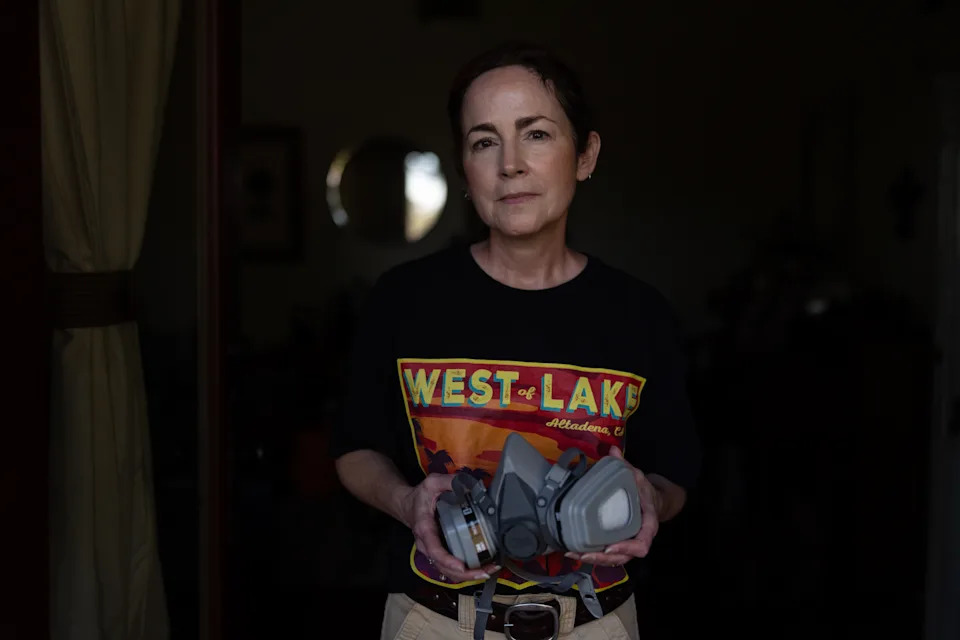
Nina Malone, whose home survived the Eaton Fire, stands for a photo with a respirator she uses when cleaning fire debris inside her home, Dec. 11, 2025, in Altadena, Calif. (AP Photo/Jae C. Hong)(ASSOCIATED PRESS)
What Tests Show
A volunteer report compiled by Eaton Fire Residents United found troubling results from 50 self-submitted post-cleaning tests: 63% of those homes had lead levels above the Environmental Protection Agency’s (EPA) standard, and the average lead measurements in the sample were nearly 60 times the EPA clearance level. The report also found that six out of 10 smoke-damaged homes showed dangerous levels of asbestos, lead or both.
Experts caution that the sample is self-selected and limited, but environmental scientists and public-health specialists say the findings are consistent with what can be expected after urban conflagrations. Ash from burned cars, electronics, paints and household goods can contain asbestos, lead, heavy metals, volatile organic compounds (VOCs) and other toxins — a complex mixture that may pose short- and potentially long-term health risks.
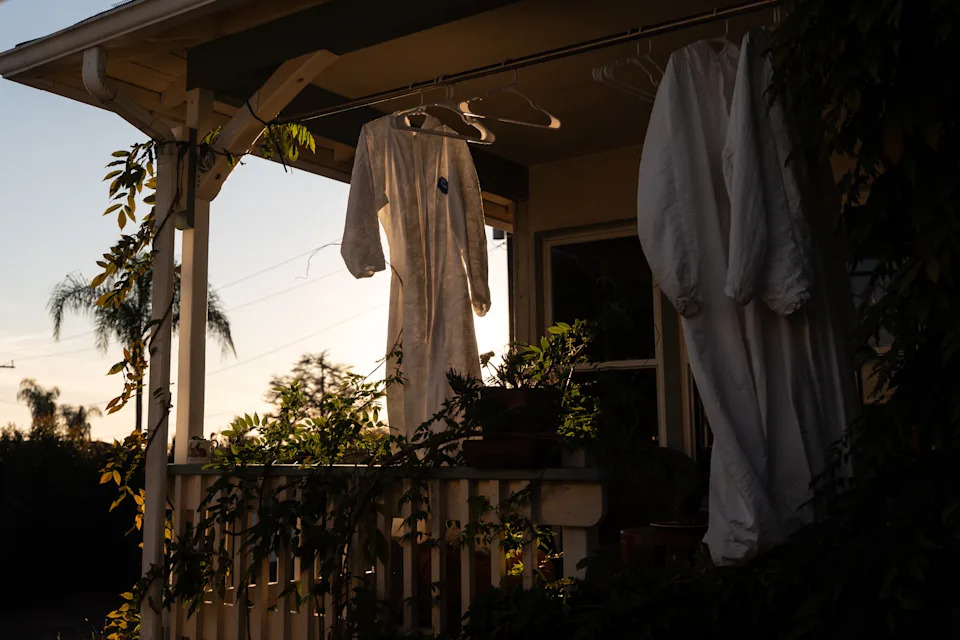
Protective suits hang outside a home that survived the Eaton Fire, Dec. 2, 2025, in Altadena, Calif., as cleaning crews remove fire debris from the property. (AP Photo/Jae C. Hong)(ASSOCIATED PRESS)
Residences, Symptoms and Risks
Nina and Billy Malone, who lived in their Altadena house for 20 years, say professional cleaning left detectable lead on their wooden floors. When insurance benefits ended, they returned in August and now wake up with sore throats and headaches; Billy has an inhaler for worsening wheezing. Many residents report similar respiratory symptoms and anxiety about unknown contaminants that insurers are not required to test for.
Health specialists note particular risks for pregnant people and young children, since lead exposure can impair brain development. Asbestos exposure is also a serious concern because no level of exposure is considered safe. Some emerging research links particles produced in large fires — including iron-bearing minerals such as magnetite — with long-term neurological risks, although the evidence is still evolving.
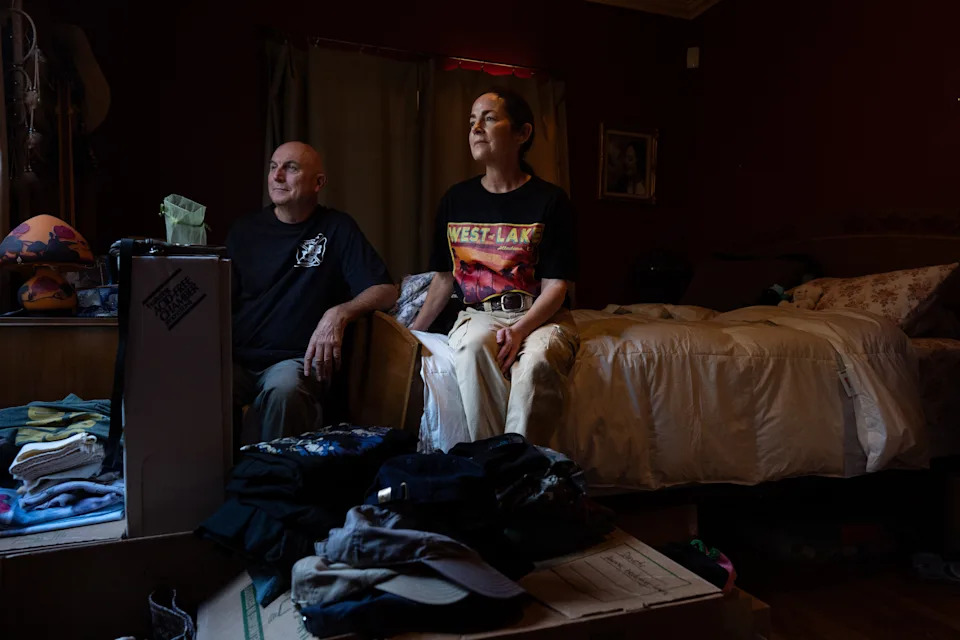
Billy Malone, left, and his wife, Nina, pose for a photo in the bedroom of their home, which survived the Eaton Fire, Dec. 11, 2025, in Altadena, Calif. (AP Photo/Jae C. Hong)(ASSOCIATED PRESS)
Insurance Battles And Out-Of-Pocket Costs
Homeowners say they face an uphill fight with insurers over what testing and cleanup must be covered. Some insurers have told policyholders they will only pay for remediation of federally regulated contaminants like lead and asbestos. Families such as the Malones and Zoe Gonzalez Izquierdo report insurers refusing to pay for comprehensive retesting or certified cleanup work, forcing some homeowners to consider paying thousands of dollars out of pocket.
Julie Lawson, another Altadena resident, spent about $7,000 on soil testing for her yard even though her insurer agreed to replace the grass. Many homeowners expect to live in active construction zones for years while equity, community cohesion and mental health continue to suffer.
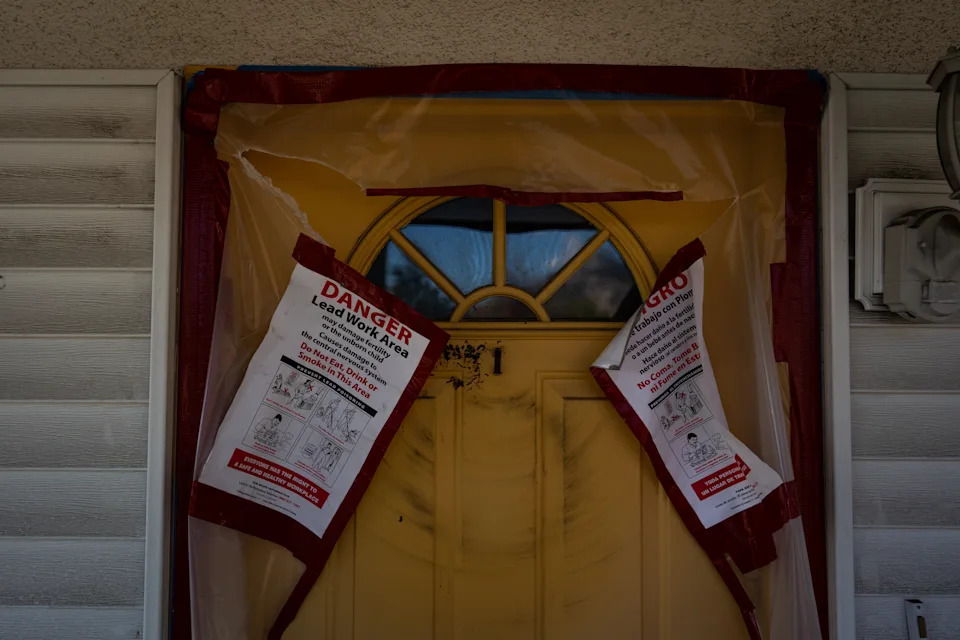
Warning notices are posted on the door of a home that survived the Eaton Fire, Dec. 3, 2025, in Altadena, Calif. (AP Photo/Jae C. Hong)(ASSOCIATED PRESS)
Practical Advice For Returning Residents
Public-health experts recommend several steps for people returning to homes after a wildfire: ventilate indoor spaces when outdoor air quality allows, use high-efficiency particulate air (HEPA) purifiers with activated-carbon filters for smoke-related VOCs, avoid sweeping or dry dusting that can re-suspend contaminated particles, and hire certified industrial hygienists for comprehensive testing and remediation when possible.
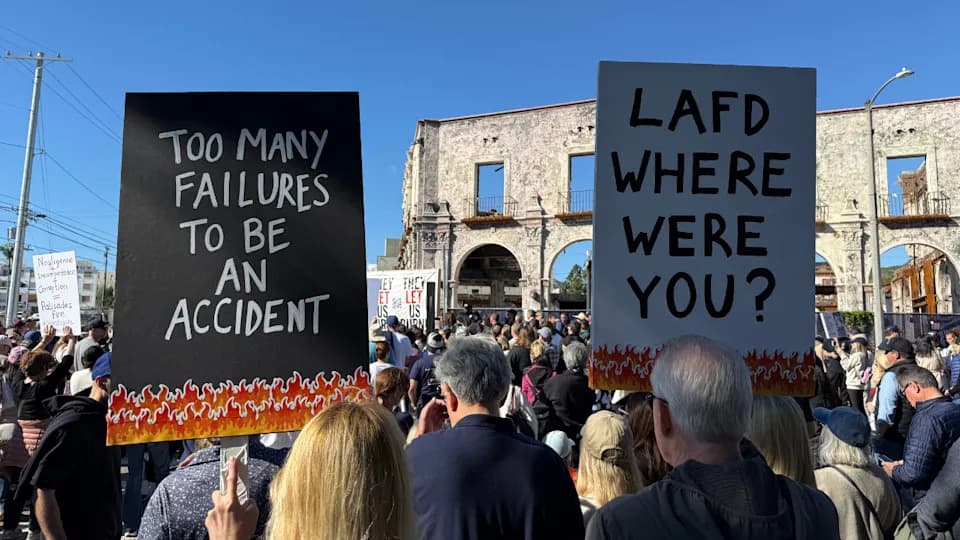
Still, testing capacity and clear standards for post-fire indoor contamination remain limited, and professionals sometimes disagree about what to measure. Nonprofit groups and policy advocates are pressing for clearer rules and stronger oversight of insurance practices to ensure homes are returned to safe conditions.
Mental-Health Toll
Advocates say the stress of prolonged displacement, repeated cleanup efforts and uncertainty about safety is taking a heavy emotional toll. Annie Barbour of United Policyholders, a disaster-recovery advocate and survivor of Northern California’s 2017 Tubbs Fire, describes the experience for many returning homeowners as “a special kind of hell” — relief that a home still stands mixed with persistent fear and loss.
As communities rebuild, residents, scientists and officials agree on one clear need: more robust testing, clearer remediation standards and insurance policies that cover the full costs of making homes truly safe after urban wildfires.
AP staff writer Alex Veiga contributed to this report.
Help us improve.