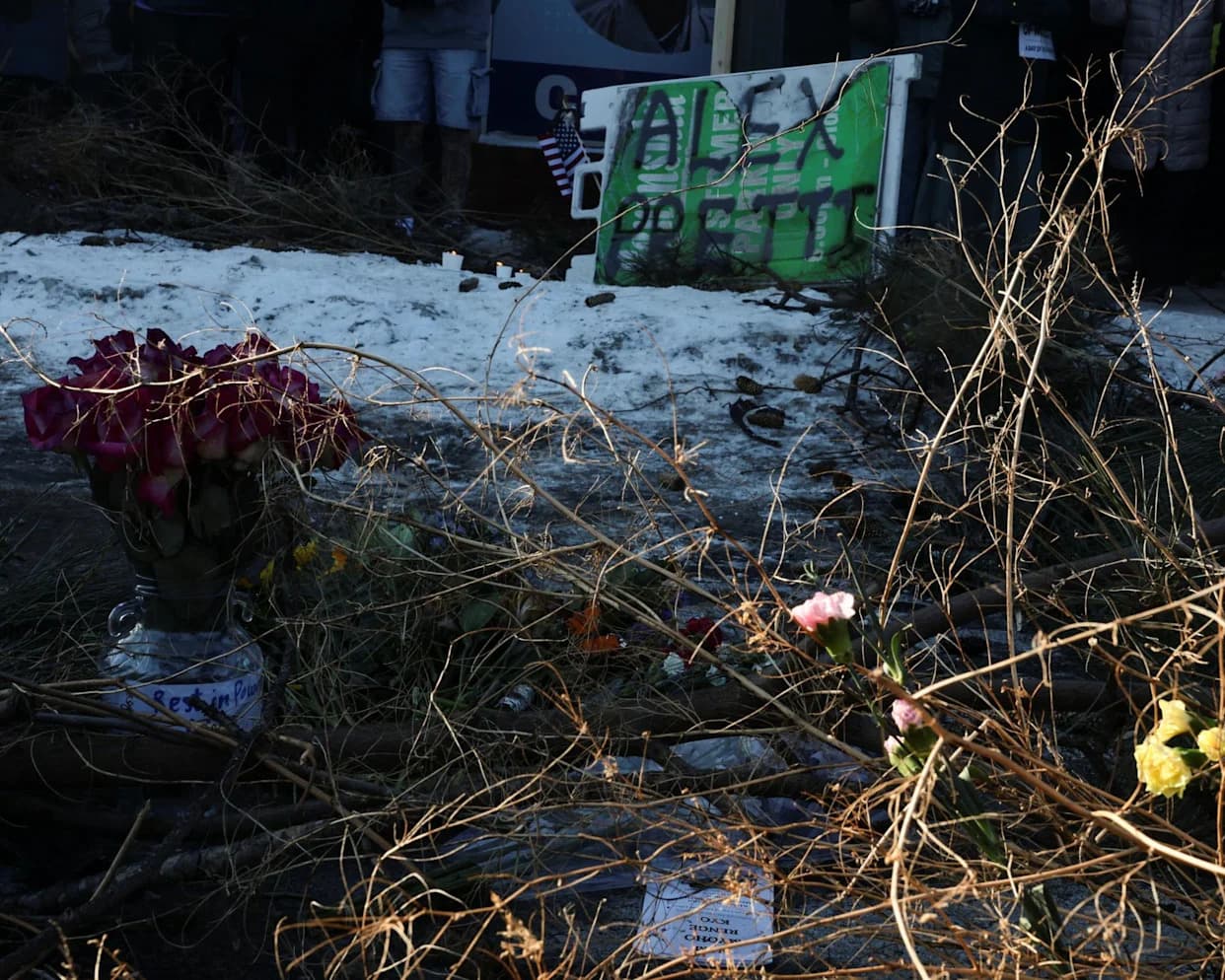
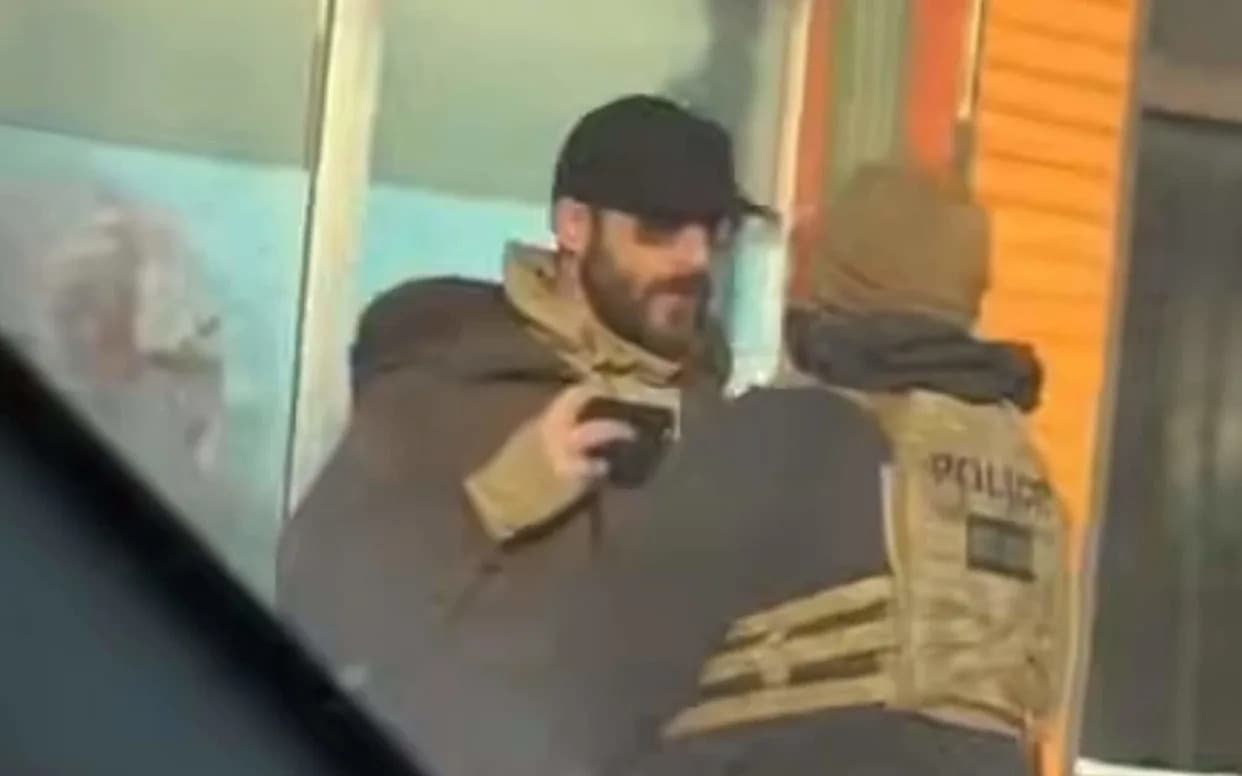
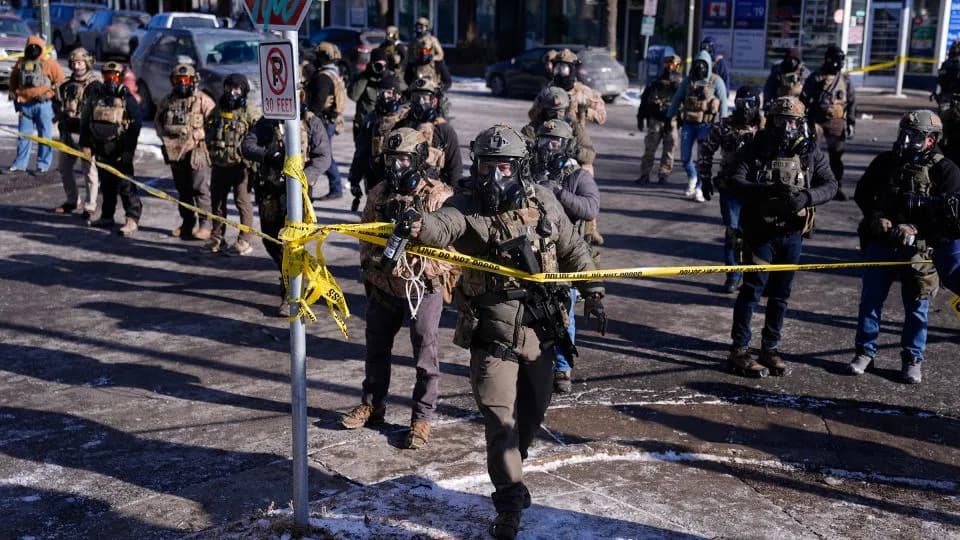
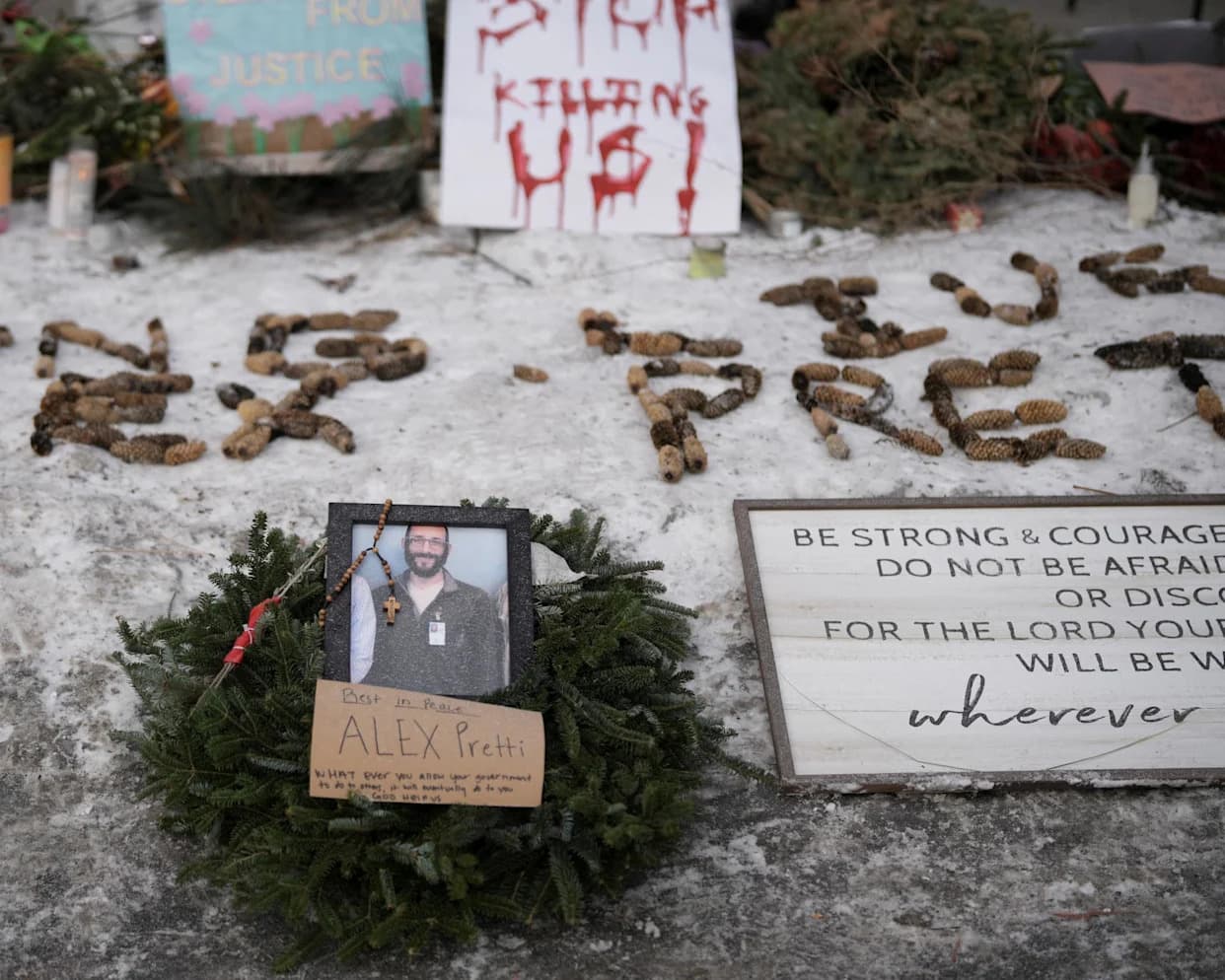
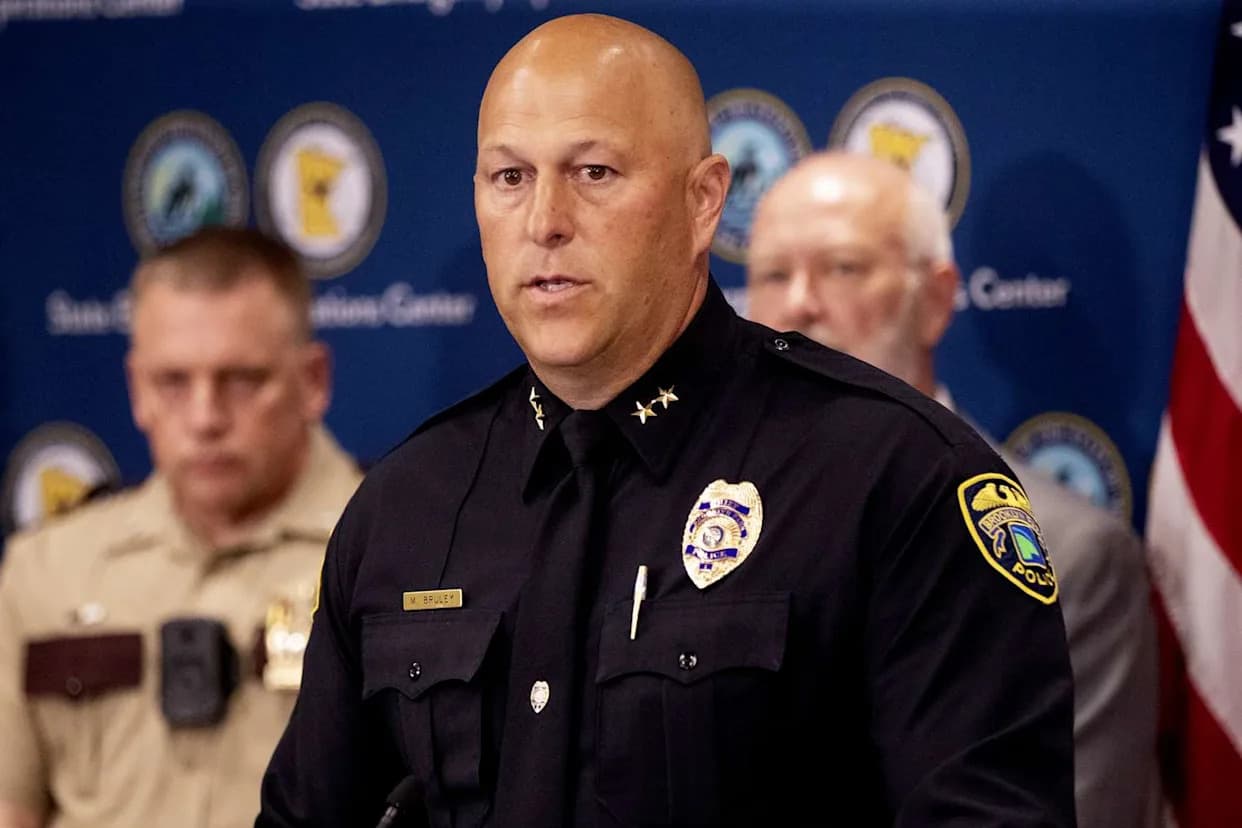
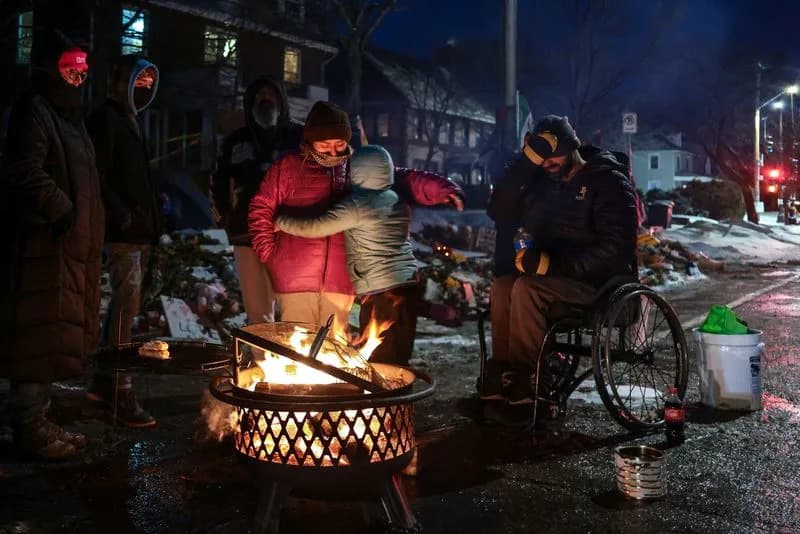
Minneapolis Police Chief Brian O'Hara told Face The Nation that federal partners did not share key information after a recent fatal shooting and that state investigators were initially blocked from the scene. He said public video appears to show the deceased, identified as Pretti, exercising his rights to record and lawfully carry a firearm, and that he has not seen evidence the weapon was brandished. O'Hara warned the department — about 600 officers — is stretched thin amid rising shootings and large immigration-enforcement deployments, and described some federal tactics as unsafe and inflaming community outrage.
Minneapolis Police Chief Says State Agents Were Blocked, City ‘Stretched Thin’ After Fatal Shooting
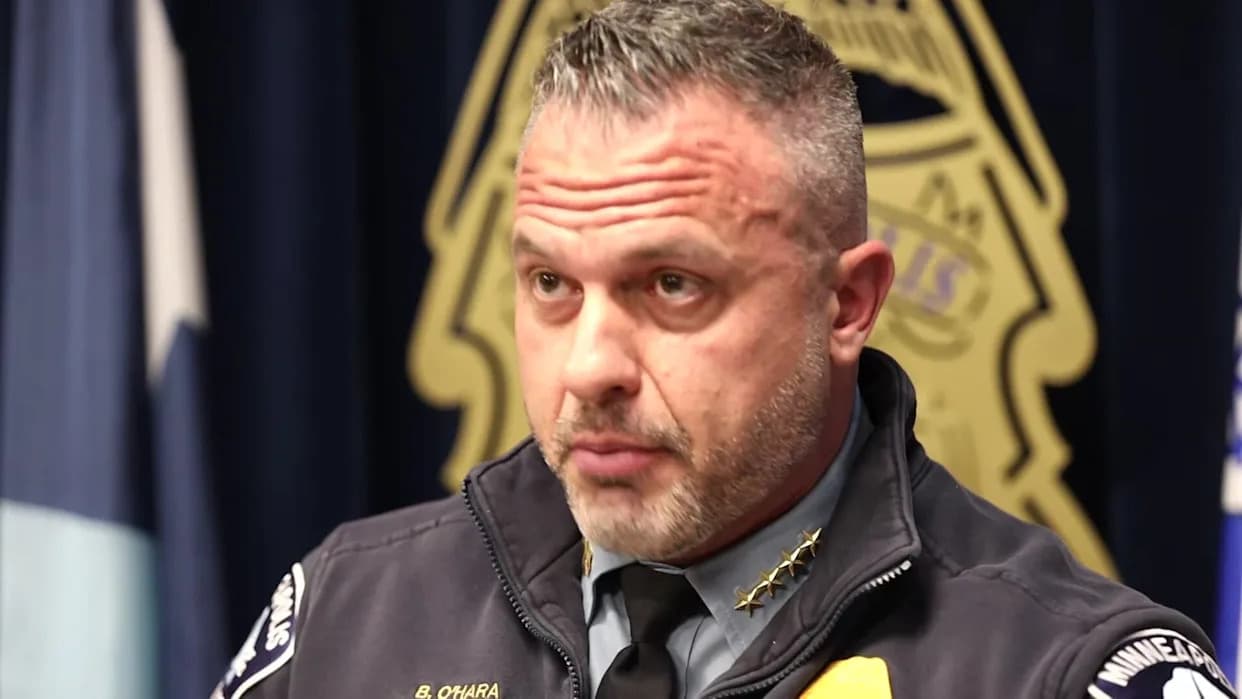
Edited transcript: The following is an edited transcript of Minneapolis Police Chief Brian O'Hara's interview with Margaret Brennan on Face the Nation, Jan. 25, 2026.
Margaret Brennan: Chief O'Hara, thanks for joining us.
Brian O'Hara: Good morning, Margaret.
Margaret Brennan: What have you been able to learn so far about the shooting? We just heard Secretary Noem and Mr. Bovino give their accounts. Do the videos and the evidence support what they described?
O'Hara: Unfortunately, we have not received official information from federal law enforcement about the incident. When our officers first arrived, our watch commander was not provided even the basic details typically shared in a law-enforcement-involved shooting — for example, whether other victims might be present. At my request, the Minnesota Bureau Of Criminal Apprehension responded; they were blocked from the scene yesterday but have since returned and are now canvassing for witnesses and evidence.
Margaret Brennan: So are you saying Minnesota only began its investigation today?
O'Hara: There were attempts to begin yesterday. I do not know what, if anything, was done then. I do know that while state agents were present, more than once they were prevented from entering before the scene became contaminated.
Margaret Brennan: For viewers who may not know, Minnesota has the Bureau Of Criminal Apprehension as the state agency that handles use-of-force investigations, separate from your department.
O'Hara: Correct.
Margaret Brennan: Based on public video and what you've heard from federal officials, is there evidence that Pretti assaulted federal officers as the Border Patrol chief has said?
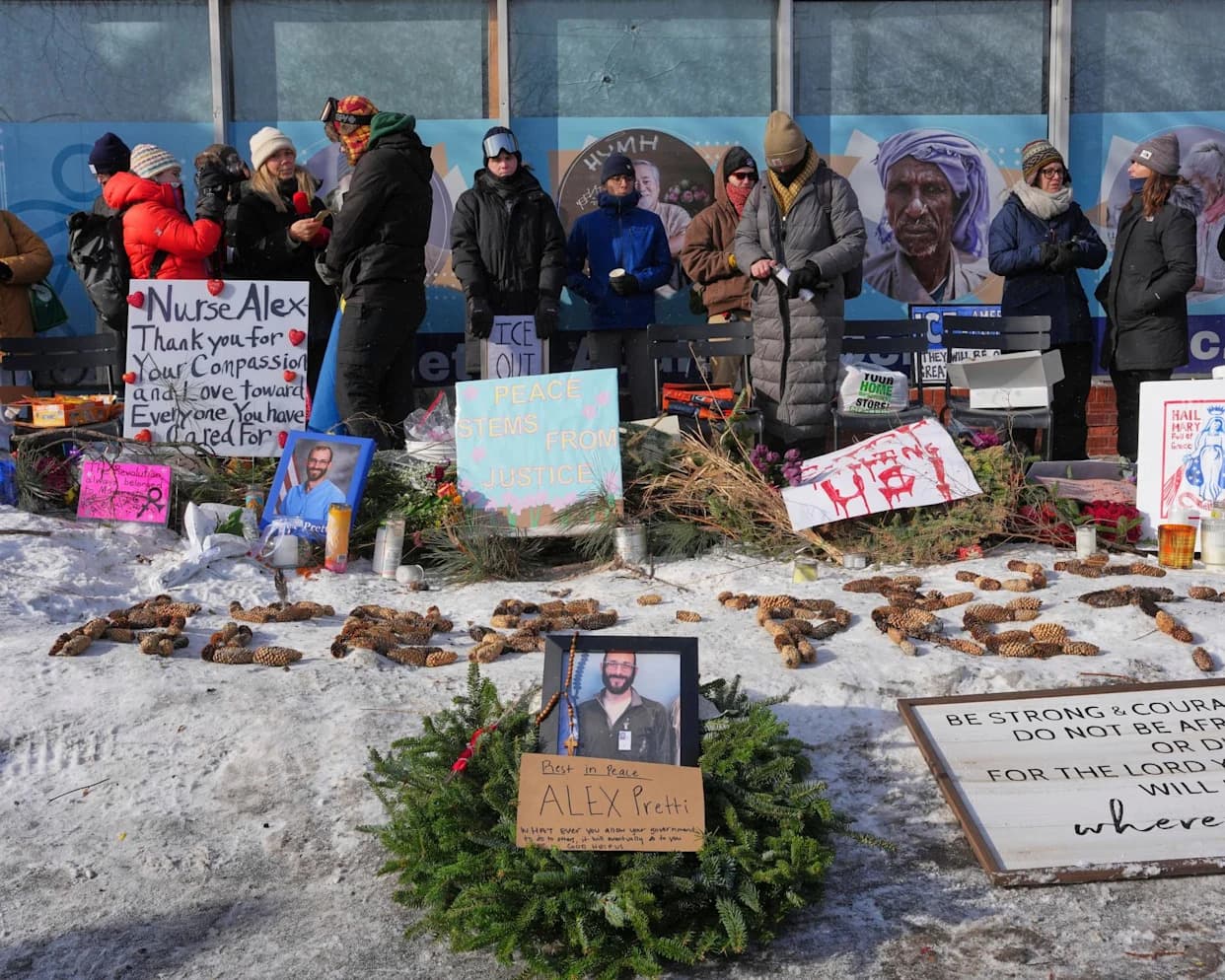
O'Hara: I have seen the videos, as have thousands of others. The footage speaks for itself, and the statements being circulated are deeply troubling. Pretti appears to have been a city resident exercising his First Amendment right to record law enforcement and his Second Amendment right to lawfully carry a firearm in public. Even if an investigation later determines the shooting was legally justified, that finding will not erase the outrage and concern in the community.
Margaret Brennan: When you say it doesn’t matter at this point, do you mean public perception has already been set?
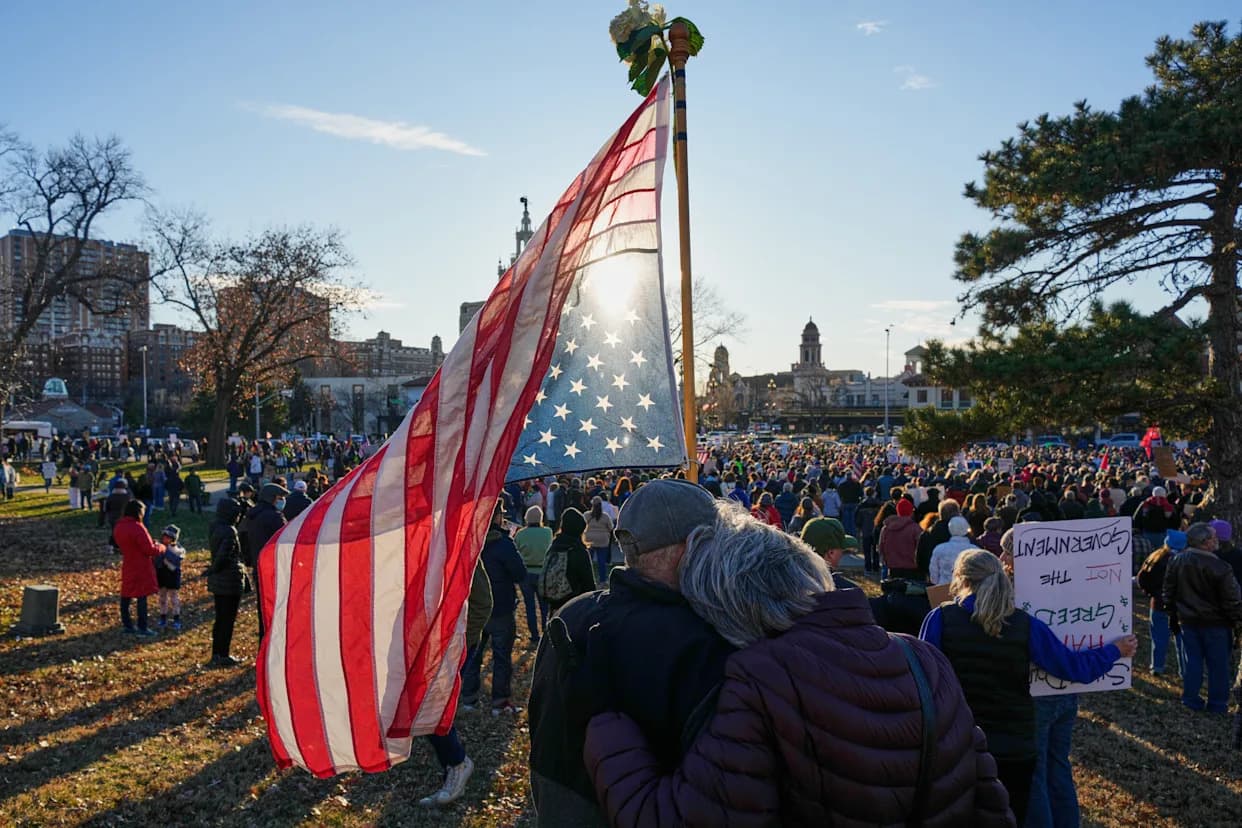
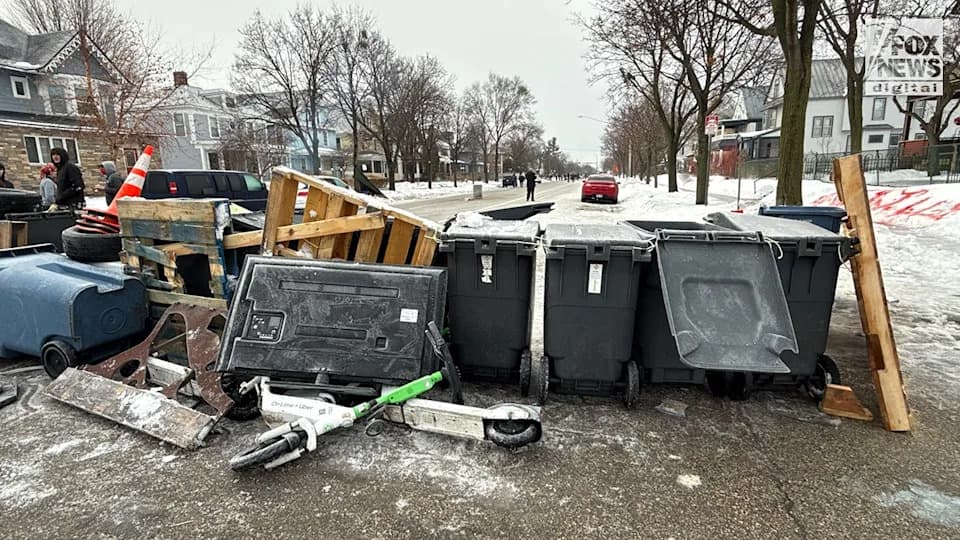
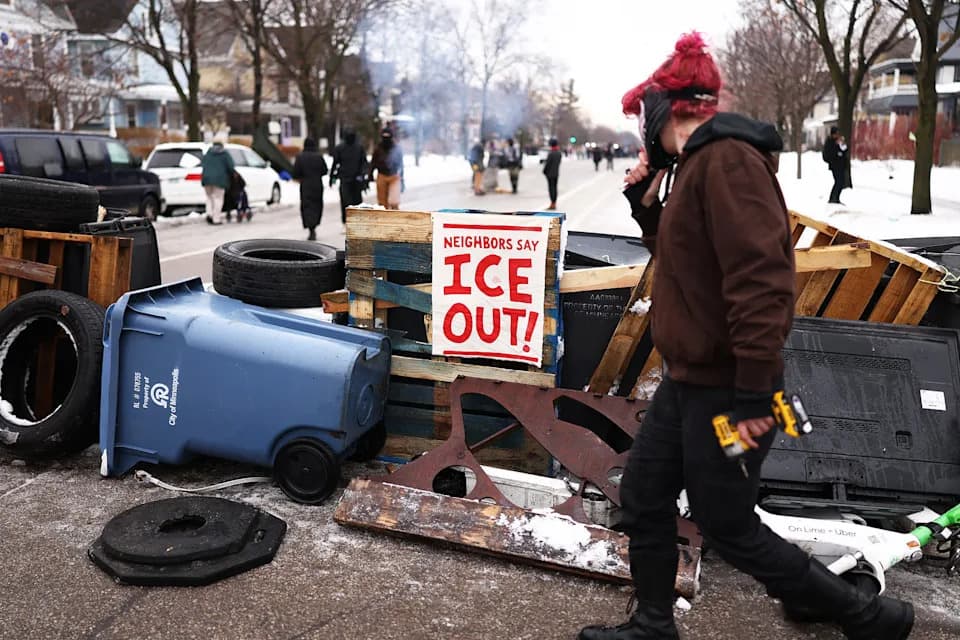
O'Hara: People are exhausted. This is the third shooting in less than three weeks. Last year we recovered roughly 900 guns and arrested hundreds of violent offenders without firing a shot. Now two American citizens have been killed in a short period. The department has about 600 officers and is stretched extremely thin; managing this unrest on top of day-to-day policing is taking a severe toll.
Margaret Brennan: Are you calling for ICE to leave?
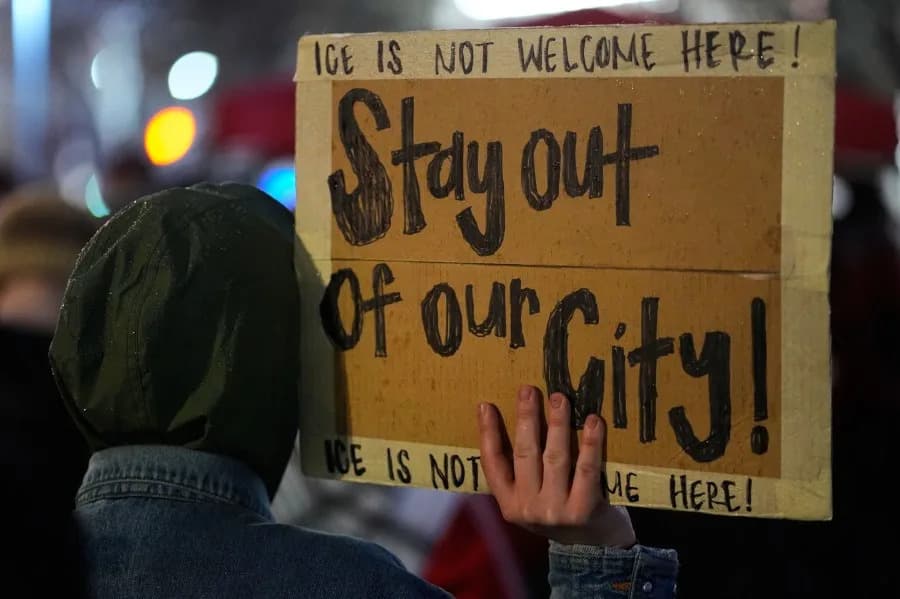
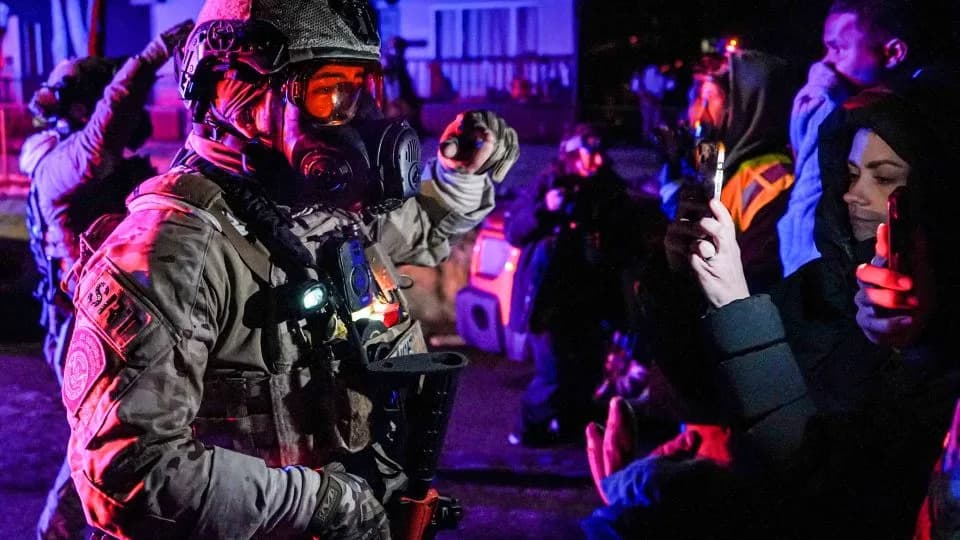
O'Hara: Immigration enforcement in Minnesota is not new. The issue is not enforcement itself but the tactics being used — which I believe are unsafe and are generating fear and outrage in the community.
Margaret Brennan: DHS says Pretti had a weapon. You noted he was a legal firearm owner with a carry permit. Do you know whether the weapon was revealed or brandished?
O'Hara: Analysts have offered differing interpretations of the video. I can't speculate, but I have not seen evidence indicating the weapon was brandished.
Margaret Brennan: Minnesota permits concealed carry and does not prohibit carrying at protests, correct?
O'Hara: That's correct.
Margaret Brennan: Homeland Security leaders have said he had extra cartridges and magazines. The FBI director warned against bringing firearms with multiple magazines to protests. Are those claims legally sound in Minnesota?
O'Hara: People have Second Amendment rights, and Minnesota has certain restrictions. Based on what we know, Pretti did not appear to violate those restrictions: he is not a convicted felon and held a permit to carry.
Margaret Brennan: Did he have multiple magazines at the scene? Both the president and the border security chief have said so, and Mr. Bovino said you omitted that fact.
O'Hara: They have not shared that information with us. They also blocked the state agency that handles most police-involved shootings from the scene. I can't provide details to the public that federal partners have not shared with local or state authorities.
Margaret Brennan: Even if magazines were present, would that be illegal?
O'Hara: If someone is lawfully carrying, magazine capacity alone is not relevant unless the weapon is used unlawfully.
Margaret Brennan: Vice President statements suggested local police were told to stand down when immigration agents called 911 as crowds formed. Were you ever ordered to stand down or told not to protect ICE?
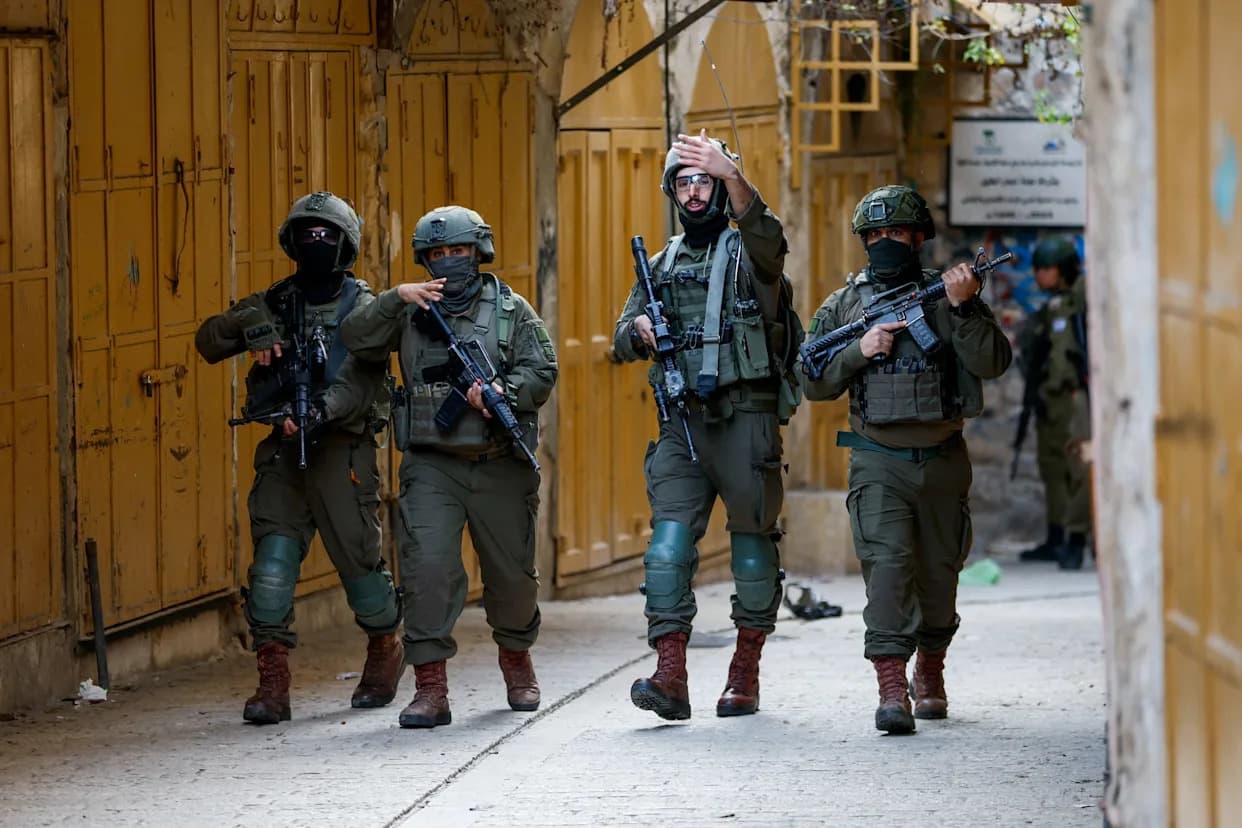
O'Hara: It's disappointing to see Minneapolis officers disparaged. We have about 600 officers remaining after the 2020 unrest; roughly a dozen have been injured responding to recent chaos. Our officers respond whenever there's a threat to life, public safety, or property — whether ICE is present or community members are. But we are vastly outnumbered: reports indicate nearly 3,000 immigration agents are operating in the area.
Margaret Brennan: Critics blame sanctuary policies for limiting cooperation with federal immigration enforcement. How do you respond?
O'Hara: Local and state laws and policies have been in place for decades. The Minneapolis Police Department does not operate the county jail, and prisons are handled at the state level. We comply with the law and there is little more this understaffed, overstretched department can reasonably be asked to do.
Margaret Brennan: You requested the National Guard. Is that sustainable? How long can these protests and deployments continue?
O'Hara: Yesterday we issued an emergency recall and requested mutual aid from state, county, and local partners and asked for the National Guard. As of this morning, mutual aid and the Guard have been released and the Minneapolis Police Department has resumed responding alone. That arrangement is not sustainable — our officers are exhausted and the department is thin.
Margaret Brennan: CBS reported at least 10 staff from the Minneapolis U.S. Attorney's Office resigned, and an FBI agent stepped down after being told to stop an investigation into an officer who shot Renee Good. What are you seeing in federal law enforcement locally?
O'Hara: We've built strong partnerships with federal agencies to target violent criminals, gangs, and drug smuggling, including fentanyl. Seeing many federal agents leave or be disparaged undermines the collaborative foundation that produced significant progress on violent crime in recent years.
Margaret Brennan: Chief O'Hara, we wish peace for your city. Thank you for speaking with us.
O'Hara: Thank you, Margaret.
Help us improve.