Overview: Protesters and nearby residents in multiple U.S. cities report serious physical and psychological harm after exposure to so-called "less-lethal" crowd-control weapons. Firsthand accounts describe eye and facial trauma from projectiles, airway compromise from tear gas, shrapnel wounds from flash-bangs, and prolonged pain from pepper balls and spray. Medical experts warn these devices can cause both acute injury and lasting mental-health effects, while uneven training and legal challenges raise questions about accountability and appropriate use of force.
Blood, Pain and Disorientation: Protesters Describe Harms From 'Less-Lethal' Crowd-Control Weapons
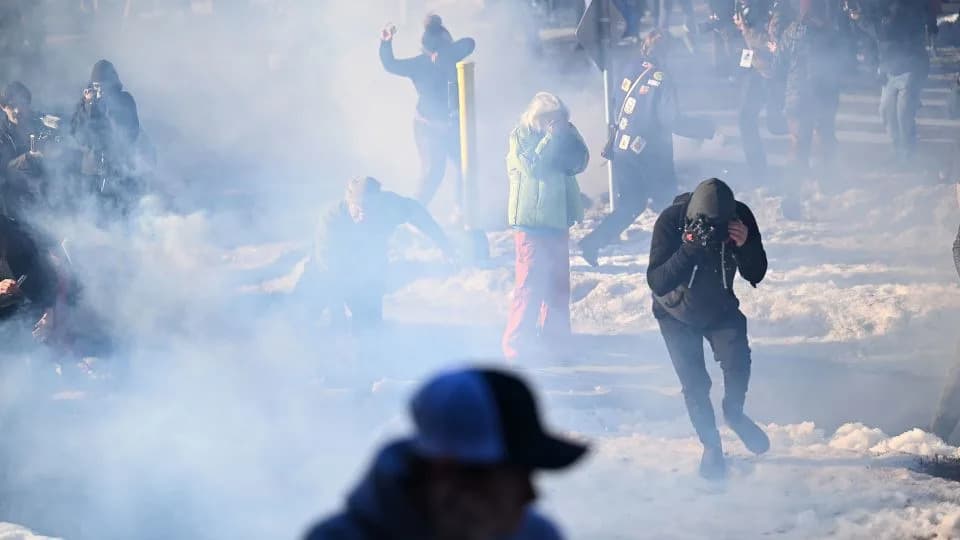
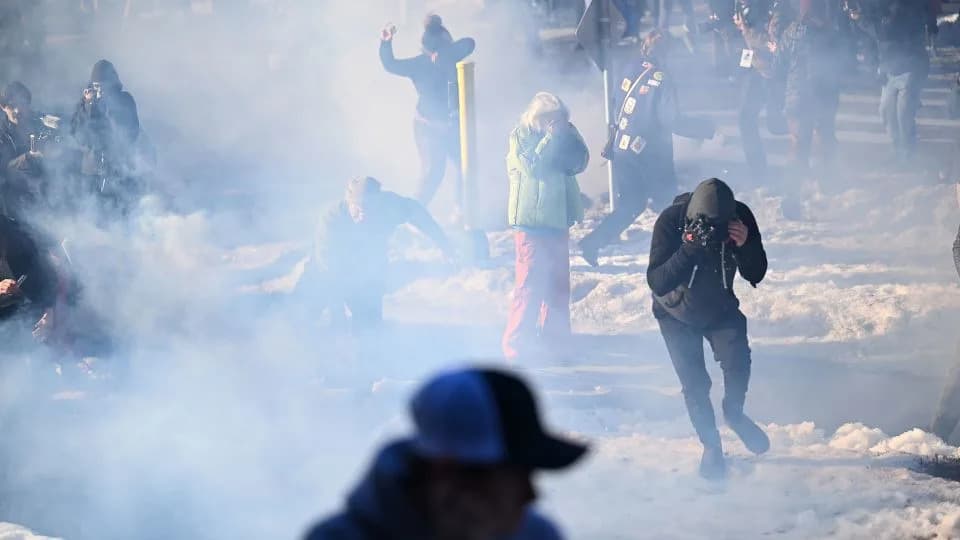
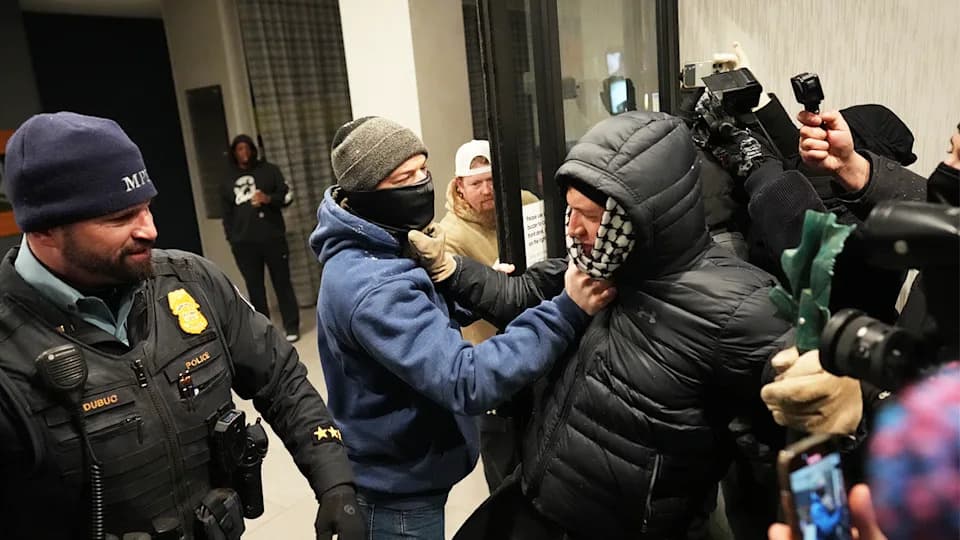
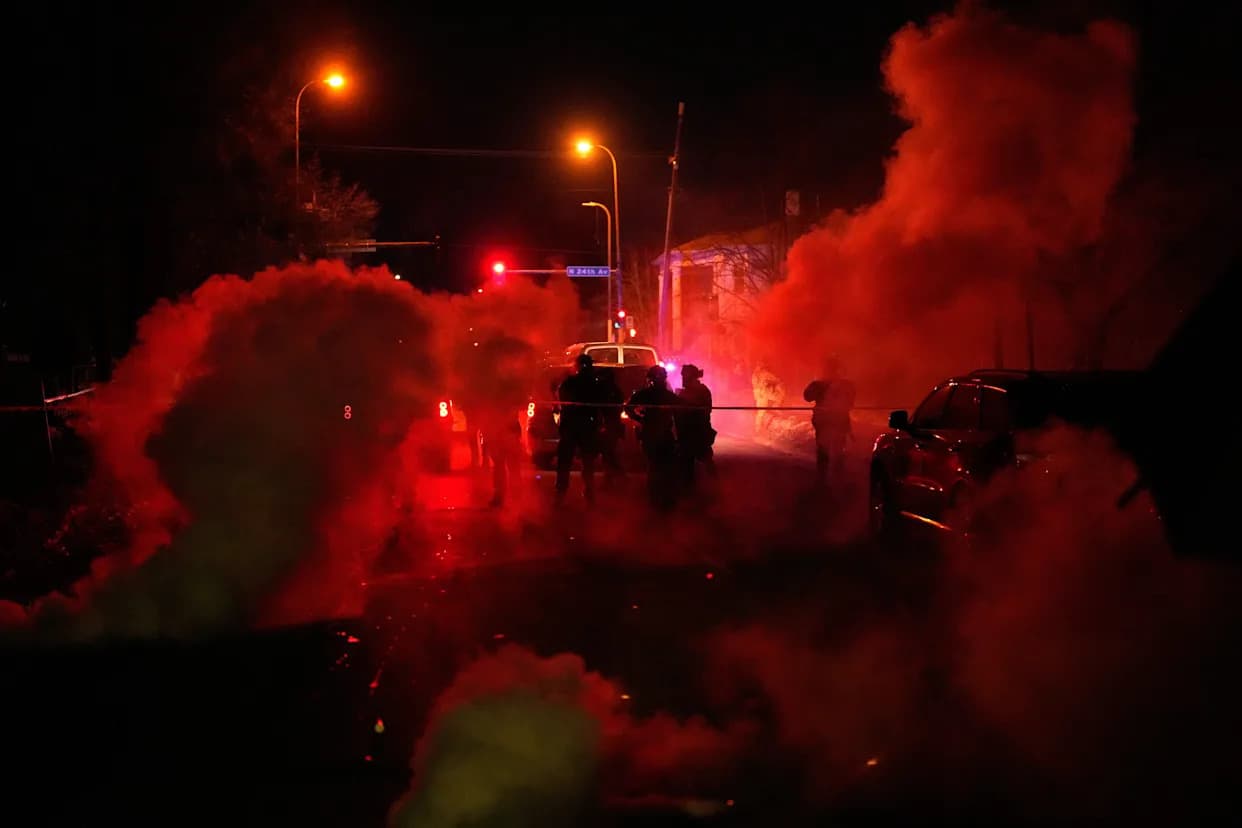
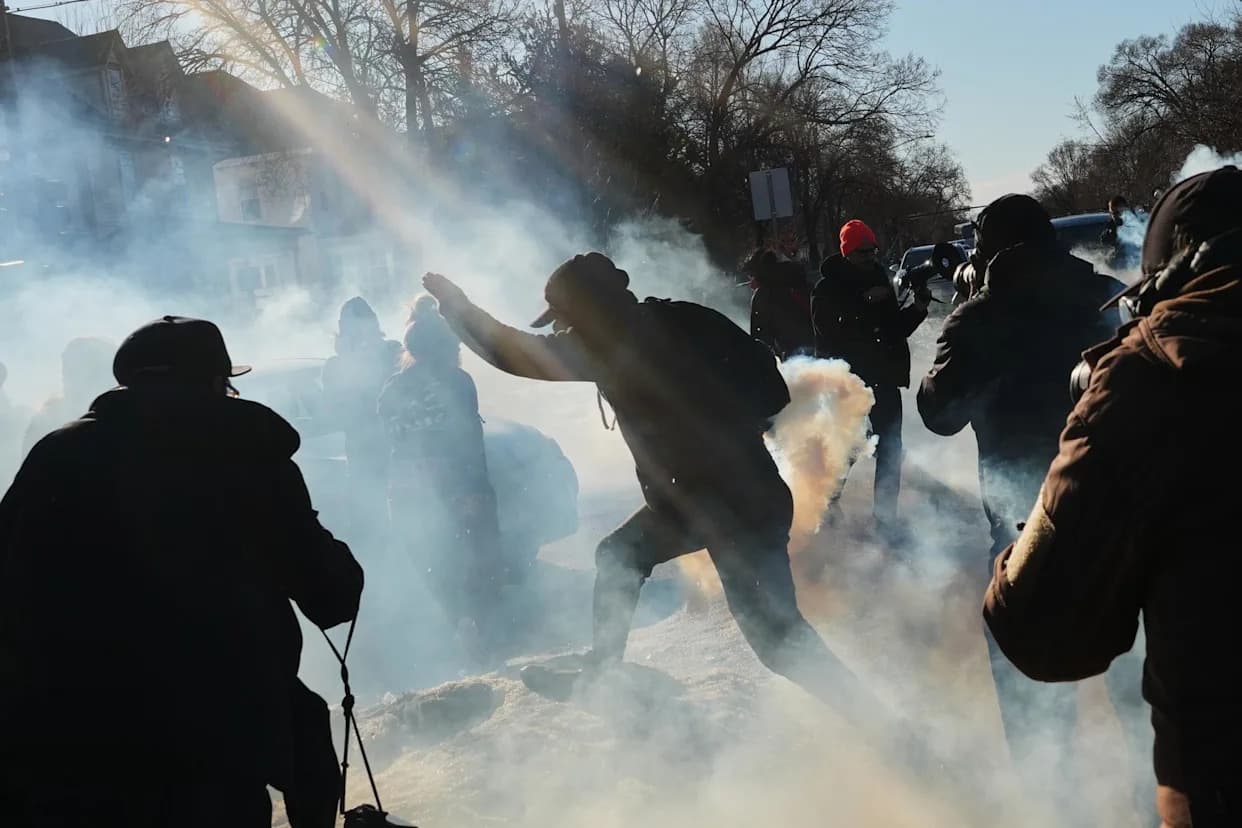
Federal agents clash with residents and rapid responders as they deploy tear gas on January 13, 2026, in Minneapolis, Minnesota. The scene took place two blocks from where Renée Good was fatally shot by an Immigration and Customs Enforcement officer earlier in January. - Joshua Lott/The Washington Post/Getty Images
Vincent Hawkins still clutched the megaphone he held when a tear-gas canister struck his face, leaving him bloodied and disoriented. The 55-year-old emergency room nurse, who had spent his life treating others, found himself suddenly a patient after the attack.
As federal agents carried out operations in several U.S. cities, including Portland, Chicago, Los Angeles and Santa Ana, residents and demonstrators described serious physical and psychological effects from so-called "less-lethal" munitions. The accounts collected here — from eye and facial trauma to lasting anxiety and sleep loss — raise questions about training, accountability and the limits of crowd-control tactics in residential neighborhoods.
What Protesters Say It Feels Like
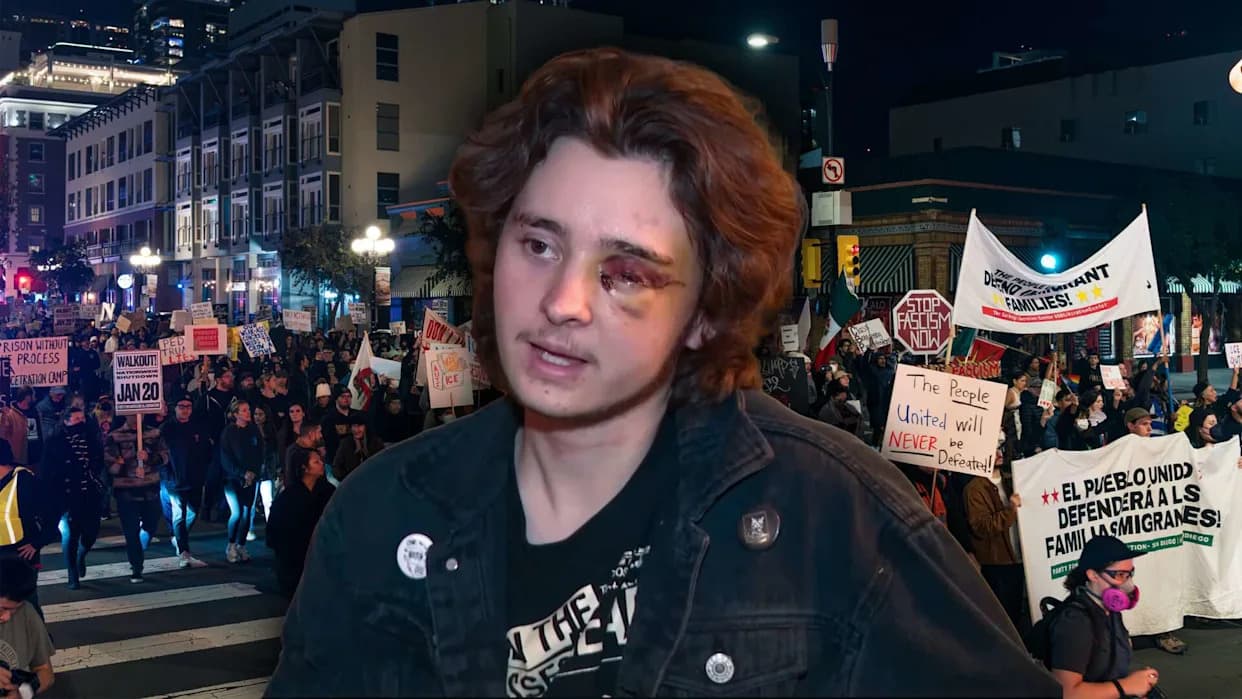
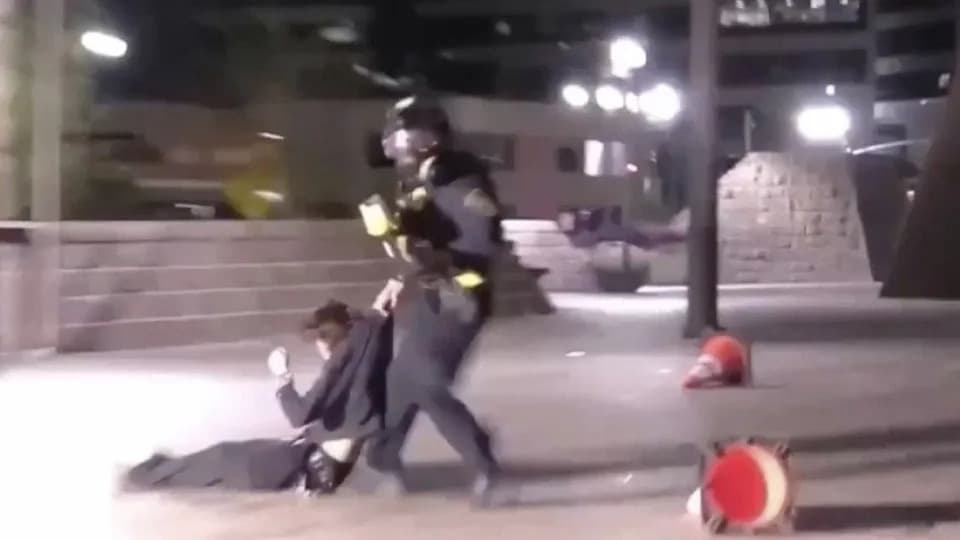
"I will never see through my left eye again," said 21-year-old Kaden Rummler, who told reporters a projectile fired by a federal officer struck his face at a protest in Santa Ana. Video shows him advancing toward agents, then collapsing and bleeding before officers moved him away. Other protesters report similar, severe injuries: shrapnel embedded in limbs after flash-bangs, disfiguring impacts from canisters, and deep, lingering pain after rubber or foam rounds.
Common Crowd-Control Tools And Their Effects
Pepper Balls
Pepper balls are fired from devices resembling paintball guns. On impact they burst, releasing a fine powder containing oleoresin capsicum (OC), an oil-based extract from hot peppers. Dr. Rohini Haar, medical adviser for Physicians for Human Rights, warned these combine blunt trauma with chemical toxin exposure — a dangerous mix if a pellet strikes the eye or penetrates clothing and later re-irritates the skin.
Mason Lake, a photojournalist who covered protests in Portland, said being hit by pepper balls feels like being struck with paintballs — "but the powder gets into clothing and lingers, causing renewed irritation."
Pepper Spray
Pepper spray disperses the same OC compound as an aerosol and can cause intense burning of eyes, nose and skin. Protester Emily Phillips described being sprayed from roughly three feet away and suffering hours of burning, eye discharge and oily residue that was hard to remove.
Tear Gas
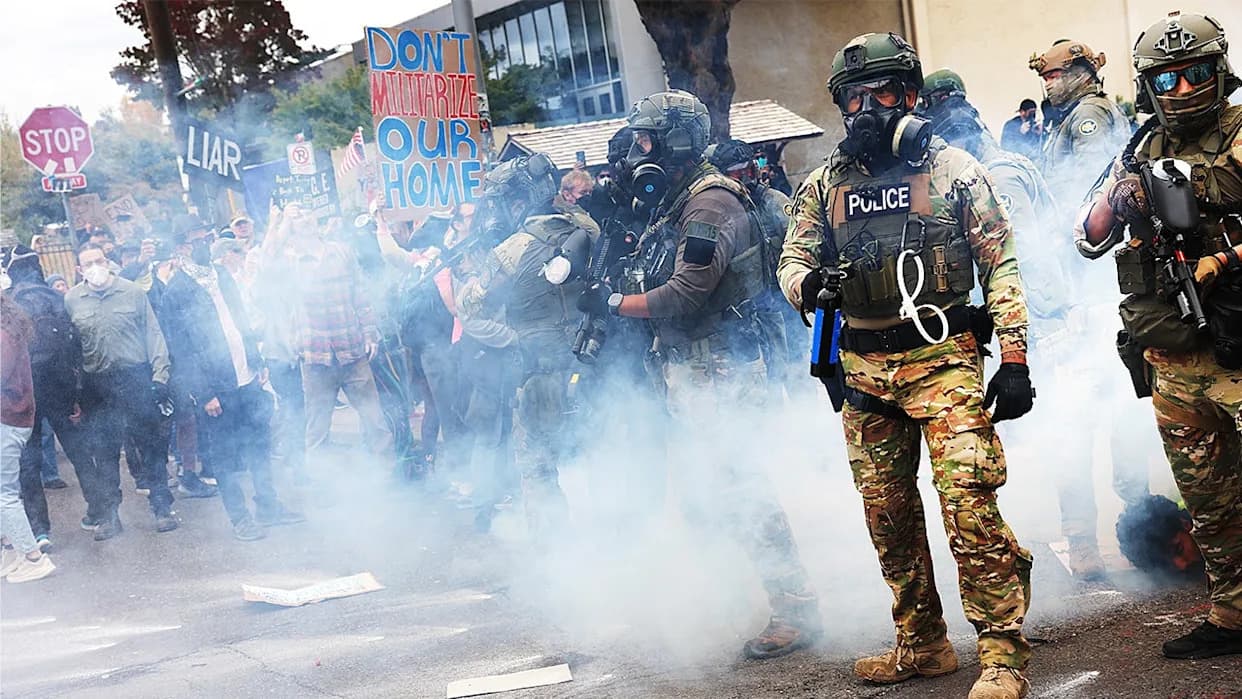
Tear gas emits airborne irritant particles intended to disorient and force dispersal. Dr. Haar and residents like Mindan Ocon report that it is indiscriminate: smoke can drift into homes through vents and windows, affecting children and nonprotesters. Ocon took her 3-year-old to the hospital after gas drifted into their apartment complex and compromised both their airways.
Flash-Bangs
Designed to momentarily blind and deafen, flash-bangs are small explosives sometimes thrown or launched into crowds. Protesters have reported shrapnel wounds and direct impacts that embed fragments in limbs. Experts caution that flash-bangs can be counterproductive in demonstrations and may amplify panic and trauma.
Kinetic Impact Projectiles
This category includes rubber or foam bullets and bean bag rounds. Although labeled "less-than-lethal," these projectiles can cause severe injury, disfigurement and even death when they strike the head, neck or chest. Journalists and bystanders have been struck during protests, and some agencies now use variants that combine impact with chemical irritants such as capsaicin powder.
Training, Policy And Legal Questions
CNN law enforcement analyst Josh Campbell noted that use of force must be reasonable under the circumstances, but training levels vary widely. Large city police departments often provide formal crowd-control training; many federal agencies do not, because tactical crowd management has not traditionally been their core mission. These differences — and reported instances of federal agents firing projectiles in residential areas or at small gatherings — have spurred lawsuits and temporary court orders limiting certain munitions.
Mental-Health And Community Impact
Beyond physical harm, repeated exposure to these weapons has significant psychological effects. Residents like Mindan Ocon report insomnia and symptoms of post-traumatic stress after nightly encounters with crowd-control agents outside their homes. Protesters also describe lasting anxiety and hypervigilance: ordinary encounters with police or similar vehicles can trigger panic long after an incident.
What This Means
The firsthand accounts documented here highlight both immediate injuries and longer-term consequences for individuals and communities. They underscore the need for clear policies, consistent training across agencies, independent oversight of use-of-force incidents, and attention to the mental-health support required by those affected.
Reporting credits: This piece synthesizes eyewitness accounts, medical commentary and legal context from multiple U.S. cities where federal agents and local law enforcement have deployed less-lethal munitions.
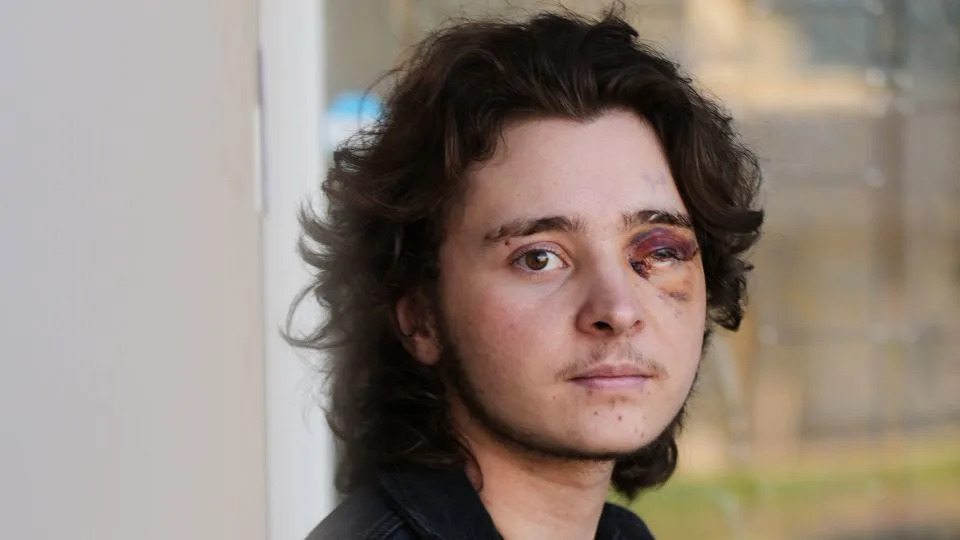
Kaden Rummler, who was injured after being hit with a projectile fired by a federal agent during a protest outside an immigration building in Santa Ana, California, poses for a portrait Wednesday, January 14, 2026, in Southern California. - Damian Dovarganes/AP
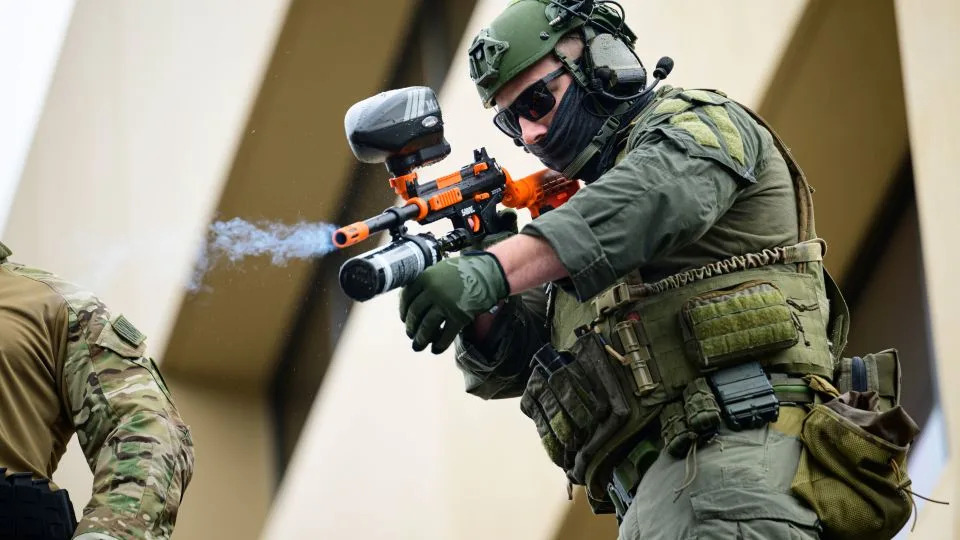
A federal agent fires pepper balls at anti-ICE protesters at the US Immigration and Customs Enforcement building on October 12, 2025, in Portland, Oregon. - Mathieu Lewis-Rolland/Getty Images
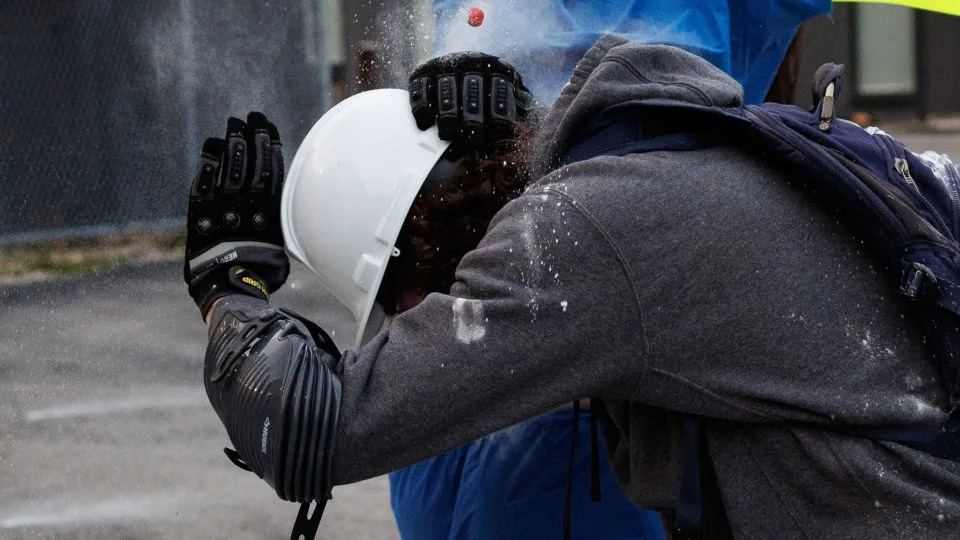
A protester is shot with a paintball gun pepper ball outside the Immigration and Customs Enforcement building on September 19, 2025, in Broadview, Illinois. - Armando L. Sanchez/Chicago Tribune/Tribune News Service/Getty Images
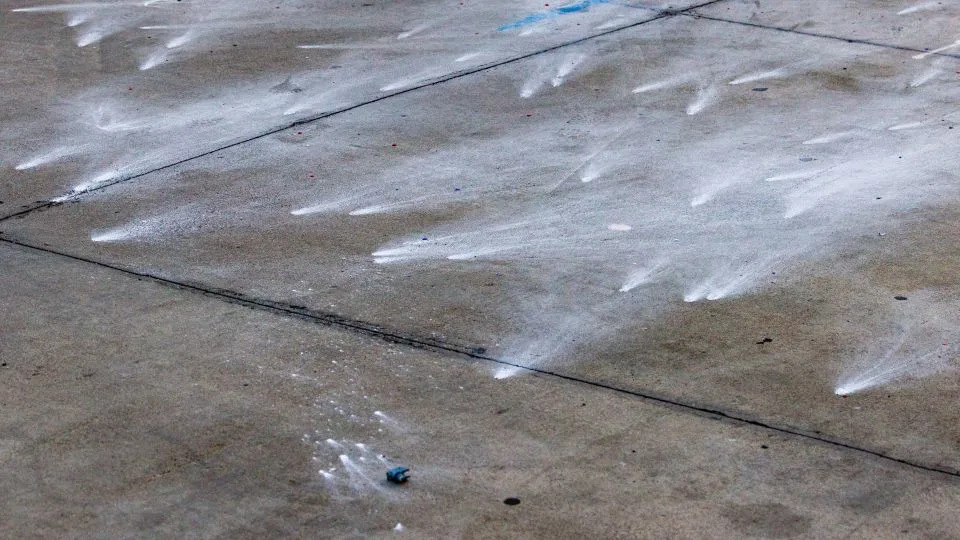
Pepper ball residue marks the street where police used chemical agents to disperse protesters marching against Immigration and Customs Enforcement on June 10, 2025, in Denver, Colorado. - Michael Ciaglo/Getty Images
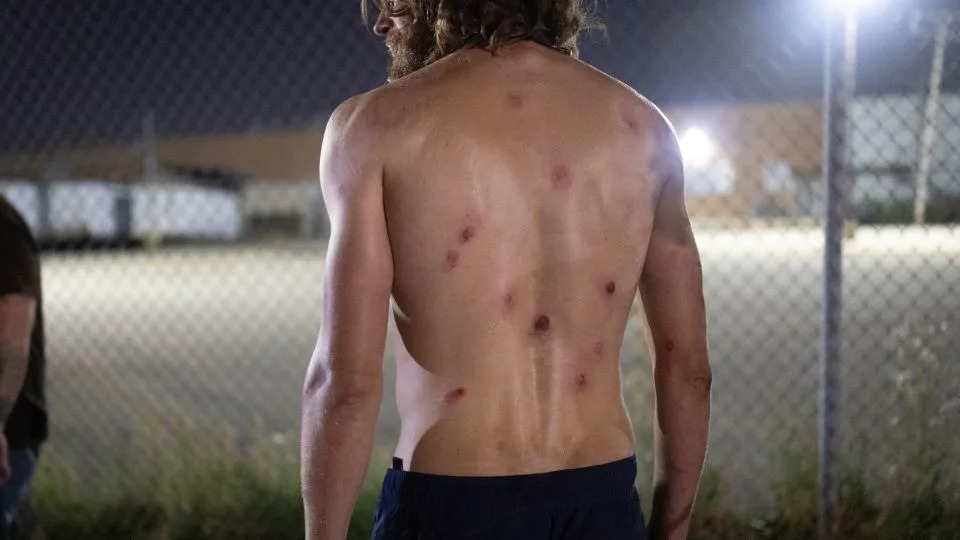
The back of a demonstrator is pockmarked with wounds after federal law enforcement agents opened fire with pepper balls while he was protesting outside of an immigration processing center on September 22, 2025, in Broadview, Illinois. - Scott Olson/Getty Images
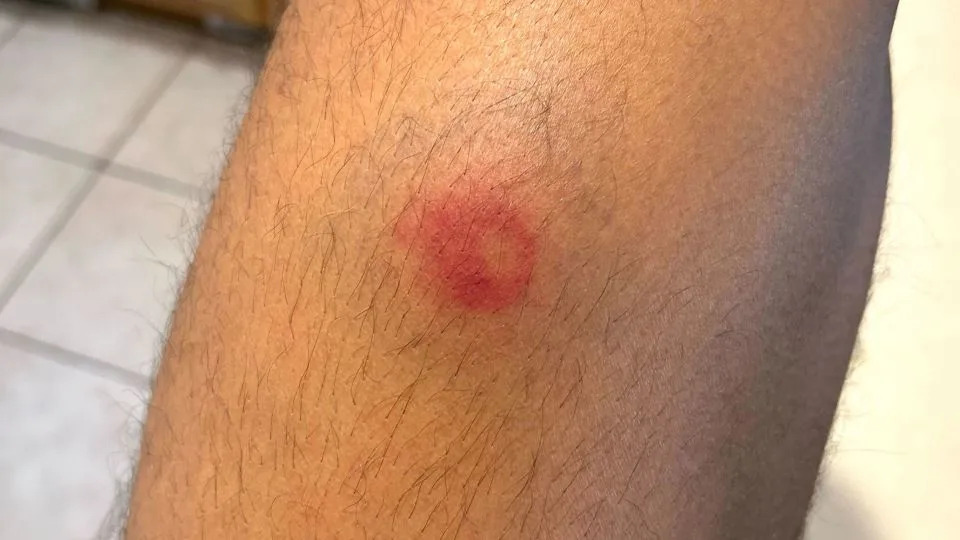
One of Ryan Garcia's pepper ball injuries - Courtesy Ryan Garcia
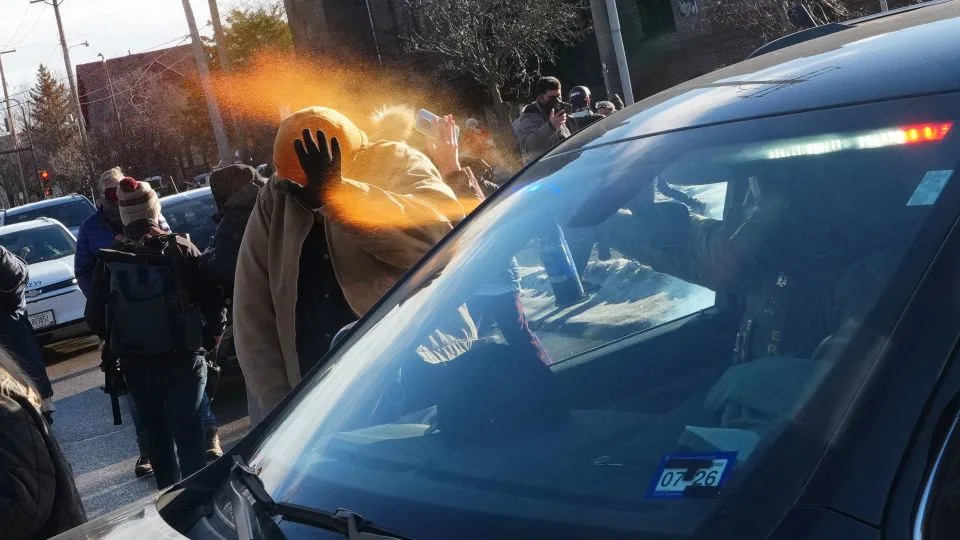
A protester is sprayed with pepper spray by a federal agent on Tuesday, January 13, 2026, in Minneapolis. (AP Photo/Adam Gray) - Adam Gray/AP
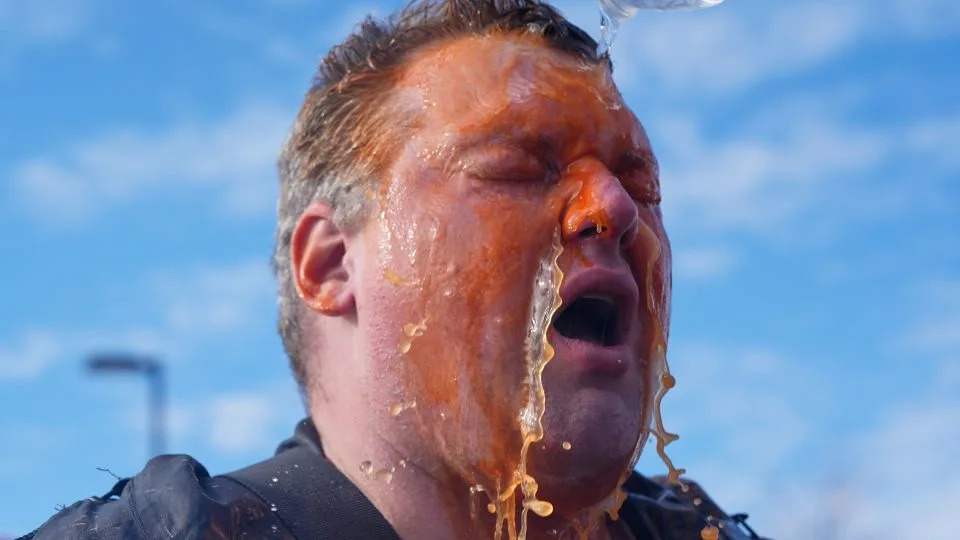
A protester's face is doused in water after he was pepper sprayed outside of the Bishop Whipple Federal Building, Monday, January 12, 2026, in Minneapolis. (AP Photo/Jen Golbeck) - Jen Golbeck/AP
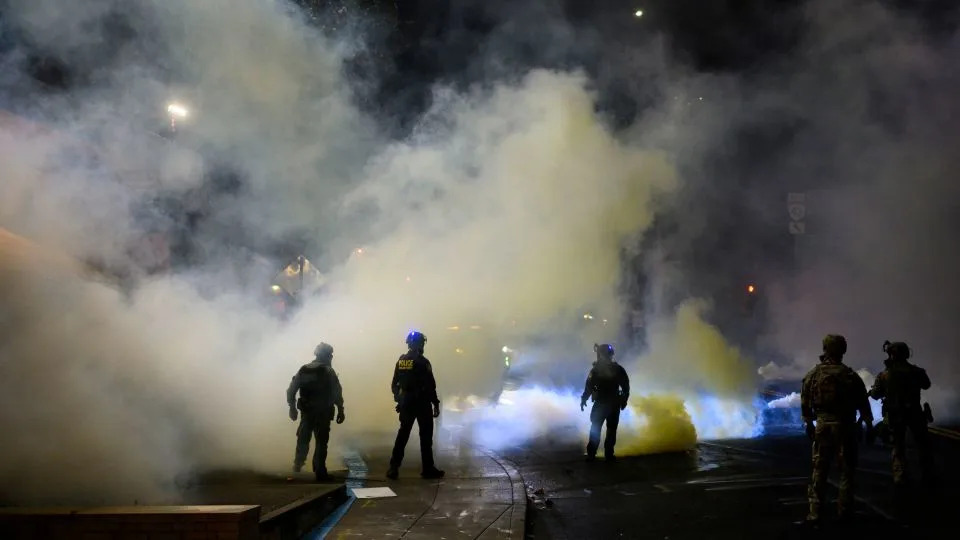
Federal agents walk through tear gas at the US Immigration and Customs Enforcement building on October 18, 2025, in Portland, Oregon. - Mathieu Lewis-Rolland/Getty Images
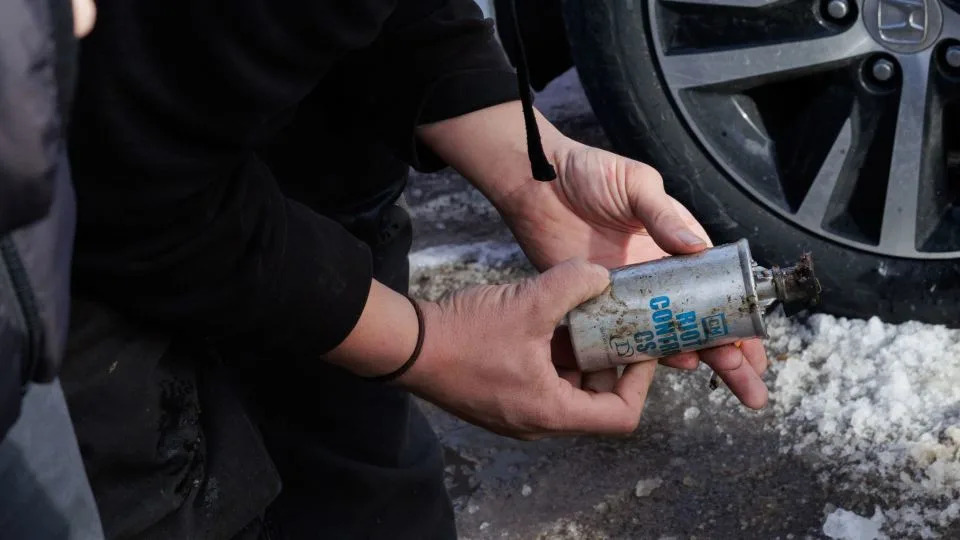
A used canister of tear gas is inspected after it was deployed by US Customs and Border Patrol agents toward community members in a residential neighborhood following a minor traffic accident in Minneapolis, Minnesota, on January 12, 2026. - Madison Thorn/Anadolu/Getty Images
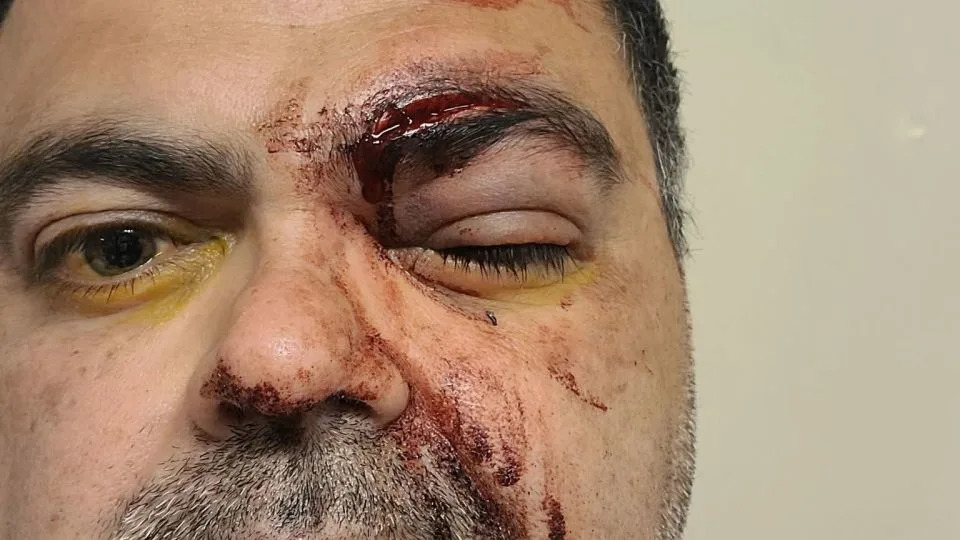
Vincent Hawkins' injury from being struck by a tear gas canister in Portland, Oregon, in June. - Courtesy Vincent Hawkins
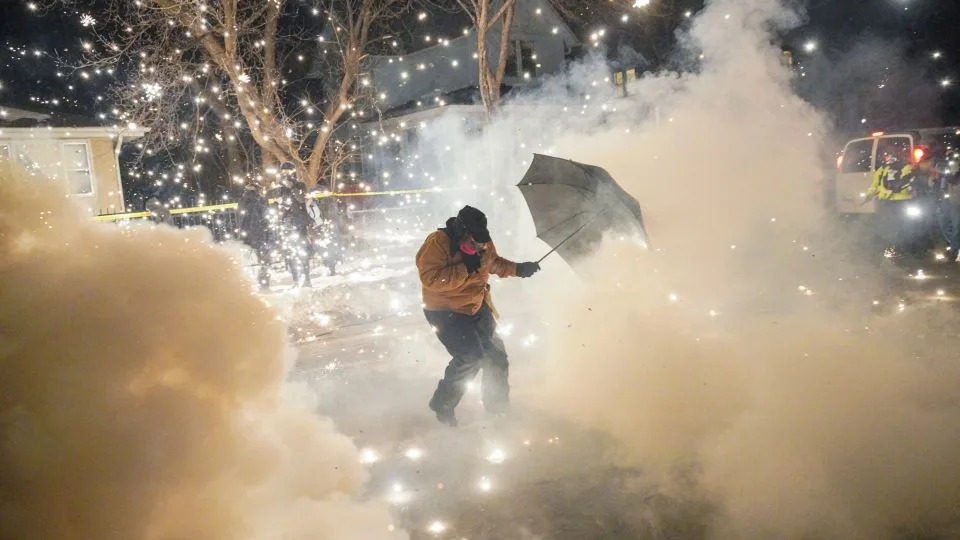
A protester attempts to protect themselves as federal agents fire flash-bangs and pepper balls, amid risingstensions after federal law enforcement agents were involved in another shooting incident, a week after an ICE agent fatally shot Renee Nicole Good, in north Minneapolis, Minnesota, on January 14, 2026. - Ryan Murphy/Reuters
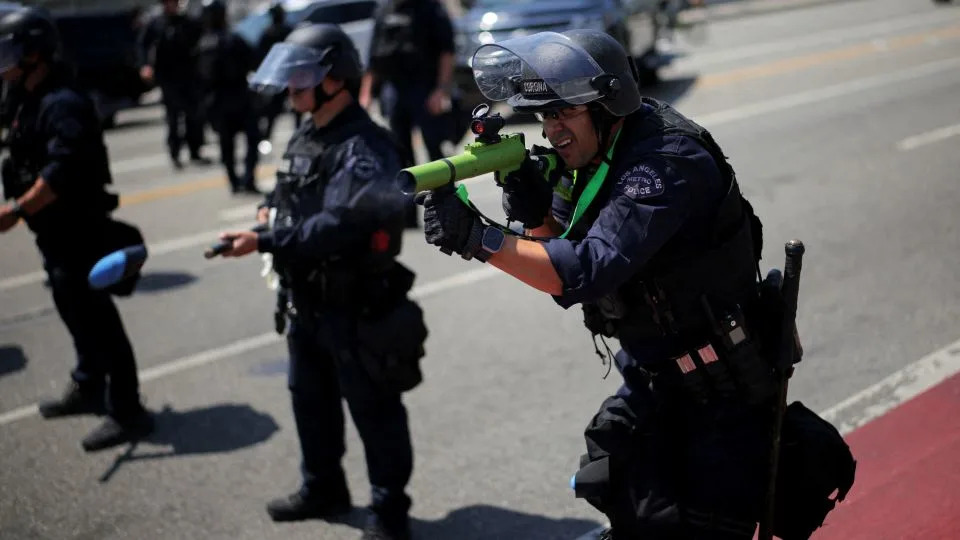
A member of the Los Angeles Metro Police fires a sponge round during a protest against federal immigration sweeps in downtown Los Angeles, California, on June 8, 2025. - Daniel Cole/Reuters
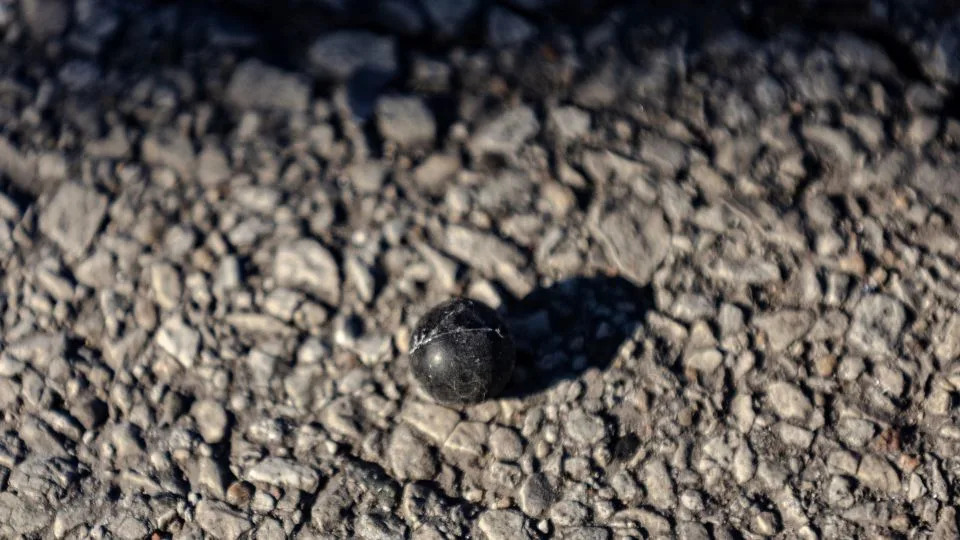
The remains of a fired rubber bullet sit on the ground outside of the Broadview ICE processing facility, after President Donald Trump ordered increased federal law enforcement presence to assist in crime prevention, in Broadview, Illinois, on September 26, 2025. - Jim Vondruska/Reuters
Help us improve.