Quick summary: Governor Kristi Noem initially denied federal use of chemical agents on Minneapolis protesters but reversed her statement after video evidence emerged. A federal judge has ordered a halt to pepper-spraying of peaceful demonstrators, finding agents used "chemical irritants" against people exercising First Amendment rights. The episode has spurred Pentagon preparations, a DOJ inquiry into a church disruption, reports that attorneys were denied access to detained protesters, and rising local concern about federal tactics.
Noem Retracts Denial After Video Shows Chemical Agents Used During Minneapolis Protests

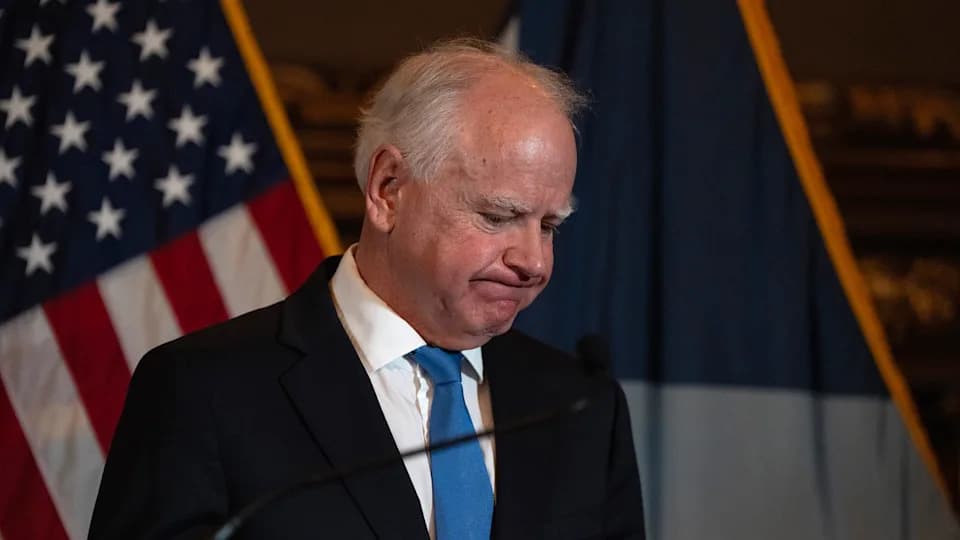
Kristi Noem at the Department of Homeland Security headquarters in Washington DC on Thursday.Photograph: Bonnie Cash/UPI/Shutterstock(Photograph: Bonnie Cash/UPI/Shutterstock)
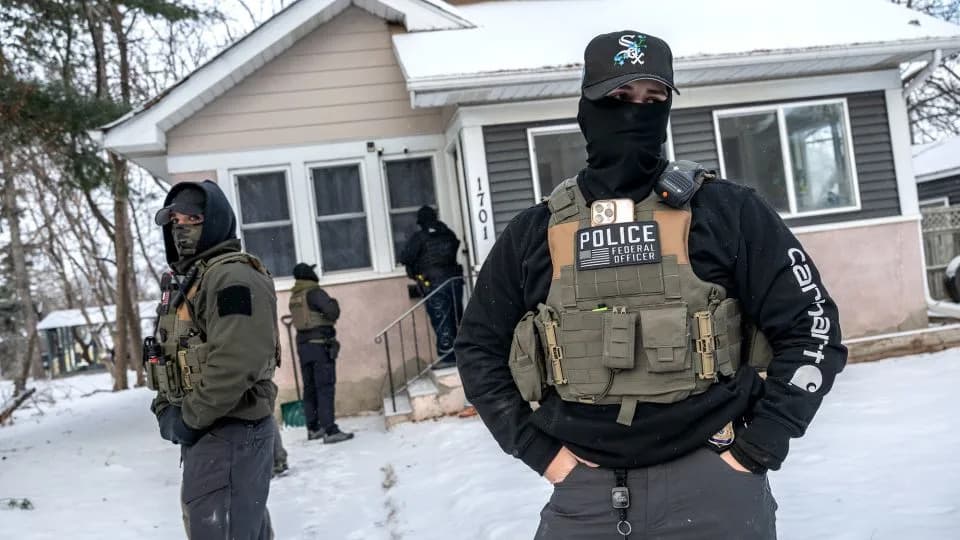
South Dakota Governor Kristi Noem initially denied that federal officers deployed chemical agents against demonstrators in Minneapolis, but she revised her statement after being shown video evidence. The dispute comes amid a wider federal operation in the city and mounting local tensions.
Judge Rules Against Use Of Chemical Irritants
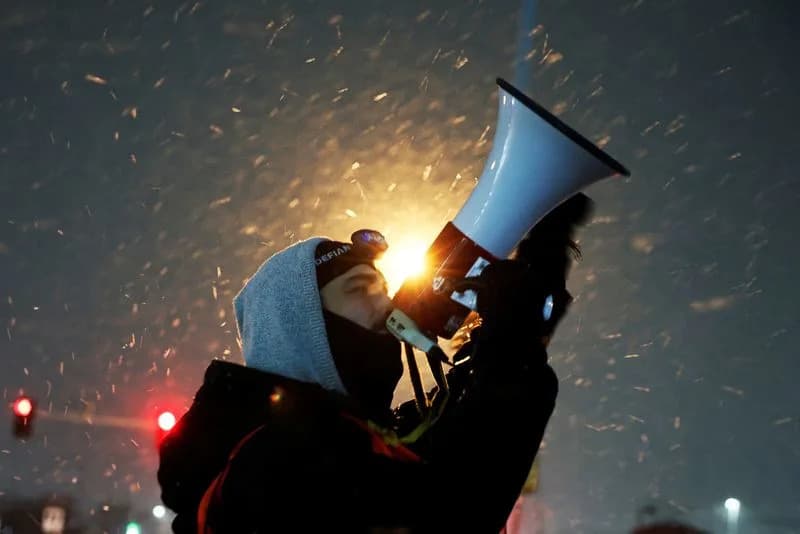
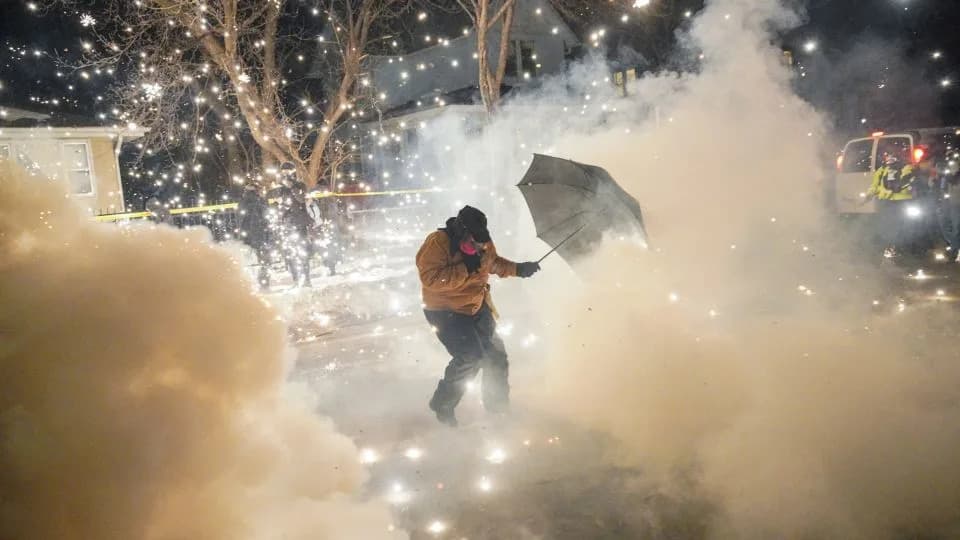
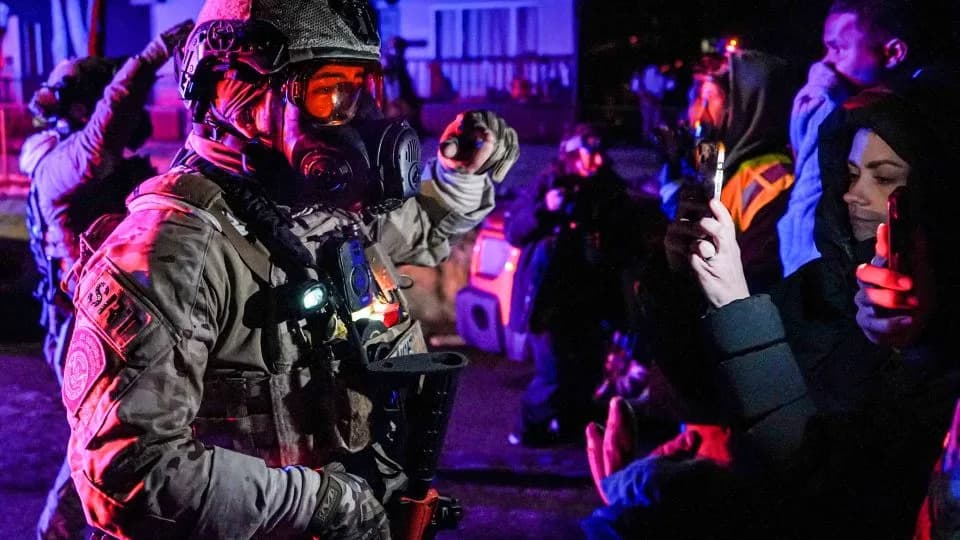
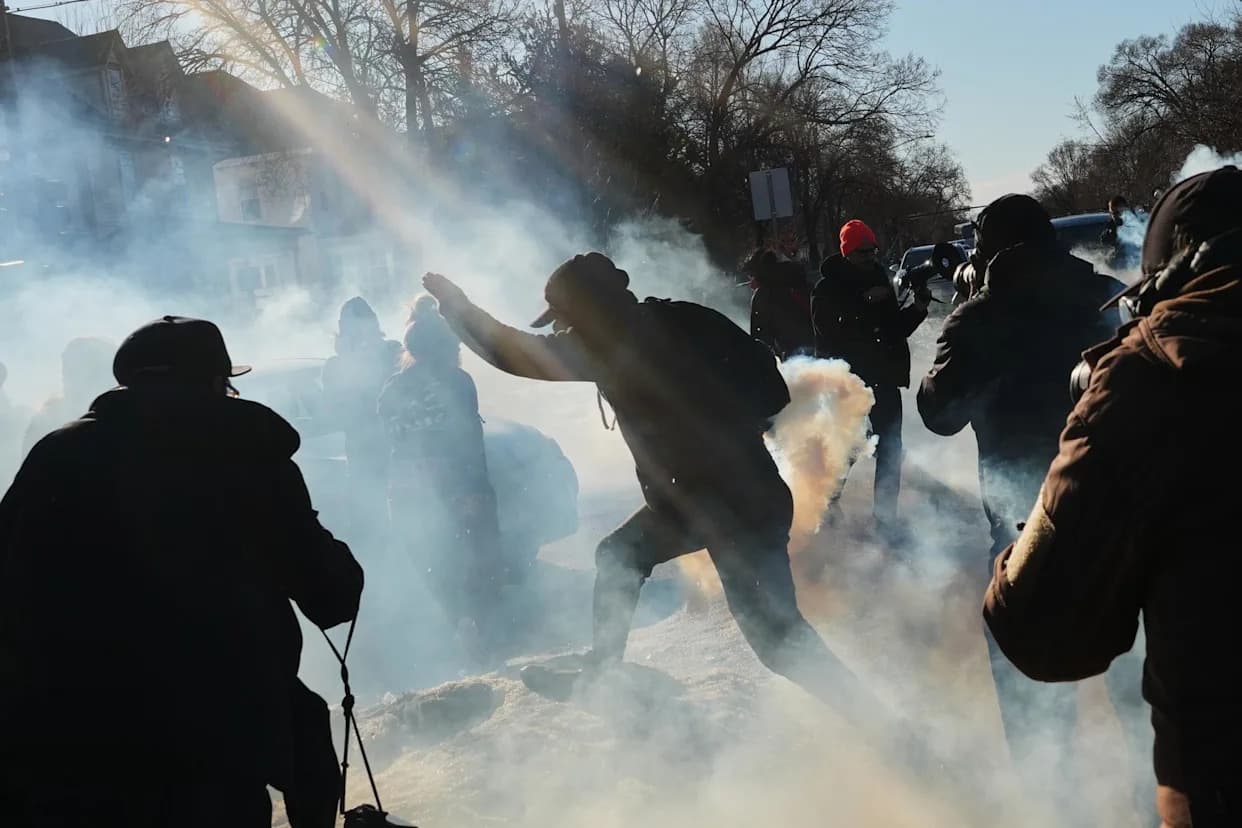
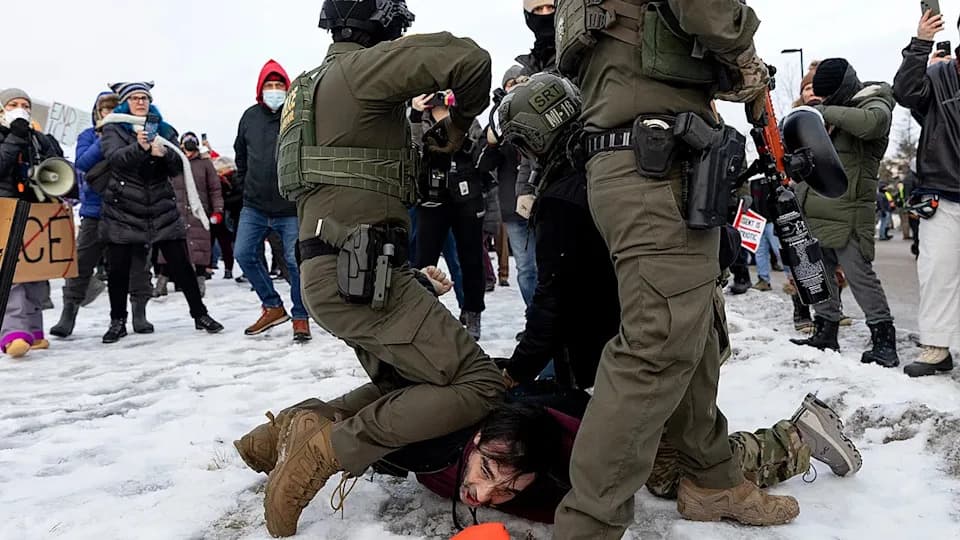
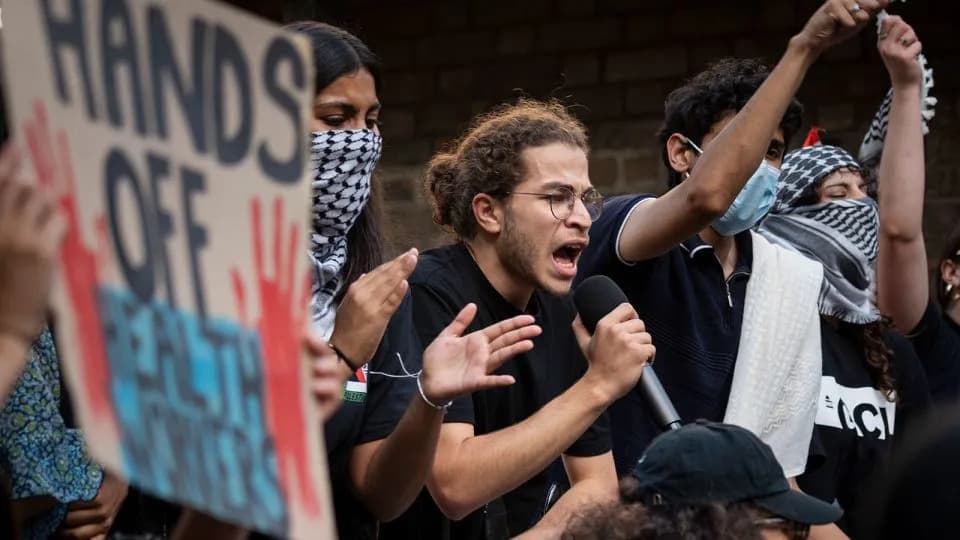
Last Friday, a federal judge — Kate Menendez — ordered that federal law enforcement stop using pepper spray and other chemical irritants against peaceful protesters. In her ruling, Judge Menendez found that agents had used "chemical irritants" in ways that punished people exercising their protected First Amendment rights to assemble and to observe and protest ICE operations.
Noem’s Response And Subsequent Backtrack
Noem, who has been a vocal supporter of the operation dubbed "Operation Metro Surge," told CBS's Face the Nation that her department had not used pepper spray on crowds. After being shown video footage that appears to show chemical agents used on four occasions, she revised her statement, saying her department "only use those chemical agents when there's violence happening and perpetuating and you need to be able to establish law in order to keep people safe."
Escalating Tensions And Federal Preparations
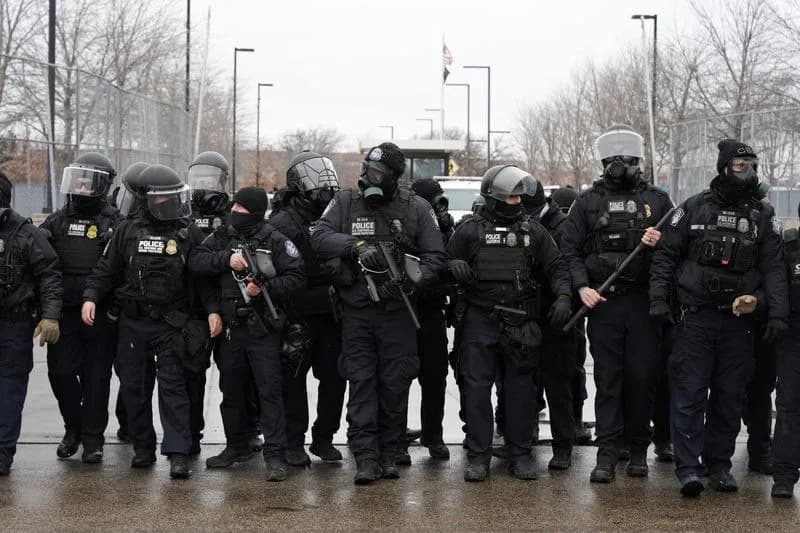
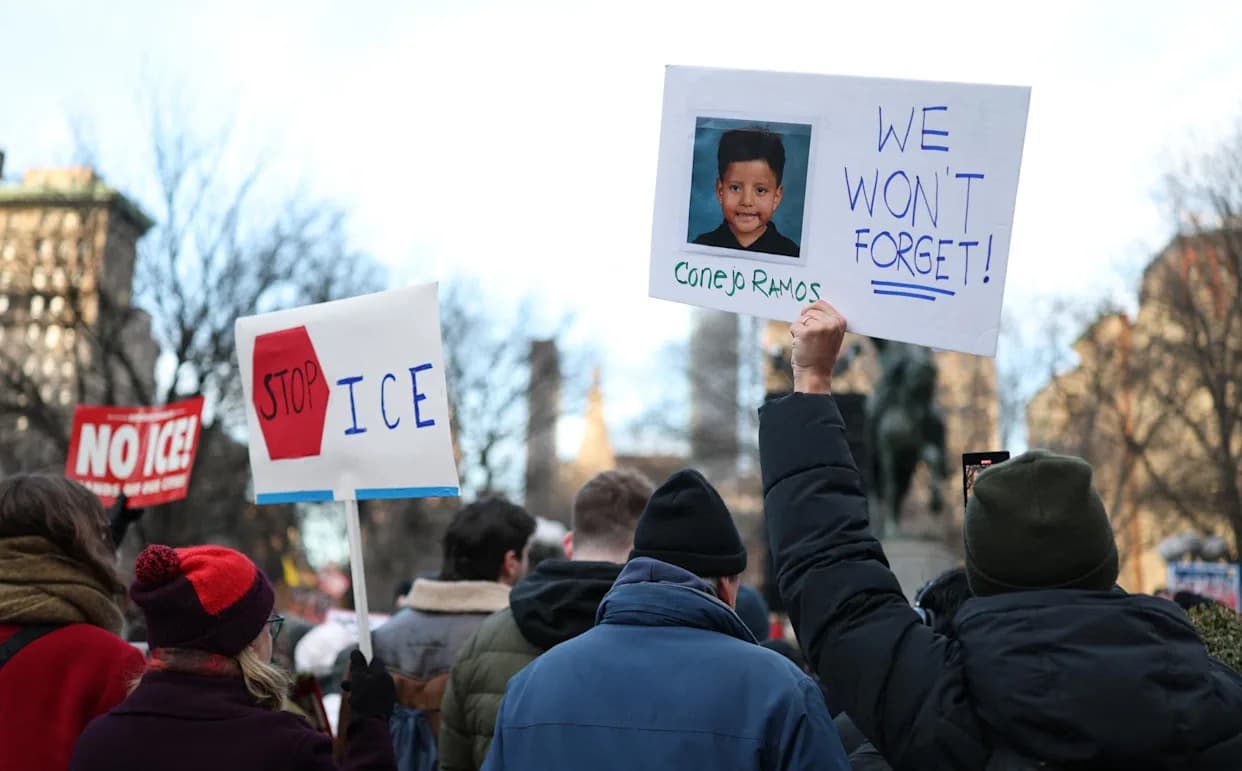
Tensions in Minneapolis remain high. The Pentagon has ordered roughly 1,500 active-duty soldiers stationed in Alaska to be prepared for a possible deployment. Minneapolis Mayor Jacob Frey criticized the move as a "ridiculous" overreaction to largely peaceful protests aimed at challenging aggressive ICE tactics.
Church Disruption And DOJ Attention
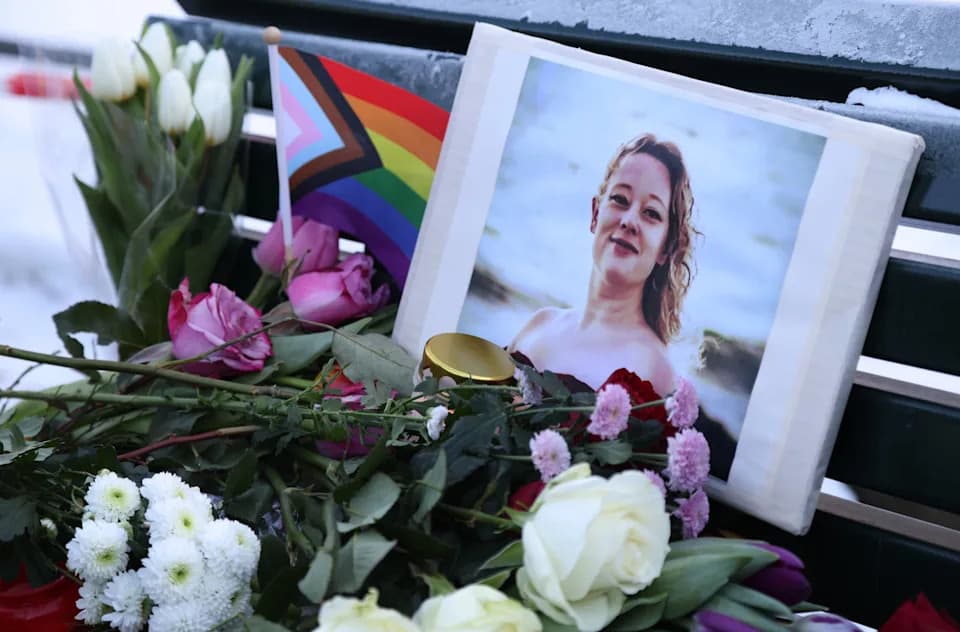
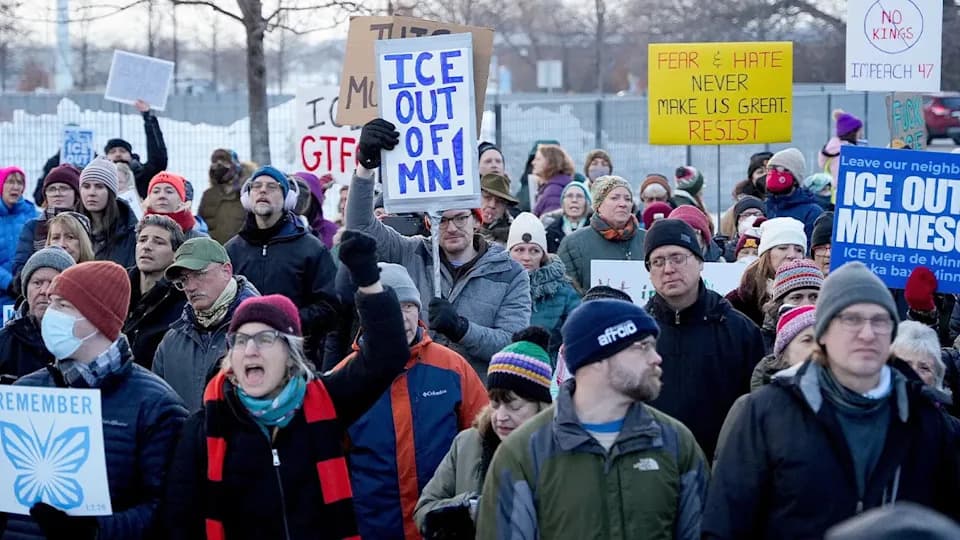
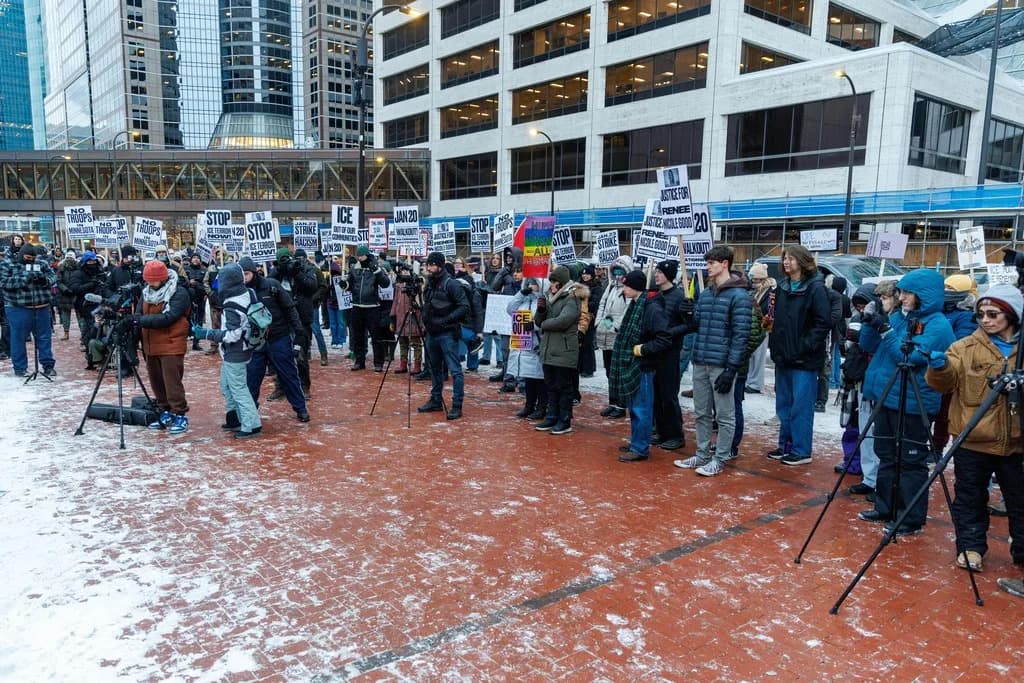
The Department of Justice said it is looking into an incident in which protesters disrupted a church service at a St. Paul congregation, reportedly connected to a local ICE official. Footage livestreamed by Black Lives Matter Minnesota showed people interrupting services at Cities Church in St. Paul while chanting "ICE out" and "justice for Renee Good," referring to the 37-year-old mother of three who was fatally shot by an ICE agent.
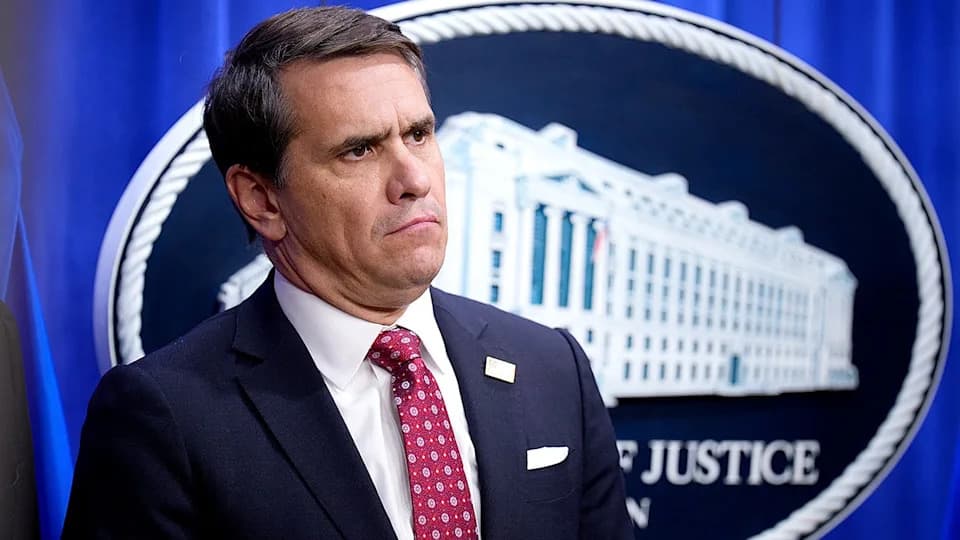
A social media post attributed to Harmeet Dhillon announced an investigation into alleged civil rights violations, calling the disruption "desecrating a house of worship" and asserting that places of worship are protected from such protests under federal law. Racial justice activists pushed back, calling the focus on church disruptions misplaced amid broader concerns about community safety.
Allegations Of Denied Access To Counsel
Several immigration attorneys told ABC News they were denied access to clients detained during ICE operations at the federal building in Minneapolis. One lawyer, speaking on condition of anonymity, described being physically blocked from visitation and waiting for hours outside the attorney visitation room. A Department of Homeland Security spokesperson denied those claims, saying detainees "have opportunities to communicate with their family members and lawyers" and that "all detainees receive full due process."
Local Impact And Community Response
Local leaders say the tactics used by federal agents — including reported use of chemical agents and license-plate swapping — have contributed to an atmosphere of fear and disruption. The Minneapolis Parks and Recreation Department canceled youth sports "out of an abundance of caution," and St. Paul's newly elected mayor, Kaohly Her, said she had been advised to carry her passport because of concerns about being targeted based on appearance.
Bottom line: Video evidence that contradicted initial denials has intensified scrutiny of federal tactics in Minneapolis, prompted judicial restrictions, and spurred both federal and local responses as community tensions continue.
Help us improve.