Protesters and residents in multiple U.S. cities report severe, sometimes lasting injuries from "less-lethal" crowd-control weapons such as pepper balls, tear gas, rubber bullets and flash-bangs. Medical experts warn these munitions combine blunt trauma with chemical irritation and can cause vision loss, embedded shrapnel, prolonged burning and psychological trauma. The accounts highlight inconsistent training across agencies and raise calls for clearer policies and oversight.
Blood, Pain and Panic: Protesters Describe the Lasting Harm of 'Less-Lethal' Crowd-Control Weapons
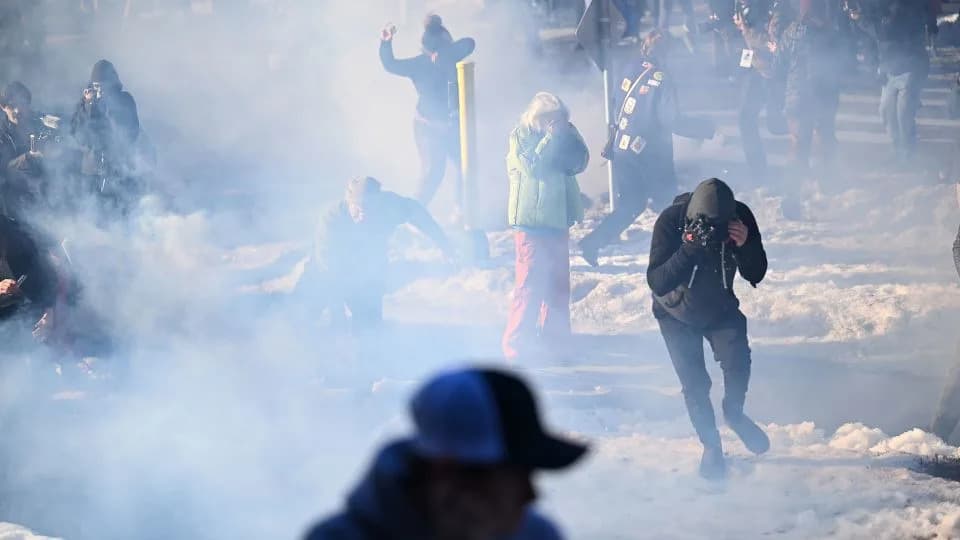
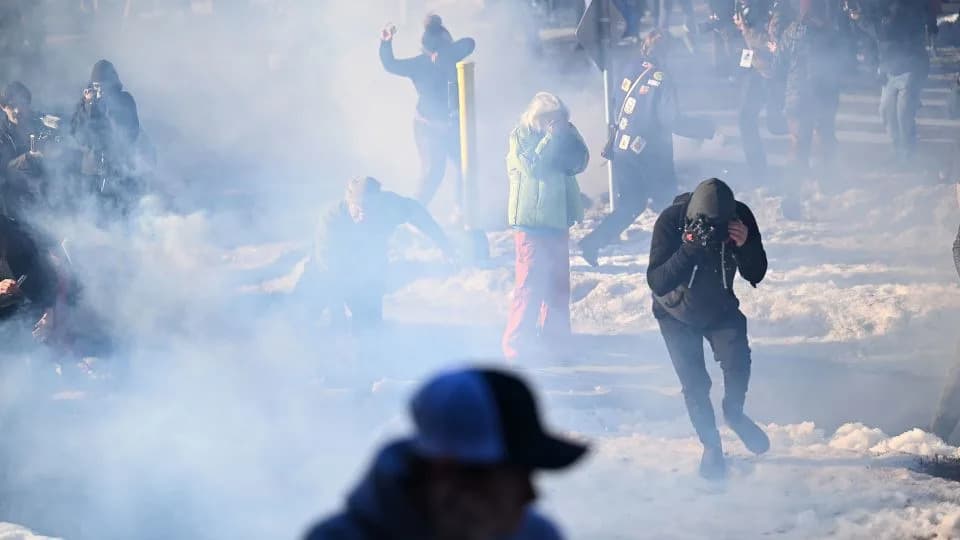
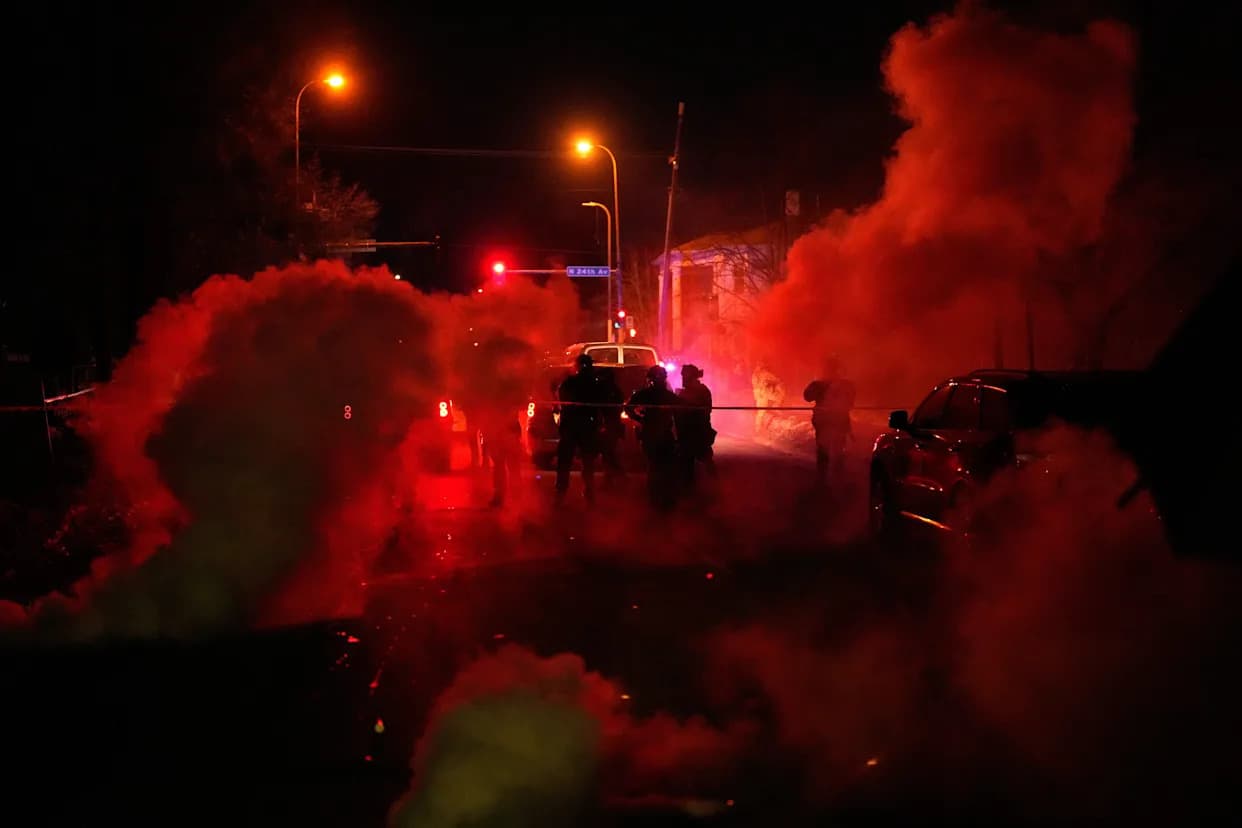
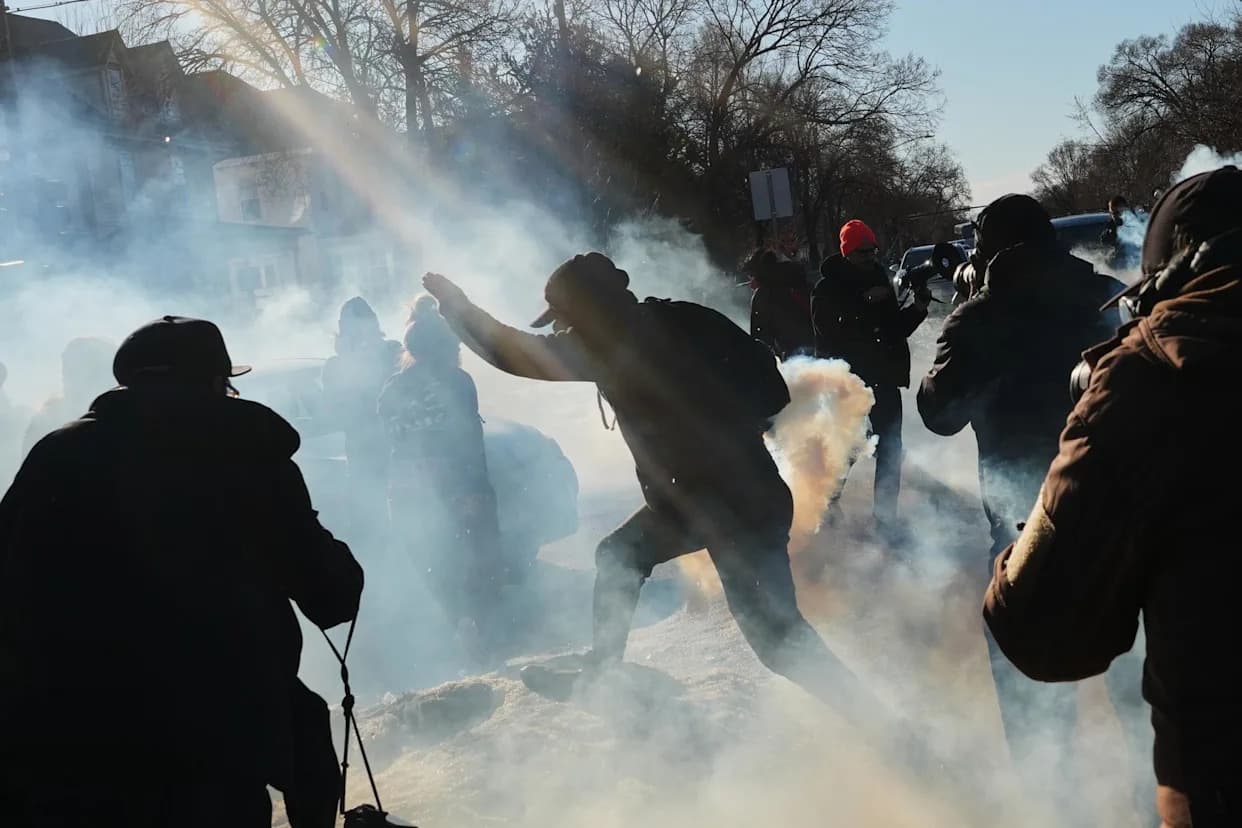
Federal agents clash with residents and rapid responders as they deploy tear gas on January 13, 2026, in Minneapolis, Minnesota. The scene took place two blocks from where Renée Good was fatally shot by an Immigration and Customs Enforcement officer earlier in January. - Joshua Lott/The Washington Post/Getty Images
Editor’s note: Some images and descriptions in this article are graphic. Reader discretion is advised.
Protesters and nearby residents across multiple U.S. cities have reported severe injuries and lasting trauma after encounters with so-called "less-lethal" crowd-control tools. Accounts from Portland, Minneapolis, Los Angeles, Chicago and smaller communities describe vision loss, embedded shrapnel, prolonged burning, vertigo and psychological distress following the use of pepper balls, tear gas, rubber bullets, flash-bangs and other munitions.
Firsthand Accounts
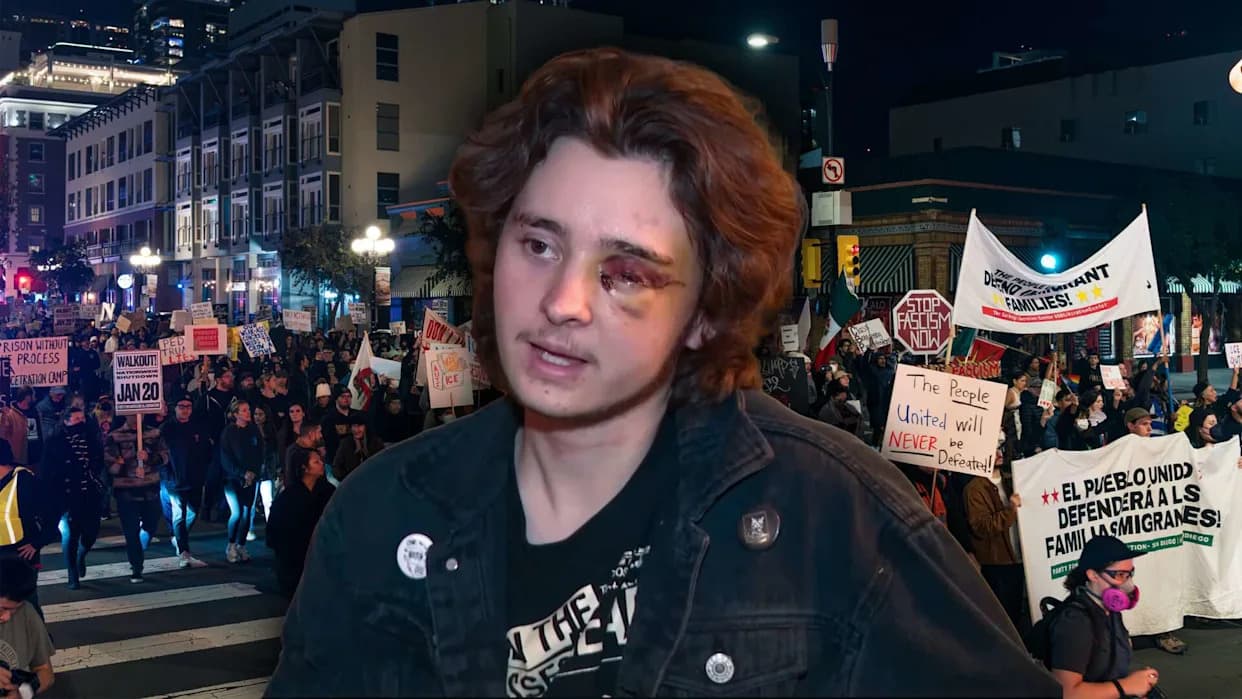
Vincent Hawkins, a 25-year-old emergency-room nurse, still carries the megaphone he held when a tear-gas canister struck his face. He described being briefly a patient after years on the other side of that gurney. Kaden Rummler says he will never see through his left eye again after being struck by a projectile at a protest in Santa Ana. Other victims include worship leaders, photojournalists and parents who were not protesting but were exposed when chemical agents drifted into residential buildings.
What Protesters Say It Feels Like
Descriptions vary by weapon, but common themes emerge: sharp blunt pain at the impact site, intense burning from chemical irritants, temporary or permanent vision and hearing loss, disorientation and a deep sense of panic. Several interviewees reported lingering symptoms — numbness, vertigo, sleeplessness and anxiety — long after the immediate physical effects faded.
Types Of Less-Lethal Munitions
Pepper Balls
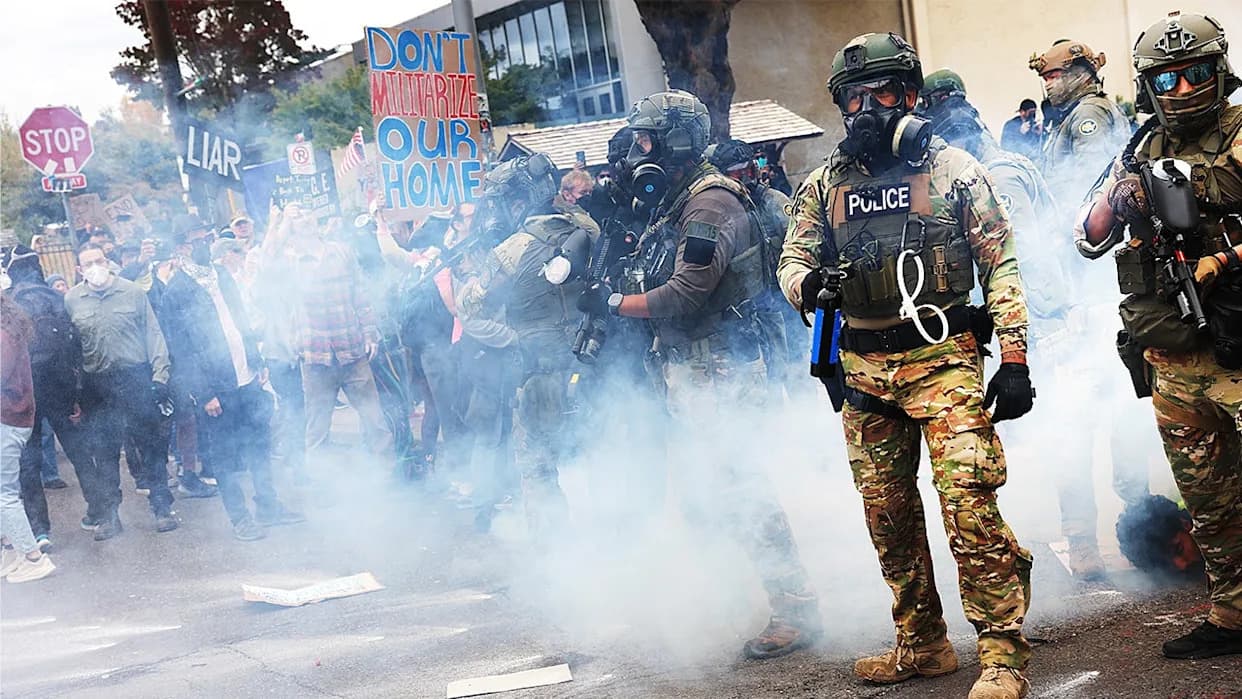
Pepper balls look like paintball rounds but contain oleoresin capsicum (OC), the oil-based extract from hot peppers. On impact they burst, combining blunt trauma with a fine chemical powder that can embed in clothing and eyes, prolonging exposure. Victims report intense burning, numbness and, in some cases, injury-related nerve symptoms that last days or longer.
Pepper Spray
Pepper spray disperses OC as an oily aerosol. Victims describe burning across the body, prolonged eye irritation because the oil is hard to remove, and difficulty breathing for hours after exposure.
Tear Gas
Tear gas is dispersed as airborne particles that irritate the eyes, nose and airways. Because it drifts, it can infiltrate apartments and vehicles through vents and windows, affecting bystanders and children. Respondents reported acute respiratory distress and, in some cases, emergency-room visits for compromised airways.
Flash-Bangs
These distraction devices create a bright flash and loud detonation to stun and disorient. When used among crowds they can send shrapnel flying; at least one protester had fragments embedded in a knee. Experts warn their use at demonstrations is often counterproductive and raises serious safety concerns.
Kinetic-Impact Projectiles
Foam and rubber bullets, bean-bag rounds and other impact munitions deliver blunt force that can disable, disfigure or kill, especially when fired from a distance. Some variants now combine a capsaicin payload with impact force, increasing pain and chemical exposure.
Medical And Mental-Health Impacts
Medical advisers note these tools can cause immediate physical harm — eye loss, burns, embedded shrapnel, nerve symptoms and vertigo — and that the sensory assault can trigger panic, claustrophobia and lasting psychological trauma. Several interviewees reported symptoms consistent with post-traumatic stress: insomnia, hypervigilance and persistent anxiety about everyday activities.
Training, Policy And Oversight
Law enforcement policy requires force to be reasonable under the circumstances, and officers are trained to consider bystanders. However, experts say training and crowd-control experience vary widely between large municipal police departments and some federal agencies, which may not provide advanced crowd-control instruction as part of their routine mission. That inconsistency, combined with rapid deployments in residential neighborhoods, has fueled concern about misuse and inadequate oversight.
What This Means
While intended to be less than lethal, these weapons can inflict lasting physical and psychological harm — especially when used in densely populated or residential settings. Medical and civil-rights experts urge careful review of tactics, improved training, clearer policies and greater transparency when these tools are deployed near peaceful demonstrators and neighborhoods.
Contributors: Reporting originally compiled by CNN; additional editorial refinement provided for clarity and structure.
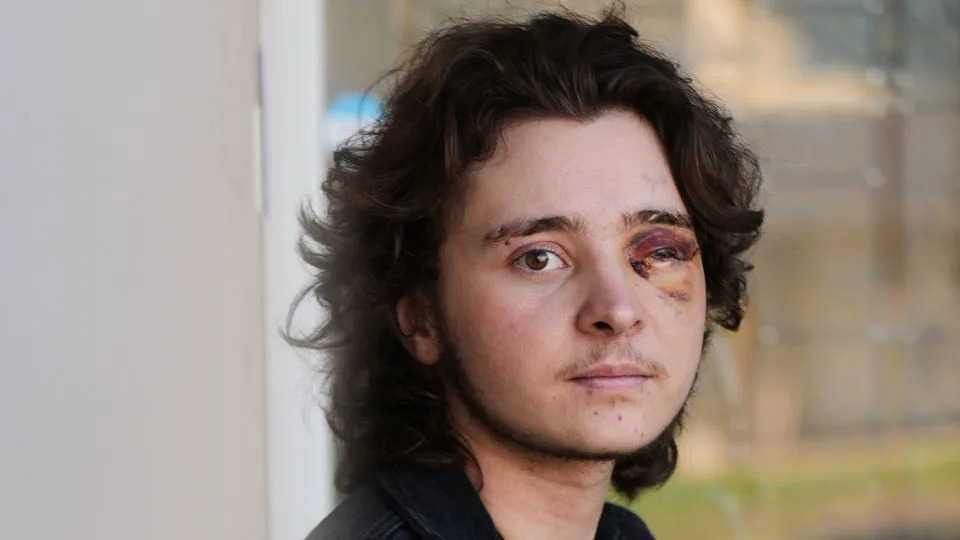
Kaden Rummler, who was injured after being hit with a projectile fired by a federal agent during a protest outside an immigration building in Santa Ana, California, poses for a portrait Wednesday, January 14, 2026, in Southern California. - Damian Dovarganes/AP
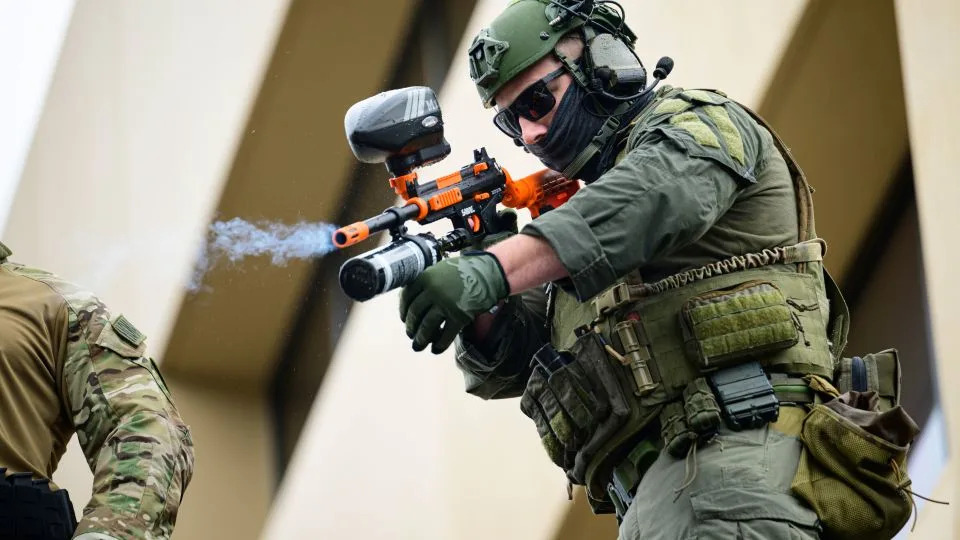
A federal agent fires pepper balls at anti-ICE protesters at the US Immigration and Customs Enforcement building on October 12, 2025, in Portland, Oregon. - Mathieu Lewis-Rolland/Getty Images
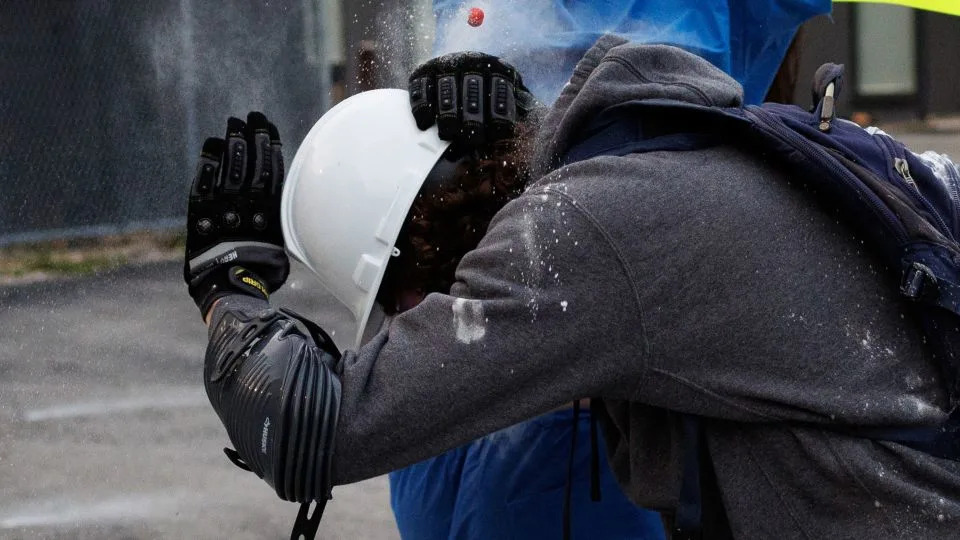
A protester is shot with a paintball gun pepper ball outside the Immigration and Customs Enforcement building on September 19, 2025, in Broadview, Illinois. - Armando L. Sanchez/Chicago Tribune/Tribune News Service/Getty Images
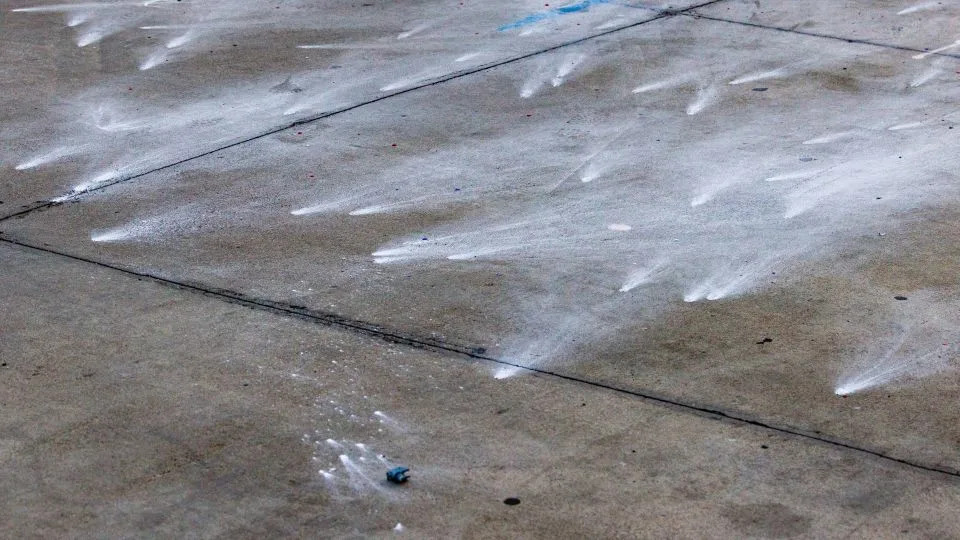
Pepper ball residue marks the street where police used chemical agents to disperse protesters marching against Immigration and Customs Enforcement on June 10, 2025, in Denver, Colorado. - Michael Ciaglo/Getty Images
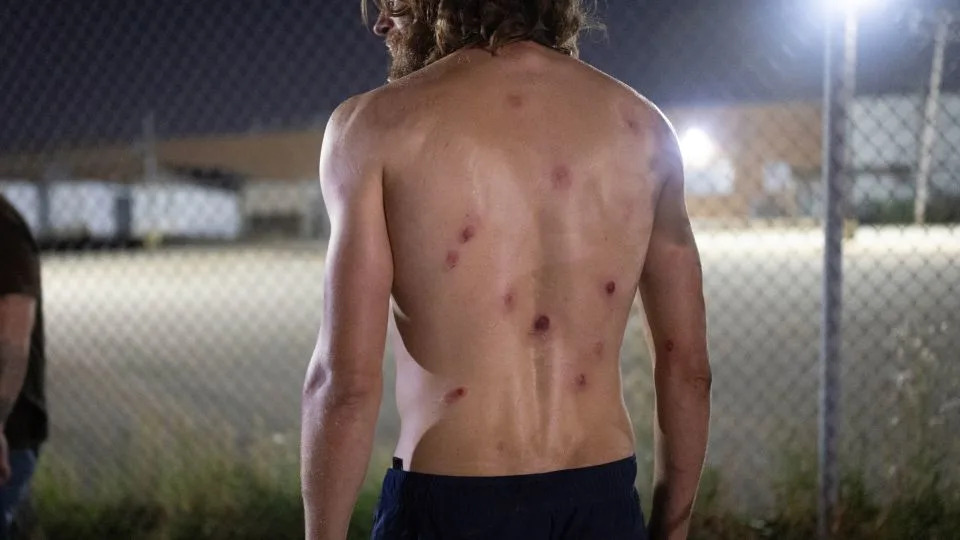
The back of a demonstrator is pockmarked with wounds after federal law enforcement agents opened fire with pepper balls while he was protesting outside of an immigration processing center on September 22, 2025, in Broadview, Illinois. - Scott Olson/Getty Images
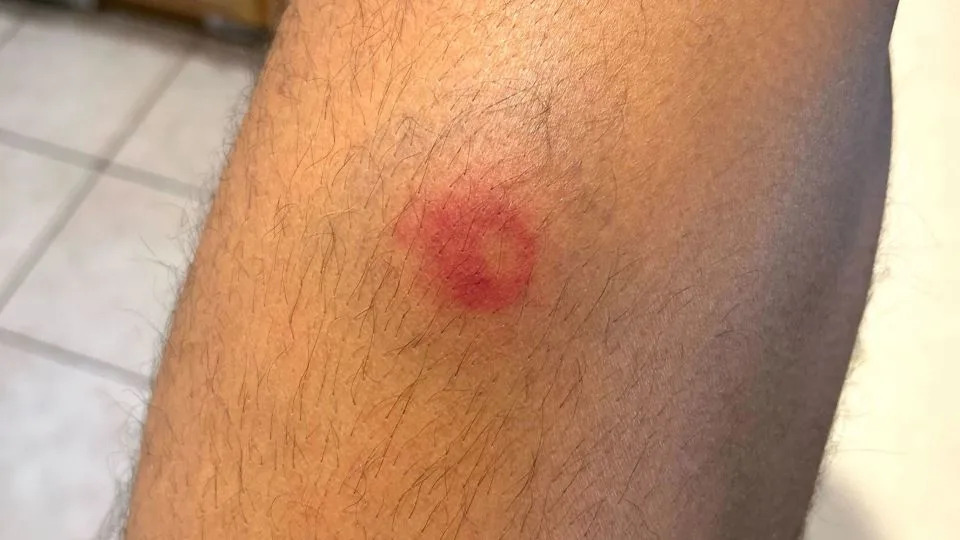
One of Ryan Garcia's pepper ball injuries - Courtesy Ryan Garcia
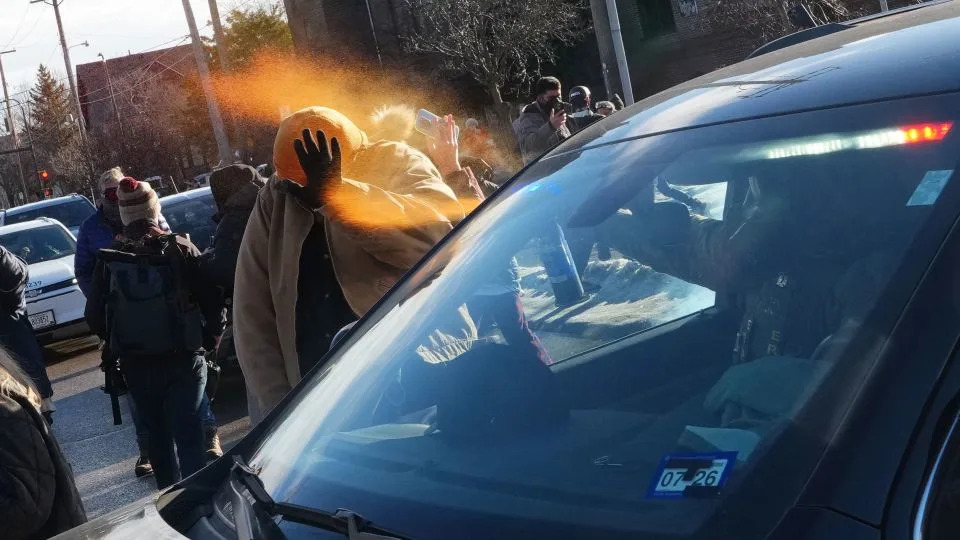
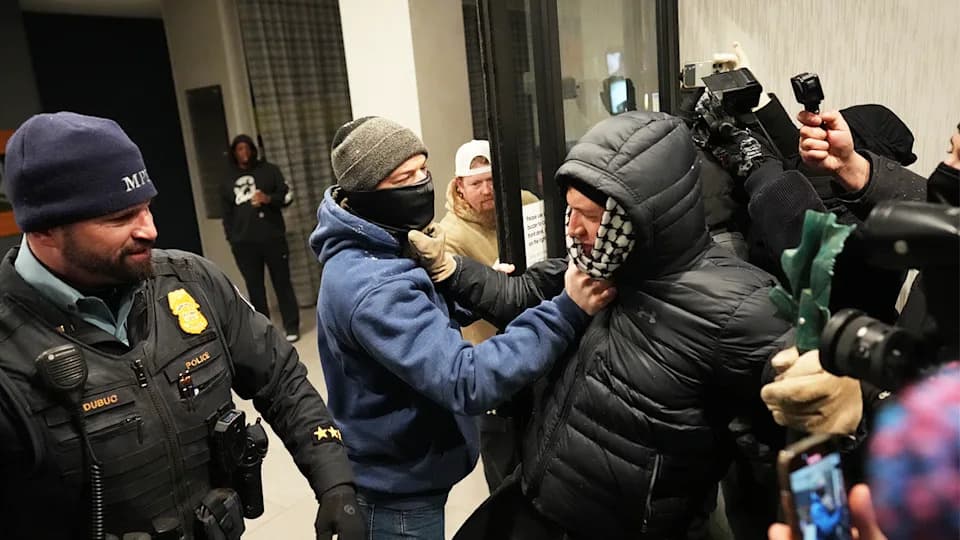
A protester is sprayed with pepper spray by a federal agent on Tuesday, January 13, 2026, in Minneapolis. (AP Photo/Adam Gray) - Adam Gray/AP
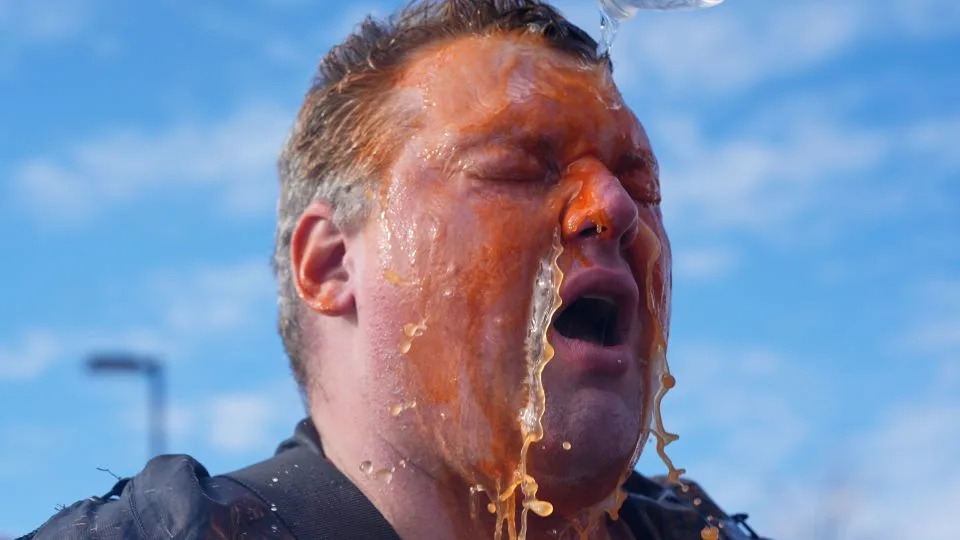
A protester's face is doused in water after he was pepper sprayed outside of the Bishop Whipple Federal Building, Monday, January 12, 2026, in Minneapolis. (AP Photo/Jen Golbeck) - Jen Golbeck/AP
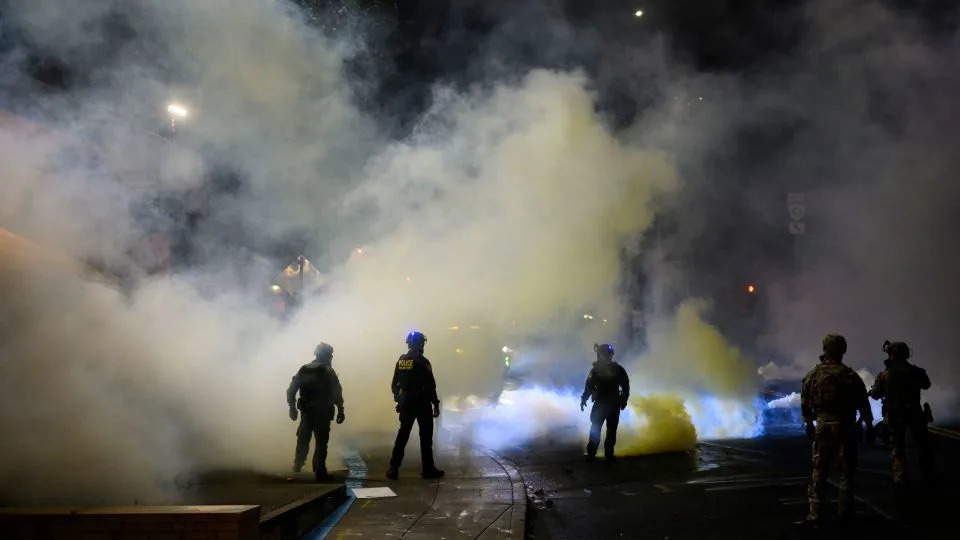
Federal agents walk through tear gas at the US Immigration and Customs Enforcement building on October 18, 2025, in Portland, Oregon. - Mathieu Lewis-Rolland/Getty Images
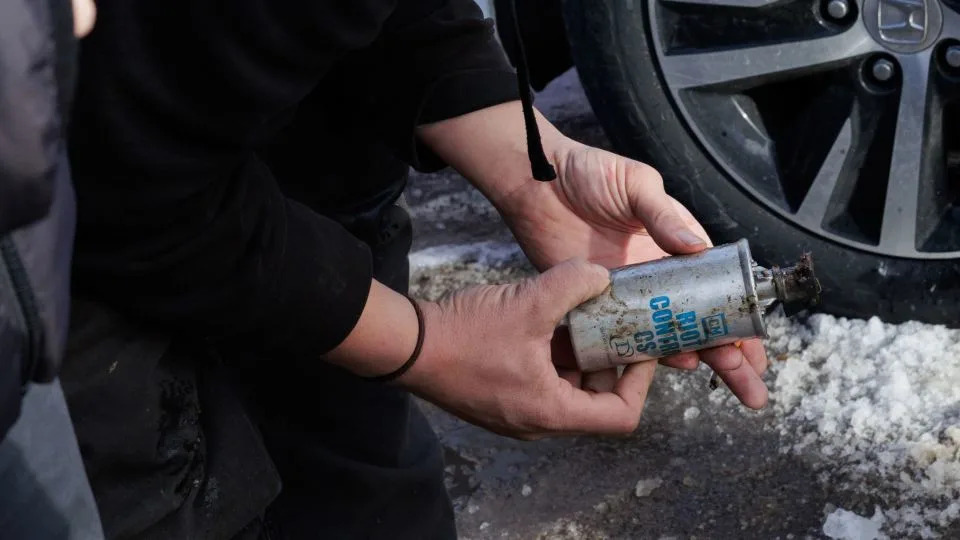
A used canister of tear gas is inspected after it was deployed by US Customs and Border Patrol agents toward community members in a residential neighborhood following a minor traffic accident in Minneapolis, Minnesota, on January 12, 2026. - Madison Thorn/Anadolu/Getty Images
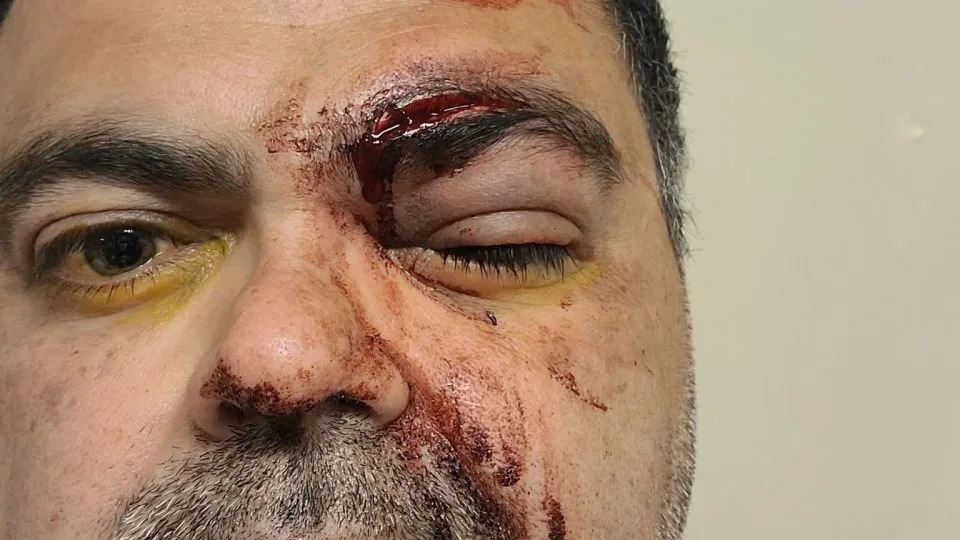
Vincent Hawkins' injury from being struck by a tear gas canister in Portland, Oregon, in June. - Courtesy Vincent Hawkins
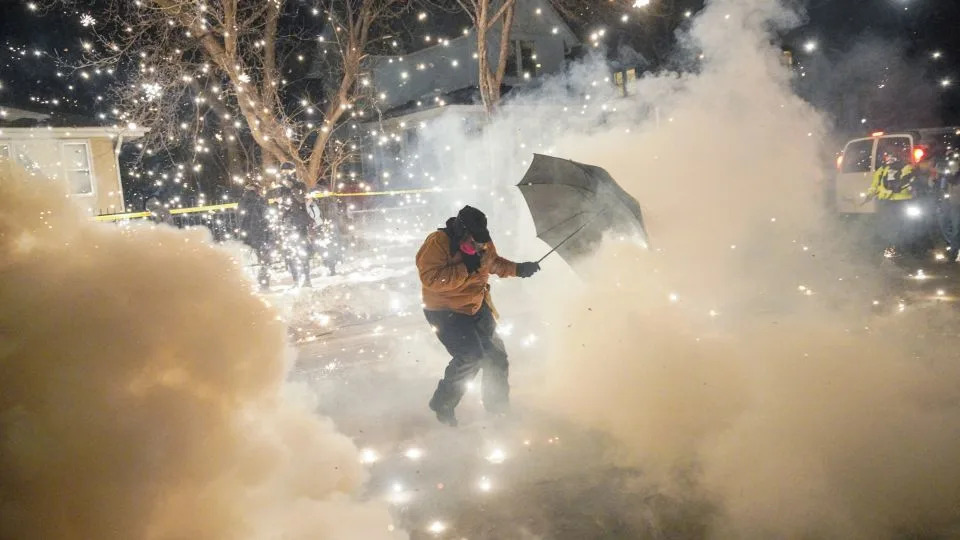
A protester attempts to protect themselves as federal agents fire flash-bangs and pepper balls, amid risingstensions after federal law enforcement agents were involved in another shooting incident, a week after an ICE agent fatally shot Renee Nicole Good, in north Minneapolis, Minnesota, on January 14, 2026. - Ryan Murphy/Reuters
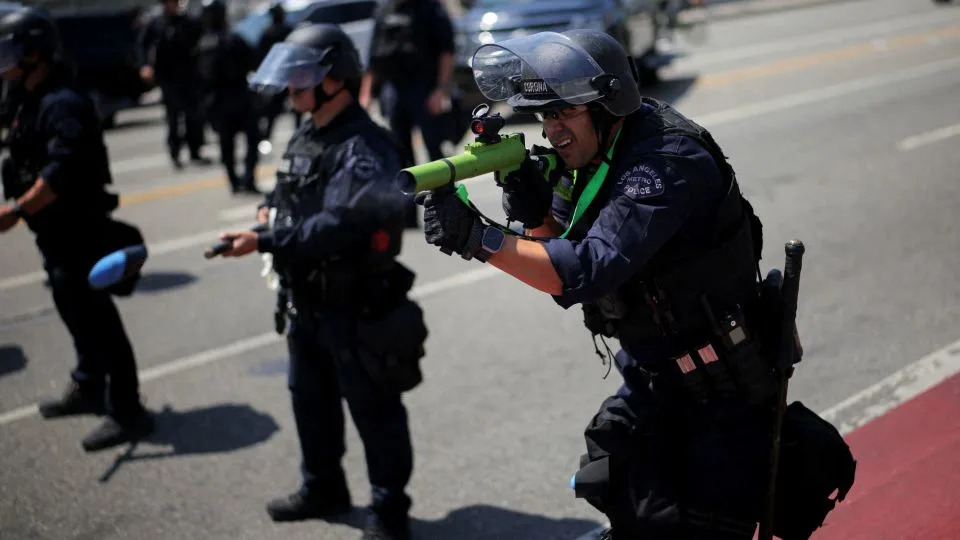
A member of the Los Angeles Metro Police fires a sponge round during a protest against federal immigration sweeps in downtown Los Angeles, California, on June 8, 2025. - Daniel Cole/Reuters
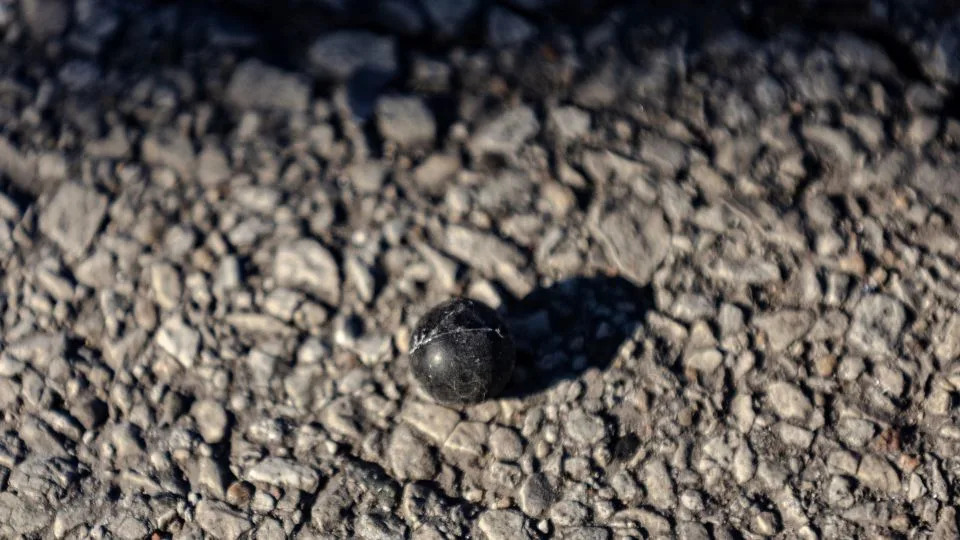
The remains of a fired rubber bullet sit on the ground outside of the Broadview ICE processing facility, after President Donald Trump ordered increased federal law enforcement presence to assist in crime prevention, in Broadview, Illinois, on September 26, 2025. - Jim Vondruska/Reuters
Help us improve.