Verdict: A federal jury in Chicago acquitted Juan Espinoza Martinez of an alleged murder‑for‑hire plot to kill Border Patrol official Gregory Bovino after less than four hours of deliberation. Evidence: The prosecution pointed to Snapchat messages that included the phrase "10k if u take him down," while the defense said the posts were gossip and showed no intent or follow‑through. Context: The case is the first trial tied to Operation Midway Blitz and joins several other collapsed prosecutions that have raised questions about evidence and witness credibility in immigration‑related cases.
Chicago Jury Acquits Man Accused Of $10,000 Murder‑For‑Hire Plot Against Border Patrol Leader
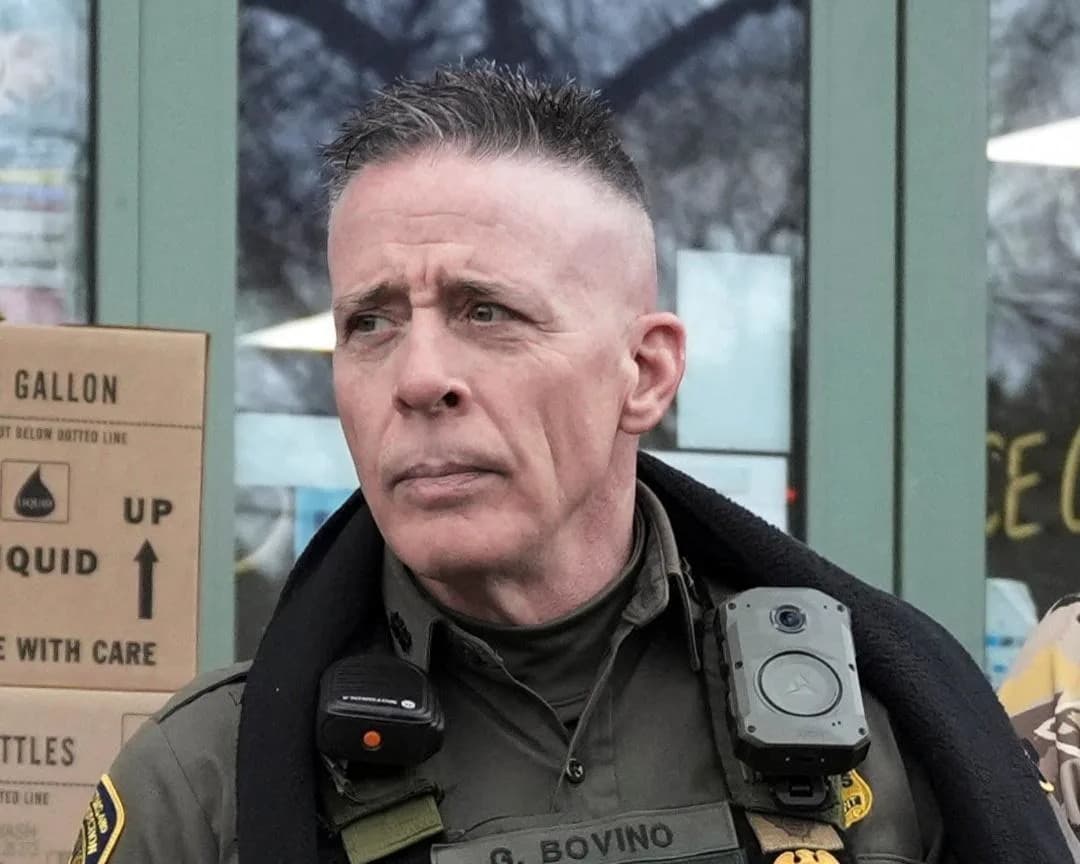
Greg Bovino in Minneapolis on 13 January.Photograph: Tim Evans/Reuters(Photograph: Tim Evans/Reuters)
A federal jury in Chicago on Thursday acquitted Juan Espinoza Martinez, 37, of a murder‑for‑hire charge that accused him of offering $10,000 via Snapchat for the killing of U.S. Border Patrol official Gregory Bovino. The jury reached its not‑guilty verdict after less than four hours of deliberation, concluding a three‑day trial that tested evidence emerging from the government’s Chicago‑area immigration enforcement efforts.
What Happened At Trial
Prosecutors highlighted Snapchat messages Espinoza Martinez sent to his younger brother and to a friend who later was identified as a government informant. One message included a photo of Bovino and the words "10k if u take him down." Authorities had charged Espinoza Martinez with soliciting a murder‑for‑hire and said his messages reflected a real threat.
"Those words do not indicate that this was a joke," Jason Yonan, the second‑highest‑ranking federal prosecutor in the Chicago region, told jurors. "Those words have meaning. They are not innocent and harmless words."
Defense Argument
Defense attorneys argued the messages were neighborhood gossip posted while Espinoza Martinez was scrolling social media after work and drinking beers, not an offer to pay for a killing. They said there was no evidence he arranged payment or followed up, and noted his bank account held only a few dollars.
"Sending a message about gossip that you heard in the neighborhood, it's not murder for hire," defense attorney Dena Singer told the jury. "It's not a federal crime."
Espinoza Martinez did not testify. His brother, Oscar, said he took the posts as a joke and had seen similar posts on Facebook. The defense also emphasized that Espinoza Martinez is a carpenter and family man with no proven gang involvement.
Evidence And Credibility
The government called a friend and construction business owner, Adrian Jimenez, as a witness. Jimenez had communicated with Espinoza Martinez on Snapchat and later provided the Snapchats to investigators while working as a paid informant. Defense counsel attacked Jimenez’s credibility on cross‑examination, pointing to his visible back problems and suggesting he was an unlikely candidate to carry out a hired killing.
Federal prosecutors initially described Espinoza Martinez as a "ranking member" of the Latin Kings, but the judge barred gang‑related testimony due to insufficient evidence.
Broader Context
The prosecution was the first criminal trial tied to the Trump administration’s Chicago‑area immigration enforcement operation known as Operation Midway Blitz. It comes amid a wave of legal setbacks for government cases linked to recent immigration enforcement actions: roughly 30 criminal cases tied to the operation have seen charges dropped or dismissed in about half of them.
In related litigation, a federal judge found that Border Patrol official Gregory Bovino had given misleading testimony under oath in depositions, a ruling that fueled defense challenges to the credibility of government witnesses. In a separate Los Angeles prosecution connected to immigration protests, a defendant was also acquitted in a trial where Bovino was a key witness.
Case Status And Reactions
Espinoza Martinez, who was born in Mexico and has lived in Chicago for years but is not a U.S. citizen, faced up to 10 years in prison on the murder‑for‑hire charge. Department of Homeland Security spokespeople did not immediately respond to requests for comment. DHS had called him a "depraved" gang member when he was arrested last year; the judge’s exclusion of gang testimony and the jury’s verdict underlined the evidentiary limits prosecutors faced at trial.
This acquittal adds to scrutiny of how immigration enforcement prosecutions are pursued and the quality of evidence relied upon in some high‑profile cases.
Help us improve.