
The first criminal trial focused on law enforcement's delayed response to the 2022 Uvalde school massacre centers on former Uvalde Schools Officer Adrian Gonzales, who faces 29 counts of child endangerment for alleged failures to engage the shooter. Jury selection begins Jan. 5 in Corpus Christi; each count carries up to two years in prison. State and federal reviews found systemic failures among responding agencies, and legal experts note prosecutions for police inaction are rare and legally challenging.
Uvalde Trial Begins: Former Officer Adrian Gonzales Faces 29 Child Endangerment Counts Over Delayed Response

FILE - Crosses with the names of shooting victims are placed outside Robb Elementary School in Uvalde, Texas, May 26, 2022. (AP Photo/Jae C. Hong, File)(ASSOCIATED PRESS)
HOUSTON — Adrian Gonzales, a former officer with the Uvalde Schools Police, was among the earliest law-enforcement personnel to arrive at Robb Elementary School after a gunman opened fire in May 2022. Prosecutors say Gonzales failed to confront the shooter and did not take actions that might have protected children; families of the 19 fourth-grade students and two teachers killed contend lives might have been saved if officers had engaged the attacker sooner.
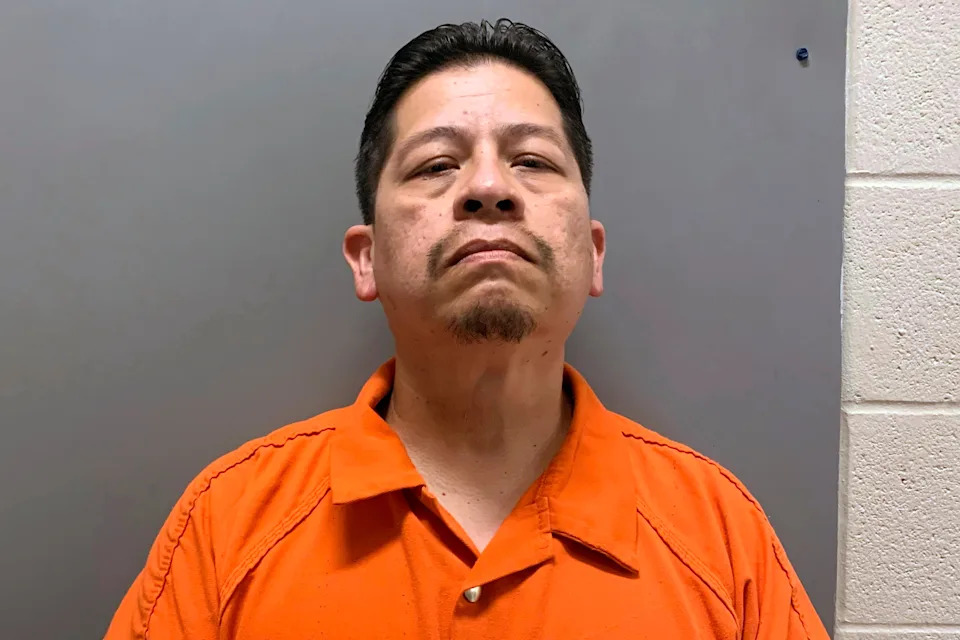
FILE - This booking image provided by the Uvalde County, Texas, Sheriff's Office shows Adrian Gonzales, a former police officer for schools in Uvalde, Texas. (Uvalde County Sheriff's Office via AP, File)(ASSOCIATED PRESS)
Ex-Officer Accused Of Child Endangerment
Gonzales has been indicted on 29 counts of child endangerment related to those killed and injured in the shooting. Prosecutors allege he placed children in "imminent danger" by failing to engage, distract or otherwise delay the shooter and by not following his active-shooter training, despite hearing gunfire and being told the assailant's location. Each count carries a potential sentence of up to two years in prison.
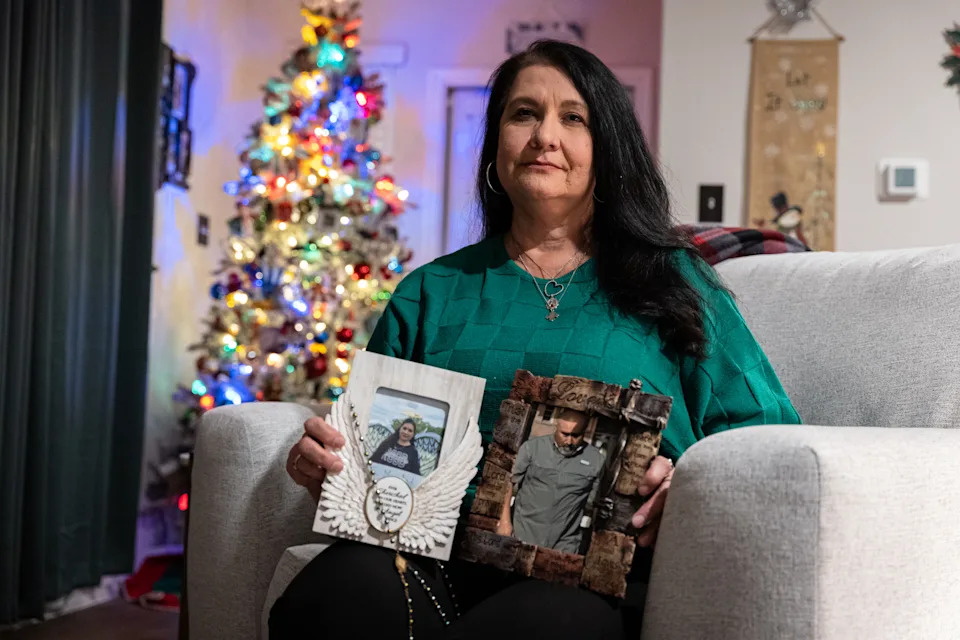
Velma Lisa Duran, sister of Robb Elementary teacher Irma Garcia, poses with photos of her sister and brother-in-law, Joe Garcia, as she reflects on the 2022 Uvalde, Texas, school shooting on Dec. 19, 2025, in San Antonio. (AP Photo/Kin Man Hui)(ASSOCIATED PRESS)
Trial Logistics And Local Context
Jury selection is scheduled to begin Jan. 5 in Corpus Christi, about 200 miles (320 kilometers) southeast of Uvalde; the venue was moved after defense attorneys argued Gonzales could not get a fair trial in Uvalde. Gonzales, 52, and former Uvalde Schools Police Chief Pete Arredondo are the only officers criminally charged so far. Arredondo faces multiple counts of child endangerment and abandonment; his trial date has not been set and he is also seeking a change of venue. Prosecutors have not explained why only the two officers were charged.
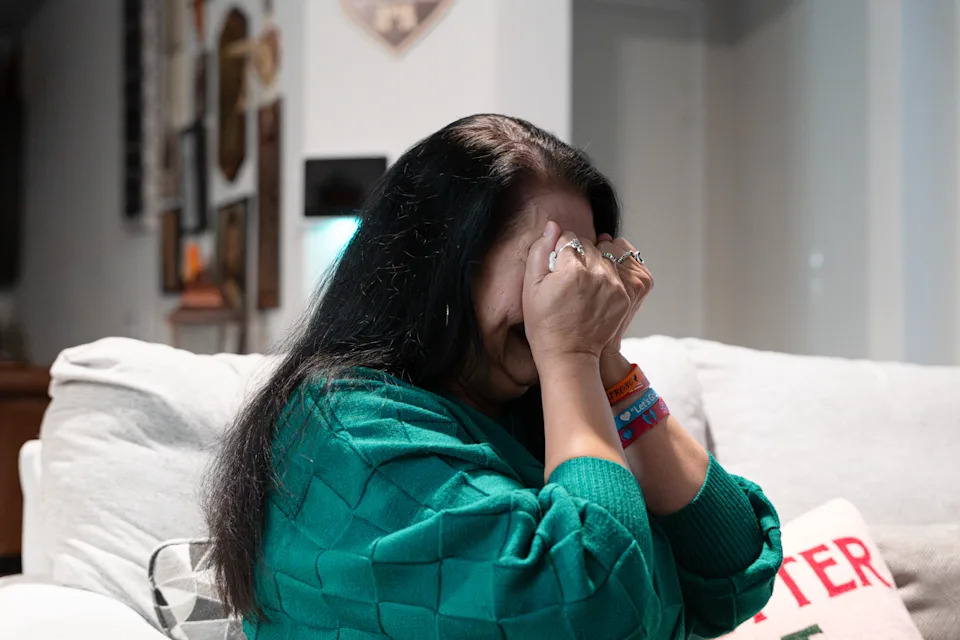
Velma Lisa Duran, sister of Robb Elementary teacher Irma Garcia, cries as she reflects on the 2022 Uvalde, Texas, school shooting during an interview on Dec. 19, 2025, in San Antonio. (AP Photo/Kin Man Hui)(ASSOCIATED PRESS)
Systemic Reviews And The Bigger Picture
State and federal reviews of the response identified cascading failures in training, communication, leadership and technology, and questioned why officers from multiple agencies waited more than an hour before confronting and ultimately killing the gunman, Salvador Ramos. Nearly 400 officers responded to the scene that day, and the delayed confrontation remains at the center of public anger and the criminal case.
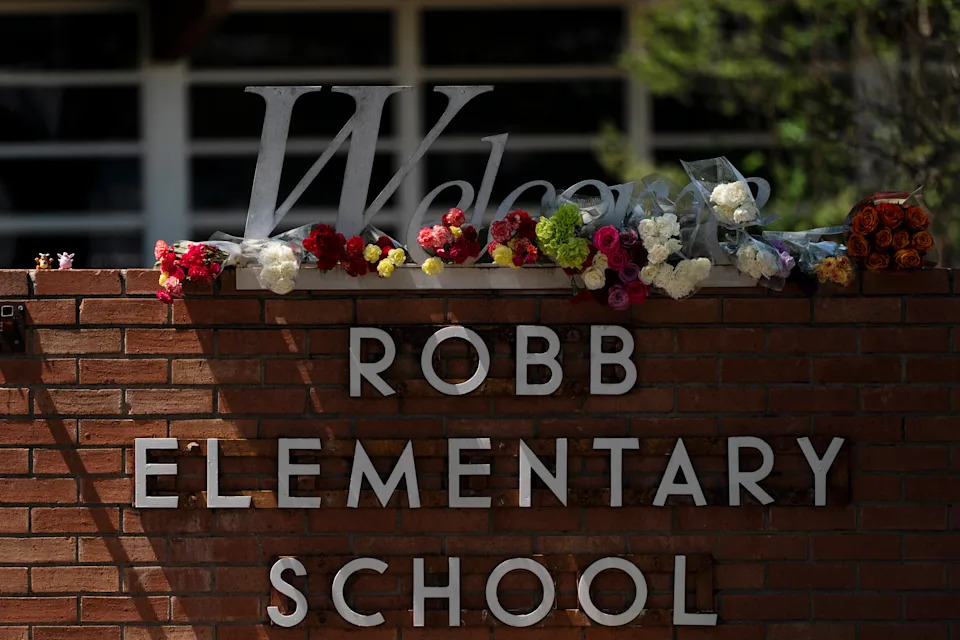
FILE - Flowers are placed around a welcome sign outside Robb Elementary School in Uvalde, Texas, May 25, 2022, to honor the victims killed in a shooting at the school. (AP Photo/Jae C. Hong, File)(ASSOCIATED PRESS)
"He was focused on getting children out of that building," said defense attorney Nico LaHood. "He knows where his heart was and what he tried to do for those children."
Legal Issues And Precedent
Prosecuting an officer for failing to act is rare and legally complex. Legal experts note the challenge of proving an omission rose to criminal liability: courts often apply the public duty doctrine, which says police typically owe duties to the public at large rather than to specific individuals unless a special relationship exists.
Comparable cases include the Parkland shooting prosecution of former Broward deputy Scot Peterson, who was acquitted in 2023, and the 2022 conviction of former Baltimore officer Christopher Nguyen for failing to protect a victim — a conviction later overturned by Maryland’s highest court on public-duty grounds. Those cases illustrate the high bar prosecutors face in proving criminal culpability for inaction.
What To Watch
The trial will test how jurors weigh the evidence of Gonzales' conduct against the backdrop of a chaotic, tragic scene and widespread scrutiny of law-enforcement decisions that day. Prosecutors must show more than negligence to secure convictions, while the defense will emphasize intentions, competing demands on officers, and the broader operational failures identified in official reviews.
Associated Press writer Jim Vertuno in Austin contributed to this report.
Help us improve.


