The federal trial of Juan Espinoza Martinez, 37, centers on whether Snapchat messages offering $2,000 for location information and $10,000 "if you take him down" constituted a genuine murder‑for‑hire plot against Border Patrol Commander at Large Greg Bovino or were reckless, implausible online talk. Prosecutors say the messages—sent to someone they say was a government informant—showed criminal intent; the defense says they were neighborhood gossip repeated from social media. Witnesses included the man who provided screenshots to authorities and the defendant’s brother, who called the posts a joke. Closing arguments are scheduled for Thursday, after which the jury will deliberate.
Jury Weighs Whether Snapchat Messages Were a Real Murder‑for‑Hire Plot Against Border Patrol Commander
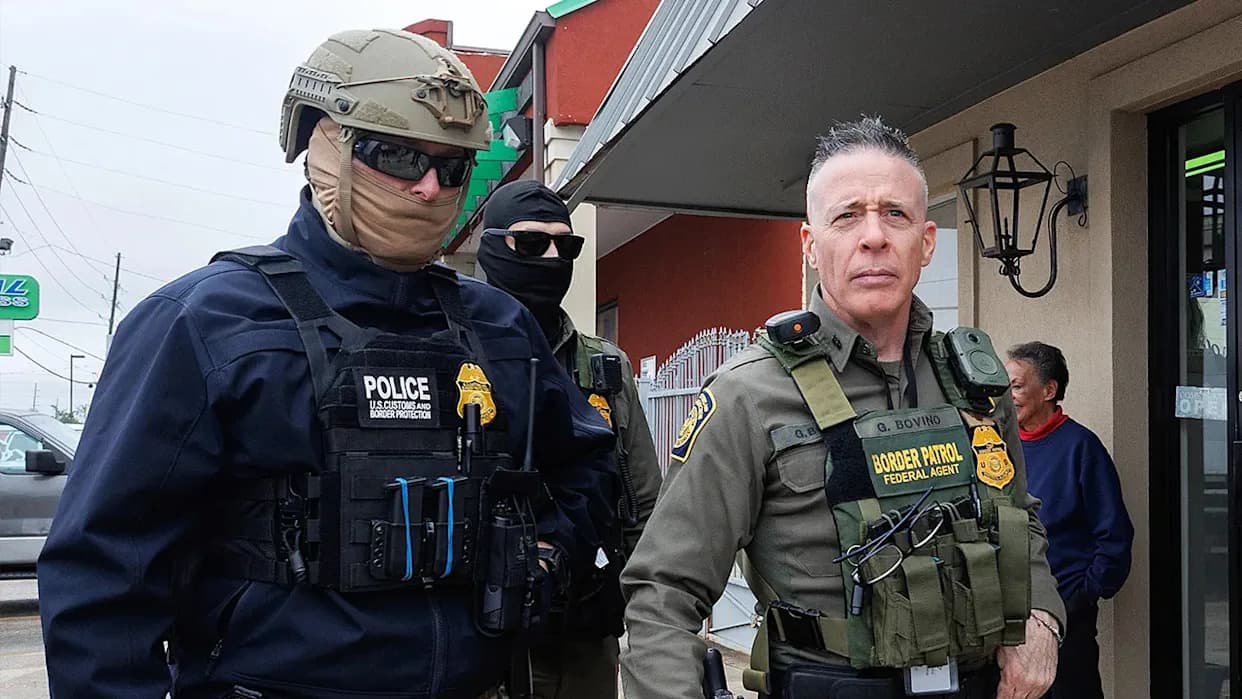
Border Patrol chief targeted in alleged murder-for-hire plot focused on Snapchat messages
A federal jury is deciding whether Snapchat messages from a Chicago‑area man alleged to have offered cash rewards amounted to a real murder‑for‑hire scheme targeting Border Patrol Commander at Large Greg Bovino, or whether they were reckless online talk without true intent to carry out violence.
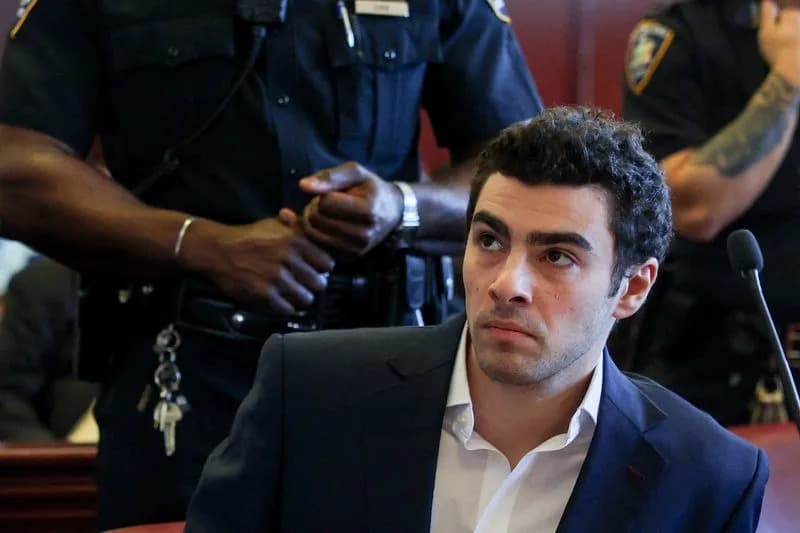
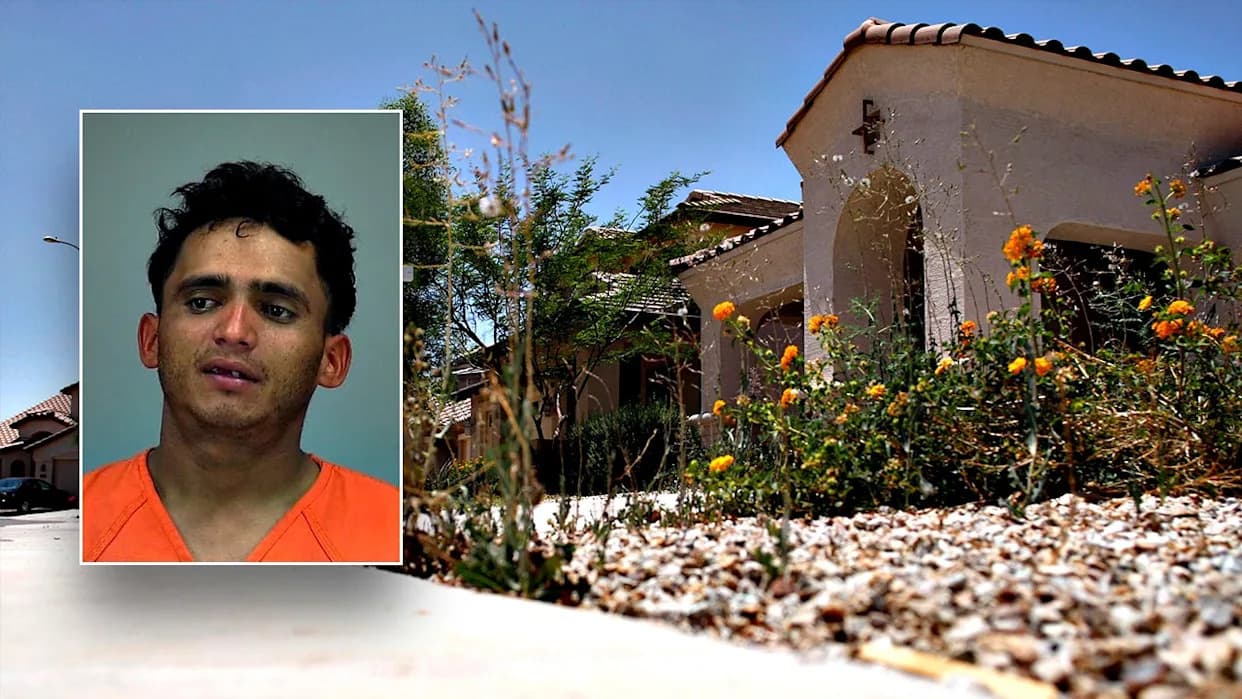
The defense rested Wednesday in the federal trial of 37‑year‑old Juan Espinoza Martinez, who is charged with soliciting the murder of a senior federal law enforcement official. Prosecutors say the defendant, not knowing he was communicating with a government informant, offered $2,000 for information on Bovino's whereabouts and $10,000 "if you take him down" in Snapchat messages that included a photograph of the commander. Espinoza Martinez did not testify.
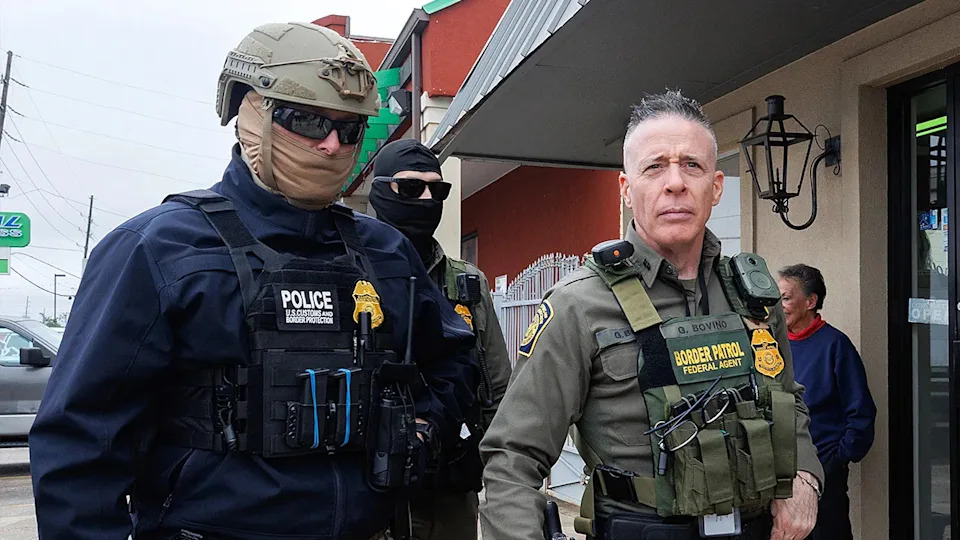
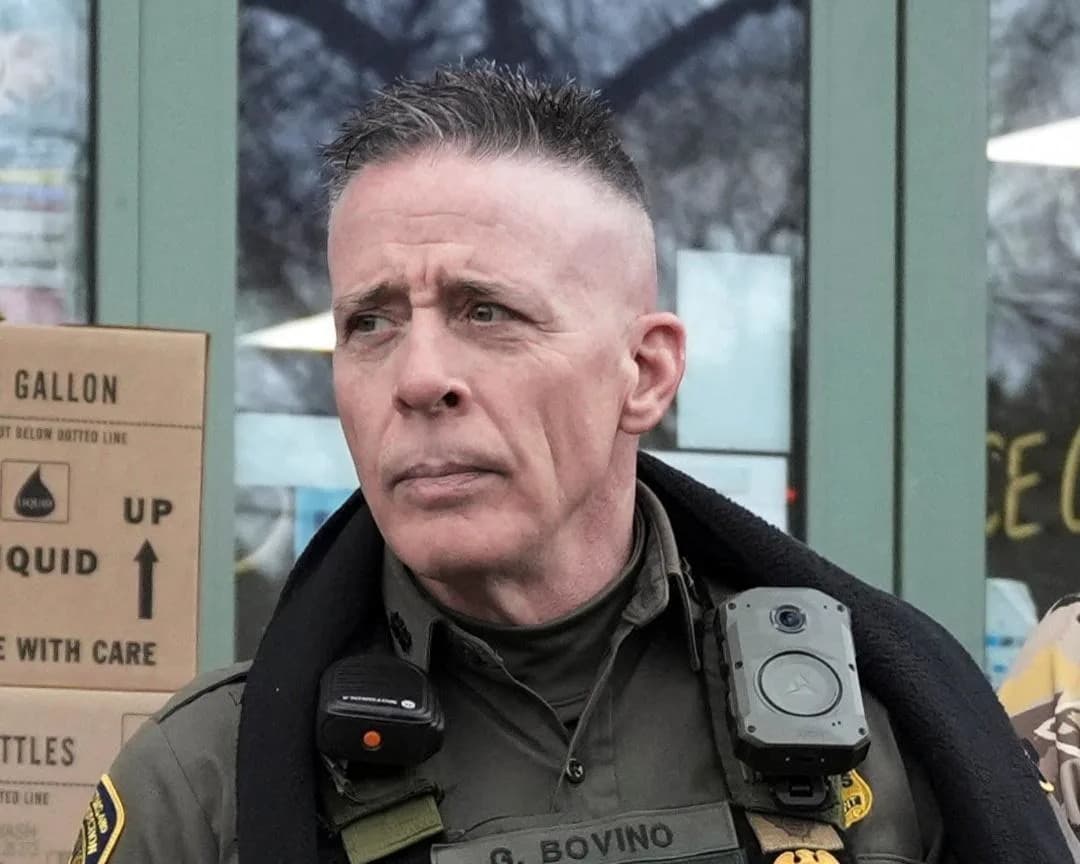
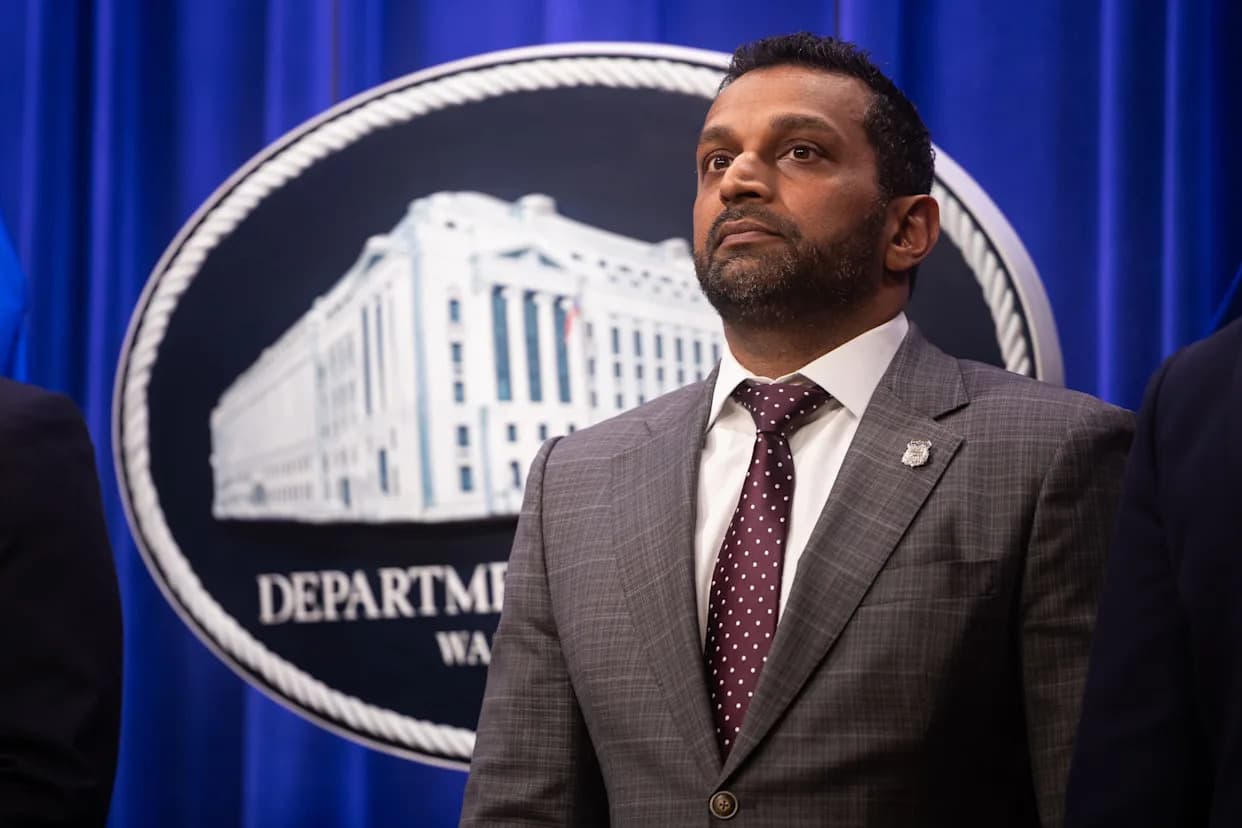
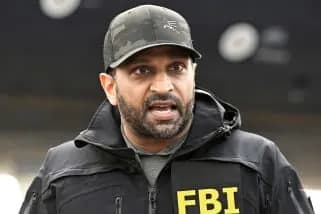
Border Patrol Commander Gregory Bovino in Kenner, Jefferson Parish, near New Orleans during Operation Catahoula Crunch Dec. 6.(Getty Images)
U.S. District Judge Joan Lefkow recessed the court and ordered jurors to return Thursday morning for closing arguments, after which the case will be sent to the jury for deliberation.
Prosecution and Defense Positions
Federal prosecutors told jurors the messages crossed the line from heated rhetoric into a deliberate effort to solicit violence against a federal officer. "This case is not about someone expressing strong views about immigration enforcement," Assistant U.S. Attorney Minje Shin said, arguing the communications showed intent rather than joking or gossip.
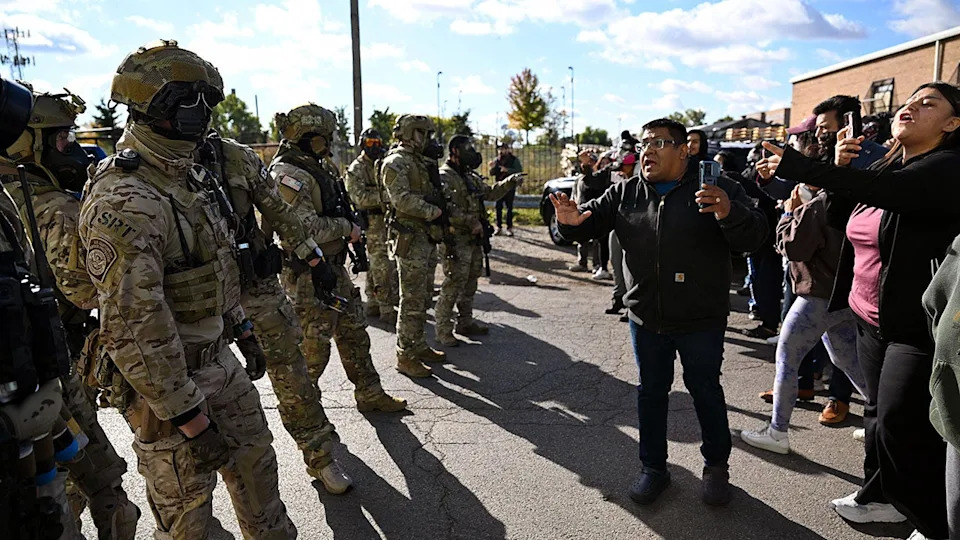
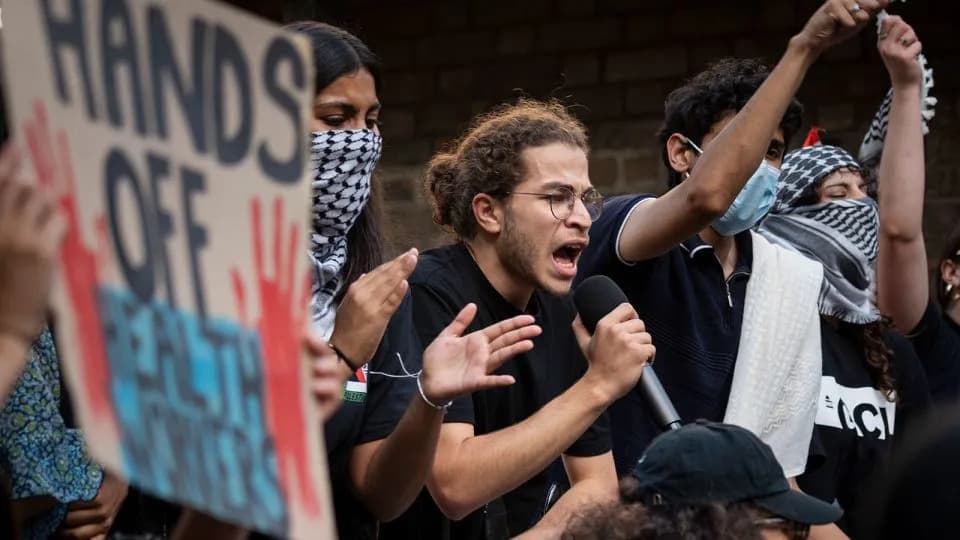
Residents and protesters clash with U.S. Border Patrol agents and other federal agents in the Little Village neighborhood Oct. 23, 2025, in Chicago, Illinois.
Defense attorneys portrayed Espinoza Martinez as a working carpenter with limited means who was repeating neighborhood rumors and social‑media chatter. They urged jurors to view the messages as implausible talk that did not amount to an actionable plot to kill anyone.
Key Witnesses
The government's first witness, Adrian Jimenez, a construction company owner who had discussed work with Espinoza Martinez, testified that he received the Snapchat exchanges, took them seriously, and passed them to a Homeland Security investigator. Under cross‑examination, Jimenez acknowledged a prior felony conviction, time served, and previous paid work as a confidential informant.
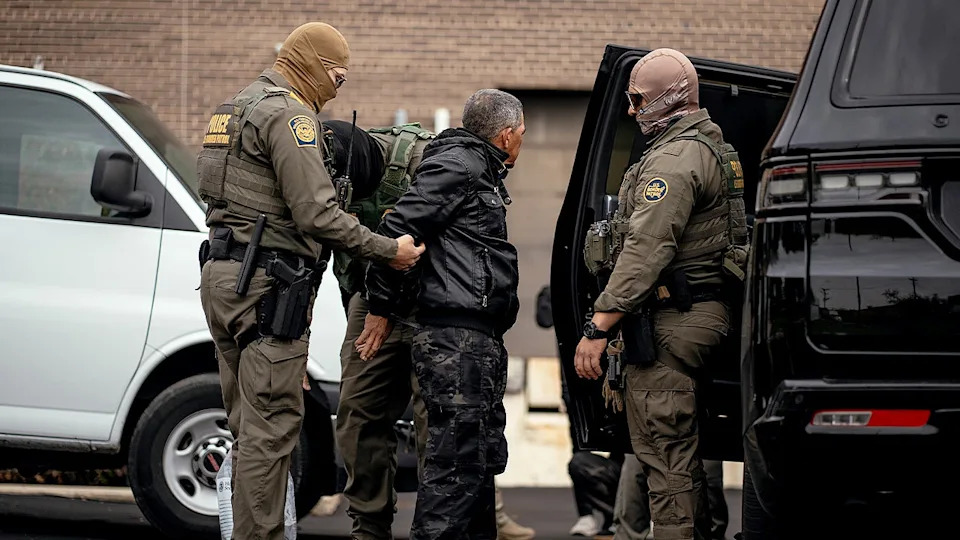
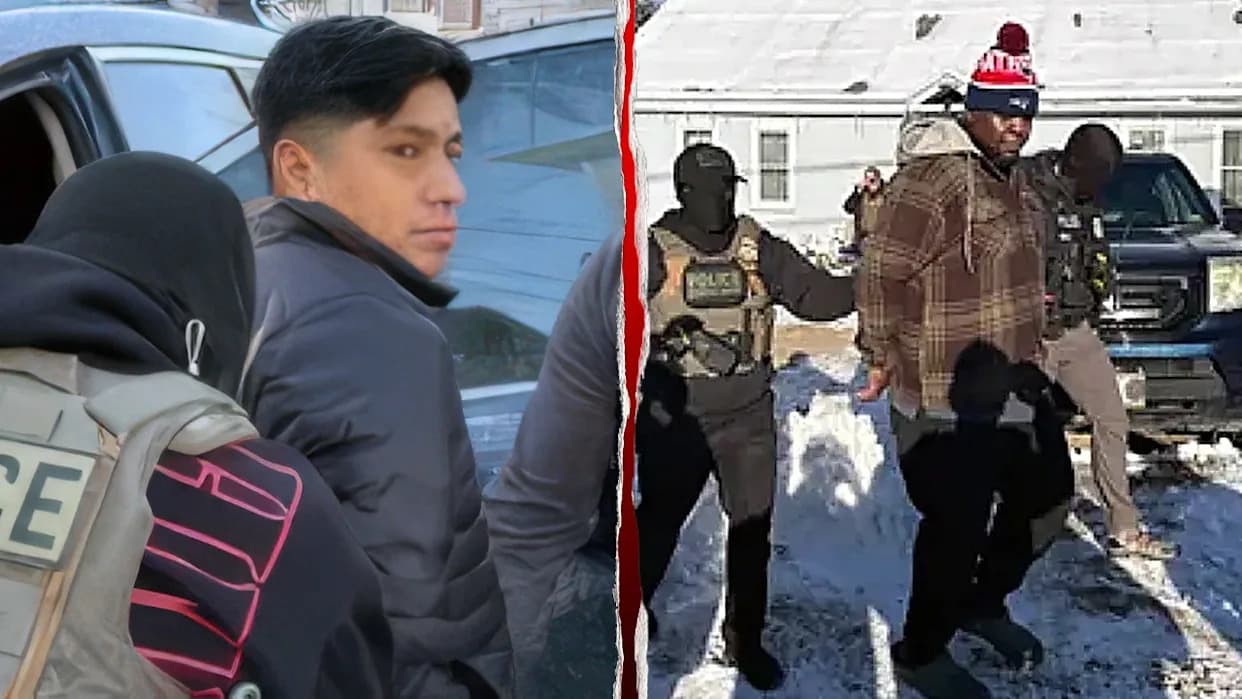
People detained earlier in the day are taken to a parking lot on the far north side of the city before being transferred to an Immigration and Customs Enforcement center Oct. 31, 2025, in Chicago.
Espinoza Martinez's younger brother, Oscar, testified for the defense that he had seen a Facebook post about a rumored bounty before the Snapchat messages and treated the messages as a joke. "Nobody's going to do that for $10K," he told the court.
Investigation, Arrest and Official Response
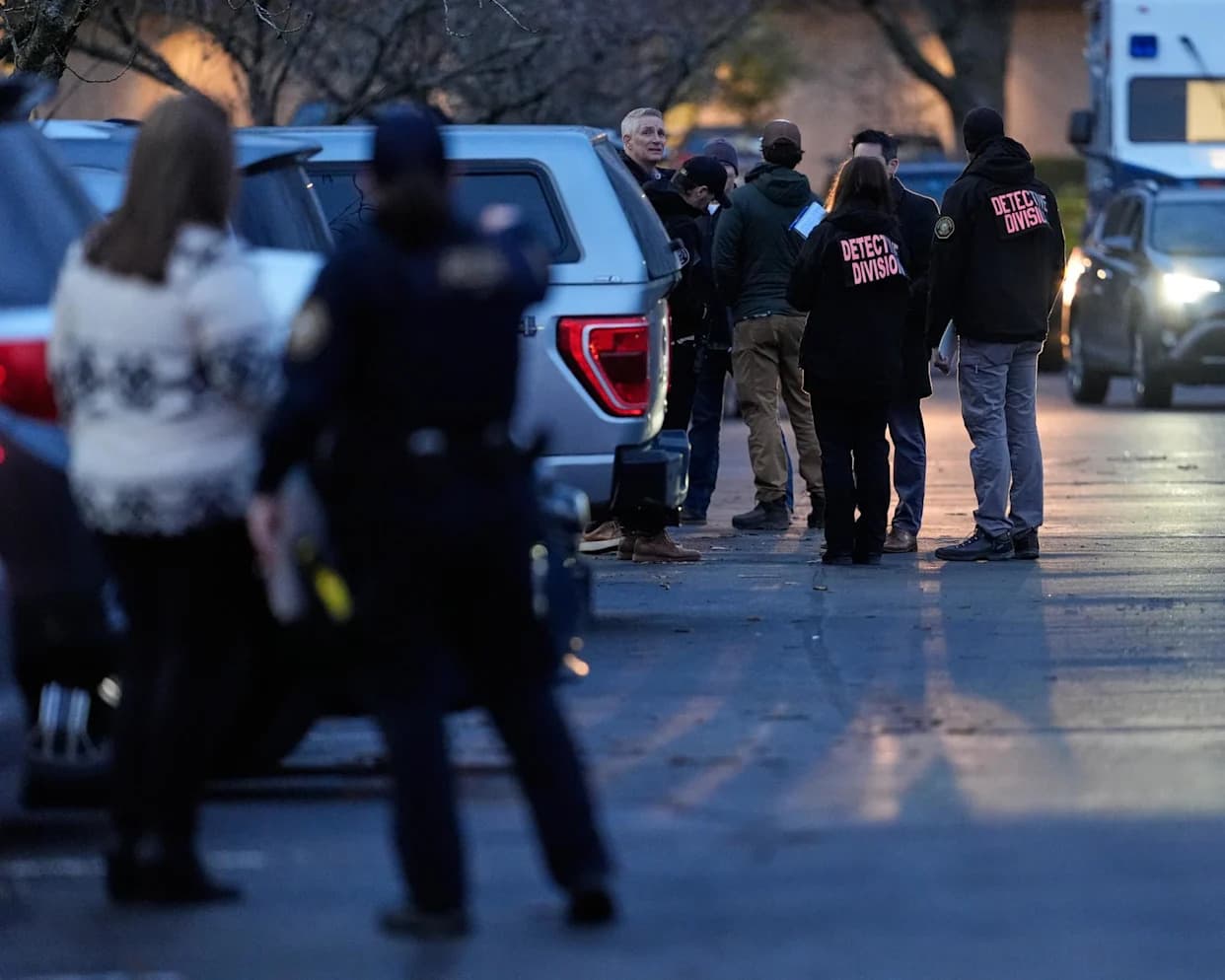
The matter was investigated starting in October after ICE Homeland Security Investigations received a tip that a hit had been placed on Bovino. Authorities arrested Espinoza Martinez on Oct. 6 in Burr Ridge, Illinois. The Department of Justice is prosecuting him on one count of murder‑for‑hire; the charge carries a maximum penalty of up to 10 years in federal prison if convicted.
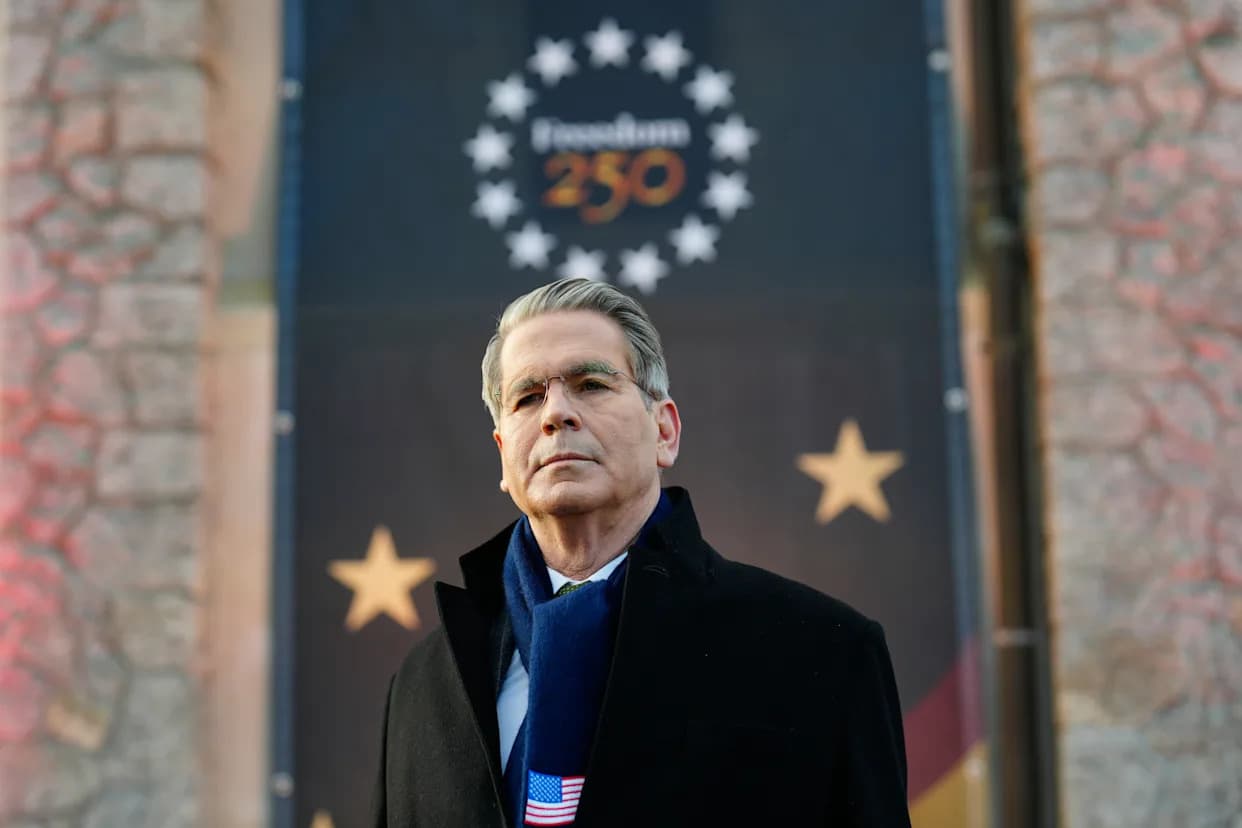
HSI Statement: "Targeting a senior federal officer is a brazen and direct assault on the rule of law," said Matthew Scarpino, special agent in charge of HSI Chicago, in an October release condemning the alleged plot.
DHS Statement: DHS Assistant Secretary Tricia McLaughlin called the alleged threat against law enforcement "depraved" and emphasized that threats will be prosecuted to the fullest extent of the law.
Federal authorities said Espinoza Martinez was born in Mexico, has lived in the United States for decades, and does not have legal authorization to remain in the country. Recorded interviews played at trial include his denials that he threatened anyone or belonged to a gang and his statements that he works as a union laborer.
Bovino did not testify. Closing arguments are scheduled for Thursday, after which the jury will begin deliberations.
Reporting cited The Associated Press. The defendant is presumed innocent until proven guilty in a court of law.
Help us improve.