President Trump questioned whether NATO allies would come to the US’s aid, claiming without evidence that allied troops “stayed a little back” from frontlines in Afghanistan. His comments prompted strong condemnation from European and British leaders, including Dutch Prime Minister Mark Rutte and British Prime Minister Keir Starmer, who defended allied sacrifices. The remarks have rekindled tensions over burden-sharing, collective memory and the recognition of partner contributions during the 20-year conflict.
Trump Claims NATO Troops 'Held Back' in Afghanistan, Sparking Fierce Transatlantic Backlash
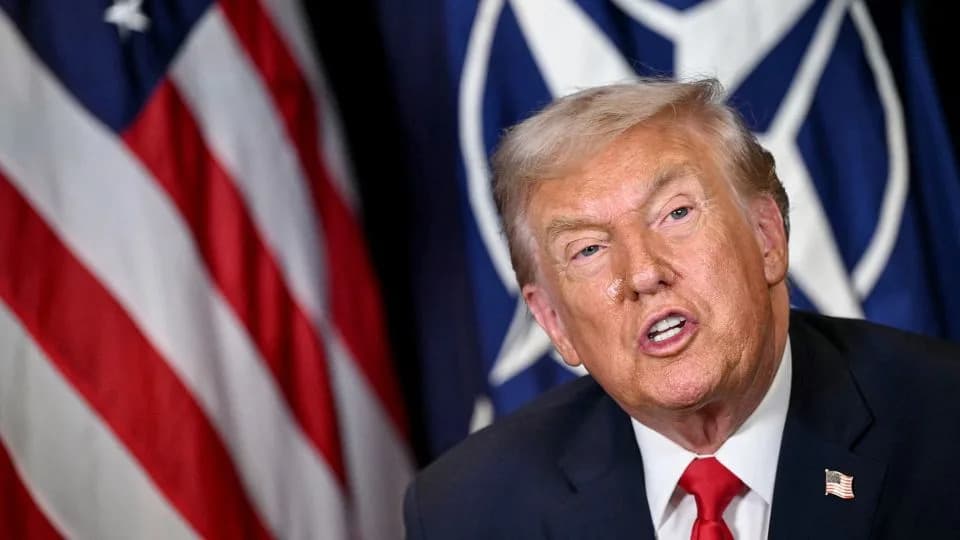
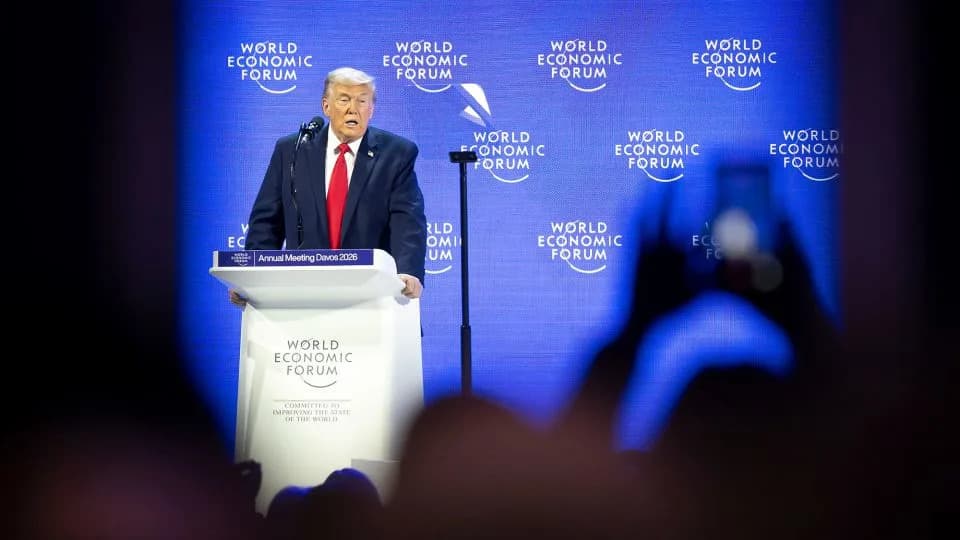
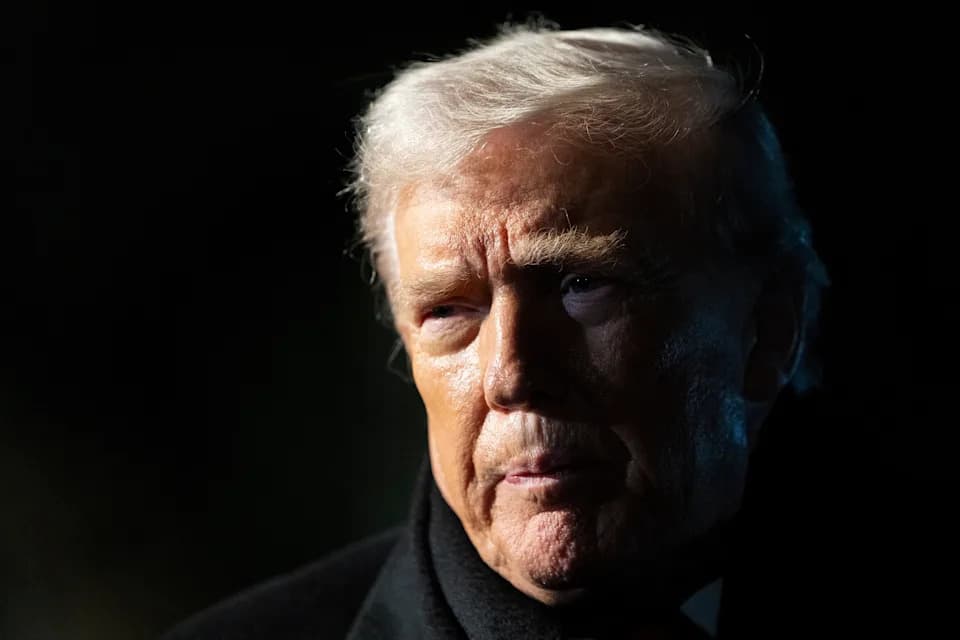
President Donald Trump, pictured in Davos, Switzerland on Wednesday, has cast doubt on whether the United States' allies would rally to its defense. - Mandel Ngan/AFP/Getty Images
US President Donald Trump on Thursday renewed public doubts about whether NATO allies would come to the United States' aid in a major crisis, asserting — without evidence — that some allied forces “stayed a little back” from frontline fighting in Afghanistan. His remarks, made during a Fox News interview in Davos, Switzerland, drew sharp rebukes from European leaders and British politicians who stressed the shared sacrifices of the 20-year conflict.
“I’ve always said, ‘Will they be there, if we ever needed them?’ And that’s really the ultimate test. And I’m not sure of that. I know that we would have been there, or we would be there, but will they be there?”
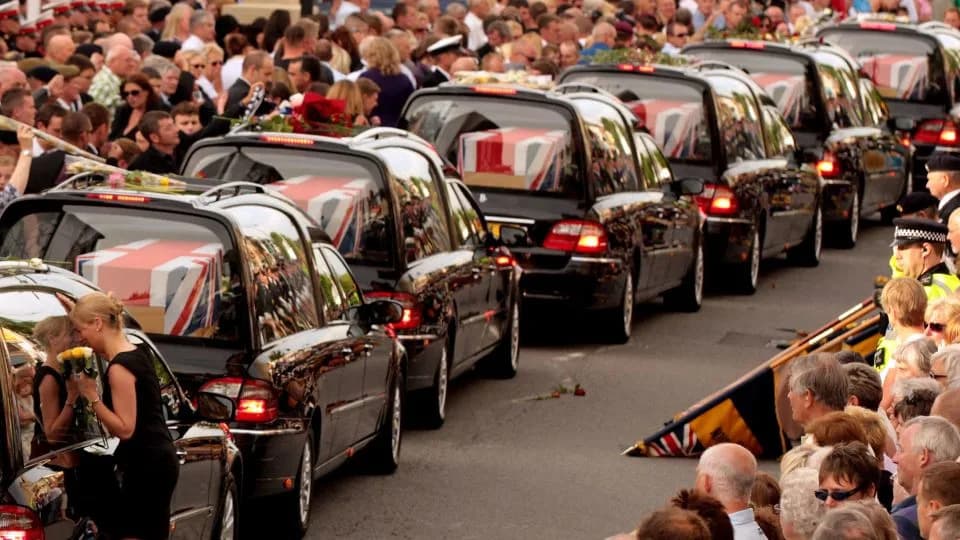
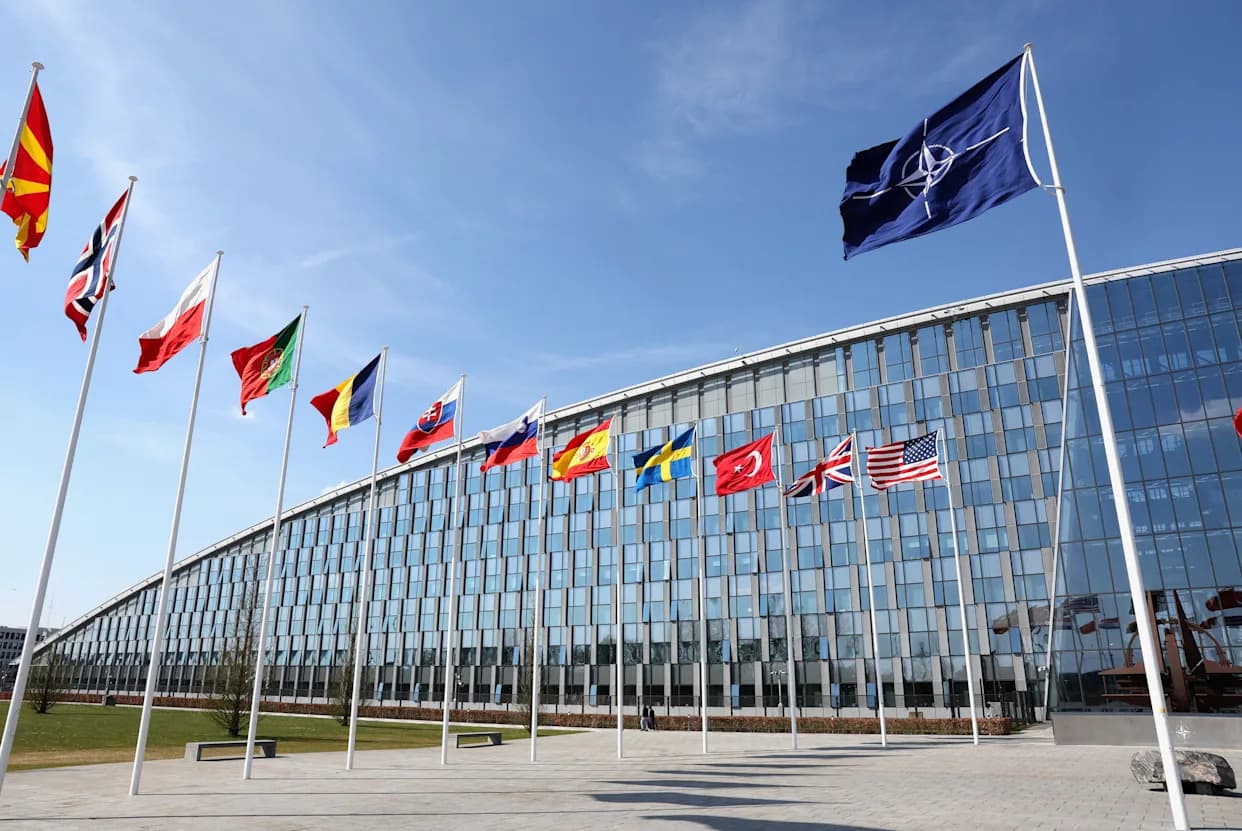
After the 9/11 terrorist attacks, the United States invoked NATO’s Article 5 — the collective defense clause — for the first and only time. For roughly two decades, NATO members and partner countries served alongside US forces in Afghanistan. While the United States suffered the largest absolute number of military deaths, many smaller allied countries paid a heavy price relative to their populations.
Casualties and Where Allies Fought
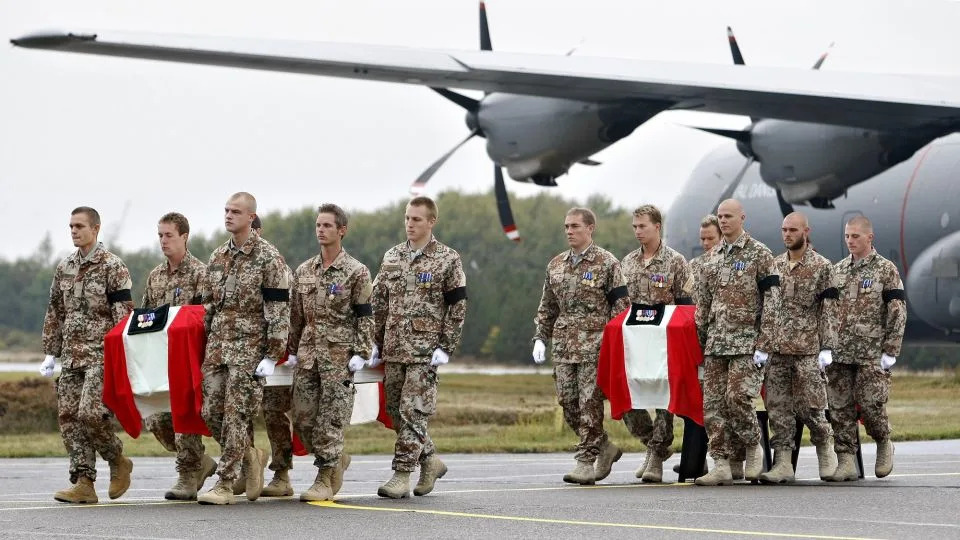
The coffins of two Danish soldiers killed in Helmand province were repatriated to a military airport in Jutland, Denmark, in October 2007. - Claus Fisker/AFP/Getty Images
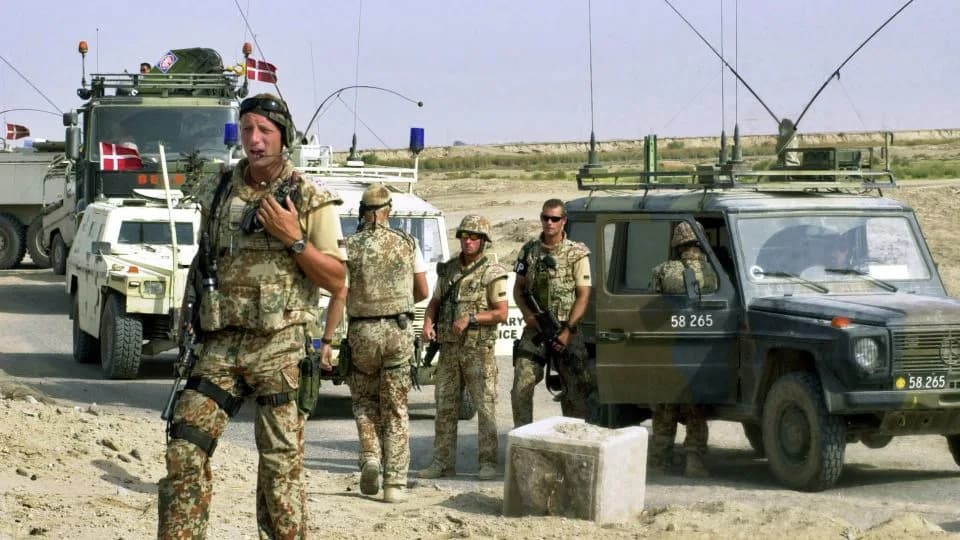
About 3,500 troops from NATO and partner countries died during the conflict, including roughly 2,456 Americans and 457 British service members. Denmark, with a population of about five million when the intervention began, lost more than 40 personnel. British and Danish forces were heavily engaged in Helmand province — a Taliban stronghold and a center of opium production — where many of their casualties occurred before additional US reinforcements arrived in 2008.
Political Fallout
Trump’s comments added strain to transatlantic ties amid a week of other tensions, including his public suggestions about Greenland, an autonomous territory of Denmark. Leaders and lawmakers in the UK and Europe reacted with strong condemnation.
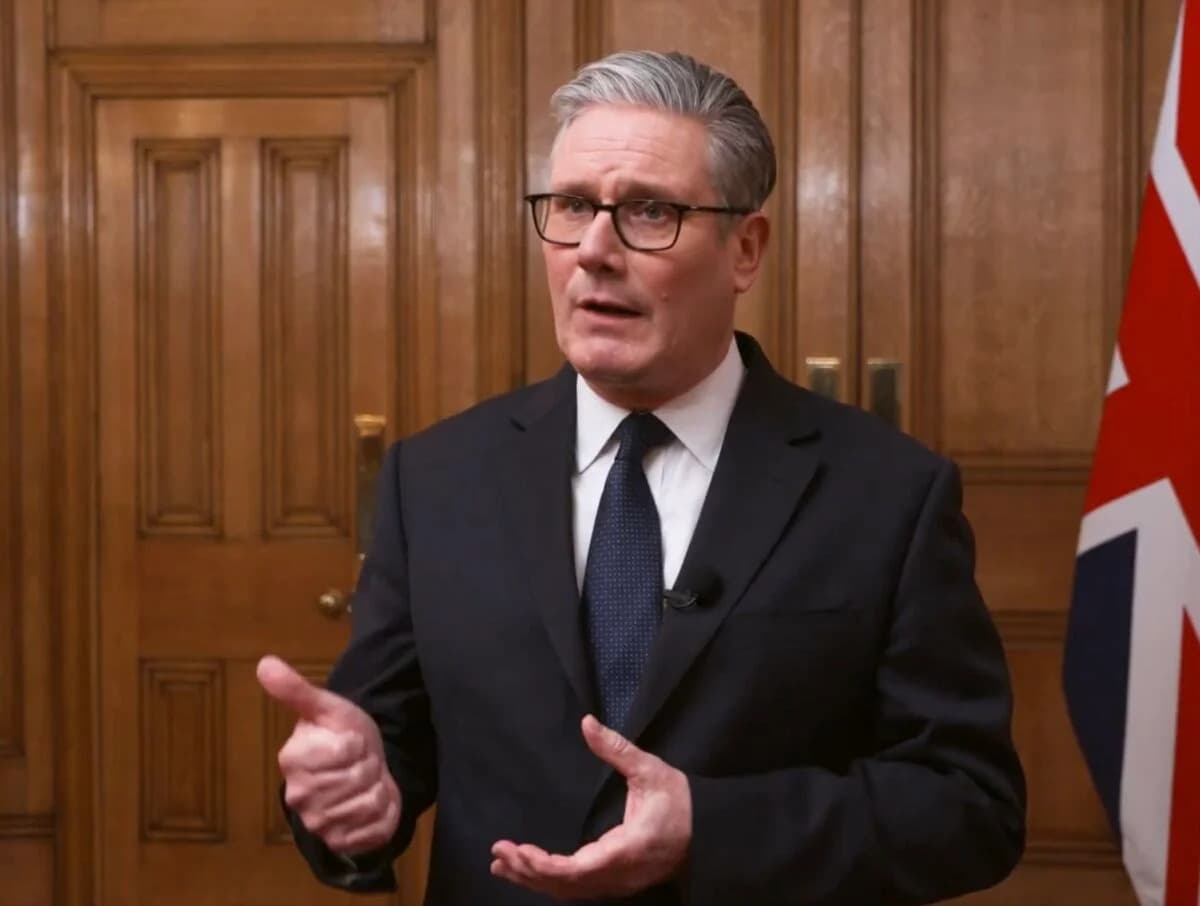
British Prime Minister Keir Starmer described the remarks as “insulting and frankly appalling,” urging Mr. Trump to apologize to the families of those who were killed or injured. “If I had misspoken in that way or said those words, I would certainly apologize,” Starmer said.
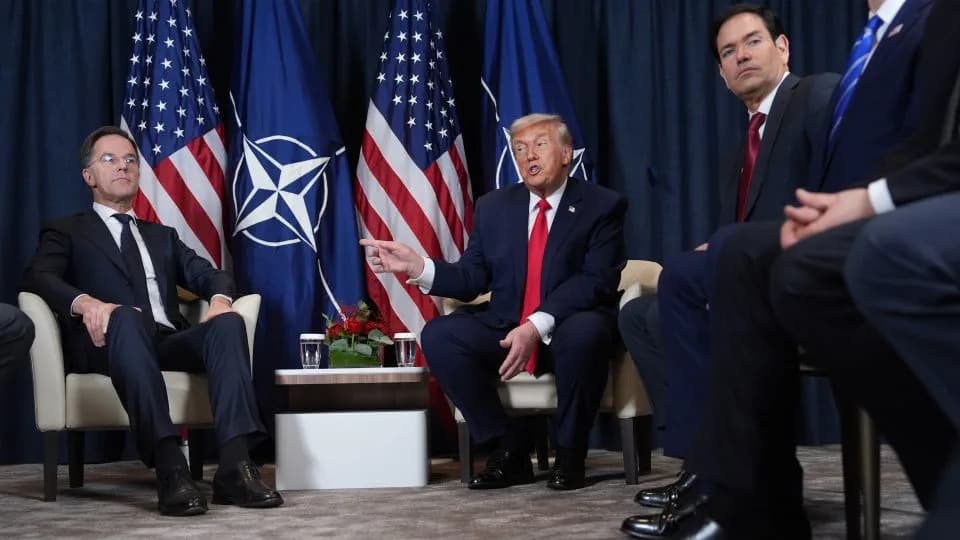
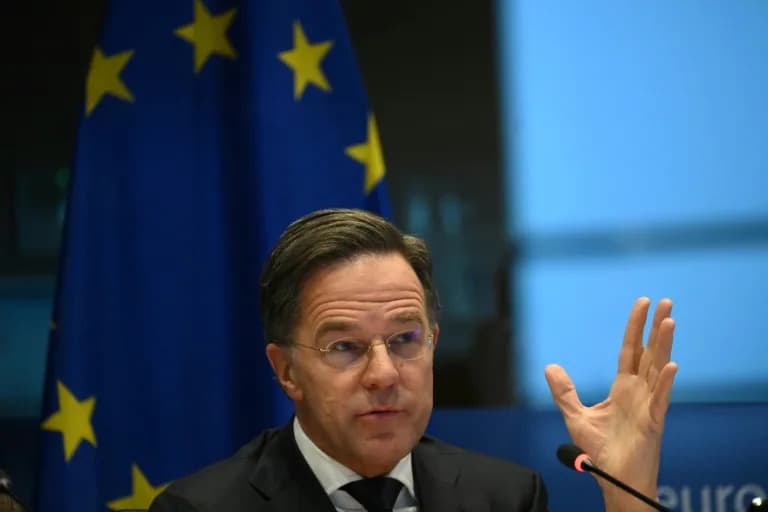
Dutch Prime Minister Mark Rutte, who sat alongside Mr. Trump at Davos, directly pushed back on the suggestion that Europeans would not come to America’s aid. “Let me tell you — they will. And they did in Afghanistan, as you know,” he said, noting the scale of allied sacrifice.
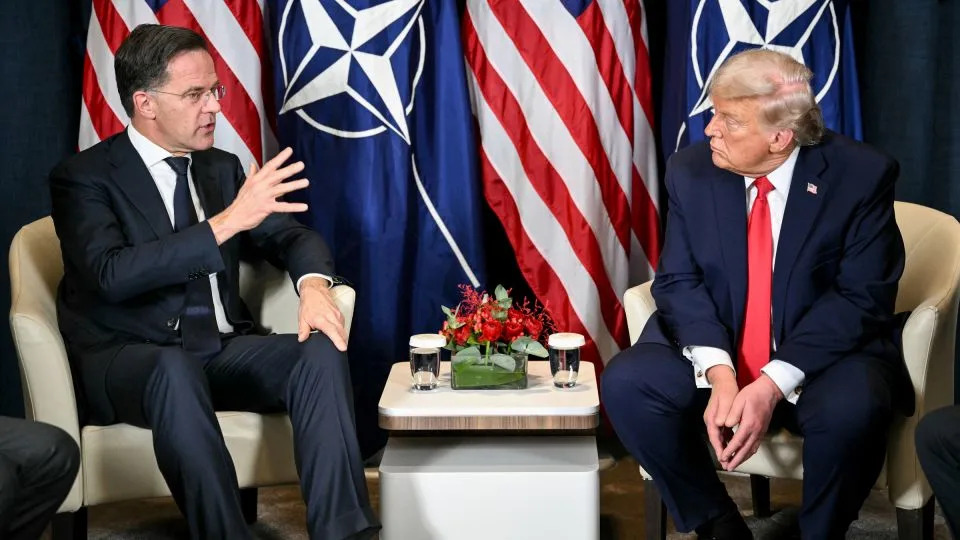
NATO Secretary-General Mark Rutte told Trump in Davos on Wednesday that allied troops had supported the US in Afghanistan. - Mandel Ngan/AFP/Getty Images
Across the British political spectrum, senior figures also objected. Defense Secretary John Healey said that the UK and NATO allies answered the US call after Article 5 was invoked and emphasized that the more than 450 British personnel who died should be remembered as heroes. Emily Thornberry, chair of the Foreign Affairs Select Committee, called the comments an “absolute insult,” while Conservative politician Kemi Badenoch labeled them “flat-out nonsense.”
Broader Context
Trump has repeatedly questioned NATO’s reliability in recent weeks, including posts on social media asserting that he doubts the alliance would come to the US’s aid. Some US commentators and officials have also been accused of minimizing allied contributions; for example, Fox News commentator Pete Hegseth once joked that the ISAF patch (International Security Assistance Force) meant “I Saw Americans Fighting,” a remark critics said downplayed partner roles on the ground.
Whether intentional or rhetorical, the president’s characterization has reopened a sensitive debate about burden-sharing, collective memory and how the sacrifices of partners in long coalition operations are acknowledged. Allies say the facts — and the dead — tell a different story from Mr. Trump’s description.
What Comes Next: Reactions are likely to continue in diplomatic and parliamentary forums in the coming days, and calls for an apology from the US president are expected to persist while NATO leaders reiterate their commitments to collective defense.
Help us improve.