An Altoona police officer must appear in federal court as Luigi Mangione seeks to suppress items seized from his backpack after his arrest in the ambush killing of UnitedHealthcare CEO Brian Thompson. Prosecutors say the bag contained anti‑insurance writings and the suspected weapon; the defense contends the search was warrantless. Judge Margaret M. Garnett ordered testimony about departmental protocols and requested the federal search‑warrant affidavit. Separately, the defense is seeking dismissal of top federal counts that carry potential death‑penalty exposure.
Altoona Officer Ordered To Testify As Mangione Seeks Suppression Of Backpack Evidence
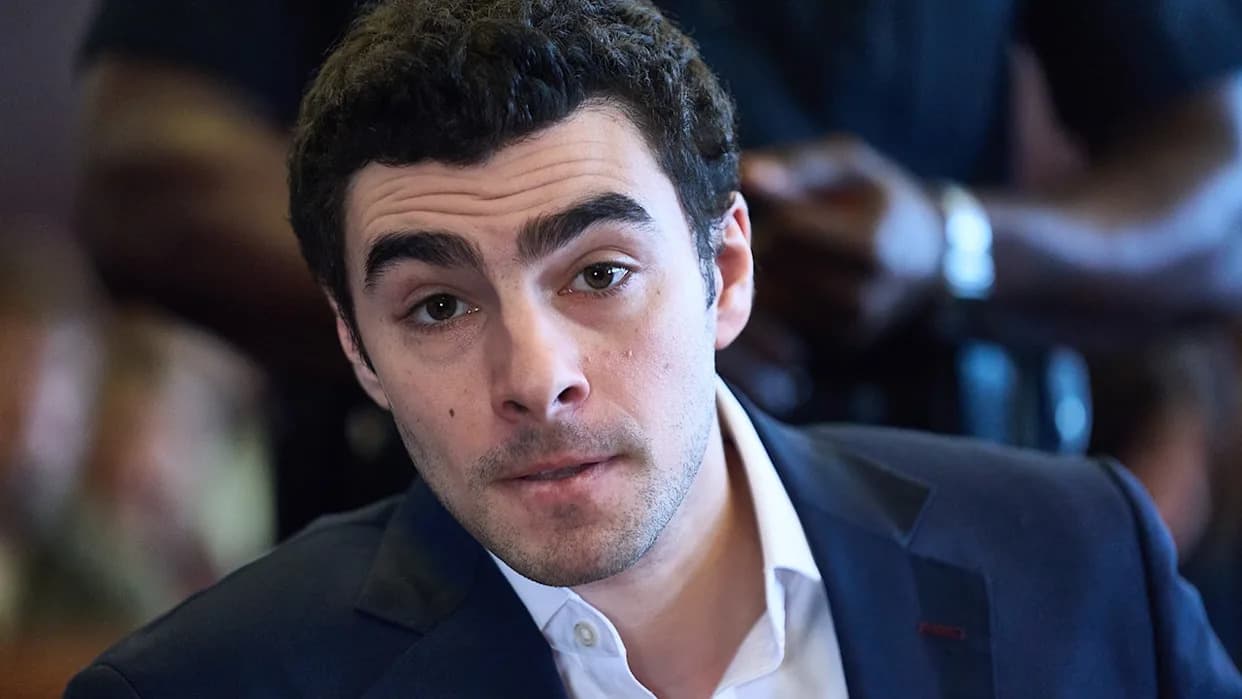
Judge orders Altoona cop to court as Mangione hopes to have backpack search tossed
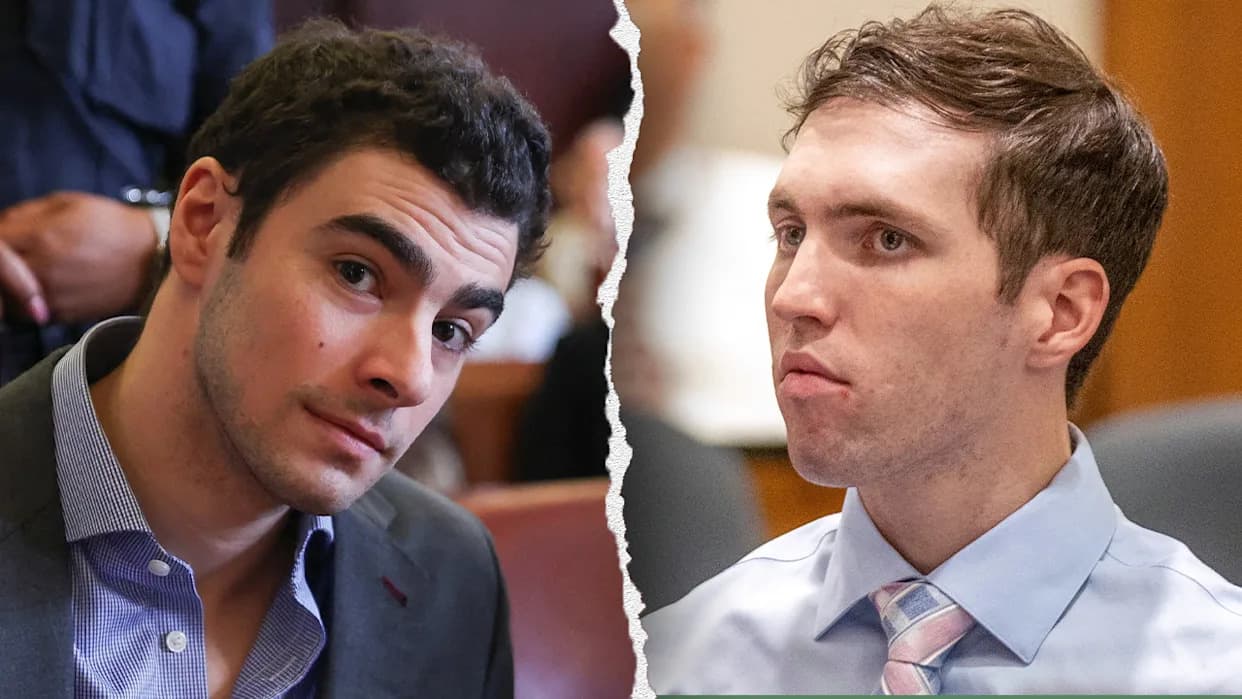
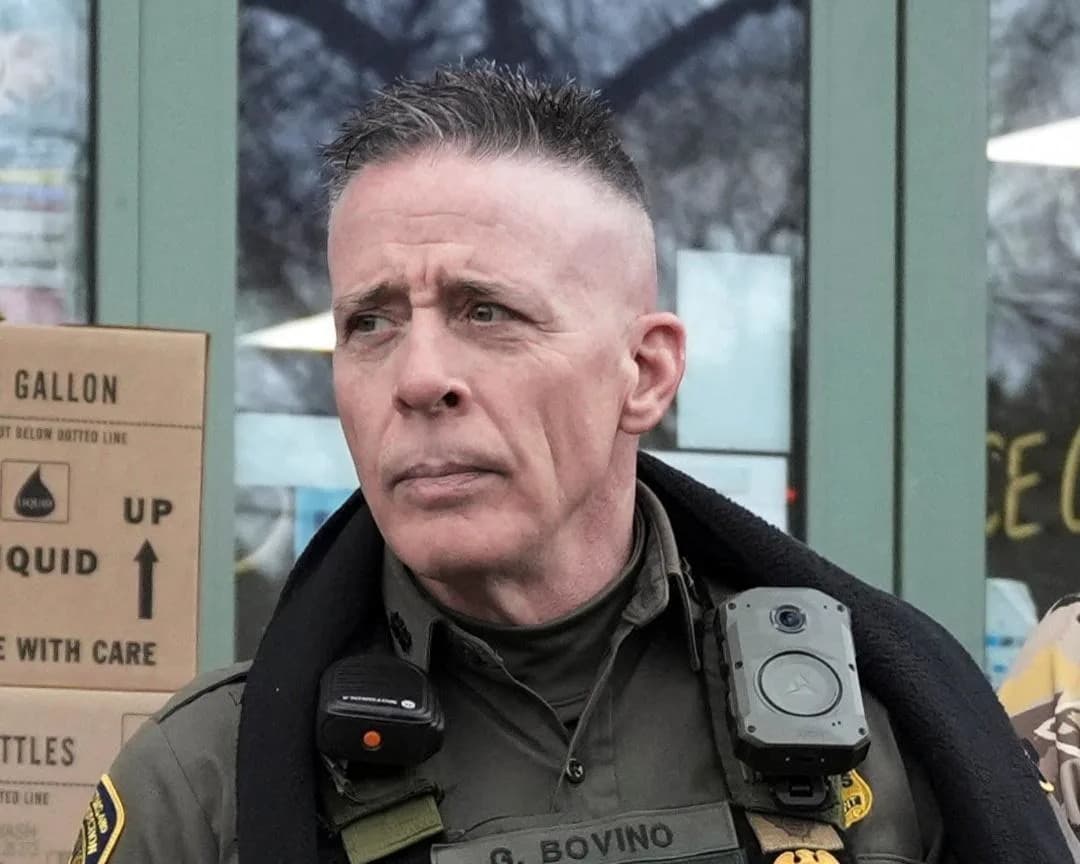
An Altoona, Pennsylvania, police officer is scheduled to appear in federal court today to explain the department's procedures for handling a suspect's personal property, as accused killer Luigi Mangione asks a judge to exclude items seized from his backpack in the federal case against him.
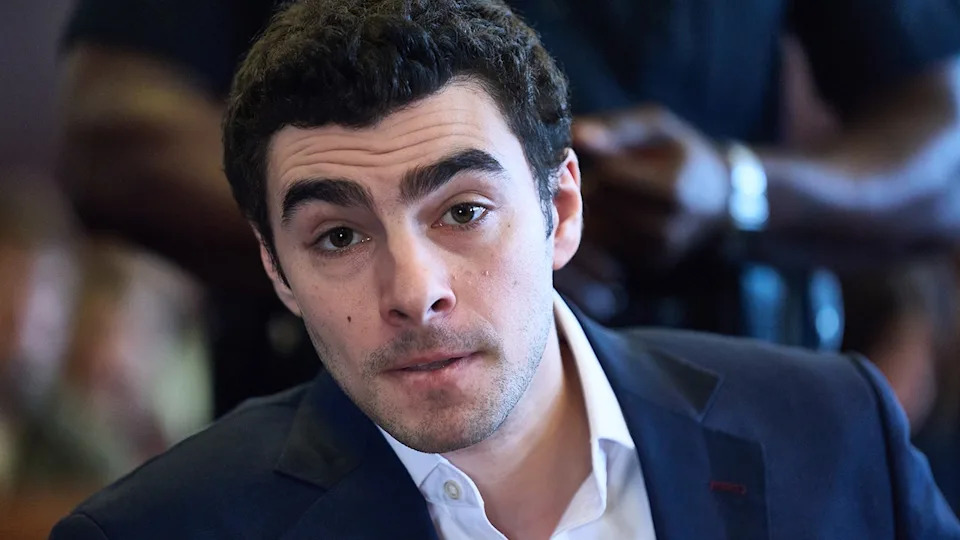
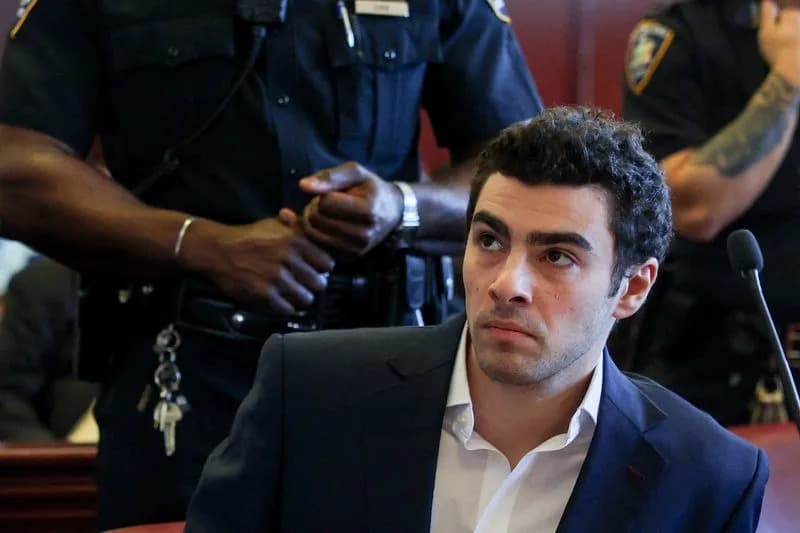
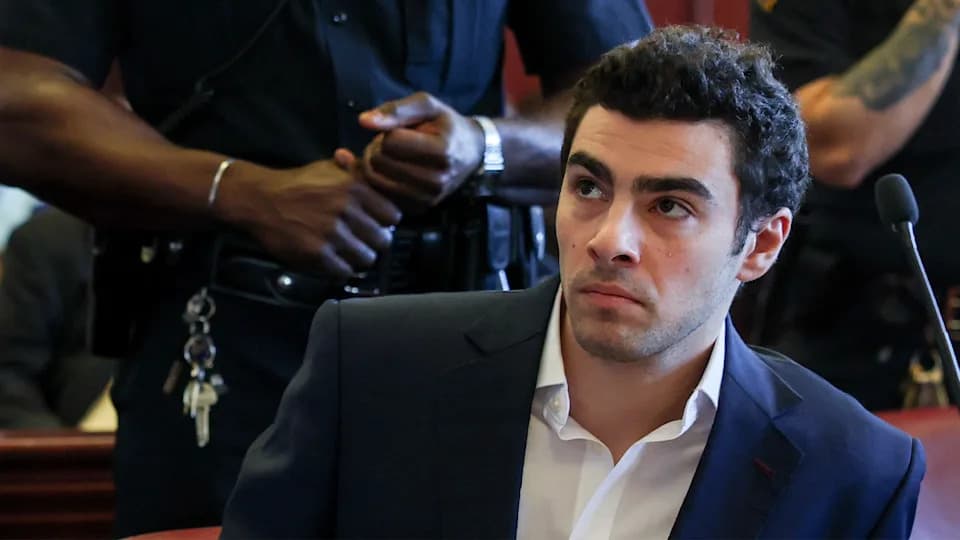
Luigi Mangione appears in Manhattan Supreme Court for a suppression hearing as both sides prepare to wrap up arguments, Thursday, Dec. 18, 2025.(Fox News)
Prosecutors say officers arrested Mangione five days after the ambush slaying of UnitedHealthcare CEO Brian Thompson and recovered anti‑insurance writings in the backpack along with the suspected murder weapon and other material investigators tie to the killing.
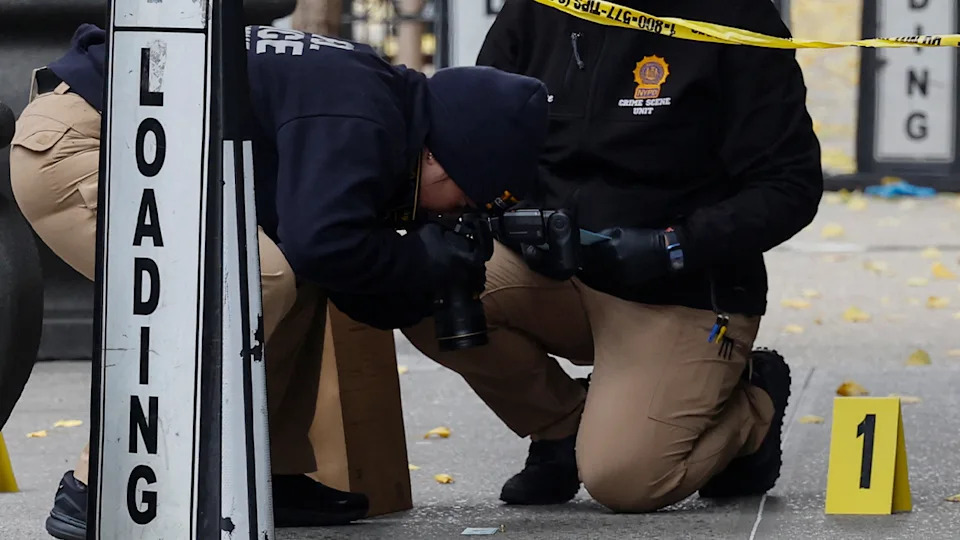
A member of the NYPD Crime Scene Unit takes a picture of a shell casing found at the scene where UnitedHealthcare CEO Brian Thompson was shot and killed in Midtown Manhattan, in New York City, Dec. 4, 2024.
The New York City shooting was captured on surveillance video, and authorities circulated additional images during a nationwide manhunt. Days later, customers and employees at a McDonald's in Altoona identified Mangione eating breakfast and alerted police, which led to his arrest, prosecutors say.
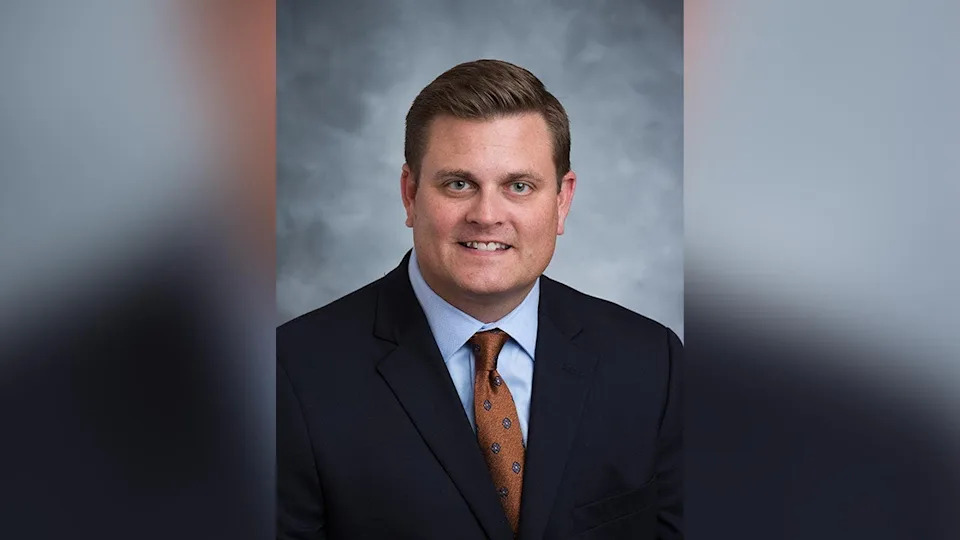
UnitedHealthcare CEO Brian Thompson was killed on Dec. 4, 2024.
Defense attorneys argue the search of Mangione's belongings occurred without a warrant and have filed motions to suppress the items seized from the bag. Those suppression arguments were also raised in state court, where testimony was taken from multiple Altoona officers, the McDonald's manager and other witnesses; the state judge has not yet ruled.

A surveillance image released by the NYPD shows the suspect in the shooting death of UnitedHealthcare CEO Brian Thompson on Wednesday, Dec. 4, 2024.
Federal prosecutors maintain the search was lawful and contend the evidence would have been discovered inevitably because the backpack was in Mangione's possession when taken into custody. After oral argument on the federal suppression motion, U.S. District Judge Margaret M. Garnett ordered the Altoona officer to testify about departmental protocols, making clear the witness need not be the officer who made the arrest. The judge also directed the government to provide her with a copy of the affidavit supporting the federal search warrant.
Separate Challenge To Federal Jurisdiction And Death Penalty Exposure
In a separate effort, Mangione's lawyers are asking the court to dismiss the most serious federal counts — a move that would eliminate exposure to the death penalty if successful. For the murder to fall under federal jurisdiction, prosecutors must show the killing occurred in connection with an underlying "crime of violence." Federal authorities allege Mangione stalked Thompson across state lines before the shooting, which they say supplies the necessary jurisdictional "hook."
"It's like a series of dominos — the only way that the federal government can get to a death penalty charge in their case is if the murder was committed during the course of a violent felony," said Joshua Ritter, a Los Angeles criminal defense attorney. "And the reason that they need that is because they need what's called a federal hook to get them federal jurisdiction. So the way that they get that hook is through the stalking."
After oral argument on the jurisdictional issue, the defense pointed the judge to a recent Ninth Circuit decision in United States v. Gomez, in which an appellate court found a California assault-with-a-deadly-weapon statute did not qualify as a "crime of violence" because of specific legal definitions. The defense says that ruling undercuts prosecutors' theory of federal jurisdiction.
The court will consider the testimony from the Altoona officer and the supplemental materials ordered by Judge Garnett as it weighs the suppression motion and the defense's bid to dismiss the top federal counts. The outcomes could determine which charges proceed and whether Mangione remains exposed to the federal death penalty.
Help us improve.