Luigi Mangione’s defense argues a recent Ninth Circuit ruling could undercut the federal murder indictment that carries potential death-penalty exposure. The Gomez decision held some armed assaults can be reckless rather than purposeful, raising questions about whether stalking can be categorically considered a "crime of violence." The Southern District of New York judge will decide whether that reasoning warrants dismissing the federal murder charge; legal experts are divided.
Could A Ninth Circuit Ruling Strip The Death-Penalty Threat In Luigi Mangione Case?
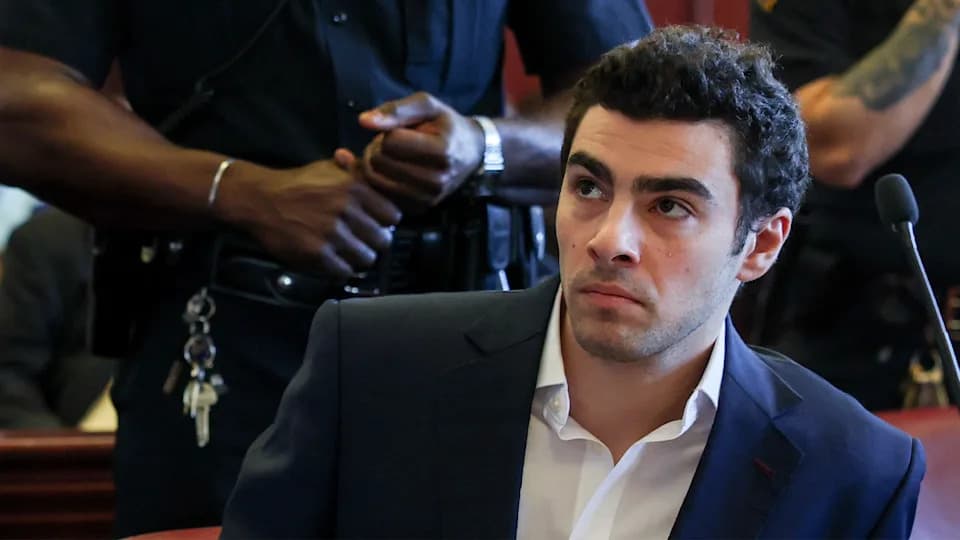
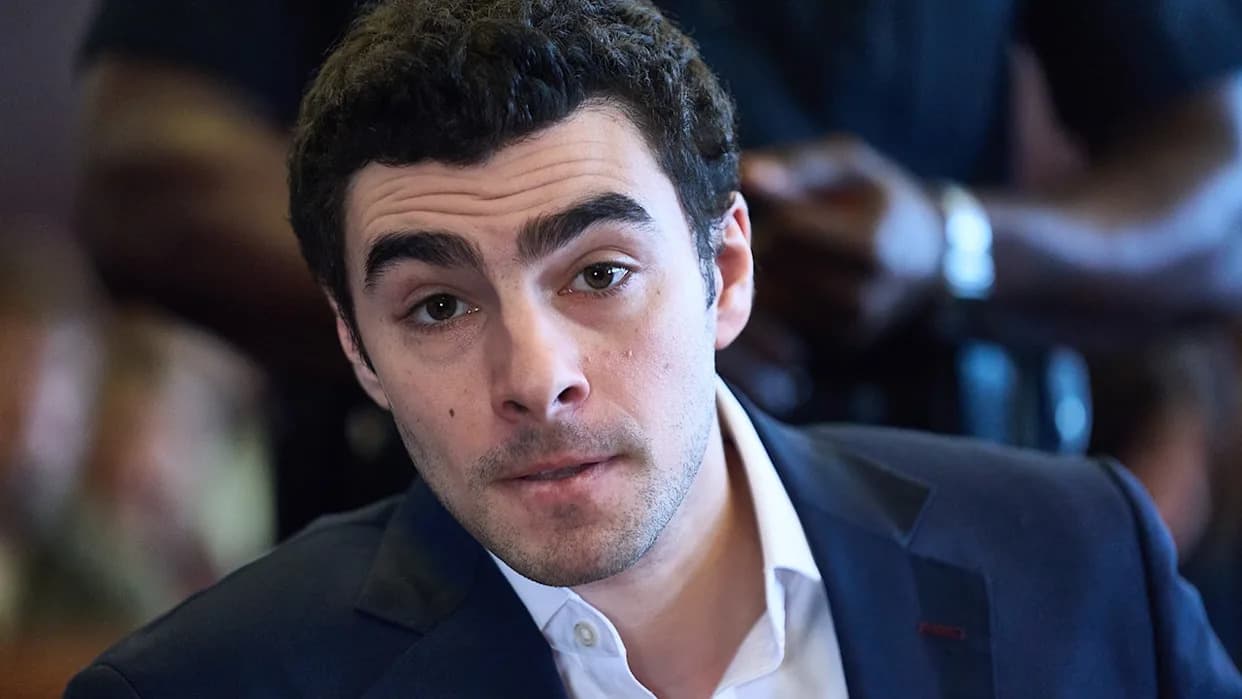
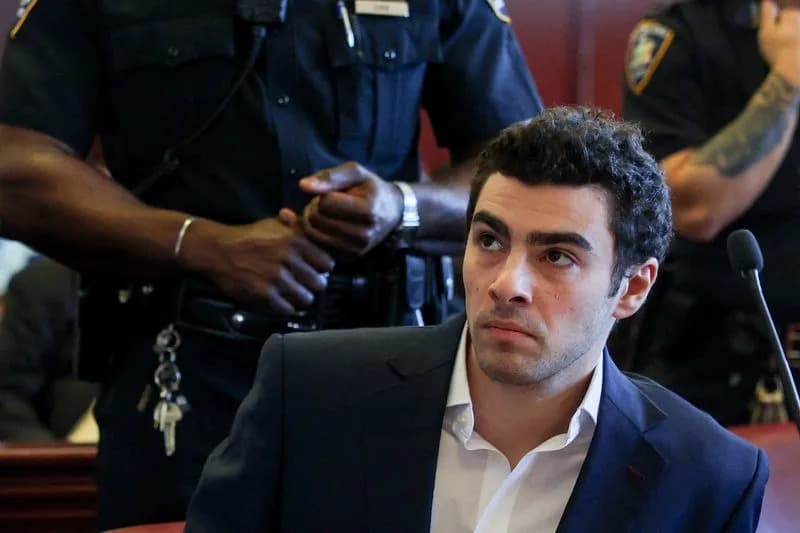
Luigi Mangione attends an evidentiary hearing in the murder case of UnitedHealthcare CEO Brian Thompson, at the Manhattan Supreme Court in New York, U.S., December 18, 2025.(Reuters Photos)
Luigi Mangione’s fate in federal court may turn on a narrow legal question after his defense team cited a recent Ninth Circuit en banc ruling that could undermine the Justice Department’s murder indictment and its death-penalty exposure.
In a supplemental filing, Mangione’s lawyers pointed to the Ninth Circuit’s Jan. 13 decision in United States v. Gomez, which concluded that a California statute penalizing assault with a deadly weapon does not categorically qualify as a "crime of violence." The court reasoned that some armed assaults can be committed recklessly — where the actor should have known of a risk — rather than purposefully, where the actor intended to cause harm. That difference in mens rea (mental state) is central to whether an offense is deemed a violent felony for federal purposes.

UnitedHealthcare CEO Brian Thompson pictured in an undated portrait provided by UnitedHealth. The executive was shot from behind and killed on his way to an investor conference in New York City in what prosecutors have described as a politically motivated assassination.
How That Ruling Could Affect Mangione
Federal prosecutors rely on an underlying predicate offense — here, alleged stalking across state lines — to assert federal jurisdiction and to elevate a murder charge in a way that can expose a defendant to the death penalty. Mangione’s defense argues that if stalking cannot be categorically classified as a "crime of violence," the federal murder indictment should be dismissed and the death-penalty exposure should vanish.
Joshua Ritter, a Los Angeles criminal defense attorney, summarized the defense theory: “It’s like a series of dominos — the only way the federal government can pursue a death-penalty charge is if the murder was committed during the course of a violent felony. They need what’s called a federal hook to get jurisdiction, and they say that hook is the stalking.”
The indictment alleges Mangione stalked UnitedHealthcare CEO Brian Thompson across state lines and then shot him outside a New York hotel hours before Thompson was to meet with shareholders. Thompson, 50, a father of two and a Minnesota resident, was approached from behind on video and shot; the gunman fled the scene.

A surveillance image released by the NYPD shows the suspect in the shooting death of United Healthcare CEO, Brian Thompson on Wednesday, December 4, 2024.
Legal Context And Competing Views
The defense asked the Southern District of New York judge to dismiss the federal murder charge, arguing Gomez supports the position that stalking does not necessarily satisfy the statutory definition of a "crime of violence." But legal observers note important limits: the Ninth Circuit’s en banc decision is not binding authority in the Southern District of New York, though it can be cited persuasively.
Donna Rotunno, a Chicago defense attorney, noted the jurisdictional gap: “[The defense] will argue that stalking doesn’t necessarily mean it will lead to murder, therefore it should not be used to enhance the murder charge for purposes of federal court and the death penalty.”
Other lawyers are skeptical the argument will prevail. David Gelman, a Philadelphia-area defense lawyer, called the filing a stretch and said stalking typically involves an intent to harm in practice, making it difficult to classify as nonviolent under the categorical approach.
Prosecutors contend the stalking was part of a politically motivated assassination plot and that there was no other purpose for the behavior. If a judge finds the underlying predicate does not qualify as a crime of violence, the federal murder charge that depends on that predicate could be dismissed, eliminating the federal death-penalty possibility.
Mangione is due back in federal court on Friday. He also faces state charges in New York and Pennsylvania related to the same killing.
Help us improve.