
Luigi Mangione, accused of killing UnitedHealth CEO Brian Thompson in Midtown Manhattan in December 2024, will appear in federal court for a hearing on whether prosecutors may seek the death penalty. His defense seeks dismissal of the murder-with-a-firearm count—the only federal count that carries capital exposure—arguing prosecutors failed to meet legal standards. Judge Margaret Garnett is also weighing a broader motion to dismiss the indictment and bar a death-penalty request over alleged constitutional violations. New York’s state ban on the death penalty does not apply to federal prosecutions; no trial date has been set.
Mangione Challenges Federal Death-Penalty Charge in Hearing Over UnitedHealth CEO Killing

Luigi Mangione appears in good spirits as the suppresion hearing for the murder of UHC CEO Brian Thompson goes into another week, in New York, U.S., December 12, 2025. Curtis Means/Pool via REUTERS
NEW YORK, Jan 9 (Reuters) — Luigi Mangione, 27, accused of fatally shooting UnitedHealth CEO Brian Thompson on a Midtown Manhattan sidewalk in December 2024, is scheduled to appear in federal court on Friday for a hearing on whether prosecutors may seek the death penalty if he is convicted.
Hearing Focuses on Death-Penalty Exposure
At an 11 a.m. ET (1600 GMT) hearing before U.S. District Judge Margaret Garnett in Manhattan, Mangione’s lawyers will ask the court to dismiss the federal murder-with-a-firearm count — the only federal charge that exposes a defendant to capital punishment — arguing prosecutors failed to meet the legal requirements for that specific allegation.
Separate Motion Seeks Dismissal Of Indictment
Judge Garnett is also considering a separate defense motion to dismiss the entire indictment and to bar prosecutors from seeking the death penalty on the grounds that Mangione’s constitutional rights were allegedly violated during the investigation and charging process.
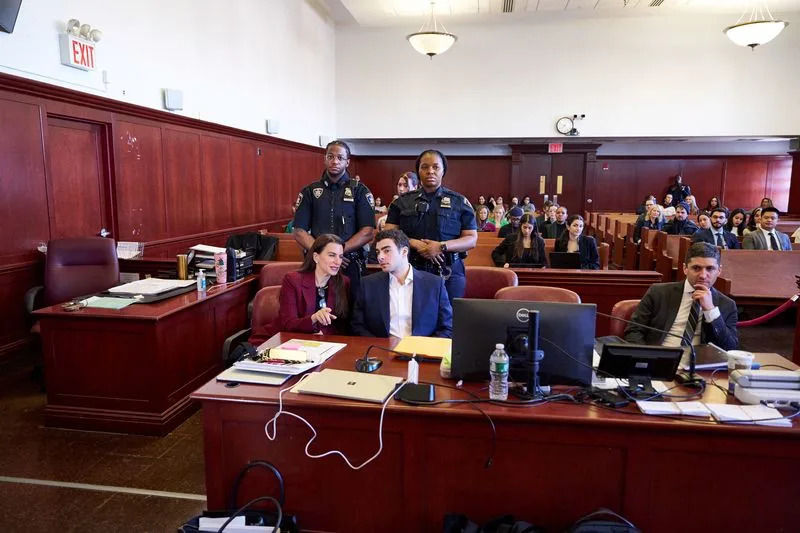
Luigi Mangione appears in good spirits as the suppresion hearing for the murder of UHC CEO Brian Thompson goes into another week, in New York, U.S., December 12, 2025. Curtis Means/Pool via REUTERS
Mangione has pleaded not guilty to federal charges including murder, stalking and weapons offenses and remains in custody awaiting trial. He also faces state-level criminal charges, including murder, which—if resulting in conviction—could carry a life sentence under New York law.
Although New York’s death penalty was declared unconstitutional in 2004, that prohibition applies only to state prosecutions; it does not prevent federal authorities from pursuing capital punishment in federal court. No trial date has been set in either the federal or state cases.
Reporting by Jack Queen in New York; Editing by Noeleen Walder and Rod Nickel.
Help us improve.


