A fast stream of solar wind from a coronal hole may reach Earth on Jan. 28, raising the chance of minor geomagnetic storm activity and visible auroras. NOAA and the U.K. Met Office say isolated G1 (Minor) conditions are possible, which can produce northern lights at higher latitudes and could reach parts of the northern U.S. tonight. For the best chance to see them, head to a dark location around midnight, face north, avoid bright lights, and let your eyes adjust for 30 minutes.
Northern Lights Alert: Fast Solar Wind Could Bring Visible Auroras Tonight (Jan. 28)
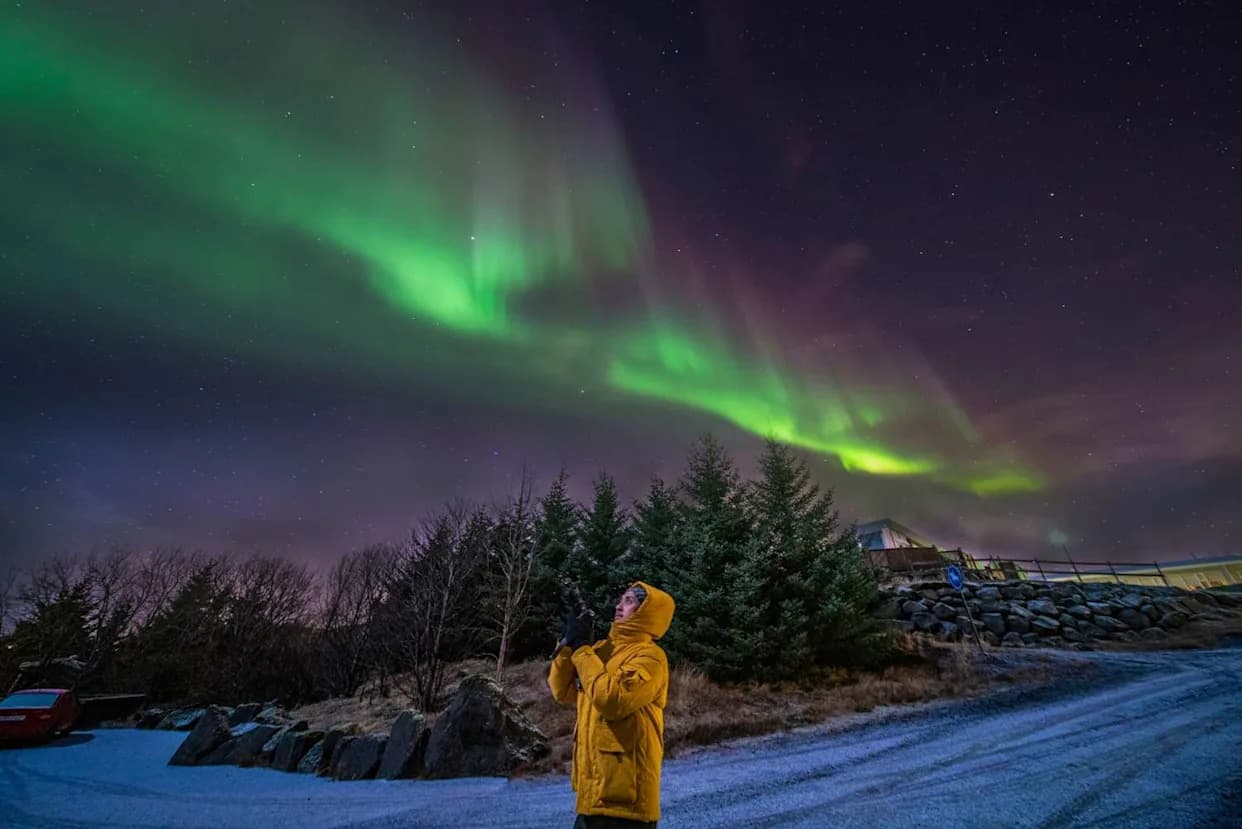
The Northern LightsGetty
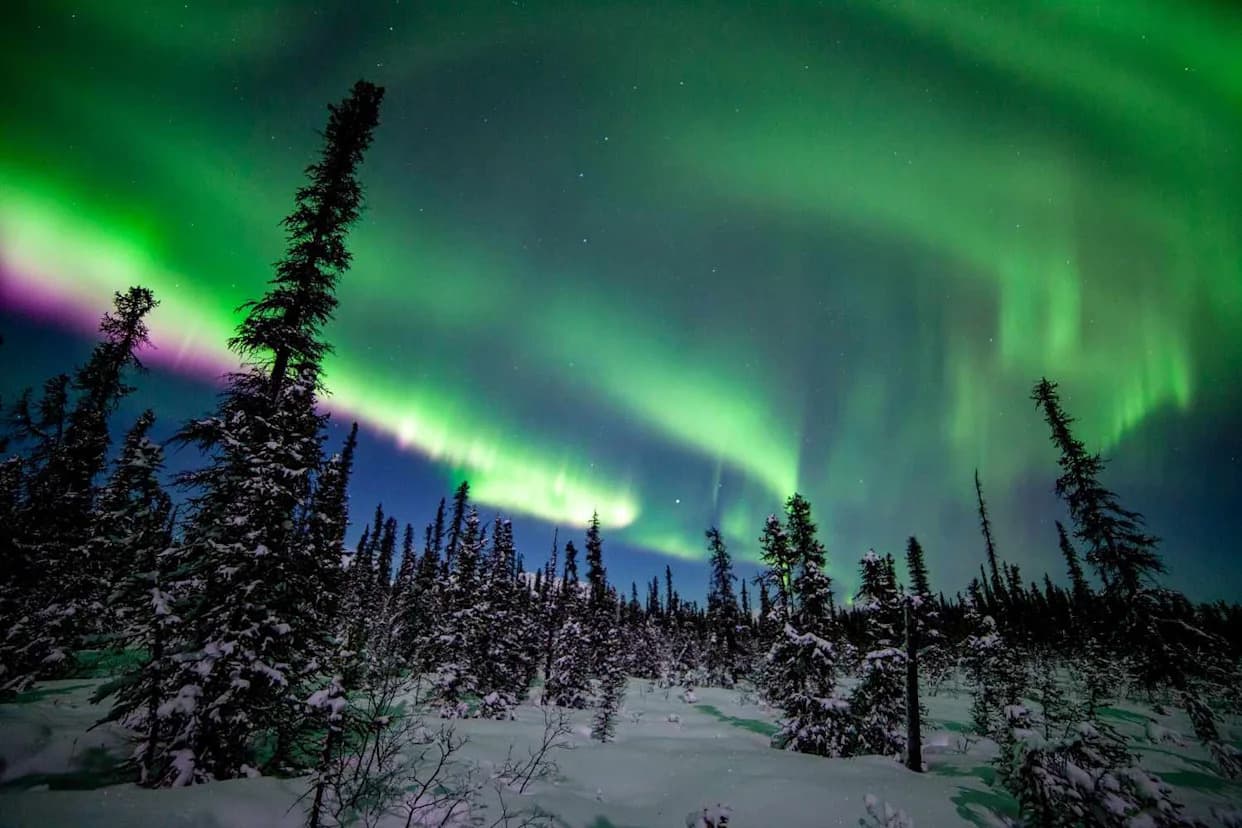
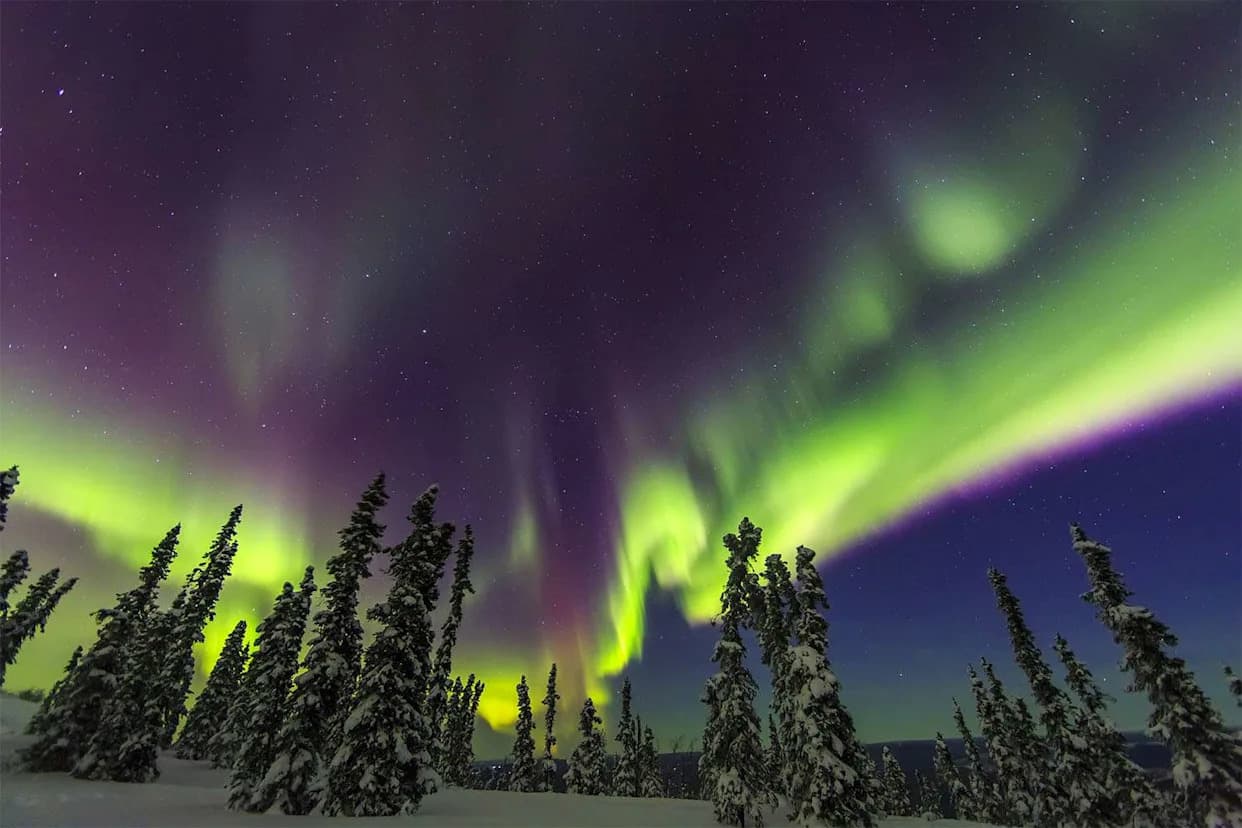
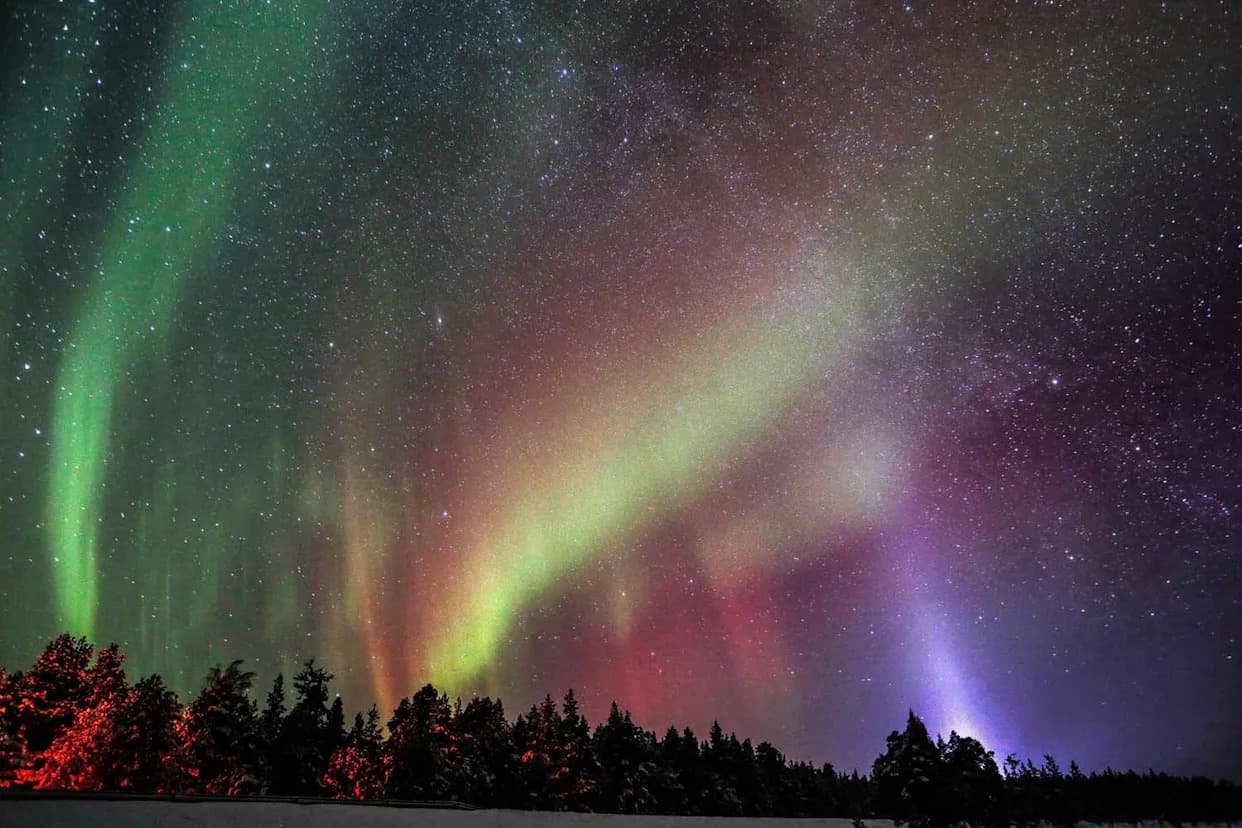
Another clear night, another chance to see the northern lights. A stream of fast solar wind emerging from a coronal hole on the Sun could spark minor geomagnetic storm conditions on the evening of Jan. 28, increasing the odds that auroras will be visible for observers in higher latitudes.
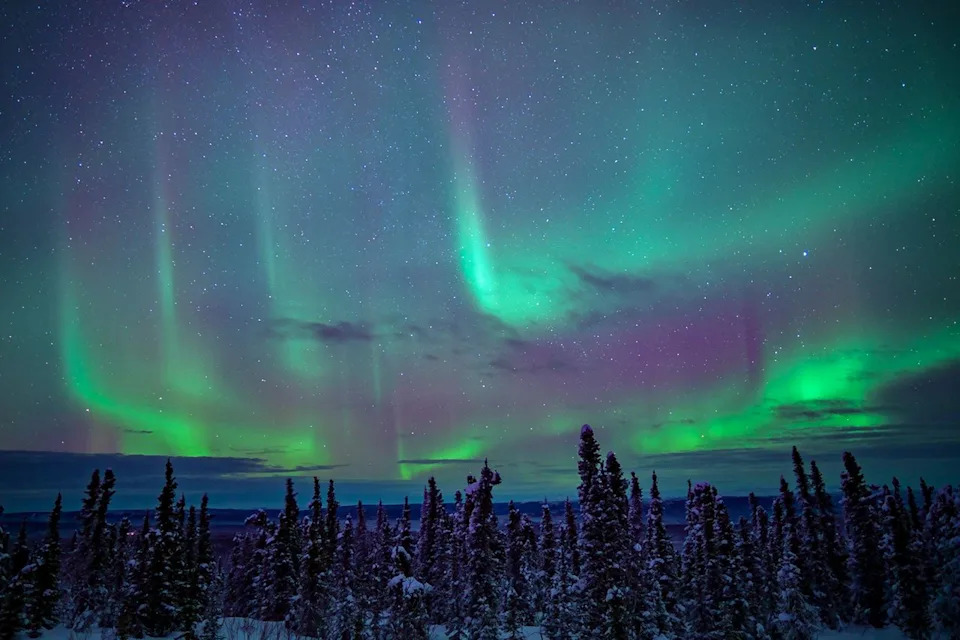
Northern lightsGetty
What’s Happening
Space weather forecasters say a high-speed solar wind stream — a continuous flow of charged particles — is expected to reach Earth after emerging from a coronal hole, a darker, cooler area on the Sun where magnetic field lines open and allow particles to escape more easily. When that faster wind interacts with Earth’s magnetic field, it can disturb our planet’s magnetosphere and produce geomagnetic activity that sometimes lights up the night sky.
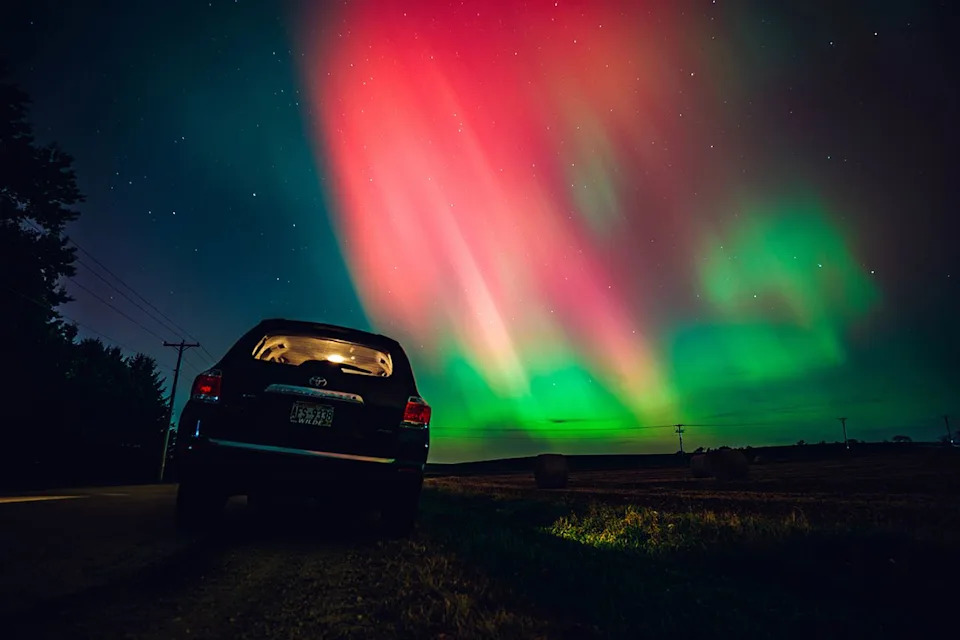
The night sky in WisconsinRoss Harried/NurPhoto via Getty
Forecast And Where To Look
Forecasters at NOAA and the U.K. Met Office say isolated G1 (Minor) geomagnetic storm conditions are possible. Such activity often produces auroras across higher latitudes and, under favorable conditions, can dip into parts of the northern United States — including northern Montana, North Dakota, Minnesota and northern Wisconsin.
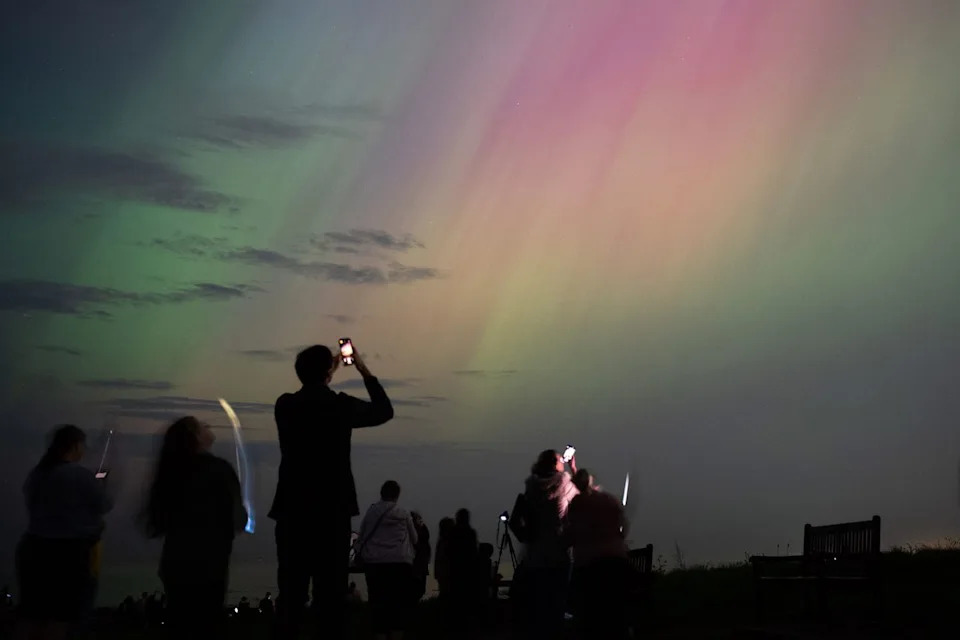
People visit St Mary's lighthouseIan Forsyth/Getty
Auroral activity is most likely after sunset and into the overnight hours on Jan. 28. Visibility will depend on how effectively the incoming solar wind couples with Earth’s magnetic field and on local cloud cover. NOAA notes that auroral displays can fluctuate through the night as conditions change.
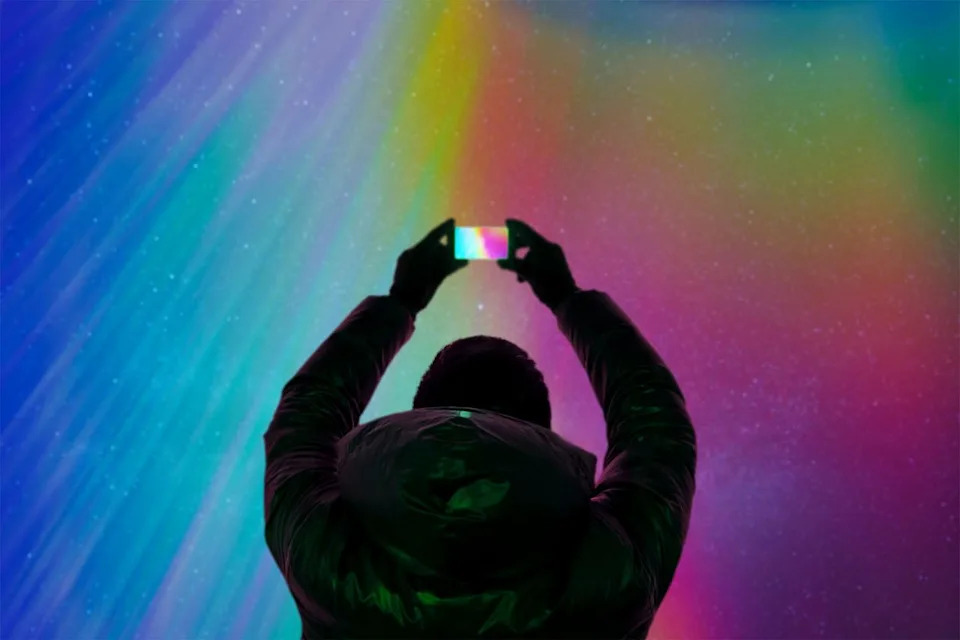
Auroras Borealis in Iceland.Getty
How To Maximize Your Chances
For the best viewing experience:
Go to a dark-sky location: Get away from city lights and other sources of light pollution.
Watch around midnight: The best window is roughly an hour or two before and after midnight.
Let your eyes adjust: Give your eyes about 30 minutes to adapt to the dark for optimal visibility.
Face north and check clouds: Face north and keep an eye on cloud cover — clear skies are essential.
Photography Tips
You don’t need professional gear to enjoy the show, but a steady camera and long exposures improve photos. For cameras use a tripod, wide aperture and exposures of several seconds (settings will vary by camera and brightness). Smartphone users can still capture auroras: enable Night Mode or Pro Mode, stabilize your phone on a solid surface or tripod, and use longer exposure options if available.
Keep monitoring updates from NOAA, the U.K. Met Office and other space-weather services for the latest forecasts and local visibility guidance. If conditions align and skies clear, tonight could offer a quiet but memorable auroral display.
Help us improve.