The Native American Guardian's Association (NAGA) announced plans to pursue Supreme Court review after a U.S. District Court dismissed its challenge to New York's 2023 rule banning Native names and imagery in public schools. NAGA argues the rule discriminates against Native Americans and violates the 14th Amendment's Equal Protection Clause, urging that the policy should trigger strict scrutiny. After the Nov. 14 dismissal for lack of standing, the group will appeal to the Second Circuit as a step toward the Supreme Court and seeks nationwide reversal of similar bans.
Native Group Vows Supreme Court Challenge To New York Ban On Native Names And Imagery
Native American group vows Supreme Court fight over woke New York mascot ban
The Native American Guardian's Association (NAGA), a Native American–backed advocacy group that has campaigned for representation in schools including Massapequa High School, announced it will pursue Supreme Court review after a lower court dismissed its challenge to New York's 2023 rule restricting the use of Native names and imagery in public schools.
What NAGA Says
NAGA contends the New York State Board of Regents' 2023 regulation — which prohibits public schools from using Native names or imagery — is discriminatory and violates the Equal Protection Clause of the 14th Amendment. The group says the rule targets only Native Americans while allowing references to other historical or ethnic identities such as "Vikings," "Patriots" and "Yankees."
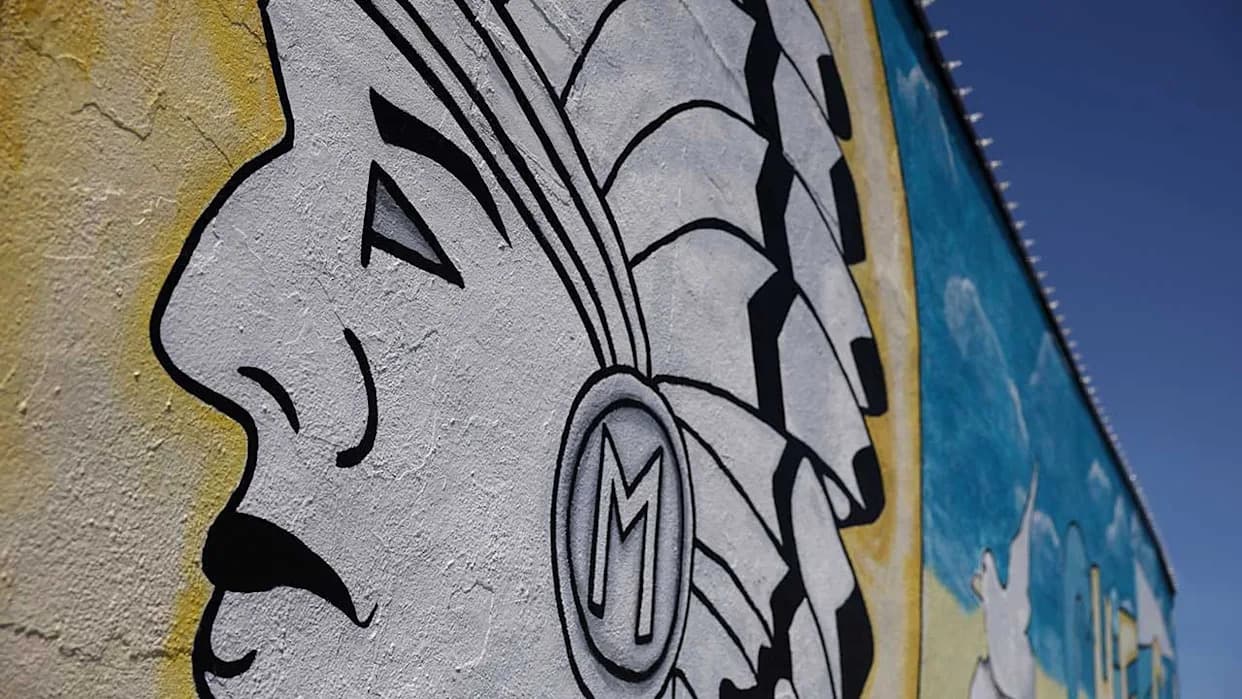
A mural for the Massapequa Chiefs school sports teams is seen painted on a building next to the high school in Massapequa, New York, U.S., May 1, 2025.(Reuters)
"Today, we take the next step in our journey to the United States Supreme Court, which is the only logical finish line," said NAGA counsel Chap Petersen. "The 'Native Name Ban' laws are both offensive and plainly unconstitutional. Their very existence is an embarrassment to all Americans, as well as the Native community."
Legal Path Forward
After a U.S. District Court dismissed NAGA's lawsuit on Nov. 14 for lack of standing, the organization said it will appeal to the Second Circuit Court of Appeals and ultimately seek review from the U.S. Supreme Court. NAGA argues the district court's standing ruling sidestepped the substantive constitutional question and vows to press the matter on the merits.
"They’re only targeting one group, one ethnicity, to say you can’t be recognized, you can't be celebrated by the teams," Petersen added. "That’s a violation of the 14th Amendment, which prohibits racial discrimination and gives all people equal protection under the law regardless of race or ethnicity."
Broader Aim And Implications
NAGA states its broader goal is to overturn similar bans nationwide and to restore Native names retired under such policies, citing efforts to reinstate names like the "Fighting Sioux" in North Dakota. The association describes the New York rule as a race-based classification that should trigger "strict scrutiny," the highest standard of judicial review, requiring a compelling government interest and narrow tailoring to be constitutional.
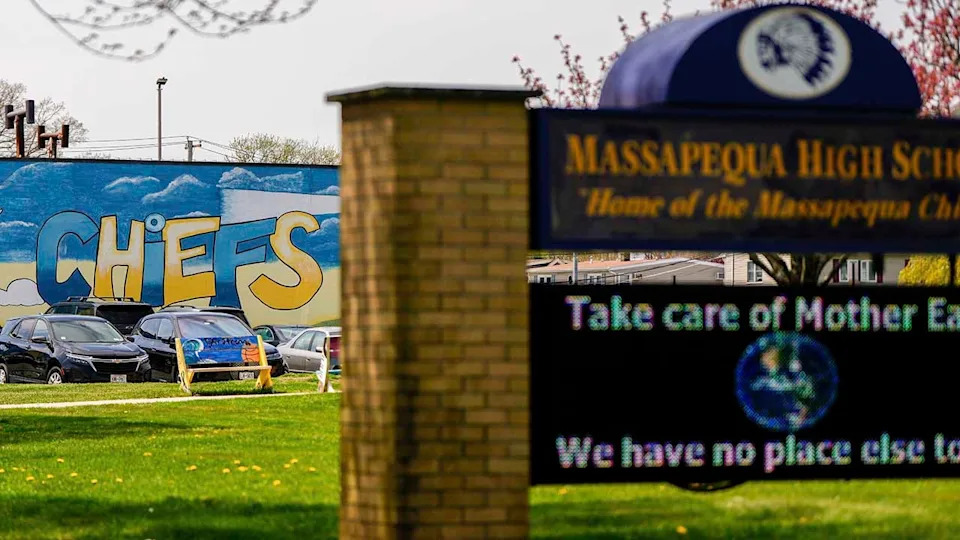
A marquee outside the Massapequa High School is backdropped by a "Chiefs" mascot mural, in Massapequa, N.Y., Friday, April 25, 2025.
The dispute raises broader questions about how public schools balance concerns about stereotyping and cultural sensitivity with claims of equal treatment and free expression. If the appeals courts or Supreme Court rule in NAGA's favor on the merits, it could prompt challenges to comparable rules in other states.
Next Steps: NAGA will pursue its appeal in the Second Circuit and, if necessary, seek Supreme Court review to resolve whether New York's regulation can stand under the Constitution.
Help us improve.