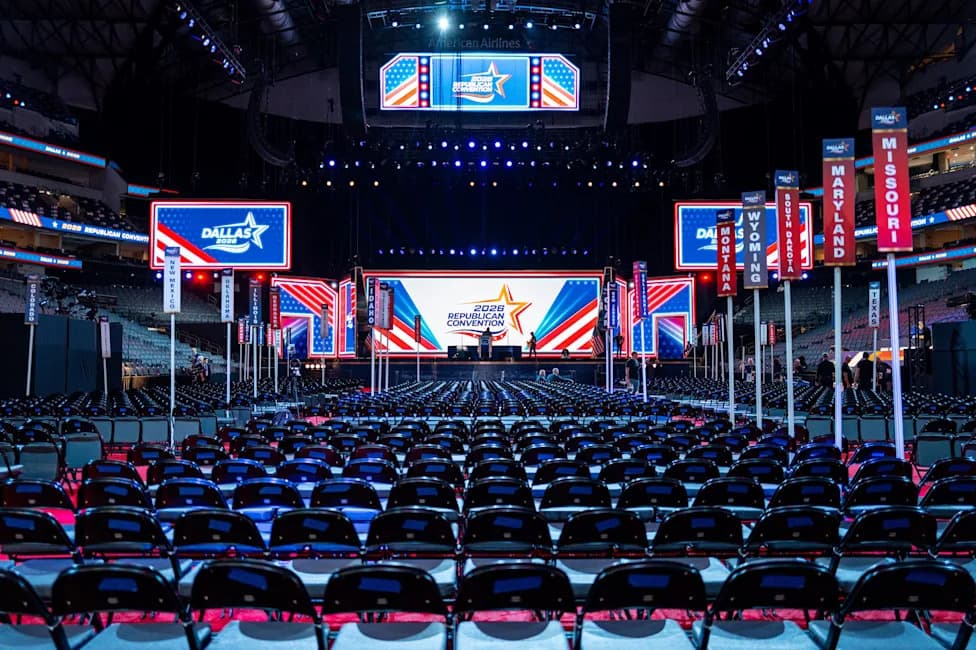
President Trump’s second term has been marked by a broad campaign of retribution against perceived political opponents, using firings, investigations and executive actions. A Reuters tally identified roughly 470 targets, including career prosecutors, federal employees and public officials. Critics say these moves have politicized the civil service and hollowed out institutional capacity, although several measures have been challenged and overturned in court. Observers warn the long-term effects on government functioning could be substantial.
Who Will Stand Up? Inside Trump’s Second-Term Campaign of Retribution
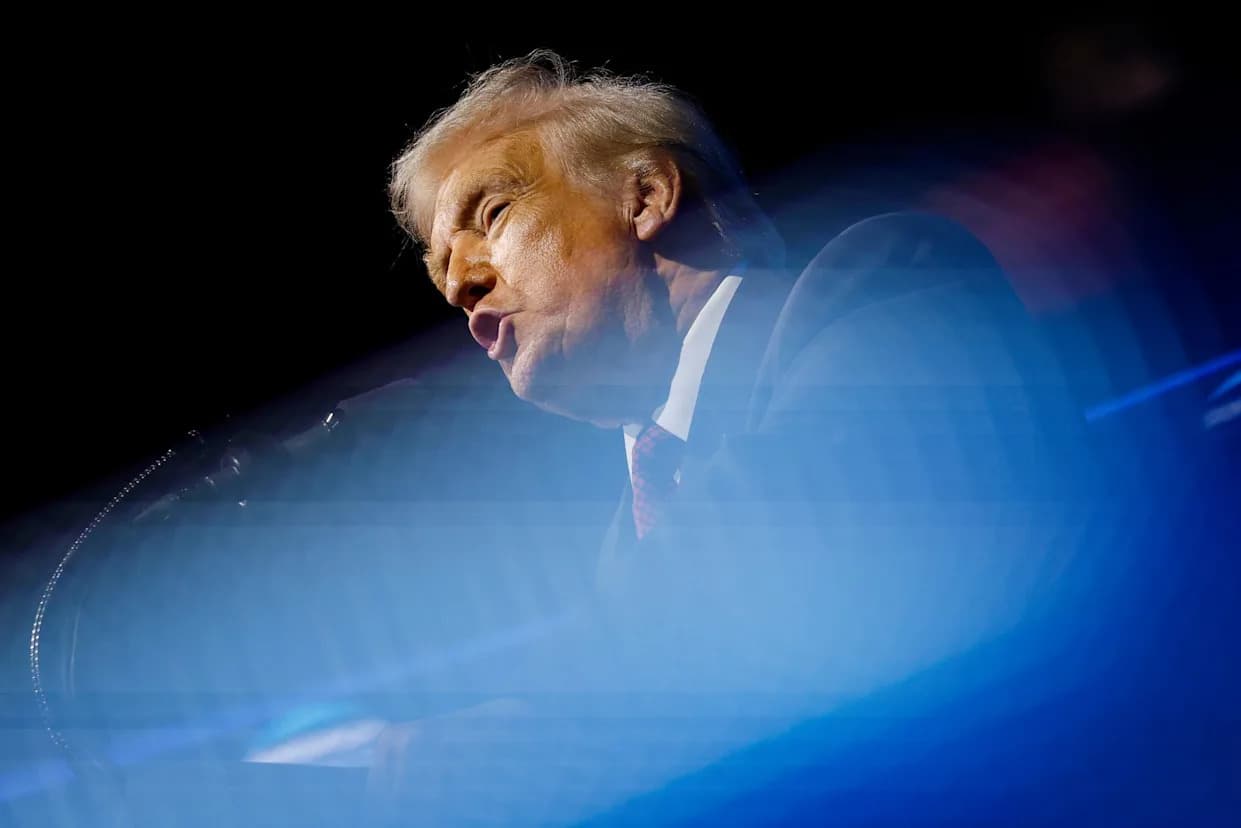
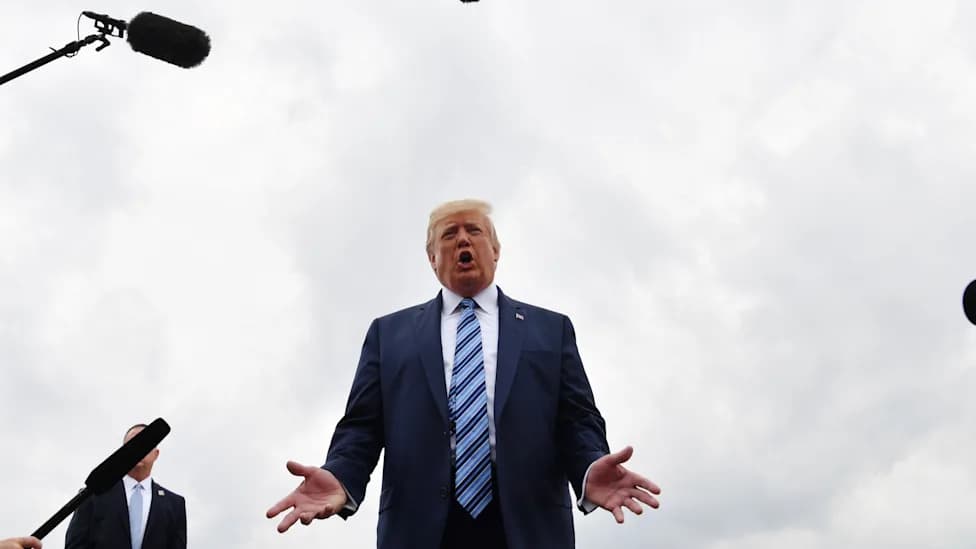
Donald Trump delivers remarks during the America Business Forum in Miami, Florida, in November 2025.Photograph: Kevin Dietsch/Getty Images(Photograph: Kevin Dietsch/Getty Images)
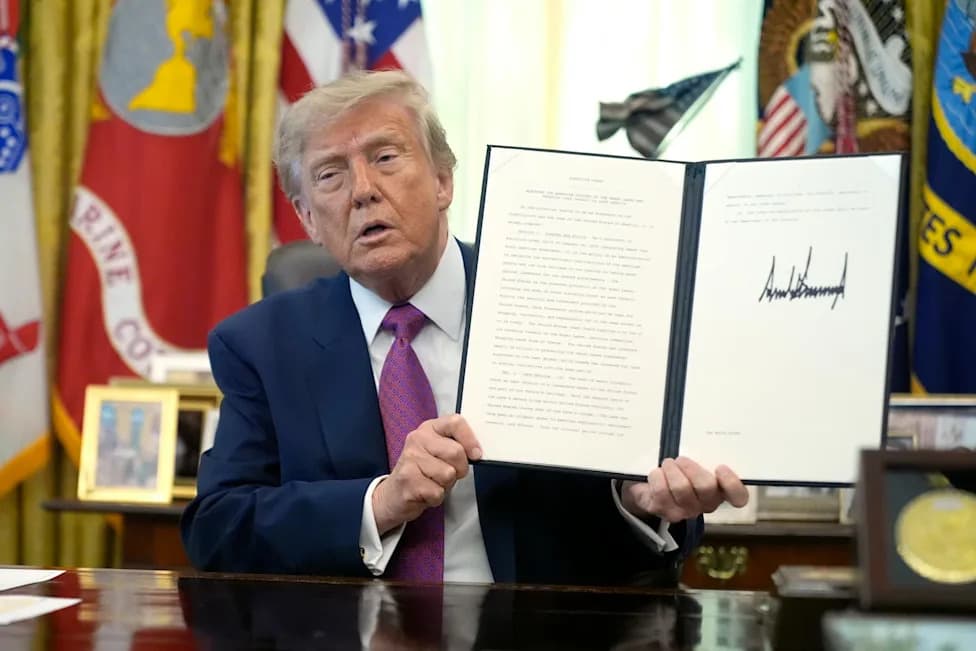
In his first year back in the White House, President Donald Trump has escalated a campaign of retribution against individuals, institutions and organizations he considers adversaries — an approach that critics say is unprecedented in modern U.S. politics.
From his 2015 campaign through his return to the presidency after two impeachments and multiple criminal cases, Trump has frequently framed politics as settling grievances. He made that intent explicit at the 2023 CPAC conference:
“In 2016, I declared: I am your voice. Today, I add: I am your warrior. I am your justice. And for those who have been wronged and betrayed: I am your retribution.”
Scope and Tactics
A Reuters tally published late last year found roughly 470 people and organizations that the administration or its allies have targeted — ranging from foreign governments to career federal employees. That campaign has included firings, investigations, public pressure, executive orders and the repurposing of federal resources.
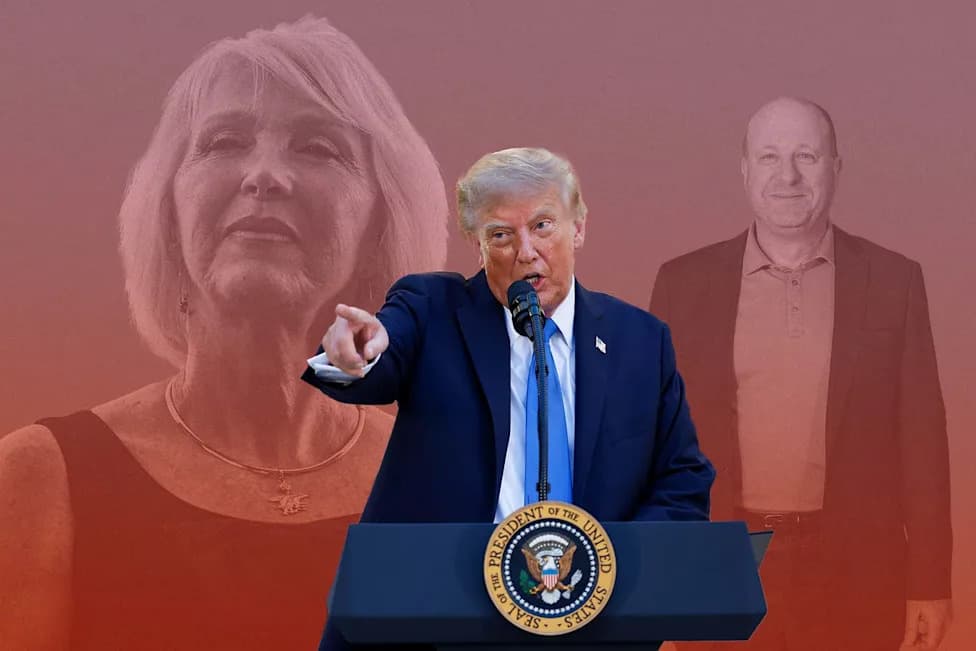
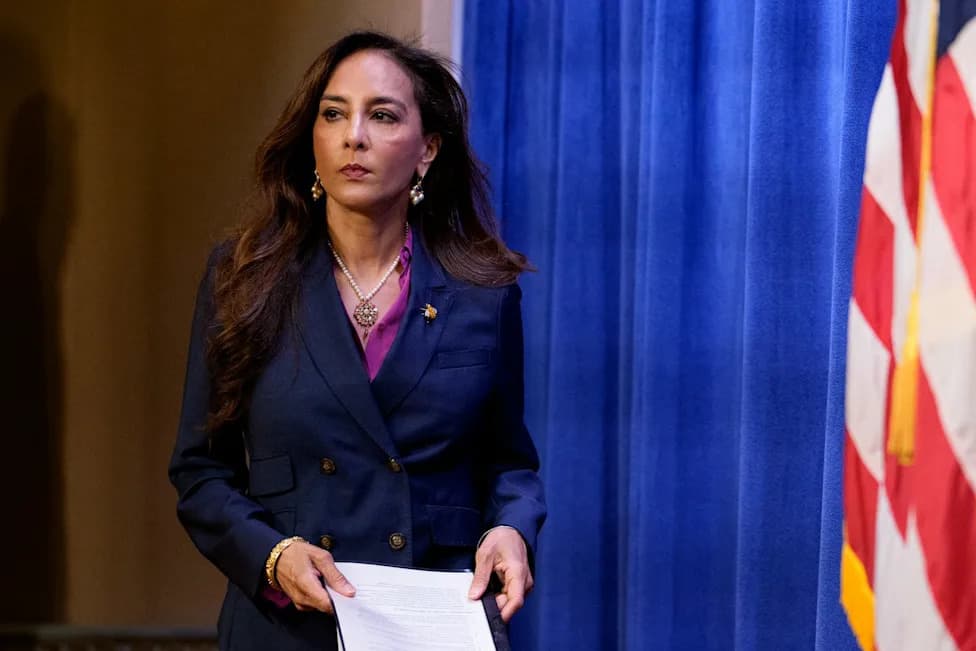
Examples cited by officials and news reports include the removal of career prosecutors who worked on January 6 cases and the post of Special Counsel Jack Smith; efforts to challenge or investigate public figures such as New York Attorney General Letitia James and former FBI Director James Comey; and agency-driven inquiries into public officials.
Allies of the president have also repurposed a lesser-known housing oversight office to open mortgage-fraud inquiries into public figures, and prosecutors have publicly signaled interest in scrutinizing Federal Reserve officials — an escalation Federal Reserve Chair Jerome Powell has described as "unprecedented."
Pressure on Lawyers, Firms and Agencies
The administration has issued executive orders and public threats aimed at law firms that challenge its policies, prompting some firms to negotiate pre-emptive settlements (courts later struck down aspects of those orders). It has revoked security clearances for opponents and moved to discipline or remove career officials who dissent or who preside over unfavorable data releases.
Notable personnel moves since the second term began include the firing of Bureau of Labor Statistics chief Erika McEntarfer after weaker-than-expected jobs data, and the removal of Cameron Hamilton, the acting head of FEMA, after he publicly disagreed with proposals to abolish the agency.
Impact on the Federal Workforce
Career civil servants say the broad pattern of firings and threats has created a climate of fear and politicization across the federal government, where employees who are expected to act nonpartisanly now worry routine work could trigger retaliation.
“I have been contacted plenty of times by colleagues from my former office who tell me that they're all wondering, am I next?... Am I going to be punished for some other work I’ve done?” — Michael Gordon, dismissed January 6 prosecutor
Max Stier, CEO of the Partnership for Public Service, warns the changes amount to a long-term erosion of institutional capacity: "In the past year, this administration has removed more than 200,000 federal employees without justification, eliminated entire government agencies, and transformed traditionally non‑partisan institutions into political instruments to serve the president’s personal interests," he said, adding that the public impact could be felt for decades.
Who Will Push Back?
Legal and civic leaders say some of the administration's actions have been overturned in court, and many of the efforts remain politically contested. But opponents and experts worry the cumulative effect of aggressive personnel changes, targeted investigations and political pressure could fundamentally weaken key government institutions.
“Donald Trump promised he would seek retribution against his political opponents and he has delivered,” said Democratic attorney Marc Elias, who has been publicly targeted by the president. "The question is who will stand up and oppose it."
The debate now centers on whether Congress, the courts, civil-society organizations, professional groups and private-sector leaders will mount an effective resistance to preserve the independence and capacity of the federal civil service.
Help us improve.