Investigative author Peter Schweizer alleges in his forthcoming book The Invisible Coup that Mexico is using consulates, education materials, migrant outreach and media to exert political influence inside the United States. Schweizer cites Mexico’s 53 consulates, distribution of Spanish-language textbooks, so-called migrant legislators and the TV Migrante channel as elements of what he calls "weaponized immigration." Mexican officials maintain consular activities are routine services to protect nationals and stress cooperation with the U.S.; the claims remain allegations pending independent verification.
Author Alleges Mexico Is Using “Weaponized Immigration” To Exert Political Influence In The U.S.
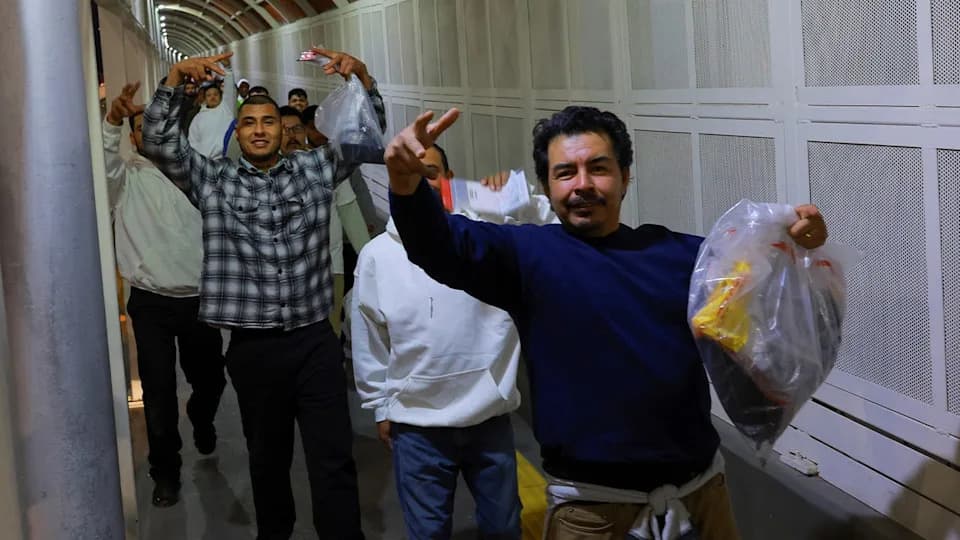
Mexican migrants deported at the U.S. border. Schweizer claims Mexico sees migration as an opportunity to exert influence in the US.(Reuters)
Investigative author Peter Schweizer alleges in his forthcoming book, The Invisible Coup, that elements of the Mexican government are conducting a coordinated influence campaign inside the United States that goes beyond customary consular services. Schweizer says the initiative — which he calls "weaponized immigration" — uses consulates, educational materials, migrant outreach and media to build political leverage on U.S. soil.
Key Allegations
Schweizer points to Mexico’s unusually large consular network in the United States — 53 consulates nationwide — and contends some consular staff have been involved in political organizing, including support for protests following U.S. immigration enforcement actions. He argues such activity, if true, would exceed the typical scope of diplomatic duties.
"Foreign powers are using migration as a weapon to undermine American sovereignty," Schweizer told Fox News Digital. "Mexico is a clear example of this."
Consular Services Versus Political Activity
Mexican consulates routinely provide legal assistance, outreach and documentation help to Mexican nationals after Immigration and Customs Enforcement (ICE) operations — services Mexico characterizes as consular protection. Critics, including Schweizer, say some outreach can blur into political activism when consular staff publicly praise community mobilization or coordinate with U.S.-based advocacy groups.
Education And Identity
Schweizer asserts that Mexico is distributing Spanish-language textbooks and supplemental materials in U.S. communities through its consular network. He says these textbooks, produced by Mexico’s state textbook authority and offered as donated supplemental resources to schools, libraries and community centers, present a politicized narrative of history and encourage migrant children to identify primarily as Mexican rather than Mexican‑American.
Migrant Legislators And Political Organizing
Another focus of the book is so-called "migrant legislators": Mexican officials elected to represent citizens living abroad who reside in the United States. While they do not hold U.S. office, some have participated in advocacy events domestically. Schweizer cites a reported 2024 meeting at Mexico’s consulate in Oklahoma City involving Mexican diplomats and U.S. political activists as an example of activity he believes crosses diplomatic boundaries.
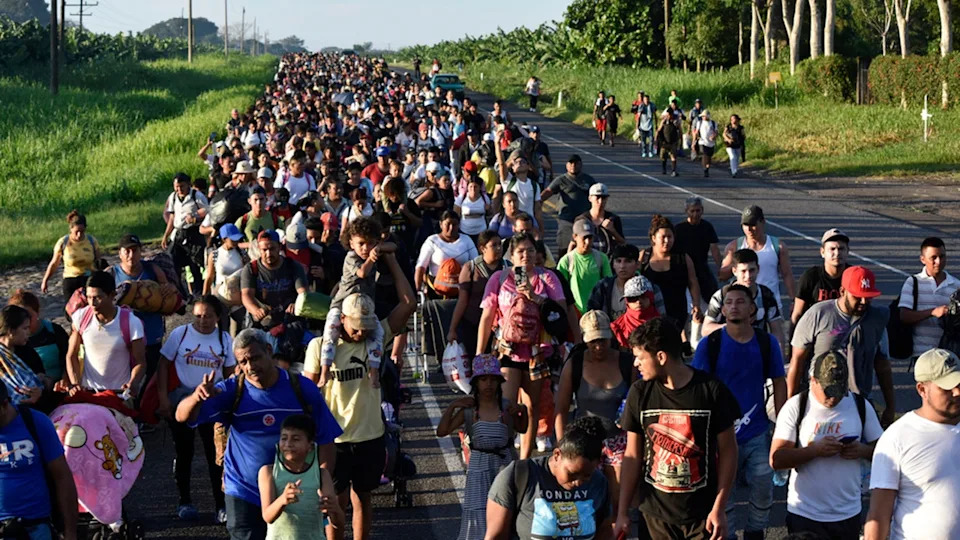
Schweizer said his forthcoming book, "The Invisible Coup," documents what he describes as "weaponized immigration," a strategy he claims Mexican officials view as a means to exert political leverage inside the U.S.
Media Aimed At Migrants
Schweizer also highlights TV Migrante (Migrant TV), a channel Mexico launched in March 2025 to reach migrant communities. He alleges the platform has carried partisan content — praising some U.S. politicians while criticizing others — and that its messaging at times vilifies U.S. immigration officials.
Geopolitical Context And Remittances
Framing the issue in broader geopolitical terms, Schweizer compares the tactics he describes to how other foreign governments have used diaspora and diplomatic networks to amplify influence. He also notes remittances from the U.S. to Mexico — estimated at about $62.5 billion in 2024 by BBVA Research — as an economic channel that gives migration geopolitical importance.
Responses And Implications
Schweizer calls for a "zero-tolerance" policy toward foreign diplomatic involvement in U.S. electoral politics and suggests expelling officials who engage in prohibited activities. U.S. law bars foreign diplomats from participating in American elections.
Mexican officials have defended their consulates as essential providers of services and protection for Mexican nationals abroad and emphasize cooperation with U.S. authorities on security and border enforcement. The Mexican embassy did not respond to requests for comment on Schweizer’s specific claims, according to reporting.
What To Watch
- Any formal U.S. diplomatic or legal responses to alleged consular involvement in political activities.
- School districts' policies on accepting foreign-produced educational materials and how those materials are reviewed.
- Statements or evidence from Mexican officials or independent observers that corroborate or refute the book’s specific examples.
The claims in Schweizer’s book are significant if substantiated, but they remain allegations until independently verified. The topic intersects immigration policy, diplomatic norms and the politics of diaspora engagement — all of which are likely to keep this issue in public debate.
Help us improve.