Dr. David Schwimmer of Columbus State University helped mount a life‑size, scientifically accurate skeletal replica of Deinosuchus schwimmeri at the Tellus Science Museum in Cartersville. The reconstructed crocodilian measures more than 30 feet and represents a Cretaceous apex predator that preyed on dinosaurs. Named for Schwimmer in 2020, the species and the new exhibit were commissioned to boost Tellus’ educational programs for thousands of visiting students each year.
Georgia Paleontologist Helps Mount Life‑Size Skeleton of Dinosaur‑Killing Crocodile at Tellus

Dr. David Schwimmer, a professor and paleontologist at Columbus State University, collaborated with the Tellus Science Museum in Cartersville to mount a full, scientifically accurate skeletal replica of the giant crocodilian Deinosuchus schwimmeri for public display.
Schwimmer, who has partnered with Tellus for many years, assisted museum staff and experts to create and install the life‑size skeleton — an anatomically informed reconstruction that stretches more than 30 feet long.
“These replicas are more than just creating a ‘scare factor,’” Schwimmer said. “Understanding dinosaurs’ predatory habits helps us decode some of nature’s greatest survival strategies. By studying these ancient apex predators, we are essentially looking back in time to see exactly how life adapted and dominated a changing world.”
The Tellus Science Museum is presenting the exhibit as a unique learning resource: the commissioned replica gives visitors a tangible sense of the scale and anatomy of a Cretaceous apex predator. Museum and university officials say Tellus’ display is the only exhibit of its kind.
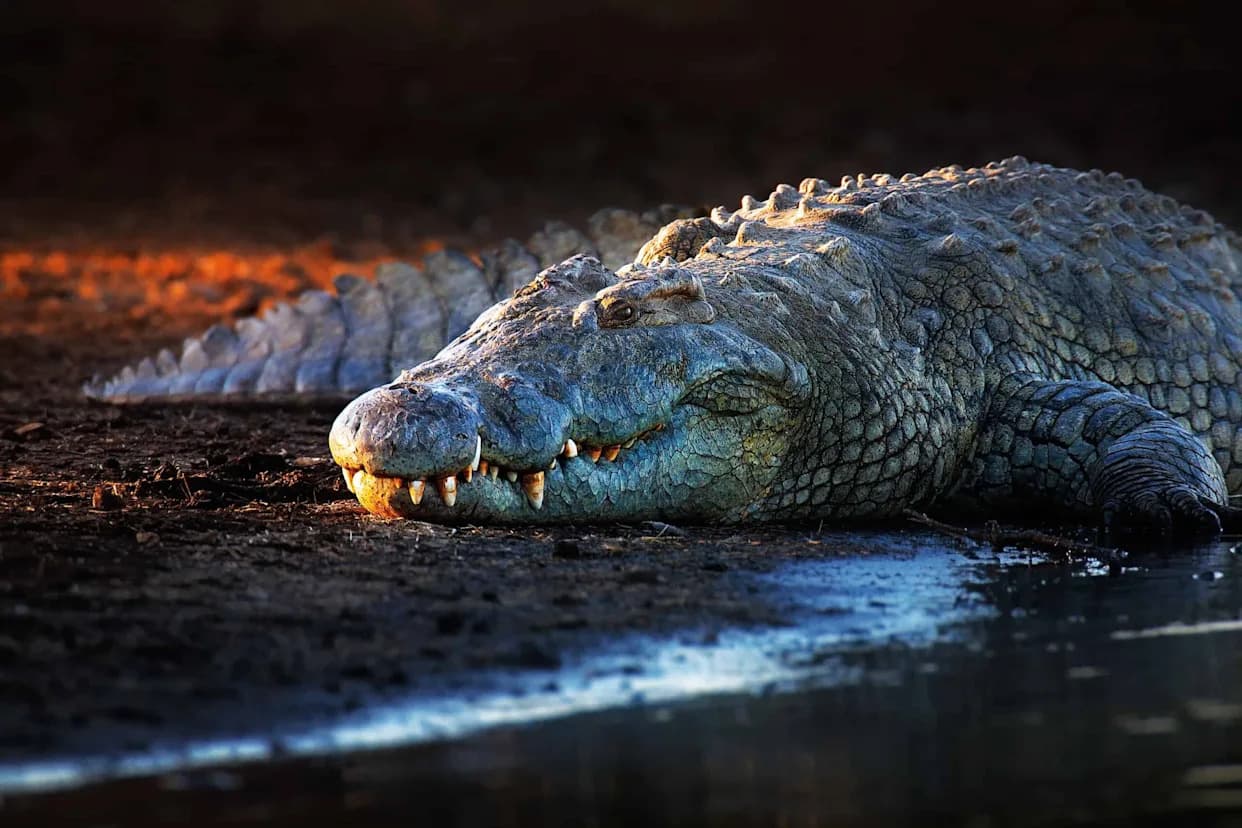
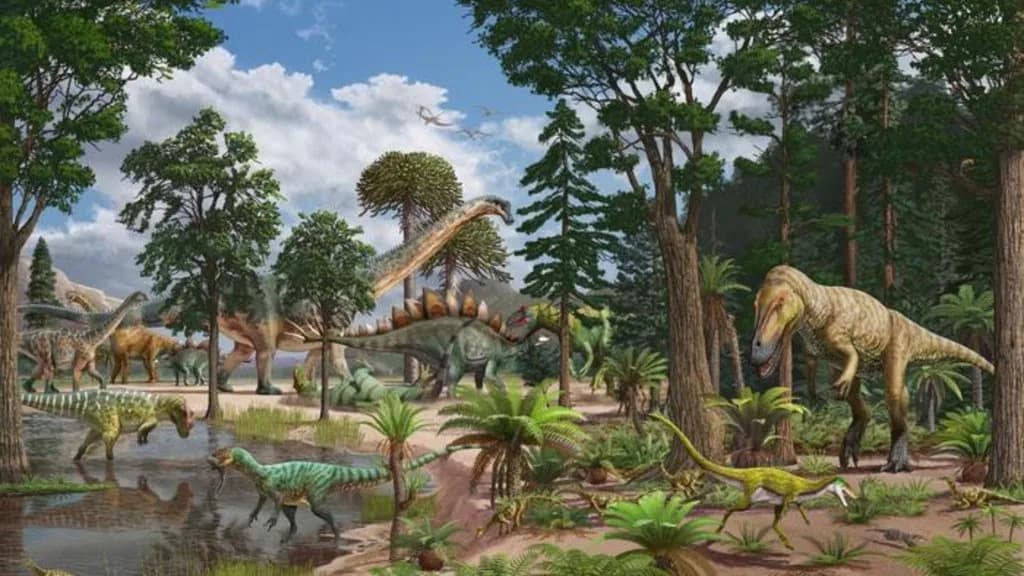
Deinosuchus schwimmeri is a Cretaceous relative of modern alligators that could reach roughly 30–31 feet and is known from fossil evidence to have preyed on dinosaurs and other large animals. The mounted skeleton helps illustrate regional paleoecology and predation dynamics during the Cretaceous period.
“Each year thousands of students visit Tellus,” said Hannah Eisla, Tellus’ director of education. “This life‑size model gives school groups a far more detailed view of the plants, animals and environments that once existed in the Southeast.”
The species name honors Schwimmer: in 2020 paleontologists formally named the crocodilian Deinosuchus schwimmeri in recognition of his decades of fossil research, publications, fieldwork and a 2002 book on giant North American Cretaceous crocodilians. Tellus commissioned the replica to strengthen its educational programming and to provide an engaging, research‑based exhibit for visitors of all ages.
Help us improve.