The article examines allegations that women from St Elisabeth Convent, a Belarusian religious community, sold handicrafts in Swedish churches while being identified by the Church of Sweden as fundraisers tied to pro‑Kremlin causes. Rector Michael Öjermo says he invited the sisters in good faith and saw no proof of espionage, but now recognises the propaganda risks. Swedish officials warn of a broader pattern of Russian influence efforts, including concerns about an Orthodox church built roughly 300 metres from Stockholm Västerås Airport. The convent denies the allegations and says its work is charitable.
“Spy Nuns” Allegations: Belarusian Fundraisers, Russian Influence, and Swedish Church Concerns
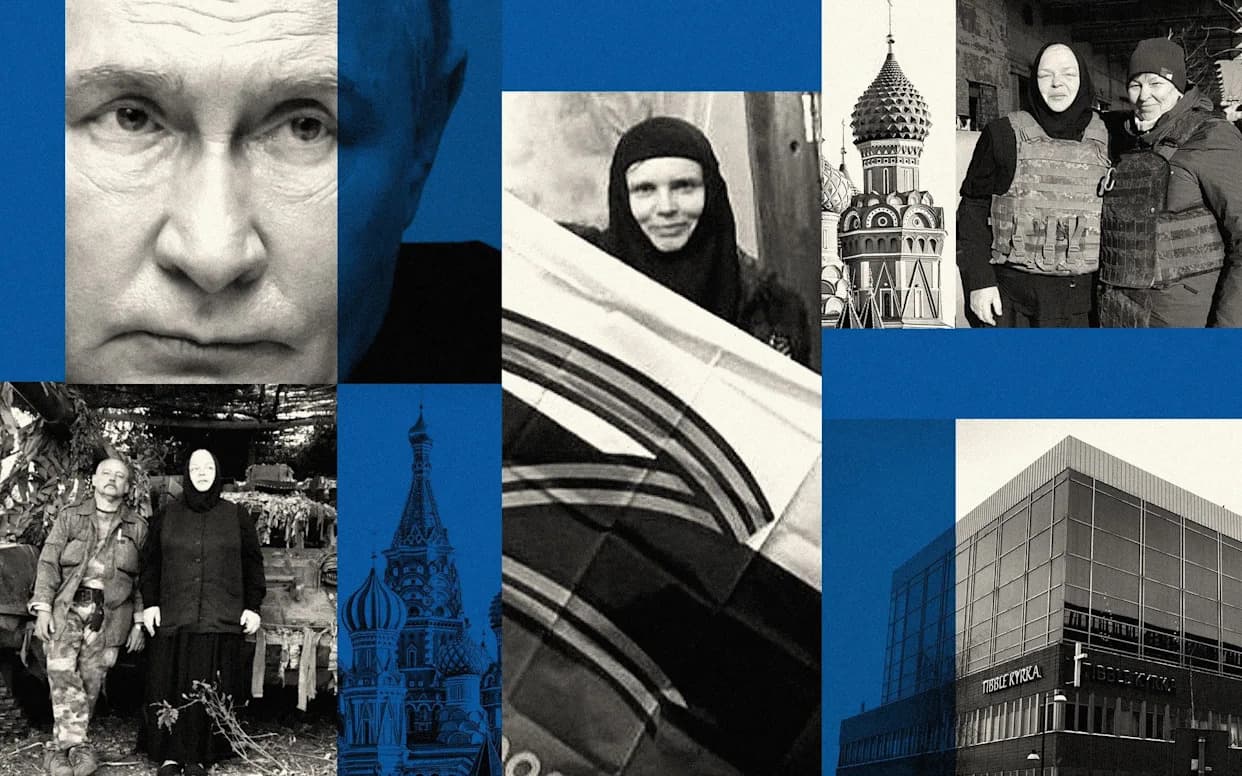
The ‘nuns’ were found to have links to the GRU, Russia’s military intelligence unit - Putin
Clad in white headscarves and crosses, women identifying themselves as sisters from St Elisabeth Convent sold handcrafted goods in the hallway of a Täby church near Stockholm last Christmas. At first glance they appeared harmless, and the rector had given them permission to set up a stall. But the visit has since become part of a broader controversy over alleged Russian influence operations in Sweden.
Church Warning and Allegations
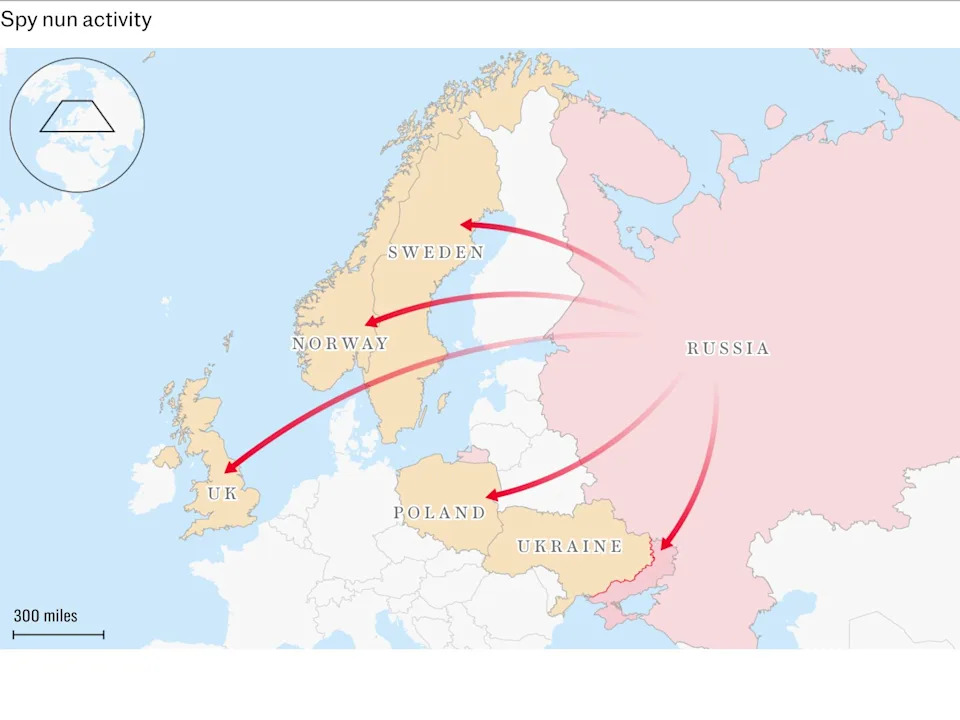
The Church of Sweden later issued a formal warning to congregations, saying the visitors were fundraisers linked to a Belarusian convent that has been accused of supporting Russia’s invasion of Ukraine and of having ties to the GRU, Russia’s military intelligence service. Swedish media reported that women from St Elisabeth’s had visited as many as 20 churches, prompting headlines about so‑called “pro‑Putin spy nuns.” The convent and its leaders have denied supporting the war and say their work focuses on helping the needy and vulnerable.
What Church Leaders Say
Rector Michael Öjermo of Täby told reporters he invited the sisters in good faith and had not seen evidence of espionage: the visits typically involved a van, two tables and the sale of handicrafts. He acknowledged, however, that he now recognises how such visits can be repurposed as propaganda to suggest popular support for Russia in NATO countries.
Kristina Smith, head of the Church of Sweden’s crisis‑planning unit, described the episode as part of a worrying pattern. She said the Church has warned congregations against lending facilities to elements associated with the Russian Orthodox Church when the requested locations are close to military installations.
Background On The Convent
St Elisabeth’s Convent has been photographed in occupied parts of Ukraine and some of its sisters have posed with the “Z” symbol linked to Russian forces—earning them the nickname “Z‑Nuns.” Archpriest Andrey Lemeshonok, the convent’s spiritual leader, has described the sisters in militant language, calling them a “combat unit.” In 2022 the sisters were reportedly barred from visiting Winchester Cathedral in the UK because of their stance on the war.
Strategic Concerns: A Church Near An Airport
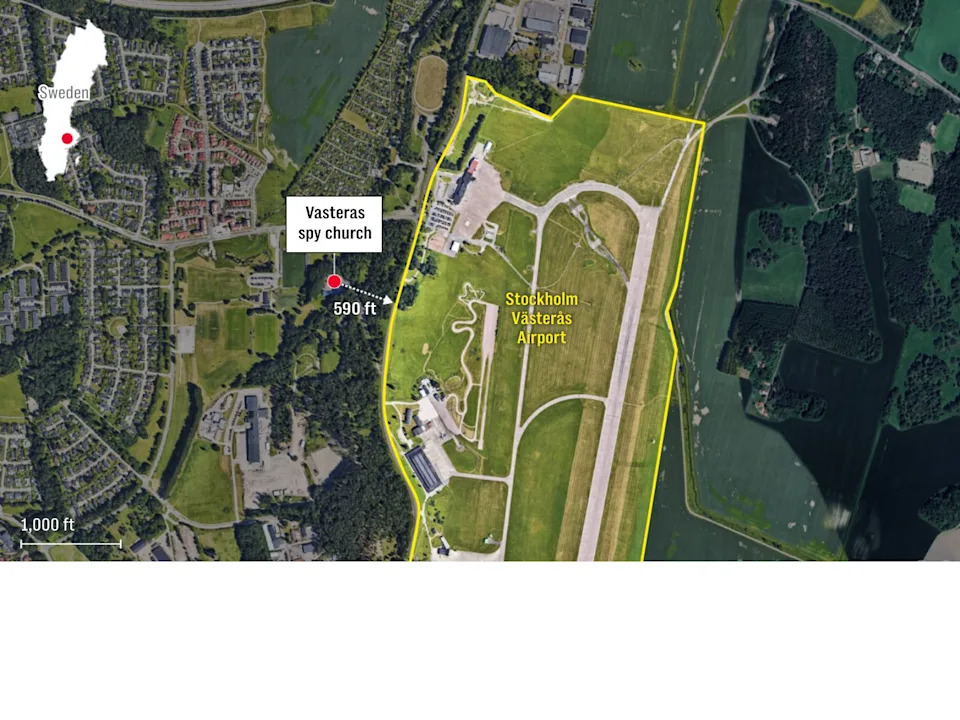
Officials have also pointed to other incidents that raise security concerns. The Orthodox Church of the Holy Mother of God of Kazan in Västerås — with gold crosses and onion domes — stands roughly 300 metres from Stockholm Västerås Airport (VST), a contingency airport with one of Sweden’s longer runways. Local politicians and some intelligence sources have said the location could be exploited for information‑gathering, though the Russian embassy has denied any espionage and insists the building is a place of worship. Västerås authorities say permission to build the church predated the 2022 invasion and that allowing it adjacent to critical infrastructure was a mistake they aim to address.
Local Reaction And Wider Implications
In Täby many parishioners were reluctant to discuss the episode publicly, though the parish has displayed a Ukrainian flag and a pro‑Ukraine notice near the chapel entrance. For Swedish church leaders, the incident has catalysed a shift in policy and awareness: an historically open and trusting culture is now weighing the security risks of allowing foreign religious groups access to church premises, especially near sensitive sites.
Note: This article reports claims made by the Church of Sweden and Swedish officials about alleged links between St Elisabeth Convent and Russian intelligence. The convent has denied supporting the war in Ukraine and says it provides charitable aid.
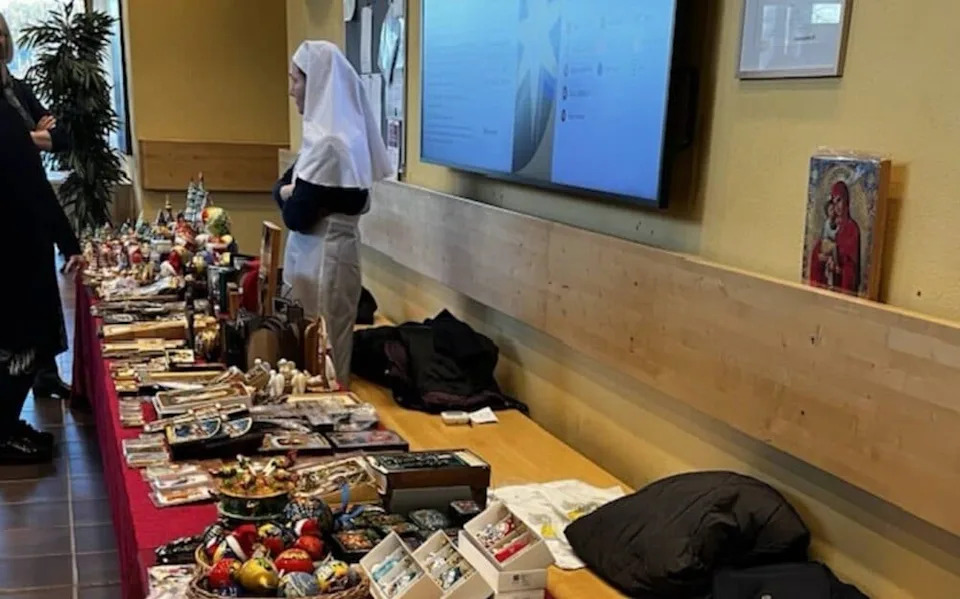
Nuns from the St Elisabeth Convent sell trinkets in the town of Täby - Facebook

A nun receiving support from the St Elisabeth Convent in Ukraine’s Russian-occupied territory - Saint Elisabeth Convent/Telegram
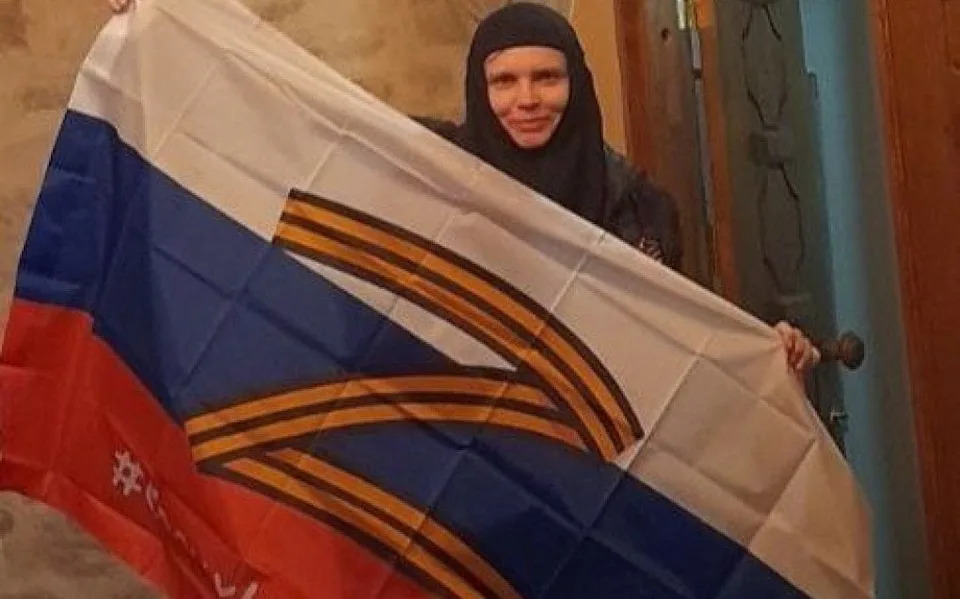
Mother Eugenia, a nun receiving support from the St Elisabeth Convent, displays a ‘Z’ which is a Russian pro-war symbol - Saint Elisabeth Convent
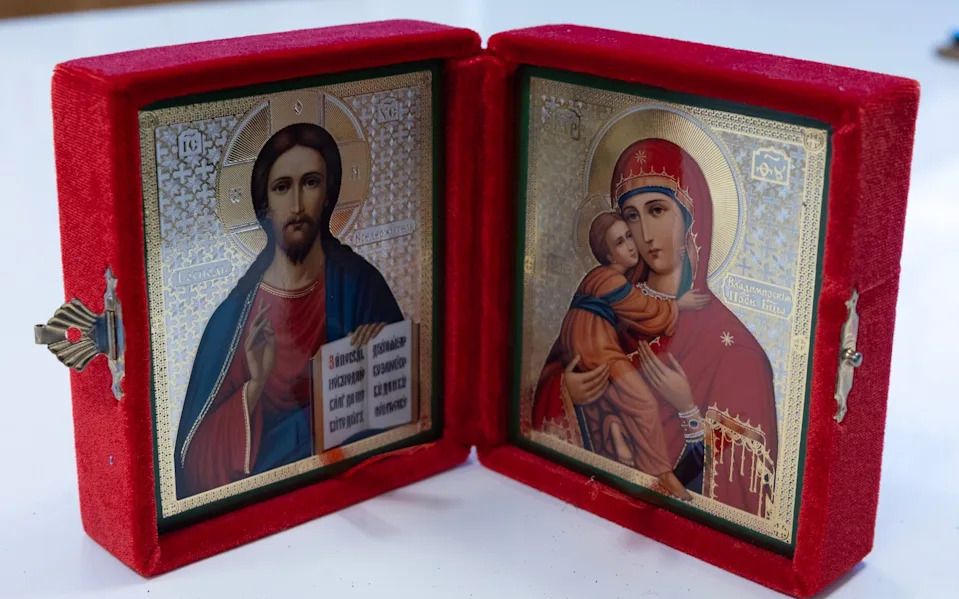
One of the icons sold by the Belarusian St Elisabeth Convent - Geoff Pugh
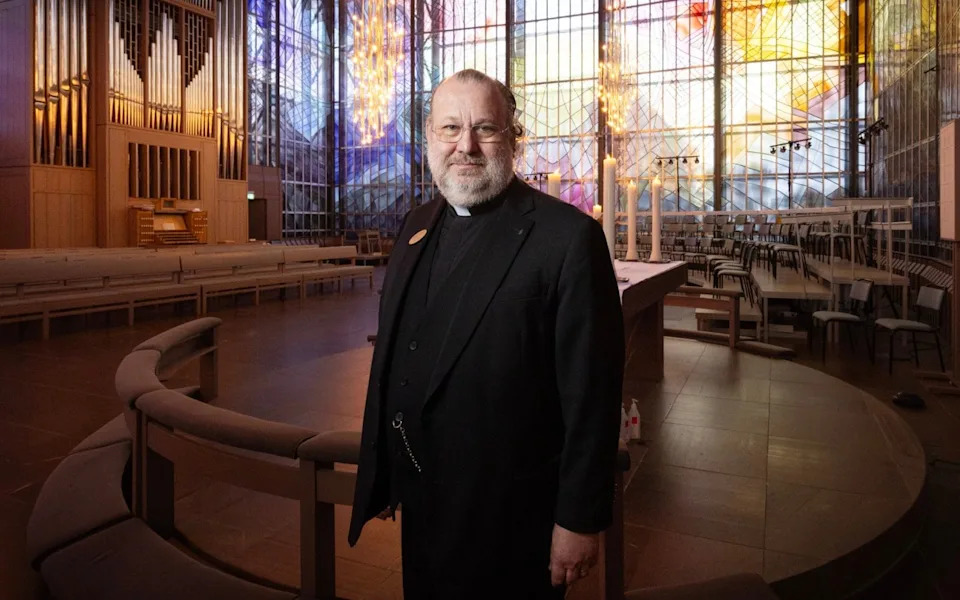
Rector Öjermo said the nuns could be used to promote Russian propaganda - Geoff Pugh
1701 Z Nun activity
1701 Vasteras spy church
Help us improve.