The live arrest of Jessica Plichta, widely described as a “preschool teacher” after a pro‑Maduro interview, drew sympathetic media attention—but many reports omitted that she is a member of the Marxist‑Leninist Freedom Road Socialist Organization. Critics call this pattern “red‑washing,” arguing that focusing on personal roles while downplaying organizational ties can obscure coordinated political aims. The case raises questions about journalistic transparency, the public’s right to context, and how activists embed ideological groups within broader protest movements.
Red‑Washing? How Coverage Framed a Marxist‑Leninist Activist as a ‘Preschool Teacher’

A booking photo of Jessica Plichta, 22, who police arrested during a protest in Grand Rapids, Michigan.
When Grand Rapids police arrested 22‑year‑old Jessica Plichta live on air after a local television interview in which she defended Venezuelan leader Nicolás Maduro, many outlets quickly cast her as a sympathetic figure—a preschool teacher and anti‑war protester. A closer look at reporting and public records shows that description omitted a key element of her political activity: her membership in the Freedom Road Socialist Organization (FRSO), a self‑described Marxist‑Leninist group.
What Happened
On Jan. 3, Plichta led a march through Grand Rapids that blocked intersections after repeated police warnings. She addressed the crowd with a megaphone—calling to “Free Maduro!” and urging opposition to imperialism—before giving an on‑camera interview to WZZM 13. As she was being interviewed outside Fountain Street Church, two Grand Rapids officers arrested her on charges of obstructing a roadway and failing to obey a lawful police command. On camera she said, “I am not resisting arrest. I am going peacefully.”
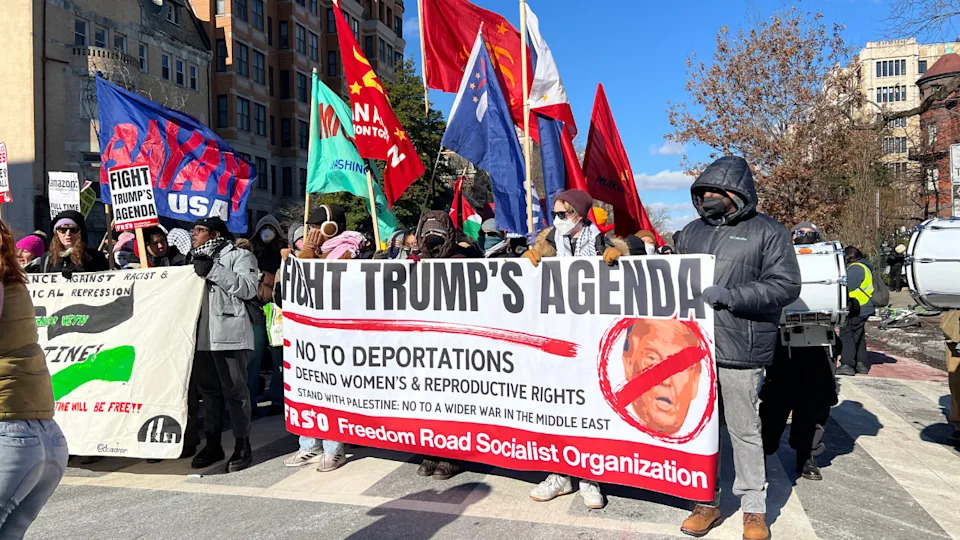
On Jan. 20, 2025, activists from the Freedom Road Socialist Organization marched across Washington, D.C., with a banner, "FIGHT TRUMP'S AGENDA," and flags from the Philippines and other foreign interests where they support communist and socialist efforts.
Media Framing and Omitted Context
Local and national coverage emphasized Plichta’s age and occupation—often calling her a “preschool teacher”—and focused on the dramatic nature of a live arrest. That framing created an immediate, sympathetic narrative. However, multiple reports and public footage show Plichta declaring membership in the Freedom Road Socialist Organization at protests and displaying FRSO insignia after her release from custody.
“I’m a proud cadre member of the Freedom Road Socialist Organization!” Plichta told a crowd at a pro‑Maduro demonstration, according to on‑scene reports.
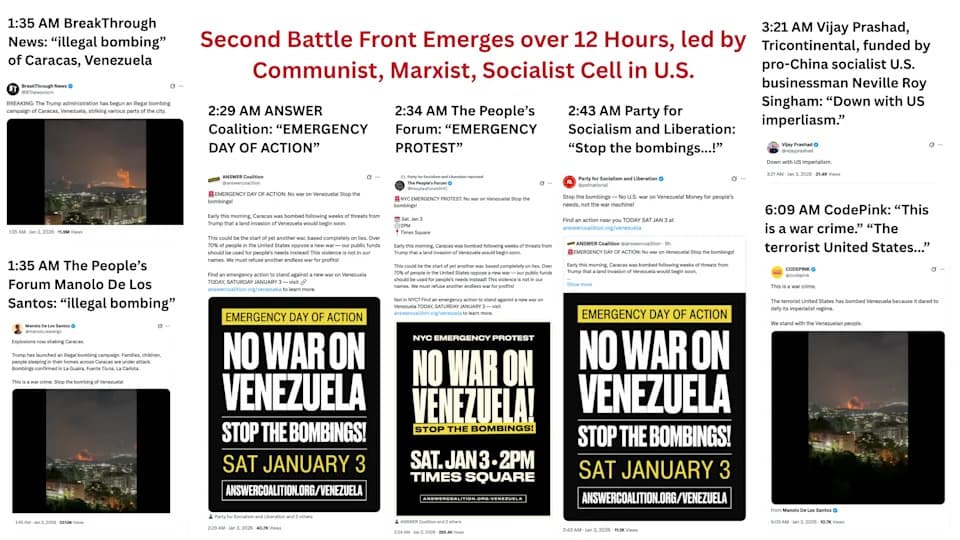
Critics contend that leaving out activist affiliations can obscure organized political aims and strategy. The Fox News Digital review of coverage argues this is part of a broader pattern—sometimes called “red‑washing”—in which left‑leaning protesters are described by personal roles (teacher, parent, protester) while organizational or ideological ties receive less attention.
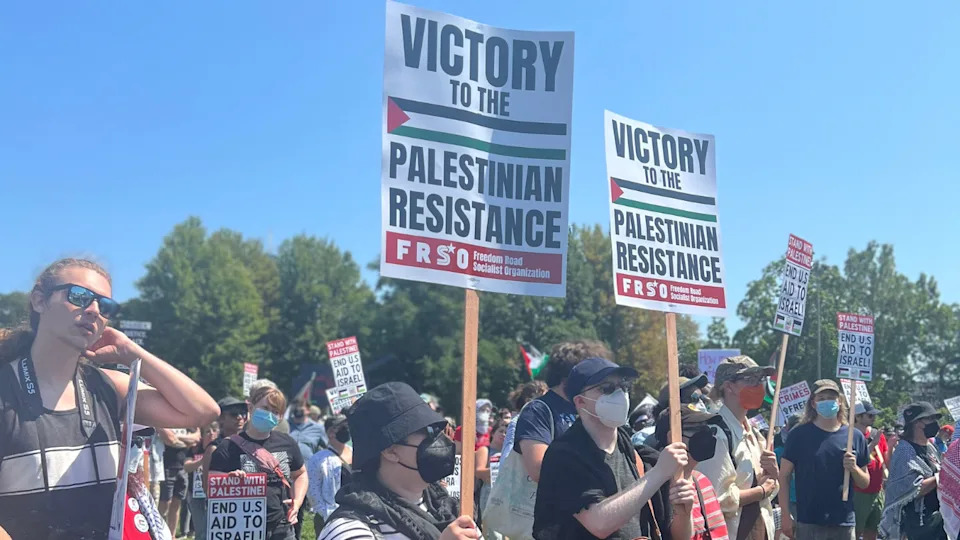
On Aug. 19, 2024, members of Freedom Road Socialist Organization joined about 200 other groups, many of them socialist and Palestinian, in Chicago to march to protest the Democratic National Convention. Its members held signs calling for "VICTORY TO THE PALESTINIAN RESISTANCE." The Hamas terrorist group calls itself "the resistance."
Organizational Background
The Freedom Road Socialist Organization describes itself as a Marxist‑Leninist group advocating socialism in the United States. The FBI opened an inquiry into the organization in 2010 to determine whether activists linked to FRSO provided material support to foreign groups designated as terrorist organizations; the probe included searches and raids but ultimately produced no criminal charges. FRSO is active in a broader international network of leftist groups, often associated through umbrella formations such as the International People’s Assembly, which claims a large membership of socialist and communist organizations worldwide.
Investigations and reporting have also highlighted the role of private financiers in supporting some international and U.S. leftist networks. Businessman Neville Roy Singham has been named in recent inquiries by the U.S. House Ways and Means Committee for allegedly funding media and groups in ways that critics say amplify narratives favorable to the Chinese government; those allegations are the subject of ongoing probes and reporting.
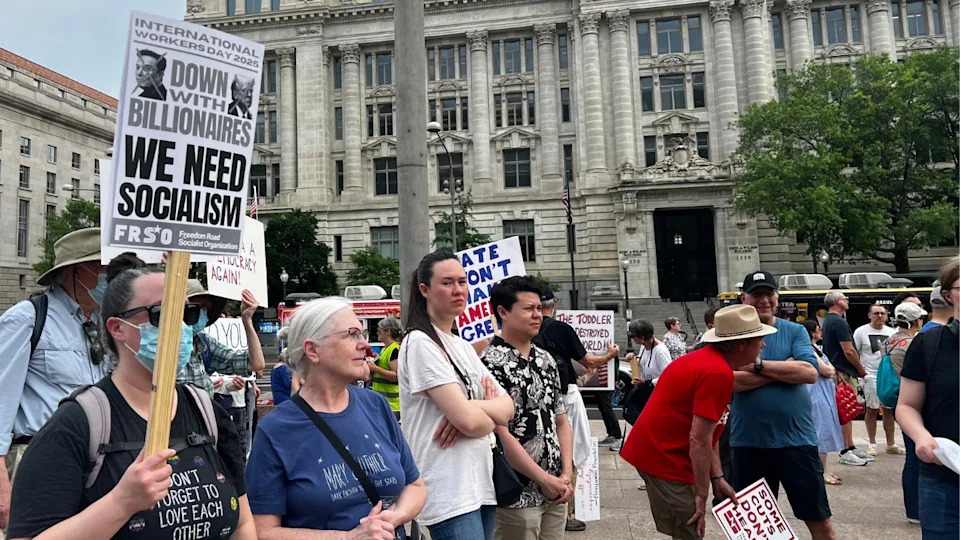
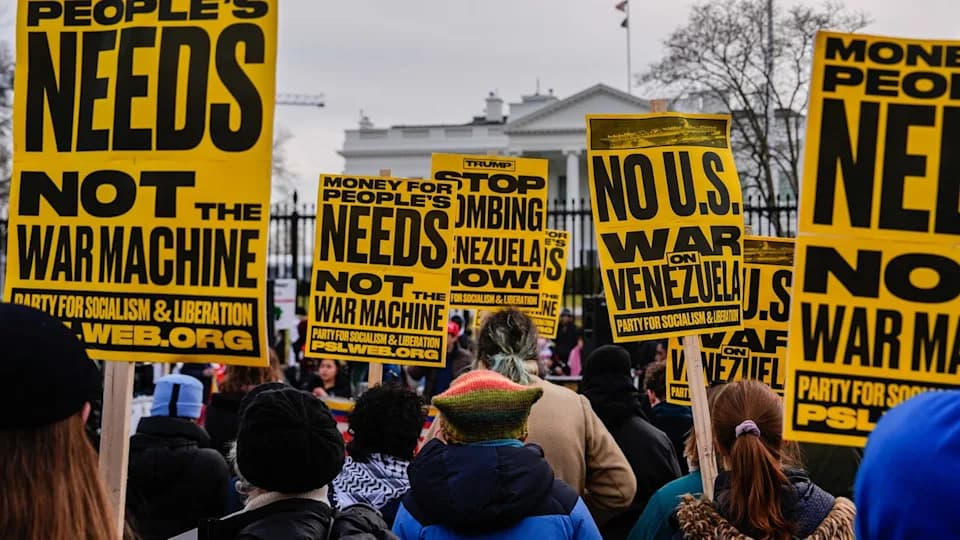
On May 1, 2025, members of the Freedom Road Socialist Organization protested in Washington, D.C., blocks from the White House to support labor rights. "DOWN WITH BILLIONAIRES," a sign read, with an image of Elon Musk. "WE NEED SOCIALISM."
Other Cases And Broader Debate
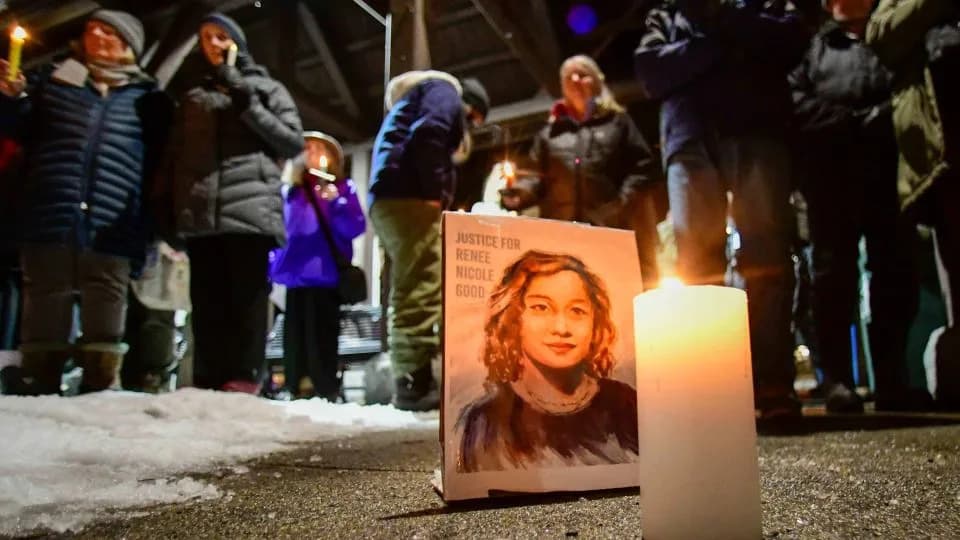
Journalists and commentators point to other incidents—such as national coverage of the death of Minneapolis activist Renee Nicole Good, which emphasized her role as a mother while giving comparatively little context about her ties to a militant anti‑ICE group—as part of the same pattern. Observers on both sides of the political spectrum debate whether the difference in labeling reflects bias, differing editorial choices about what information is most relevant to readers, or a combination of both.
Why It Matters
Whether due to oversight or editorial judgment, the omission of organizational affiliations can change how the public perceives protests and protesters. Knowing if a demonstration is largely grassroots or coordinated by groups with explicit political aims helps readers evaluate motives, tactics and potential consequences. For journalists, the case raises questions about transparency, sourcing and how to balance human interest framing with ideological context.
After her arrest, Plichta and the Freedom Road Socialist Organization framed the incident as repression of political dissent. Supporters in the local meeting where she spoke urged coordinated activism and disruptive tactics against political opponents; opponents say those tactics show a revolutionary agenda that deserves scrutiny rather than purely sympathetic treatment.
Ultimately, the Plichta episode spotlights tensions in modern coverage: the need to tell human stories that engage readers while also providing the organizational and ideological context that shapes those stories’ meaning.
Help us improve.