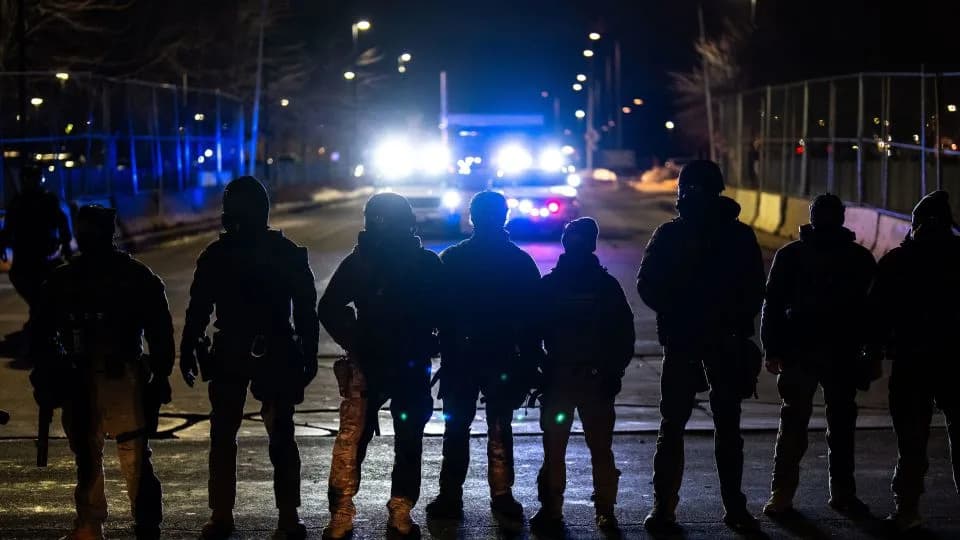
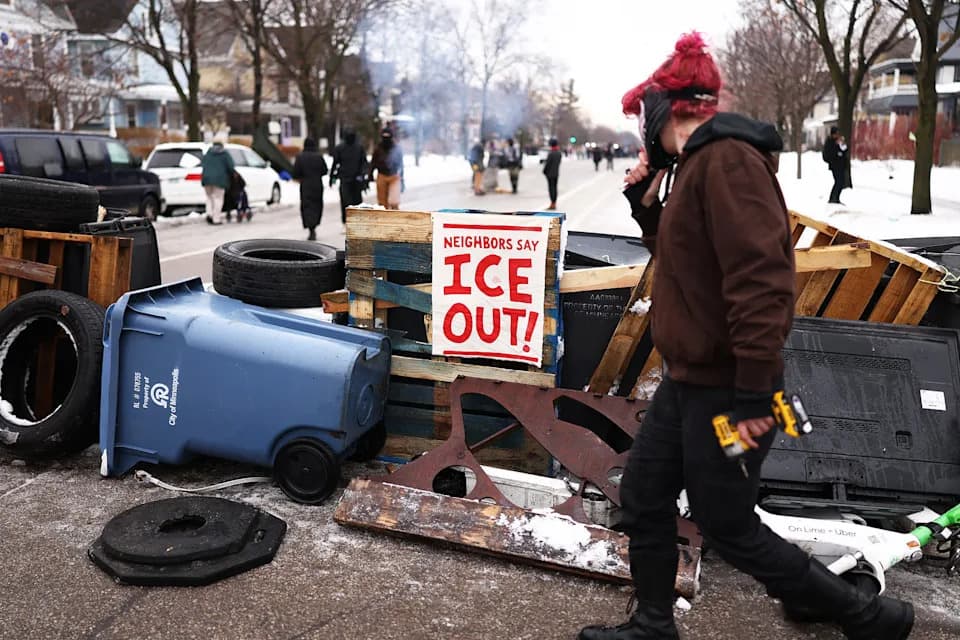
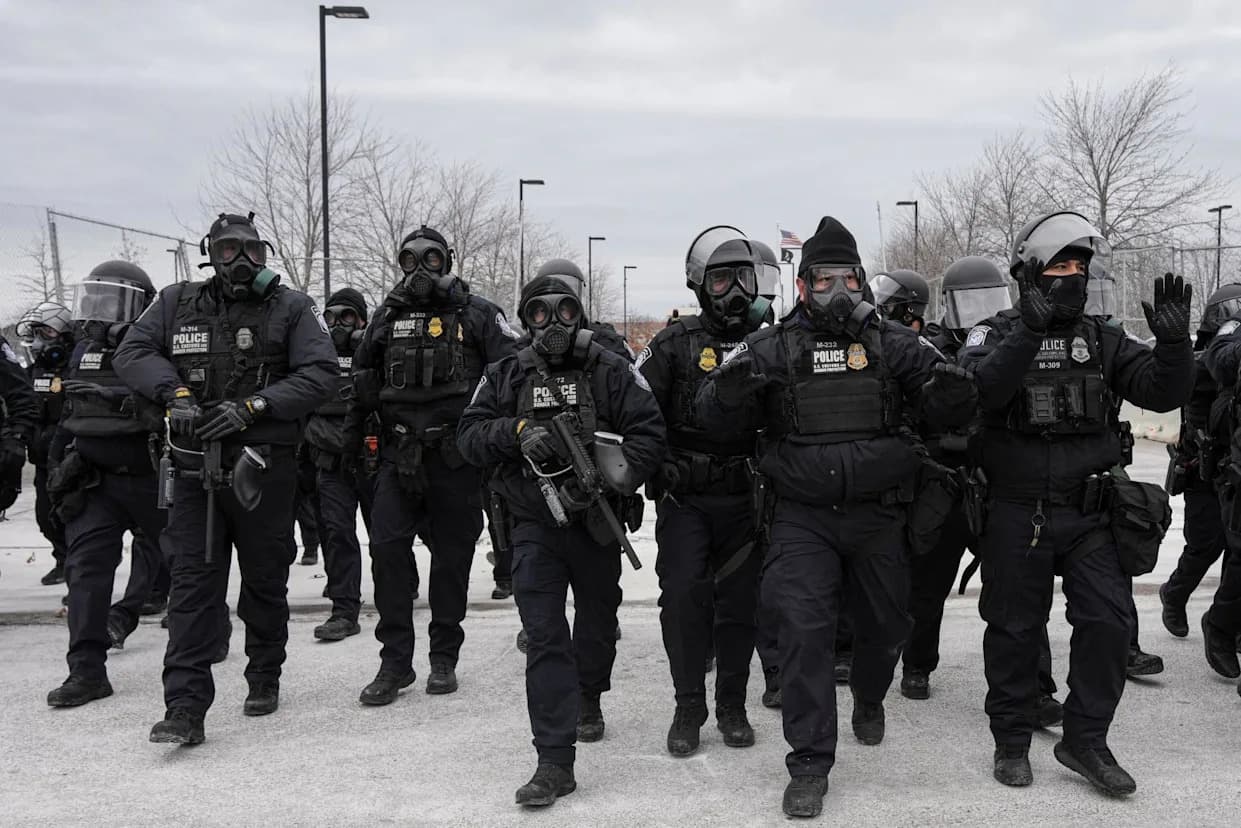
Karmel Mall in south Minneapolis — a vital economic and cultural center for the U.S. Somali community — has seen most shops close or remain nearly empty amid an intensified ICE operation. Business owners report steep revenue losses, canceled travel plans and employees too frightened to work. Merchants say both immigrants and U.S. citizens are avoiding the area after high-profile local incidents, while officials say arrests rely on reasonable suspicion and target immigration status, not race.
Fear of ICE Empties Karmel Mall — Somali Businesses in Minneapolis Suffer Sharp Losses
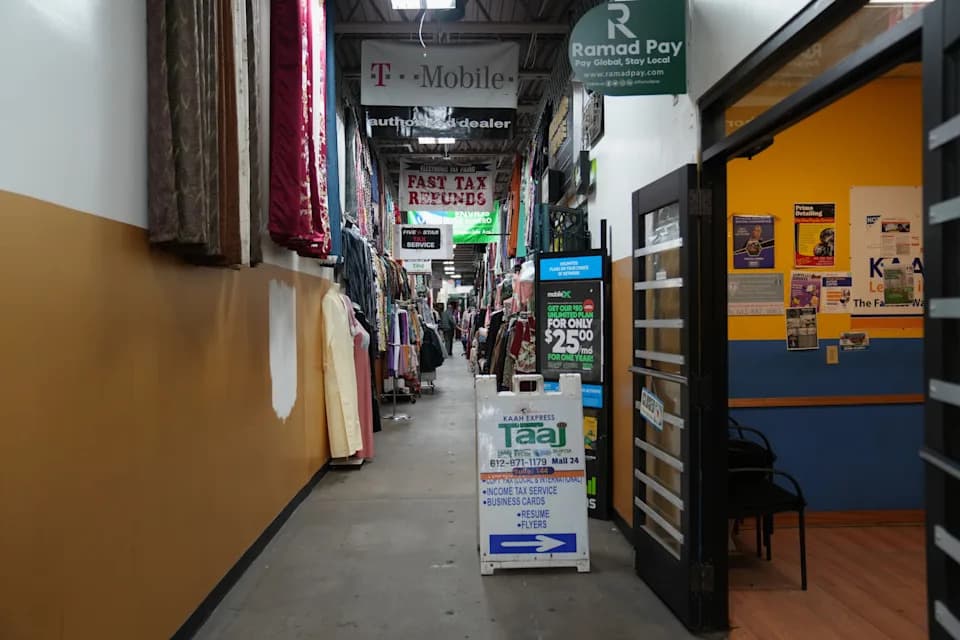
A view of the 24 Somali Mall in Minneapolis, Thursday, Jan. 15, 2026. (AP Photo/Abbie Parr)(ASSOCIATED PRESS)
Rows of shops inside Karmel Mall in south Minneapolis — a bustling center for the largest Somali community in the United States — have fallen unusually quiet as residents and customers stay away amid an intensified ICE operation.
Community Hub Left Hollow
Karmel Mall hosts more than a hundred small businesses offering clothing, food, insurance and accounting services. Normally noisy corridors were still except for occasional conversations between neighbors, the scent of fried food from bakeries and the soft sound of Quran recitation from some stores. Yet many shopkeepers sat alone, waiting for the rare passerby.
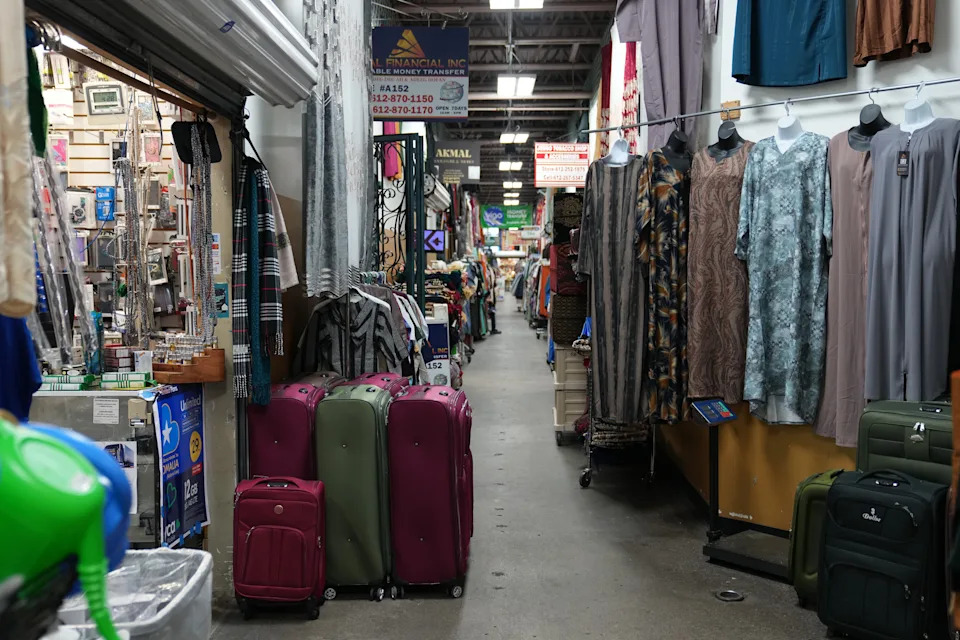
A view of the 24 Somali Mall in Minneapolis, Thursday, Jan. 15, 2026. (AP Photo/Abbie Parr)(ASSOCIATED PRESS)
Fear of Enforcement and Local Incidents
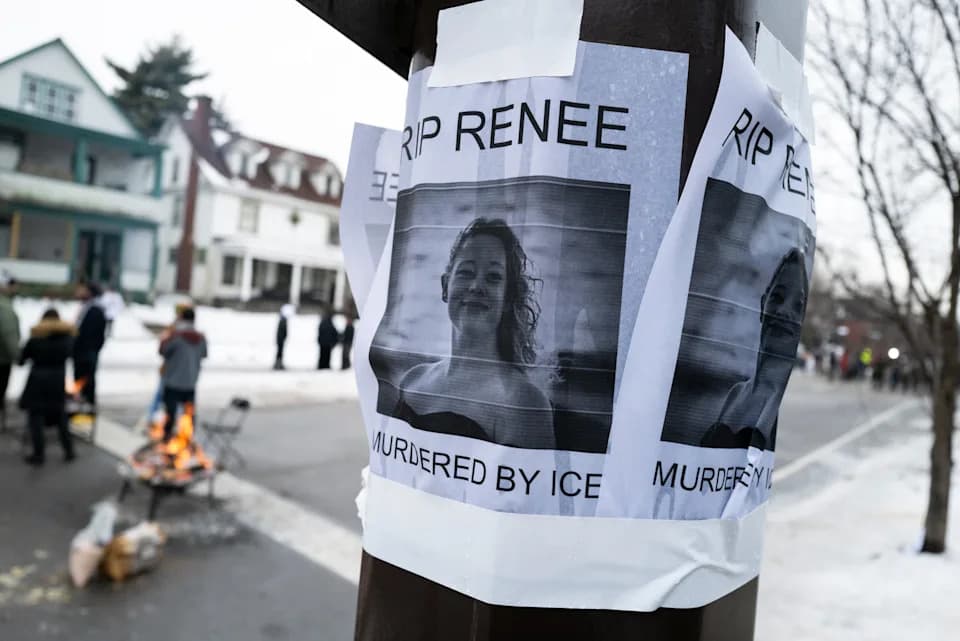
Business owners say fear of federal immigration agents has driven both sellers and customers — citizens and noncitizens alike — to stay home. Several merchants also pointed to recent local events, including the killing of Renee Good and an ICE raid at Roosevelt High School, as reasons U.S. citizens feel vulnerable and avoid public places.
“It’s been like this for three weeks now,” said Abdi Wahid, who works at his mother’s convenience store. “Everywhere it’s all been closed up, all the stores.”
Economic Toll
Owners report dramatic drops in foot traffic and revenue. Electronics seller Ibrahim Dahiye said his business has lost about $20,000 a month since the crackdown began and that he is pooling resources with others to cover rent. Travel and accounting agencies say clients are canceling upcoming trips over fear they might be denied re-entry into the United States — even when many clients are U.S. citizens.
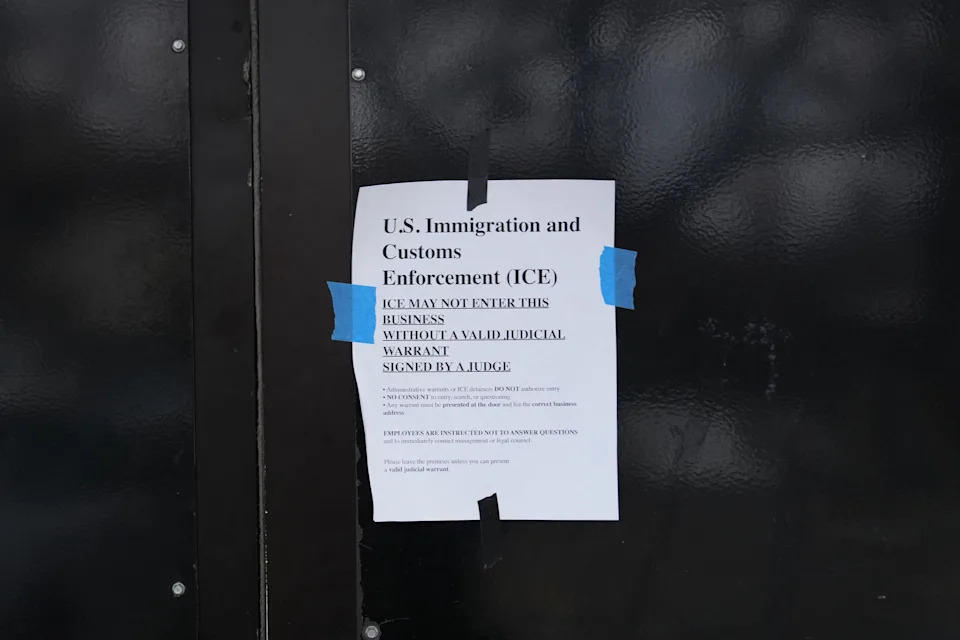
A sign is taped to the outside of the 24 Somali Mall in Minneapolis, Thursday, Jan. 15, 2026. (AP Photo/Abbie Parr)(ASSOCIATED PRESS)
“They see a lot of unlawful things going on in the city. They look at something bad, and then they think some bad things may happen to them,” said Bashir Garad of Safari Travel & Accounting Services. “Most of my customers are East African, and nearly all are U.S. citizens — yet they are still hesitant to travel.”
Official Response
Homeland Security Assistant Secretary Tricia McLaughlin said law enforcement relies on "reasonable suspicion" when making arrests and that enforcement actions target immigration status rather than race or ethnicity.
Merchants describe mounting anxiety and financial strain. “I don’t know what we can do,” Dahiye said. “We believe in Allah, but we can’t do anything.”
Help us improve.