After a viral video accused several Minneapolis-area Somali day care centers of fraud, Somali business owners and families report threats, vandalism and a sharp drop in customers. State investigators found most centers operating normally; one location was not yet open. Community leaders warn that collective blame and online harassment are deepening fear and economic harm for Minnesota's large Somali population, even as authorities pursue any credible fraud allegations.
Viral Fraud Allegations Leave Minneapolis Somali Community Facing Threats, Empty Businesses and Fear

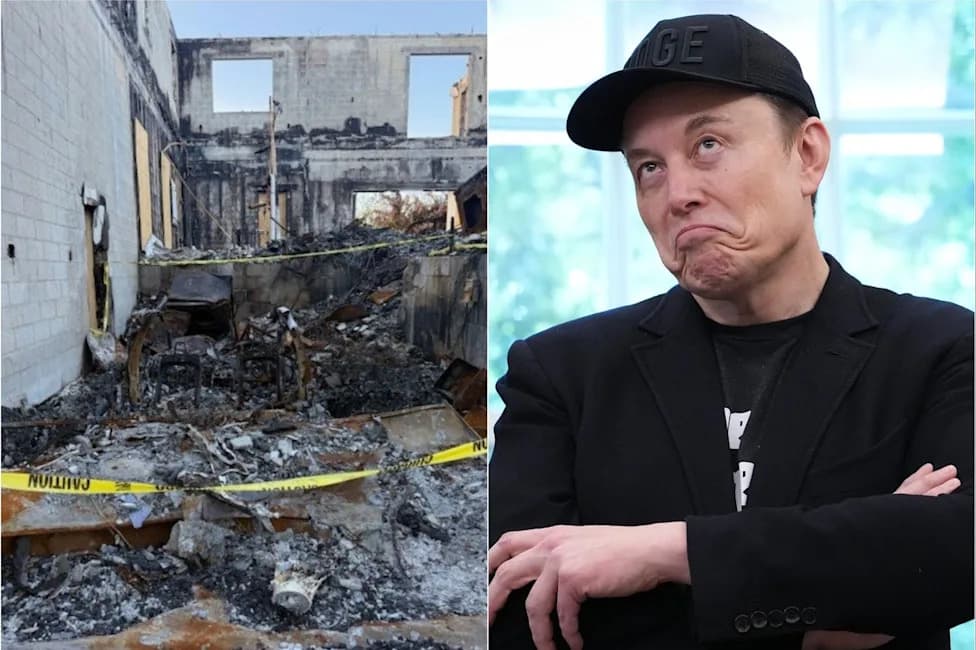
Fardowsa Ali owns a cafe in the same building as a Somali-run day care in Minneapolis accused, with little evidence, of fraud. - CNN
At Albi Kitchen in Minneapolis, owner Fardowsa Ali says the steady stream of customers who once came for Somali sambusas and sweets has largely vanished, replaced by threatening phone calls and anxiety.
"It's really sad," Ali said. She opened the café last summer. "I called police because one guy called here and said he was going to come here and break everything."
The harassment and decline in business began after conservative content creator Nick Shirley posted a video accusing several Minneapolis-area day care centers in the Somali community of committing fraud. One of the centers Shirley mentioned is in the same building as Ali's café, she said.
Threats, Vandalism and Disrupted Daily Life
Since the video circulated, Somali business owners, employees and families in Minnesota report receiving threats, online harassment and in-person intimidation. A day care facility was vandalized, many parents say they are now afraid to send their children to school, and once-busy Somali restaurants and coffee shops were nearly empty as people stayed away out of fear.
"This climate of fear is disrupting livelihoods, separating families, and undermining the sense of safety and belonging for an entire community," said Jaylani Hussein, executive director of the Minnesota chapter of the Council on American-Islamic Relations (CAIR).
Investigations and Official Response
The Minnesota Department of Children, Youth, and Families said investigators visited the child-care centers named in the allegations and found they were operating as expected, except for one location that "was not yet open for families." Authorities have long investigated various fraud schemes in the state, and some prosecutions — including the Feeding Our Future case tied to false claims about feeding needy children during the COVID-19 pandemic — have resulted in federal charges and guilty pleas.
Community organizers and advocates emphasize that while individuals who commit fraud should be held accountable, painting an entire community with one brush is harmful and discriminatory. "If someone commits fraud, they should be held accountable, period," said Khalid Omar of ISAIAH, which advocates for racial and economic justice in Minnesota. "But to frame a whole community, it’s wrong, and it’s un-American."
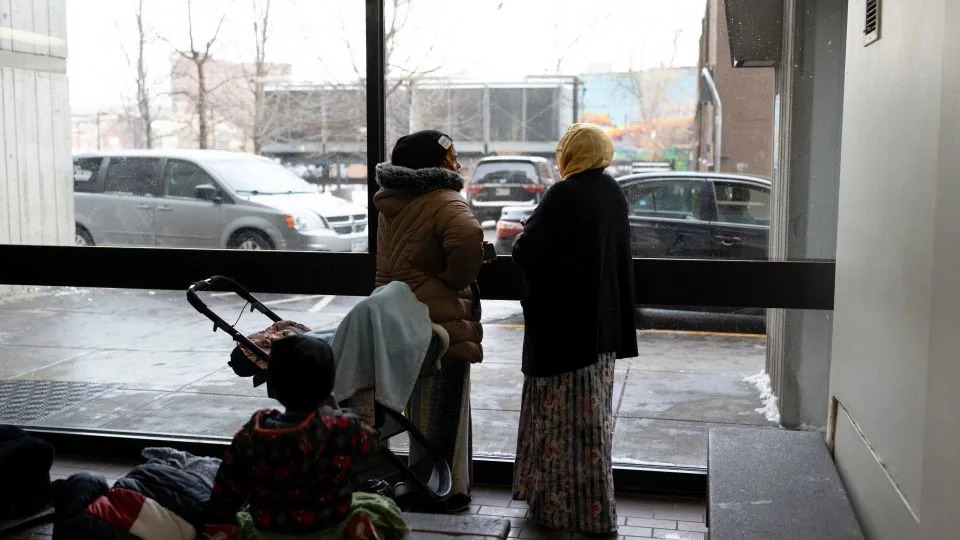
Somali residents look out of the lobby of the Riverside Plaza, an apartment complex popular among Somali-Americans, in Minneapolis amid reports of a planned federal operation targeting Somali immigrants on December 2, 2025. - Tim Evans/Reuters
Local Impact and Broader Context
Minneapolis–St. Paul is home to about 84,000 people of Somali descent — the largest Somali population in the United States — and roughly 58% of Somalis in Minnesota were born in the U.S., according to Census Bureau data. Many Somali families settled in Minnesota beginning in the 1990s after the collapse of Somalia’s government and the outbreak of violent conflict; early immigrants were often drawn to local jobs, including positions in meatpacking plants.
Business owners such as Ali and child-care providers like consultant Kassim Busuri say the barrage of calls and media attention is an unwelcome distraction from their work. Busuri told reporters his center has received numerous calls asking about enrollment and hours, but many callers do not sound like genuine parents and instead create stress for staff and families.
Edward Ahmed Mitchell, national deputy director of CAIR, called the attacks on the Somali community "pure racism," saying that condemning an entire population for the alleged crimes of a few would not be tolerated against other groups.
Community Leaders Call For Accountability Without Stigmatization
Leaders and advocates are urging authorities to investigate specific allegations thoroughly while urging the public and media to avoid amplifying unfounded claims that lead to harassment and collective punishment. They say the immediate effects are real: families living in fear, small businesses suffering, and trust in public institutions eroding.
"Most Somali residents in the Twin Cities are hardworking families, small-business owners, healthcare workers, students, and taxpayers who contribute every day to Minnesota’s economy and civic life," Hussein said. "When an entire community is stigmatized, the impact is immediate and profound."
Reporting contributed by CNN's Whitney Wild and Rob Kuznia.
Help us improve.