
What’s changing: In 2026 SNAP will see three major shifts: (1) USDA-approved state waivers may block purchases of sugary drinks, candy and other nonnutritious items in participating states; (2) the One Big Beautiful Bill expands work or training requirements to people up to age 64 at 80 hours per month; and (3) states will assume a larger share of SNAP administrative costs (about 75%), starting Oct. 2026. Rollout dates vary by state, with some waivers potentially effective as early as Jan. 1, 2026.
How SNAP Will Change in 2026: What Recipients and States Need to Know

Daniel Acker/Bloomberg via Getty"SNAP/EBT Food Stamp Benefits Accepted" is displayed on a screen inside a Family Dollar Stores Inc. store in Chicago on March 3, 2020.
The Supplemental Nutrition Assistance Program (SNAP), commonly known as "food stamps," is poised for several significant changes in 2026 that will affect nearly 42 million Americans who rely on the benefit to buy groceries.
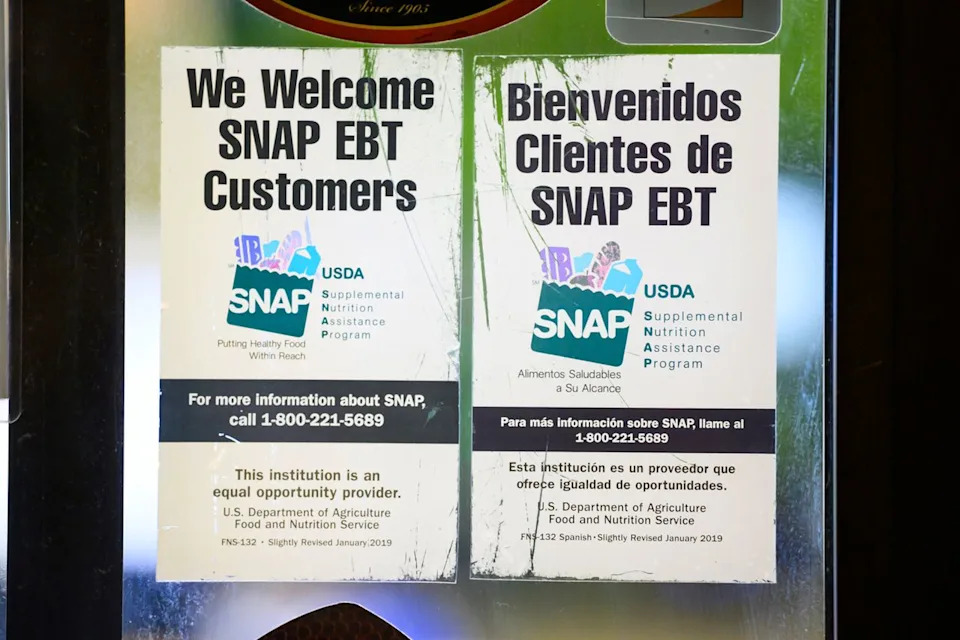
Pete Kiehart/Bloomberg via GettyA SNAP and EBT sign displayed outside a convenience store on Nov. 4, 2025, in Washington, D.C.
Administered nationally by the U.S. Department of Agriculture (USDA) Food and Nutrition Service, SNAP distributes electronic benefits to states, which in turn issue benefits to eligible residents. Recent federal budget and farm bill negotiations — intensified after a government funding impasse in October 2025 — have accelerated policy changes that reshape program rules, allowable purchases and state responsibilities.
GettyA shopping cart by a store shelf in a supermarket.
New State Waivers Restrict Some Purchases
On Dec. 10, USDA Secretary Brooke L. Rollins announced approval of six additional state waivers (bringing the total approved to 12) that allow participating states to restrict purchases of certain non-nutritious items with SNAP benefits. Under these waivers, states may block purchases such as sugary beverages, candy, energy drinks and other highly processed products. States announcing approvals or plans so far include Idaho, Utah, Indiana, Iowa, Arkansas, Florida, Oklahoma, Texas and others — each setting its own list of restricted items and implementation timeline.
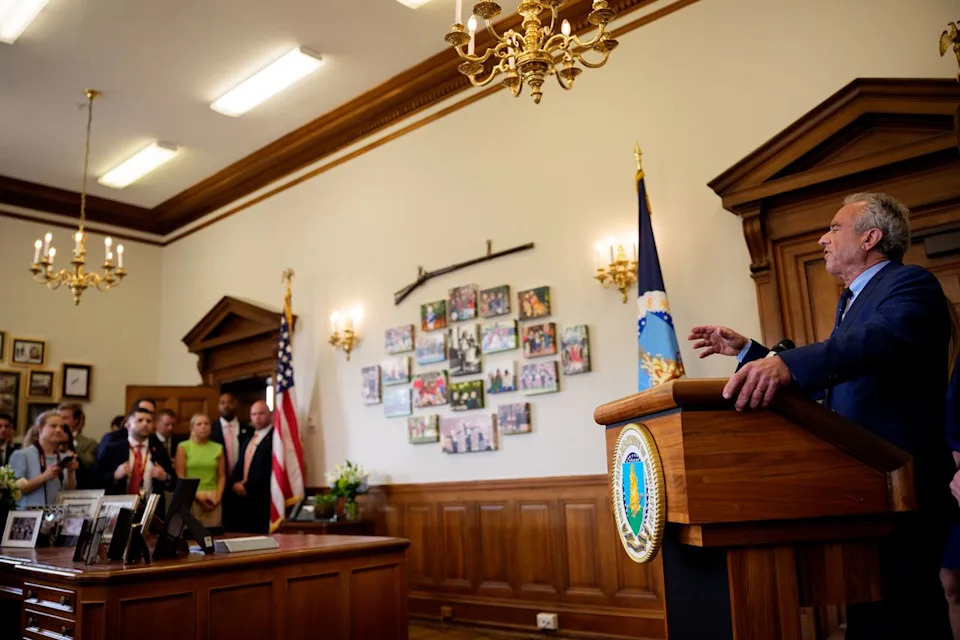
Andrew Harnik/GettyRobert F. Kennedy Jr. speaks after U.S. Agriculture Secretary Brooke Rollins signs three new SNAP food choice waivers for the states of Idaho, Utah, and Arkansas on June 10, 2025, in Washington, D.C.
"We are restoring SNAP to its true purpose — nutrition," the USDA statement quoted President Donald Trump as saying. Secretary Rollins called the waivers a "bold, historic" step toward addressing chronic disease. HHS Secretary Robert F. Kennedy Jr. framed the change as both a public-health and fiscal effort, saying the government should not subsidize foods that contribute to illness.
Expanded Work Requirements
The One Big Beautiful Bill, signed into law in July 2025, revises SNAP work rules. The law expands mandatory work or training participation up to age 64 and sets a new baseline of 80 hours per month for those subject to the requirement. It also narrows several previous exemptions, meaning more recipients may need to meet work or training obligations to remain eligible. The USDA has stated these work requirements will begin in March 2026.
Michael M. Santiago/GettyAn EBT sign is displayed on the window of a grocery store on Oct. 30, 2025, in New York City.
Greater Administrative Costs Borne by States
Another major change shifts a larger share of SNAP administrative costs to the states. Under the new rules, states will be responsible for roughly 75% of administrative expenses — up from about half in prior years. Administrative costs include staffing, eligibility processing, outreach and information-technology systems. The cost-share change is scheduled to take effect in October 2026, at the start of fiscal year 2027.
Rollout Timeline and What To Expect
Officials say the various changes will be phased in across 2026. Work requirements are slated for March 2026, administrative cost changes begin in October 2026, and waiver-based purchase restrictions will take effect on state-specific schedules during the year. Some states — including Indiana, West Virginia, Utah, Nebraska and Iowa — have indicated they may implement waiver restrictions as early as Jan. 1, 2026.
For SNAP recipients, these changes could mean new limits on what can be purchased with benefits, new documentation or participation requirements, and potential impacts on state program operations. For states, the changes mean updating systems, communicating new rules to beneficiaries, and absorbing a larger share of administrative costs.
If you receive SNAP benefits, check your state’s SNAP office or the USDA website for updated eligibility guidance, timelines and lists of restricted items in your state.


