Lawmakers from both parties are pushing renewed enforcement of the Robinson-Patman Act, a 1936 antitrust law, raising the prospect of limits on volume-based wholesale discounts. Sen. Chuck Grassley circulated a letter urging federal probes of supplier practices, and Sen. Cory Booker introduced the Fair Competition for Small Business Act of 2025 to expand enforcement tools for state attorneys general. Critics note the RPA already allows cost- and volume-based price differences and warn that stricter enforcement could raise grocery prices for consumers.
Bipartisan Push To Revive A 1936 Antitrust Law Could Raise Grocery Prices

A Bipartisan Push to Revive a 1930s Law Could Make Grocery Prices Even Higher
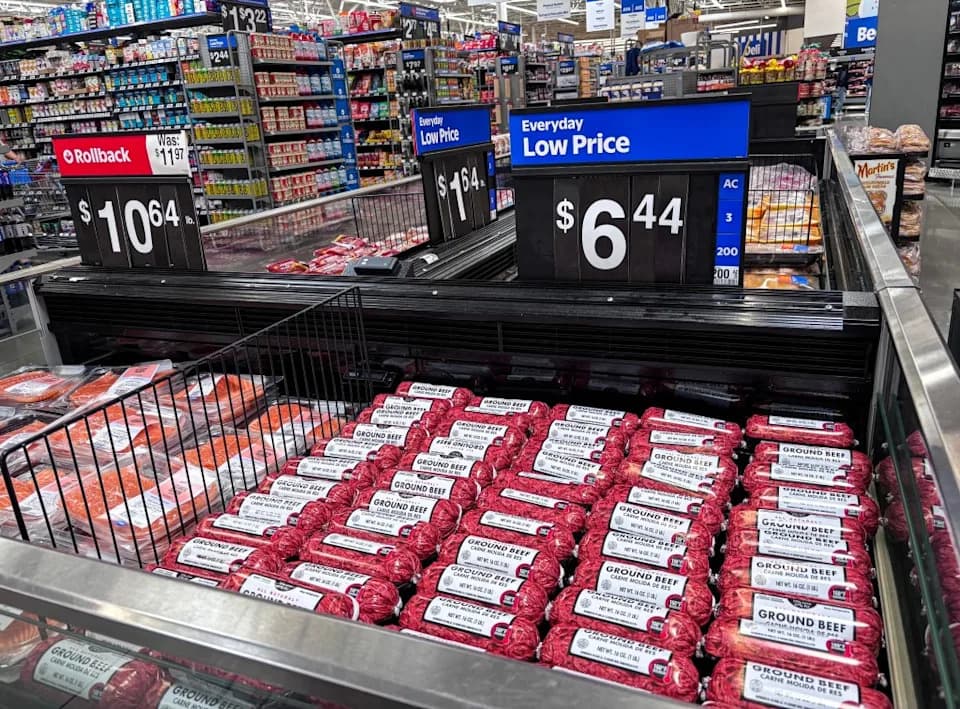
Grocery bills are climbing across the United States, and many shoppers have offset some of those increases by buying in bulk at warehouse clubs like Costco, Sam's Club, and BJ's Wholesale Club. A bipartisan group of lawmakers is now pressing for renewed enforcement of a nearly 90-year-old antitrust statute—the Robinson-Patman Act—which could limit volume-based wholesale discounts that help lower retail prices.
What Lawmakers Are Asking
In the weeks before Congress' winter recess, Sen. Chuck Grassley (R–Iowa) circulated a letter among Senate Republicans asking the U.S. Attorney General and the Federal Trade Commission chair to probe supplier and distributor practices that he says disadvantage small, independent grocers. Reason obtained a copy of the letter, which urges officials "to utilize all federal laws…to bring enforcement actions against any discriminatory conduct that you may discover in violation of…the Robinson-Patman Act."
What the Robinson-Patman Act Does
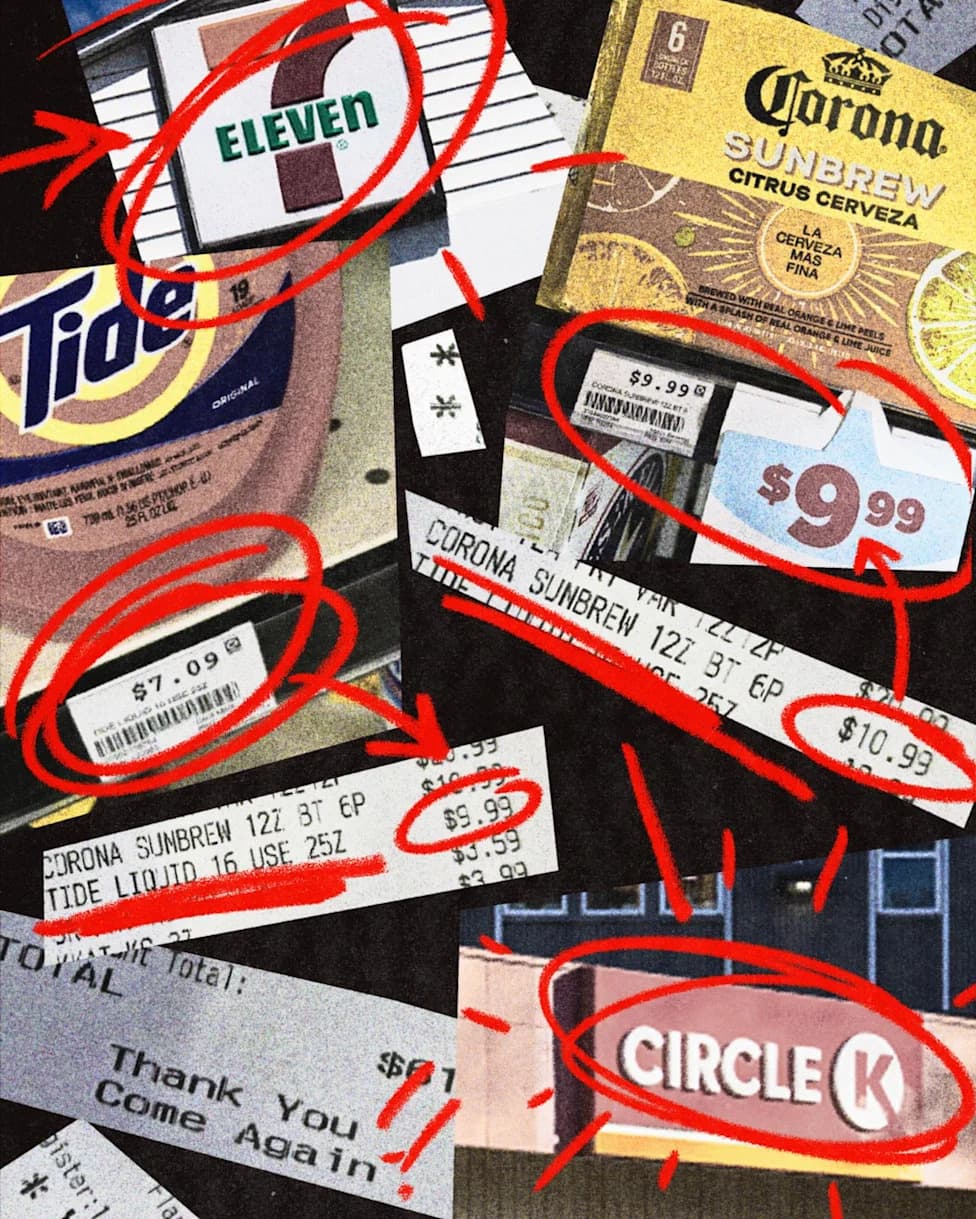
Enacted in 1936, the Robinson-Patman Act (RPA) prohibits certain price discrimination "in price between different purchasers of commodities of like grade and quality…where the effect of such discrimination may…tend to create a monopoly in any line of commerce." While the statute saw robust enforcement in the mid-20th century, federal RPA litigation has been rare in recent decades.
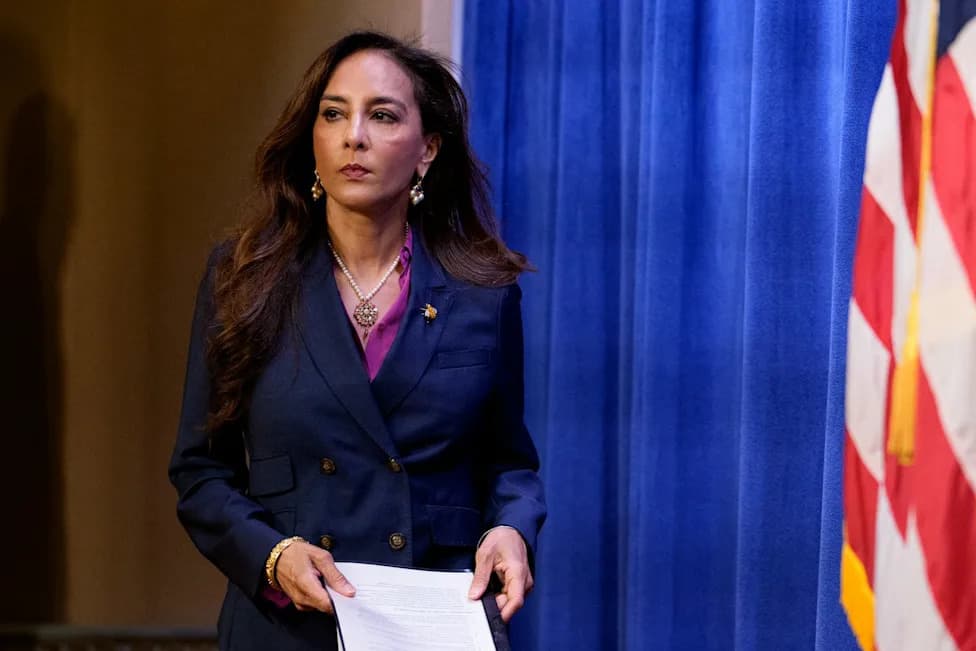
Notable recent action: Under FTC Chair Lina Khan, the agency brought an RPA-related action in December 2024 against Southern Glazer's Wine and Spirits for allegedly offering lower per-unit prices to larger retailers. Then-FTC Commissioner Melissa Holyoak dissented from that complaint, arguing it "elevat[ed] the interests of competitors over competition" and conflicted with the statute's plain text.
Key Legal Limits And Economic Questions
Critics of renewed RPA enforcement point out that the law itself allows price differences that reflect "differences in the cost of manufacture, sale, or delivery resulting from the differing methods or quantities in which such commodities are to such purchasers sold or delivered." In short, volume discounts or price breaks tied to lower per-unit costs can be lawful under the statute.
Sen. Grassley warns that limited competition is forcing independent grocers "to accept increasingly discriminatory terms and conditions for their products, including less favorable…price terms," and he notes the grocery sector's high turnover and low margins. However, those features are commonly associated with intense competition rather than monopoly power: large retailers and online sellers frequently compete on price by securing bulk discounts from suppliers and passing savings to customers.
Pending Legislation
Concern over wholesale pricing has also prompted legislative proposals. On December 18, Sen. Cory Booker (D–N.J.) introduced the Fair Competition for Small Business Act of 2025, which would amend the RPA to permit state attorneys general to seek monetary damages from distributors and retailers that engage in unlawful price discrimination. Rep. Maxine Waters (D–Calif.) filed companion legislation in the House.
Why It Matters
Volume-based wholesale discounts are a key mechanism through which large retailers reduce consumer prices. Renewed enforcement of the RPA or changes that limit such discounts could reduce those savings, potentially raising grocery costs for millions of shoppers—especially those who depend on low prices from large chains and warehouse clubs.
Bottom line: While the goal of protecting small businesses is politically resonant, policymakers should weigh carefully whether stricter RPA enforcement or statutory changes would help independent retailers without unintentionally increasing prices for consumers.
Help us improve.