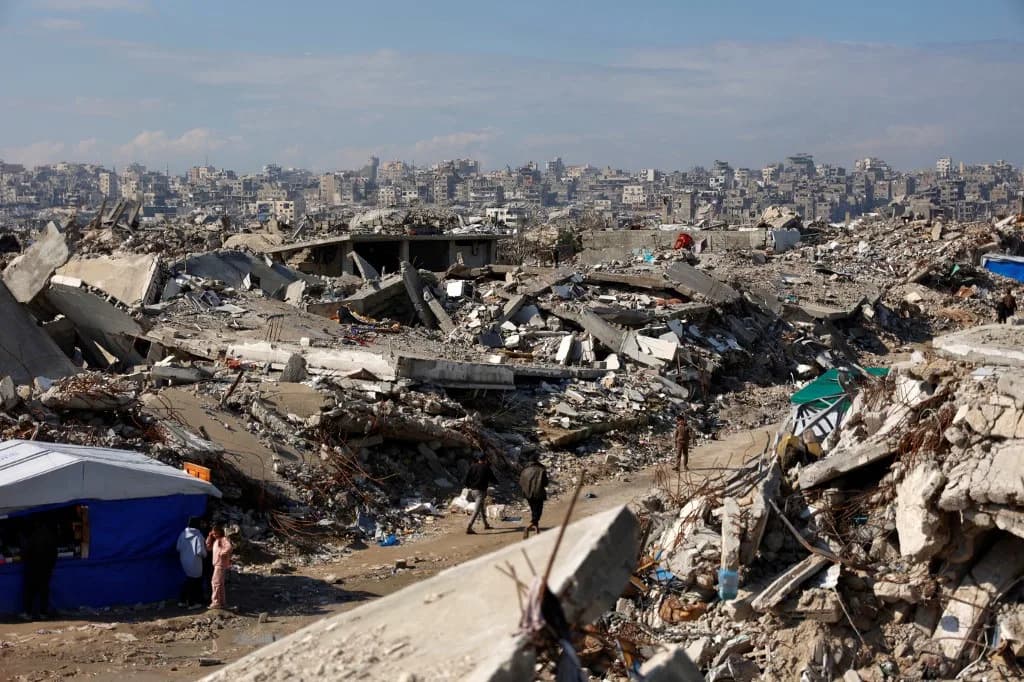
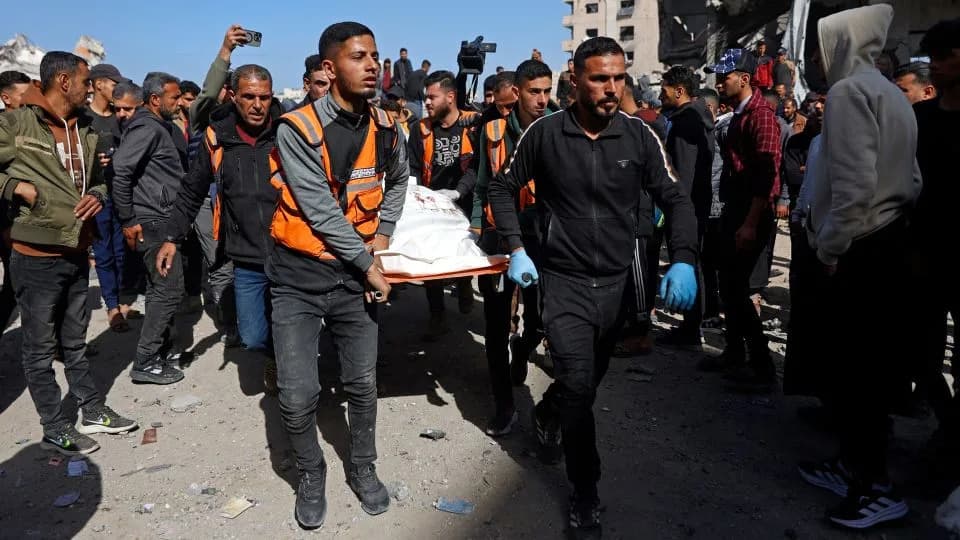
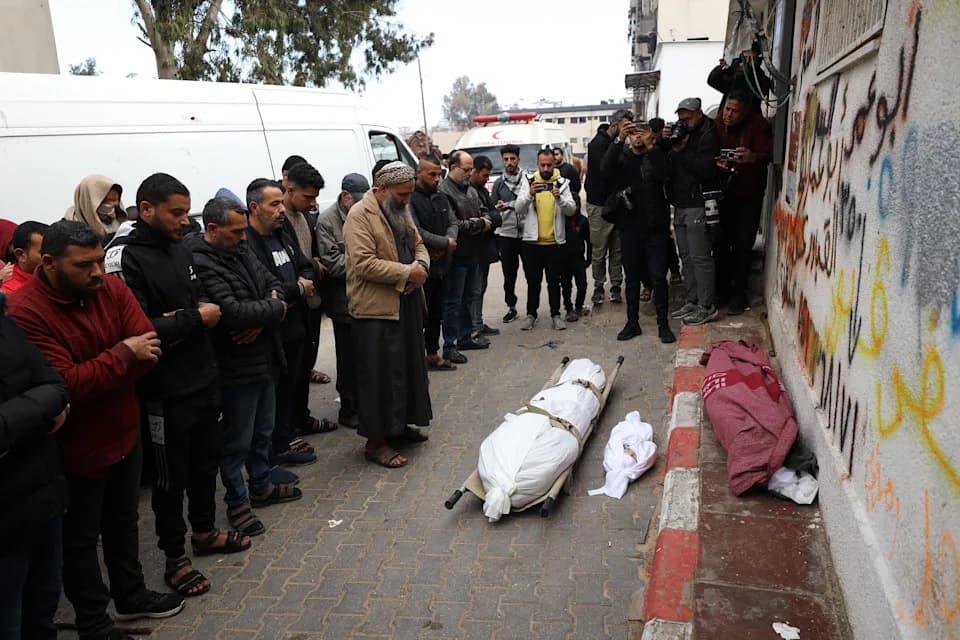
Israeli forces killed at least two Palestinians in Gaza City as authorities report continued breaches of the October 10 ceasefire. Gaza officials say 12 people died in the past 24 hours and allege 875 truce violations, including attacks and troop shootings. Humanitarian access remains far below the agreed levels — only 17,819 of 43,800 trucks have entered — while winter storms and shortages of medical supplies worsen conditions. The UN has urged lifting restrictions on aid, particularly shelter materials, to protect displaced families.
Israeli Forces Kill Two in Gaza City Amid Reported Ceasefire Breaches and Aid Shortfalls

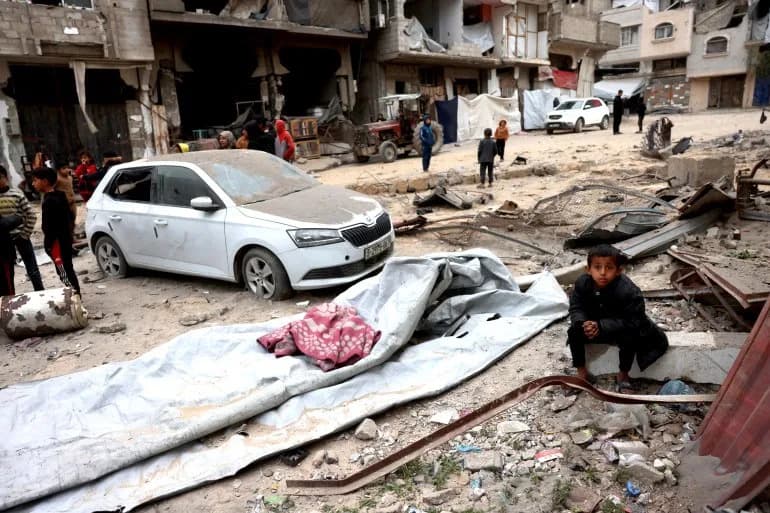
Palestinians struggle with flooding after heavy rain hits the Bureij refugee camp in Gaza City [File: Moiz Salhi/Anadolu]
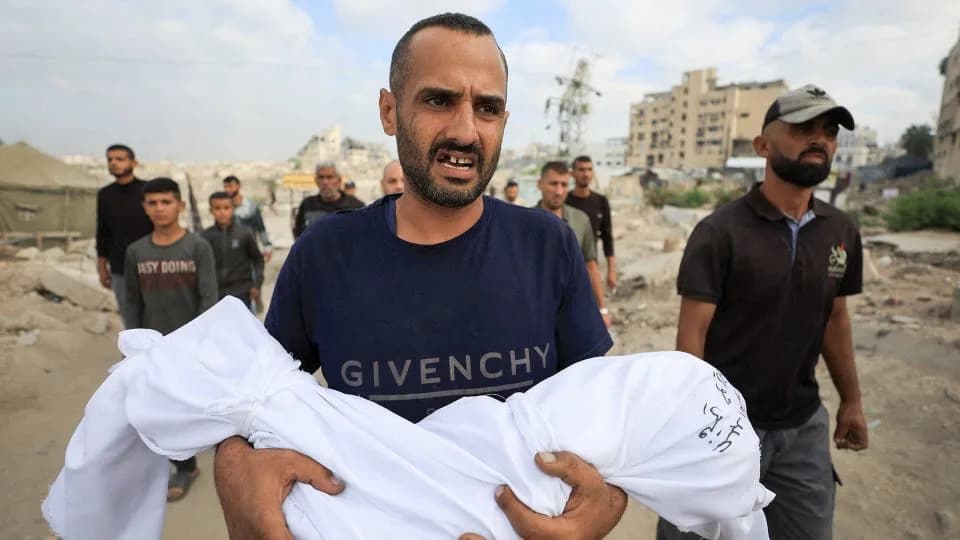
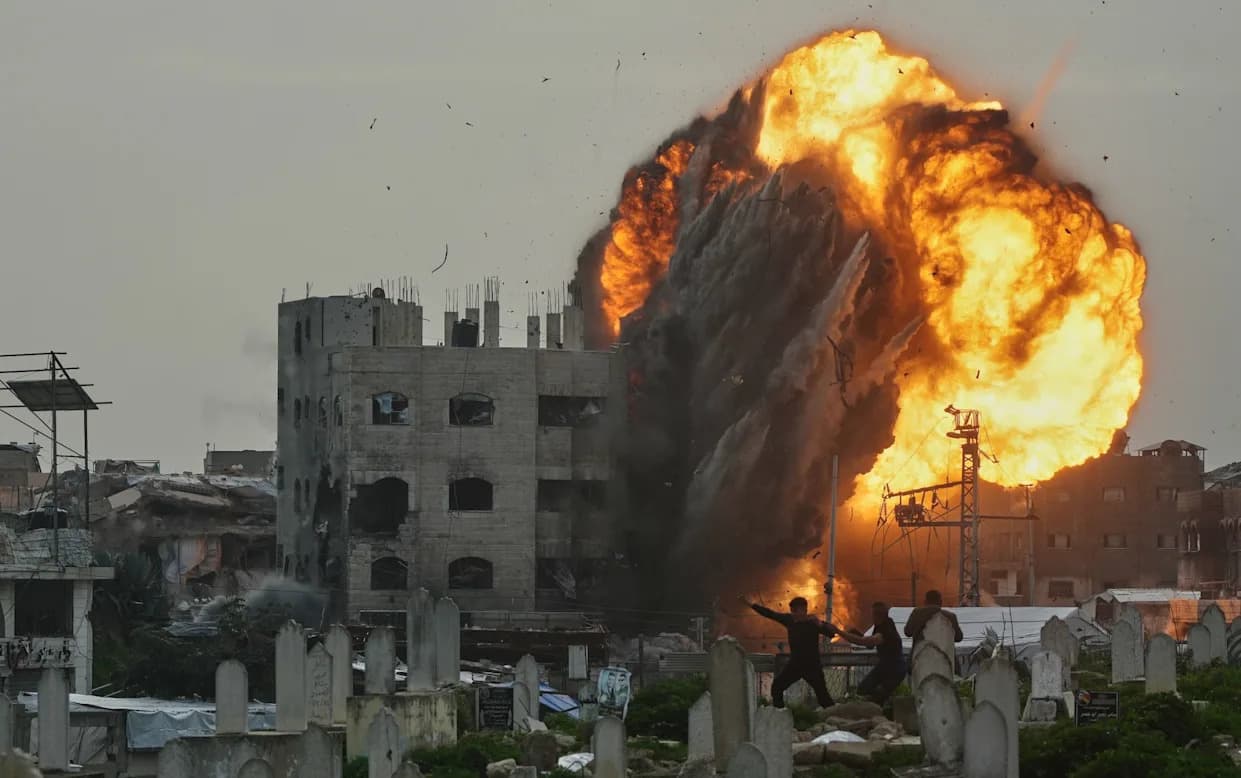
Israeli forces shot and killed at least two Palestinians in the Shujayea neighbourhood of eastern Gaza City, Gaza authorities and local news agencies reported on Monday. Officials say these deaths bring the number of Palestinians reported killed across the territory over the past 24 hours to at least 12, including eight bodies recovered from rubble.
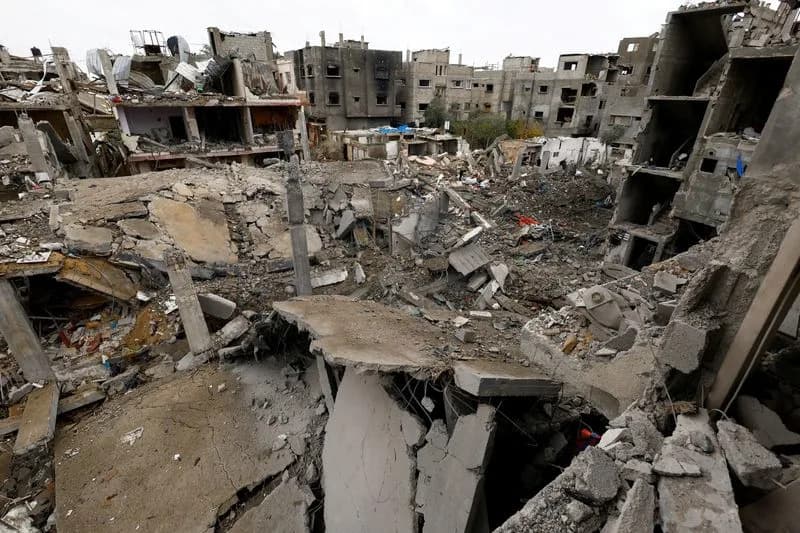
The Gaza Government Media Office described the Gaza City incident as the latest in what it calls hundreds of violations of the United States-brokered ceasefire that came into effect on October 10. The office said Israel has breached the truce 875 times, citing incidents that include air and artillery strikes, demolitions of homes and infrastructure, and at least 265 reported instances of troops firing on civilians.
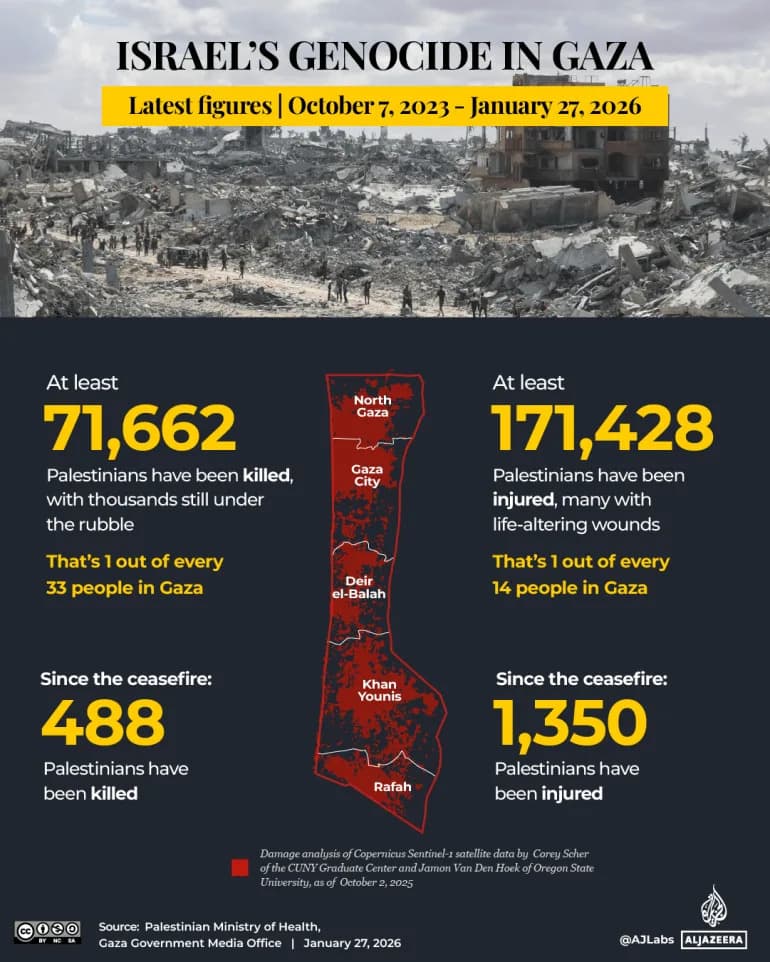
Gaza authorities reported that since the ceasefire began, at least 411 Palestinians have been killed and 1,112 wounded in attacks on the territory. Palestinian health officials and other local bodies have also released larger casualty figures for the broader conflict since October 2023.
Humanitarian Access and Winter Impact
Humanitarian needs in Gaza remain acute. The Gaza Government Media Office says only 17,819 trucks have entered the territory out of the 43,800 that were supposed to be allowed in since the ceasefire — an average of about 244 trucks per day, well below the 600 trucks per day that Israel had committed to under the agreement.
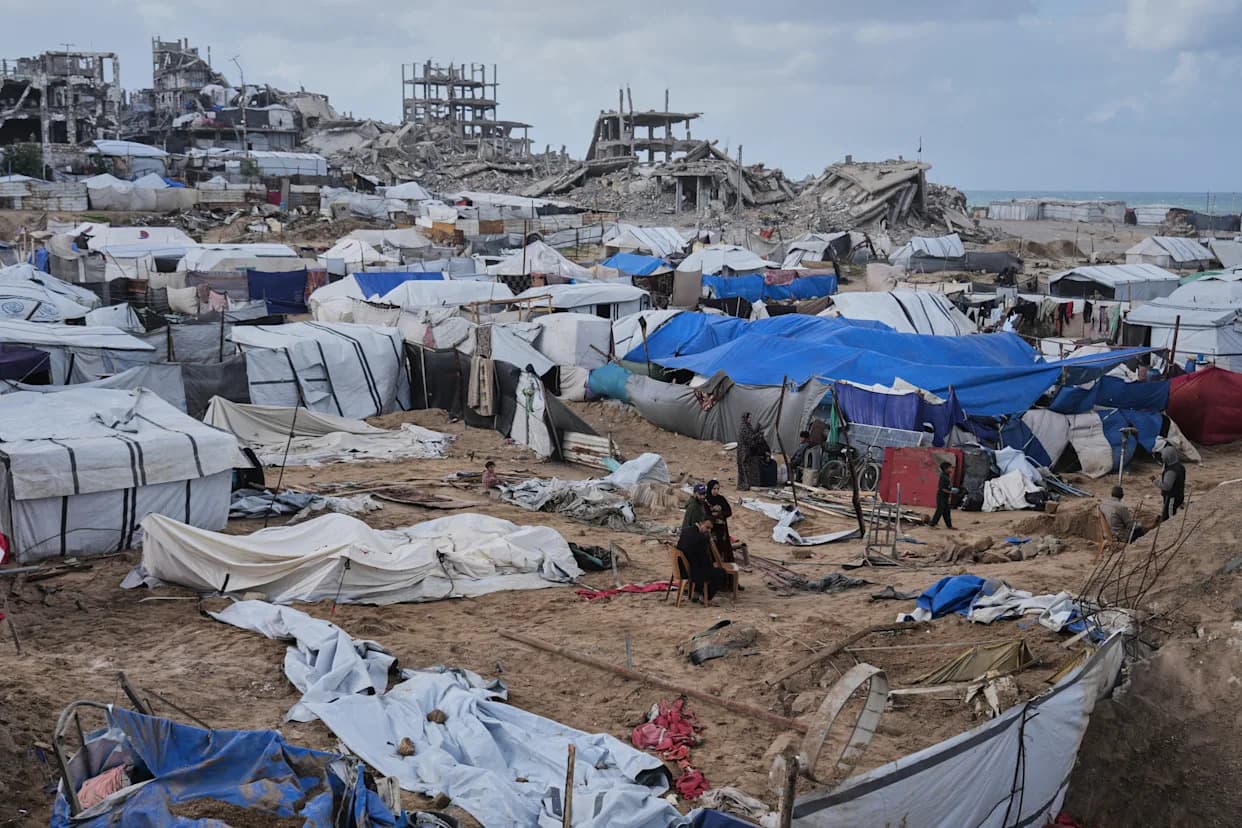
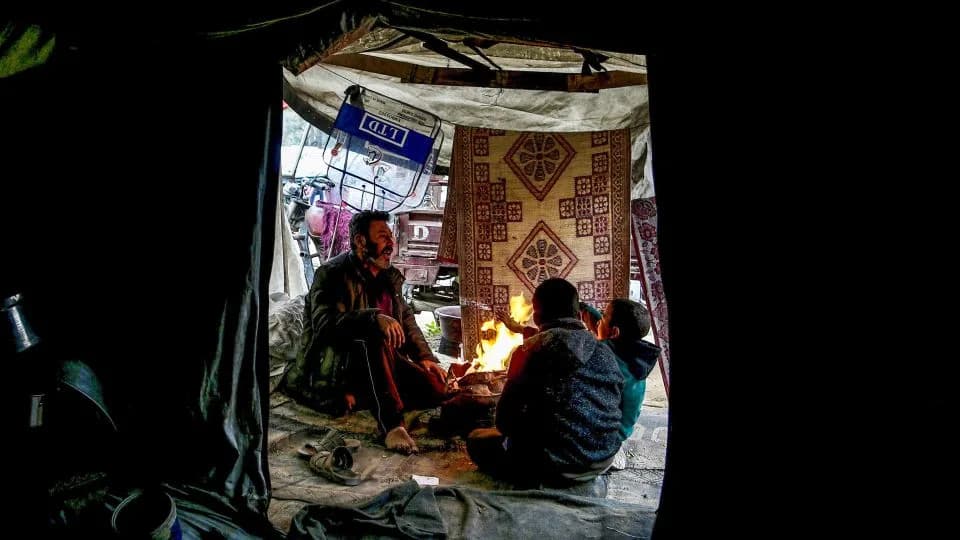
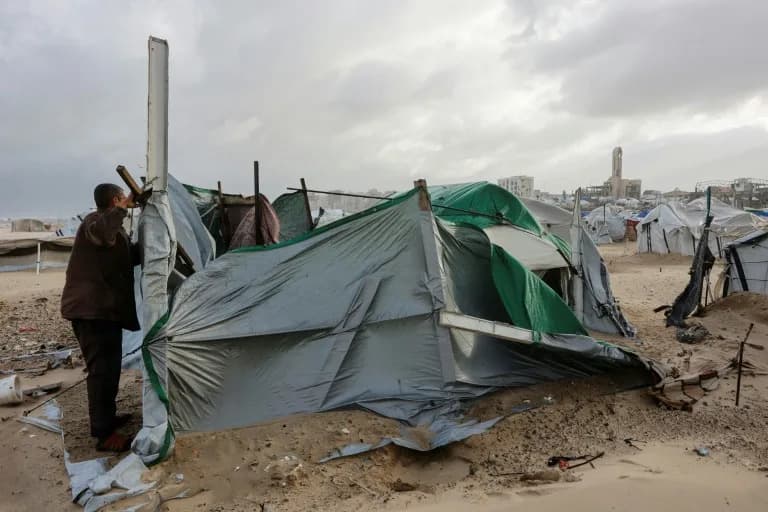
Winter storms in recent weeks have compounded the crisis, affecting hundreds of thousands of displaced families who lack adequate food, medicine and shelter. Rights groups and Gaza officials have accused Israel of restricting deliveries of tents, blankets and other emergency supplies; the United Nations and humanitarian organisations have called for unrestricted access for relief consignments.
“Over the past 24 hours, and despite the ceasefire, we have continued to receive reports of air strikes, shelling and gunfire in all five governorates of Gaza. This has resulted in reported casualties and disruptions to humanitarian operations,”
Dujarric said UN partners are working to address urgent shelter needs, aiming to improve access to dignified shelter for roughly 1.3 million people. He noted that about 3,500 families affected by recent storms are living in flood-prone areas. The UN has delivered tents, bedding sets, mattresses, blankets and winter clothing for children, but officials warn needs remain overwhelming.
Healthcare and Infrastructure Damage
Gaza’s Ministry of Health has warned that shortages of medicines and medical supplies are hampering patient care. Authorities say nearly all hospitals and health facilities in Gaza were struck during years of conflict, with damage reported to at least 125 facilities, including 34 hospitals.
Palestinian authorities have also published broader casualty figures for the wider conflict since October 2023. These numbers are contested and vary between sources; international organisations and independent monitors have urged transparent verification and protection for civilians.
This developing situation is being followed closely by humanitarian agencies and diplomatic actors calling for immediate measures to secure civilian safety and guarantee unimpeded delivery of essential aid.
Help us improve.