Qatar's prime minister warned that repeated Israeli breaches of the Gaza ceasefire risk collapsing the entire agreement and urged immediate progress to its second phase. He called for unconditional humanitarian access after meetings in Washington during the US–Qatar Strategic Dialogue. Since 10 October, Al Jazeera recorded at least 738 alleged violations with hundreds of Palestinian casualties. Tensions rose after the killing of senior Hamas commander Raed Saad, while winter storms and restricted aid have sharply worsened Gaza's humanitarian crisis.
Qatar Warns Ceasefire Breaches Threaten Entire Gaza Truce

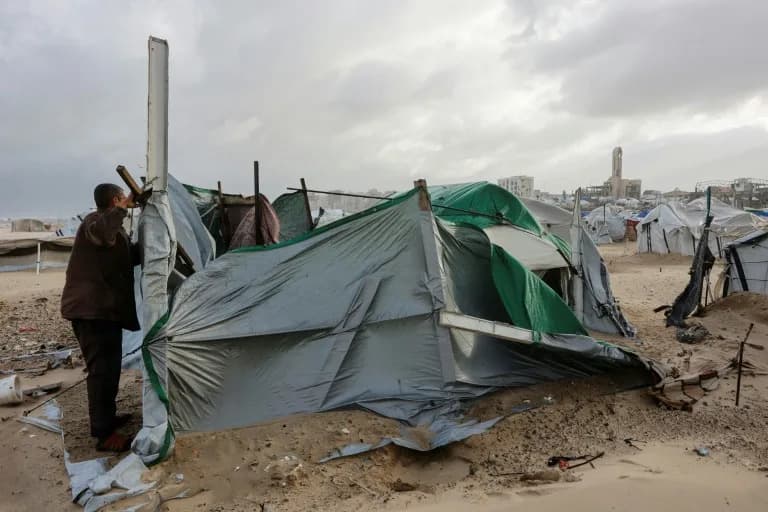
Israel has prevented adequate levels of aid from entering Gaza [Yousef Al Zanoun/AP Photos]
Qatar's prime minister has warned that repeated Israeli breaches of the Gaza ceasefire are jeopardising the entire agreement and urged swift progress to the pact's second phase while demanding unconditional delivery of humanitarian aid to the enclave.
Sheikh Mohammed bin Abdulrahman bin Jassim Al Thani made the appeal after meetings in Washington during the seventh US–Qatar Strategic Dialogue, where he met US officials and lawmakers, including Senator Marco Rubio. He said delays and ongoing violations are placing mediators in a difficult position and risk unraveling the truce.
Ceasefire Violations and Political Fallout
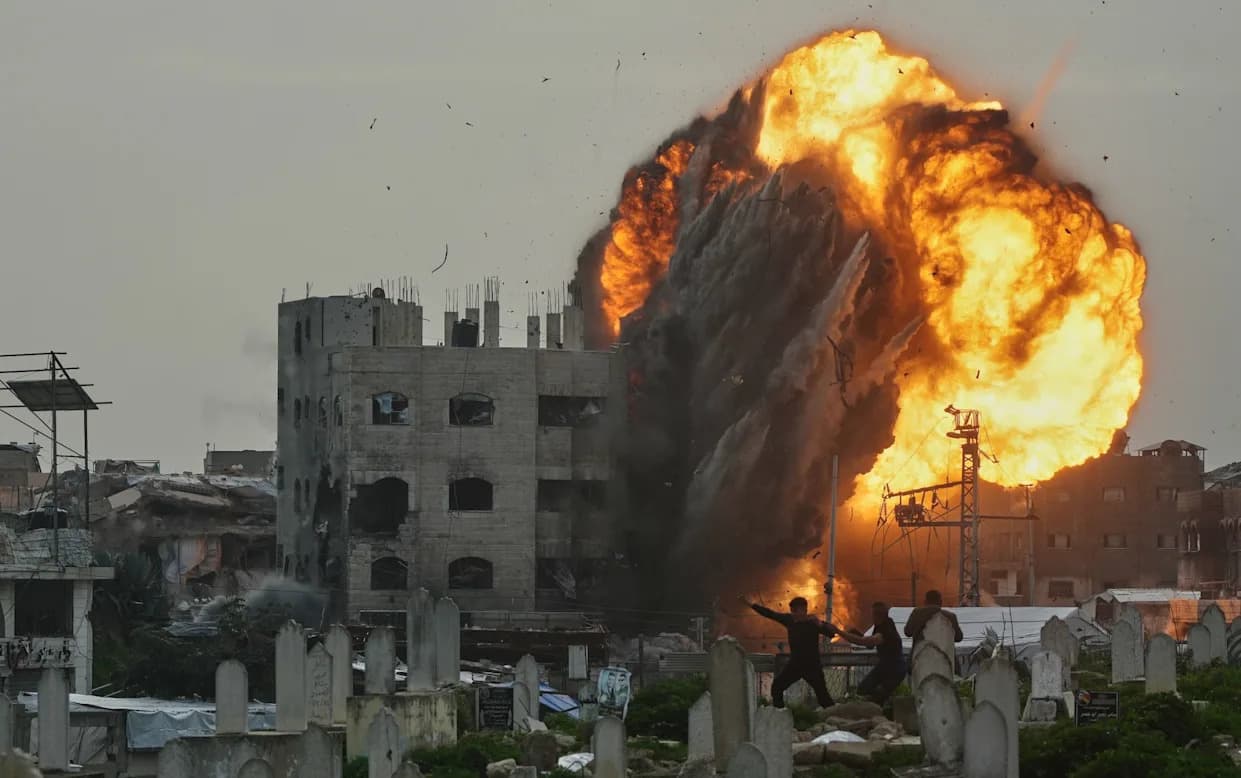
Since the ceasefire came into effect on 10 October, Al Jazeera's tracking recorded at least 738 alleged violations, with reports of at least 394 Palestinians killed and more than 1,075 wounded. Qatar — a key mediator in negotiations — described the situation as critical and pressed for immediate movement to the second phase of the agreement.
'Delays and ceasefire violations endanger the entire process and place mediators in a difficult position,' the Qatari prime minister said.
Talks in Washington focused on three central issues: stopping ceasefire breaches, forming an international stabilization force (ISF) to help secure Gaza, and dramatically increasing humanitarian access. The proposed ISF is expected to include troops from countries such as Indonesia and Turkey, though Israel has resisted Turkish participation.
Assassination of Raed Saad and US Reaction
The truce was further strained after Israel carried out a strike that killed senior Hamas commander Raed Saad in Gaza City. US officials said the White House was 'looking into' whether the strike breached the truce; Axios reported that US officials privately issued a stern rebuke to Israeli leadership over the incident.
Humanitarian Crisis Worsens
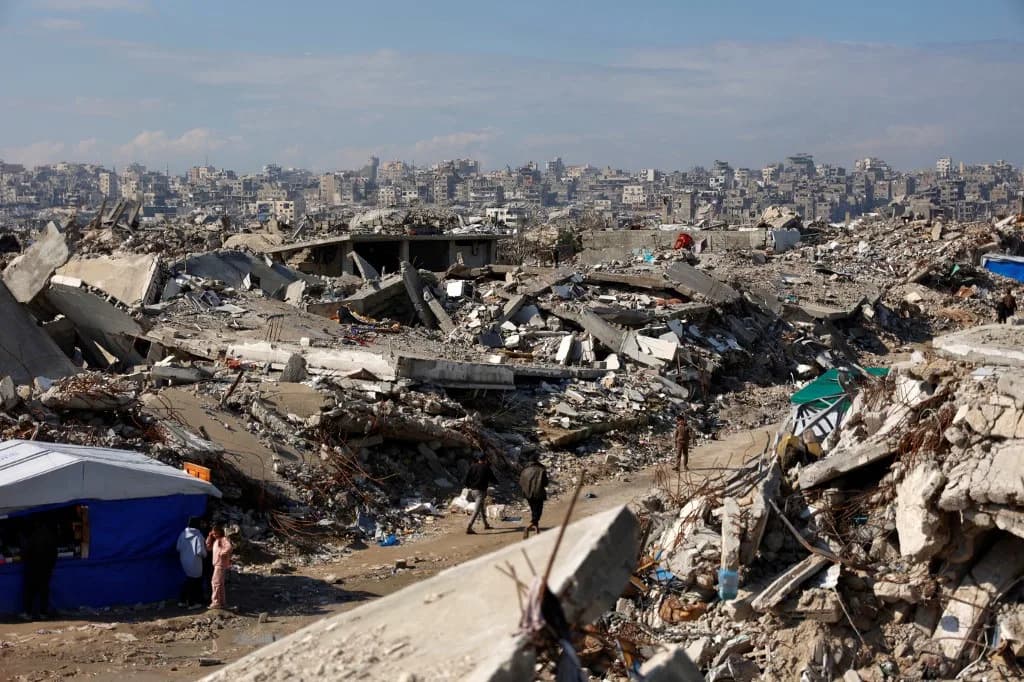
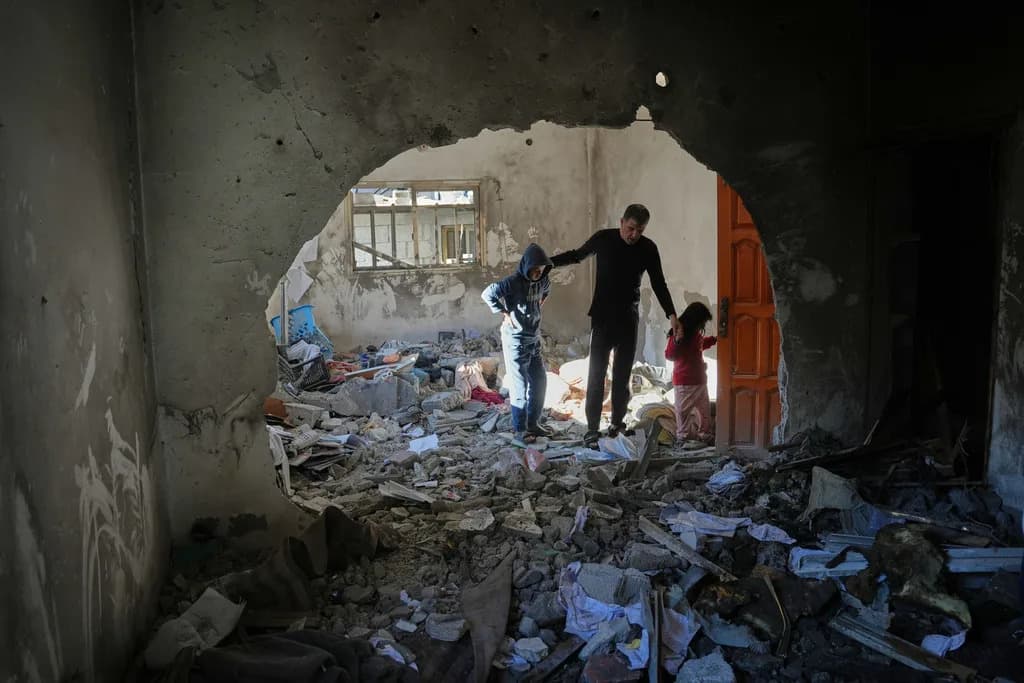
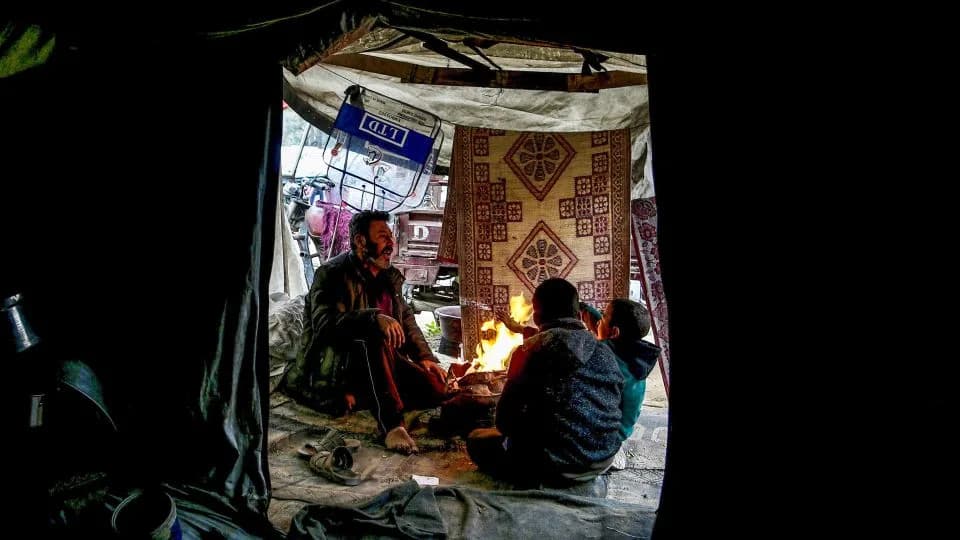
Humanitarian conditions in Gaza have deteriorated sharply as winter storms battered the territory. Hundreds of thousands of people remain in makeshift shelters or damaged buildings, and critical supplies — including mobile homes, tents and blankets — have been delayed or blocked.
Aid delivery remains severely limited: the territory's Government Media Office reports that only 39% of allocated trucks reached their intended destinations. Officials and aid groups say nutritious food and essential winter supplies have been restricted while non-essential items have sometimes been allowed in.
Hospitals reported that a 29-day-old premature infant, Said Asad Abedin, died from severe hypothermia in al-Mawasi, Khan Younis, increasing the storm-related death toll to 13. A two-week-old infant, Mohammed Khalil Abu al-Khair, also died earlier in the week after severe hypothermia. The United Nations estimates roughly 30,000 children have had their shelters damaged by storms.
Positions From The Parties
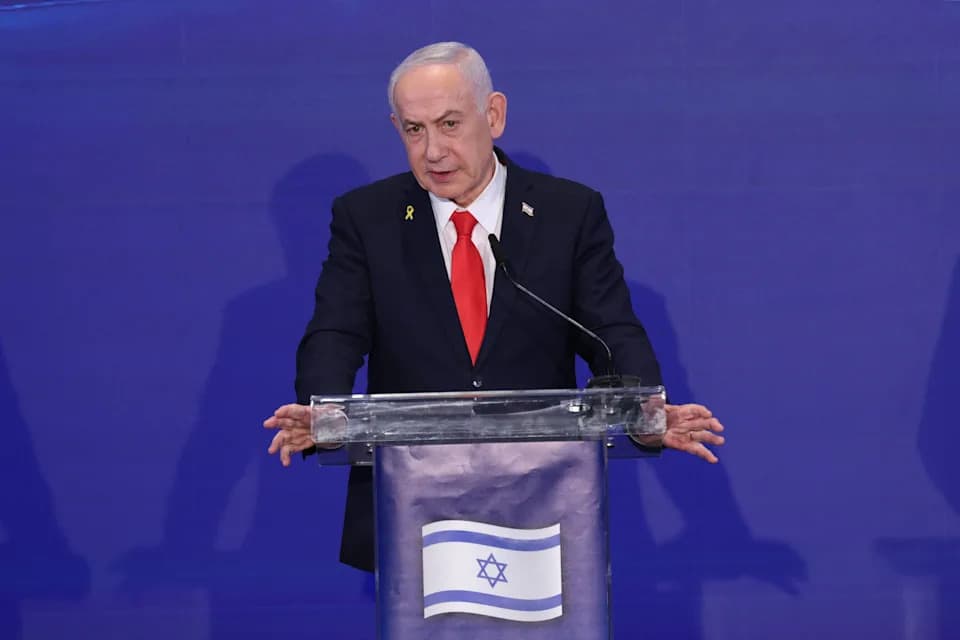
Hamas's Gaza chief Khalil al-Hayya warned that continued violations 'threaten the viability of the agreement' and urged international pressure to compel Israel to meet its commitments. Prime Minister Benjamin Netanyahu defended operations that targeted militants, saying they were in response to attempts to rearm and that Israel was working to complete the first-phase commitments, including returning the remains of captives.
The second phase of the US‑backed ceasefire envisions Hamas disarming, an Israeli withdrawal from certain areas, and deployment of an international stabilisation force — elements that diplomats say are more complex and contentious than the initial prisoner and captive exchanges.
Sources cited in this report include Al Jazeera's tracking of violations, the UN, Gaza health/hospital reports, the territory's Government Media Office, and media reporting such as Axios. Some statements in initial accounts included charged language; where possible, this version attributes statements or descriptions to their speakers or to the organisations reporting the figures.
Help us improve.