Quick take: President Trump has proposed acquiring Greenland — by purchase, by encouraging secession, or, he warned, by harder means — framing the move as a national security necessity. Denmark rejects selling the territory, and NATO ties plus existing bilateral agreements already allow the U.S. to expand its military footprint if required. Critics call the effort a vanity or expansionist project; European leaders are treating the proposal as a serious diplomatic concern. Meanwhile, New York City’s $9 congestion toll is noted as a domestic policy success.
Trump’s Greenland Push: Buy, Split, Or Militarize — What It Means

Painted houses and residential apartment blocks in Nuuk, Greenland, on November 3, 2025. | Juliette Pavy/Bloomberg via Getty Images
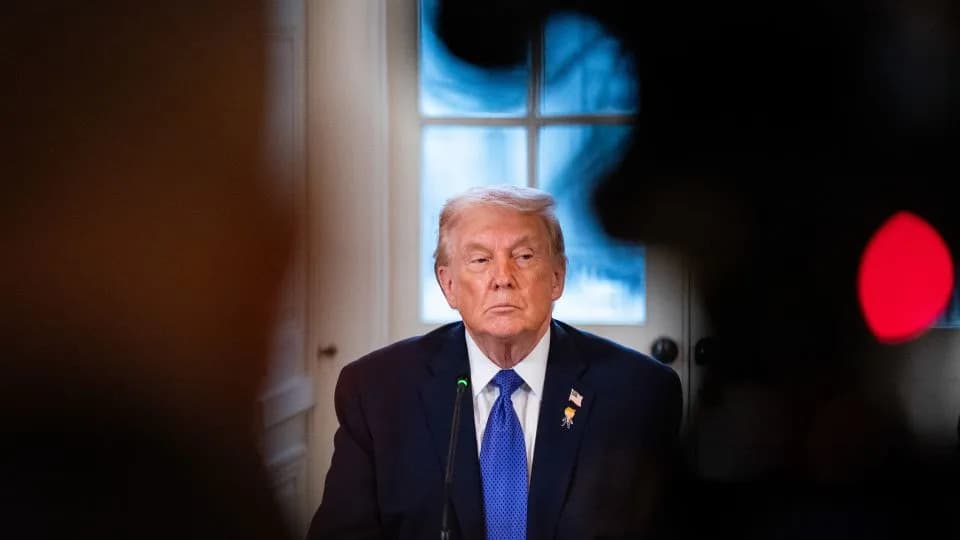
After directing attention to Venezuela, President Donald Trump has turned his focus to Greenland — proposing options that range from purchase to encouraging secession, and even suggesting the military is "always an option." The proposal has drawn alarm in Europe and prompted a debate about motive, feasibility and national security.
What Is He Trying To Do?
According to public reports, the administration has explored several approaches: offering to buy Greenland, proposing incentives to encourage Greenlanders to seek greater autonomy or secession, and leaving open the possibility of using military means. Denmark has rejected the idea of selling the territory.
What Has Trump Said?
"If we don't do it the easy way, we're going to do it the hard way," Trump told reporters, signaling that diplomatic or transactional options would be preferred but that force remains on the table.
Is This A Legitimate Security Concern?
Trump has framed an acquisition as a national security move, arguing that there are "Russian and Chinese ships all over the place" near Greenland. While the Arctic is increasingly strategic, ownership of Greenland is not a straightforward requirement for U.S. security interests. Denmark is a NATO ally, and longstanding bilateral arrangements already give the United States significant scope to expand its military presence in Greenland if necessary.
What Else Might Explain the Push?
Observers and critics argue the effort resembles a high-profile, personal project consistent with Trump’s background as a real-estate dealmaker and his preference for dramatic, headline-grabbing moves. As he told The New York Times, the move is "psychologically needed for success," language that reinforces the interpretation that political branding plays a role.
How Are Others Responding?
European leaders — including Denmark’s prime minister — have treated the idea seriously and pushed back. Analysts say the episode fits a broader pattern: recent actions in Venezuela and elsewhere suggest the administration is willing to take aggressive steps to expand U.S. influence.
A Lighter Note
On a different topic, colleague Pratik Pawar highlights a domestic policy win: New York City’s congestion pricing, a $9 toll for drivers during peak hours, has led to shorter commute times, improved road safety, and stronger public transit usage since its introduction.
Bottom line: The Greenland proposal mixes real strategic considerations with showmanship. Denmark’s rejection of a sale and the existence of bilateral defense arrangements mean the U.S. does not strictly need ownership to pursue security goals — but the rhetoric and threats have nevertheless elevated international concern.
Help us improve.