The author argues that the One Big Beautiful Bill’s $75 billion expansion for ICE has not improved public safety and has strained local law enforcement. The PUBLIC SAFETY Act would redirect $29.85 billion to the COPS Hiring Program to fund over 200,000 local officers and move $45 billion to Byrne JAG grants for local crime-fighting and prevention, while preserving ICE’s routine annual funding (~$10B/year). The bill prioritizes small and rural departments and emphasizes community policing, training and prevention as the most effective tools for reducing crime.
ICE Funding Jumped $75 Billion — Here’s My Plan to Redirect the Windfall
ICE funding jumped $75 billion. Here’s my plan to redirect the windfall.
The murder of Renee Goodin in Minneapolis and other recent tragedies are painful reminders that public safety requires professionalism, accountability and discipline. Victims and their families deserve policies that produce real results — not political slogans or unchecked federal growth. My colleagues and I owe them practical, evidence-based solutions.
The Problem
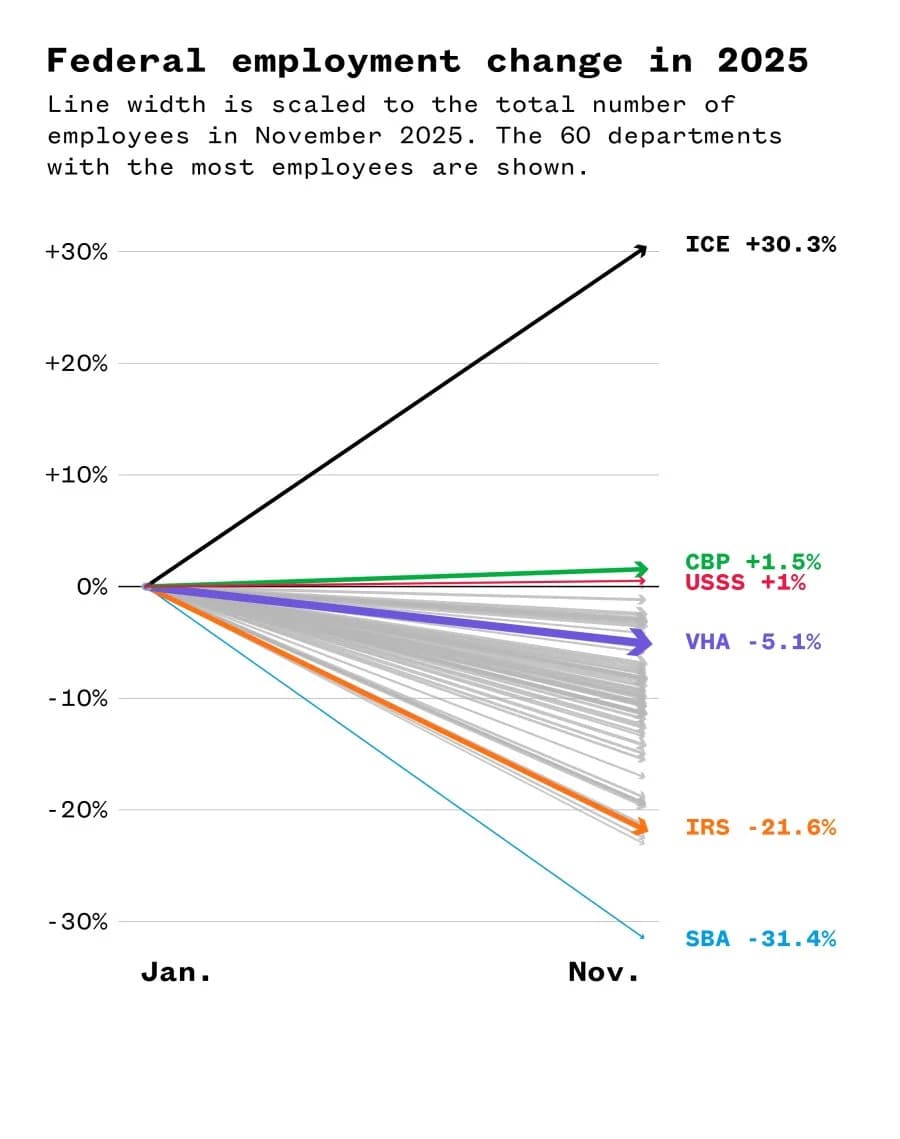
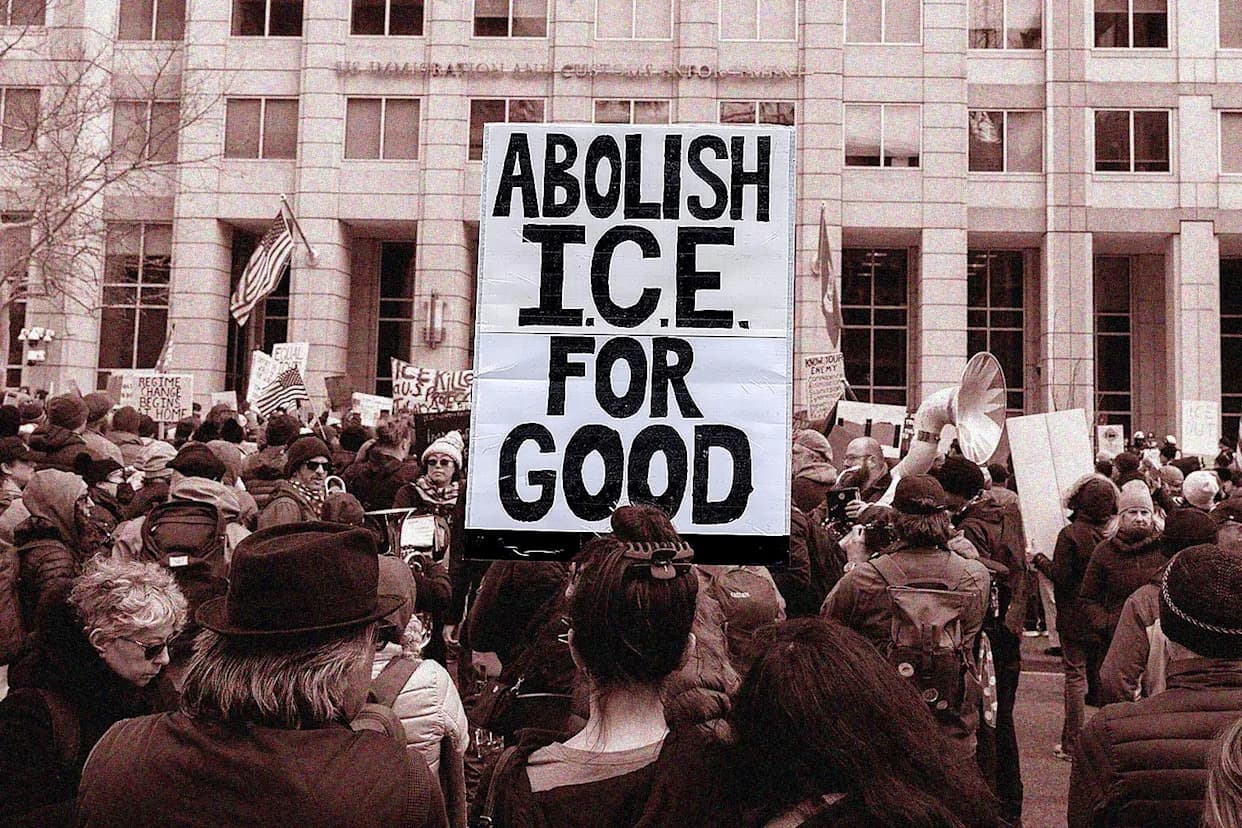
Congress must confront a hard truth: the decision to pour unprecedented resources into federal immigration enforcement has not meaningfully improved public safety and, in many respects, has made it worse. The One Big Beautiful Bill Act provided an extraordinary $75 billion intended to expand Immigration and Customs Enforcement (ICE), hire 10,000 agents and dramatically increase detention capacity — a shift that would make ICE one of the nation’s largest federal law enforcement agencies.
Federal law enforcement plays an important role in locating and removing violent criminals. But critics argue recent policy choices have moved ICE away from that narrowly focused mission. Reports indicate ICE has lowered hiring and training standards, and that a large share of arrests have involved immigrants without criminal convictions. In the past year, oversight accounts also documented cases in which American citizens were detained by mistake.
Impact On Local Communities
As ICE’s budget has ballooned, communities in Nevada and across the country are struggling to fill local police vacancies, retain officers and invest in proven crime-reduction programs. Those problems have been aggravated by ICE’s recruitment from state and local law enforcement ranks, which many sheriffs and police chiefs say has resulted in fewer officers answering 911 calls, slower response times and diminished public trust.
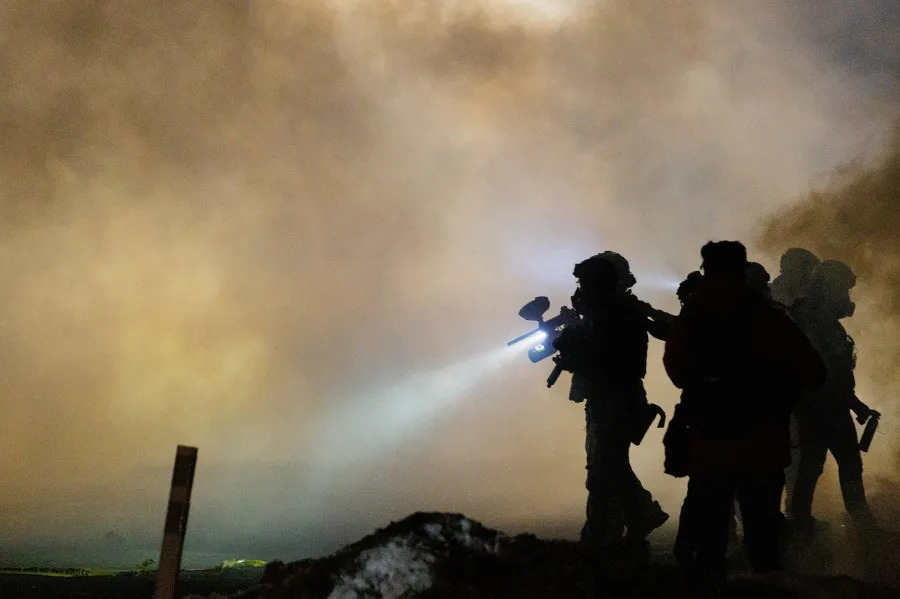
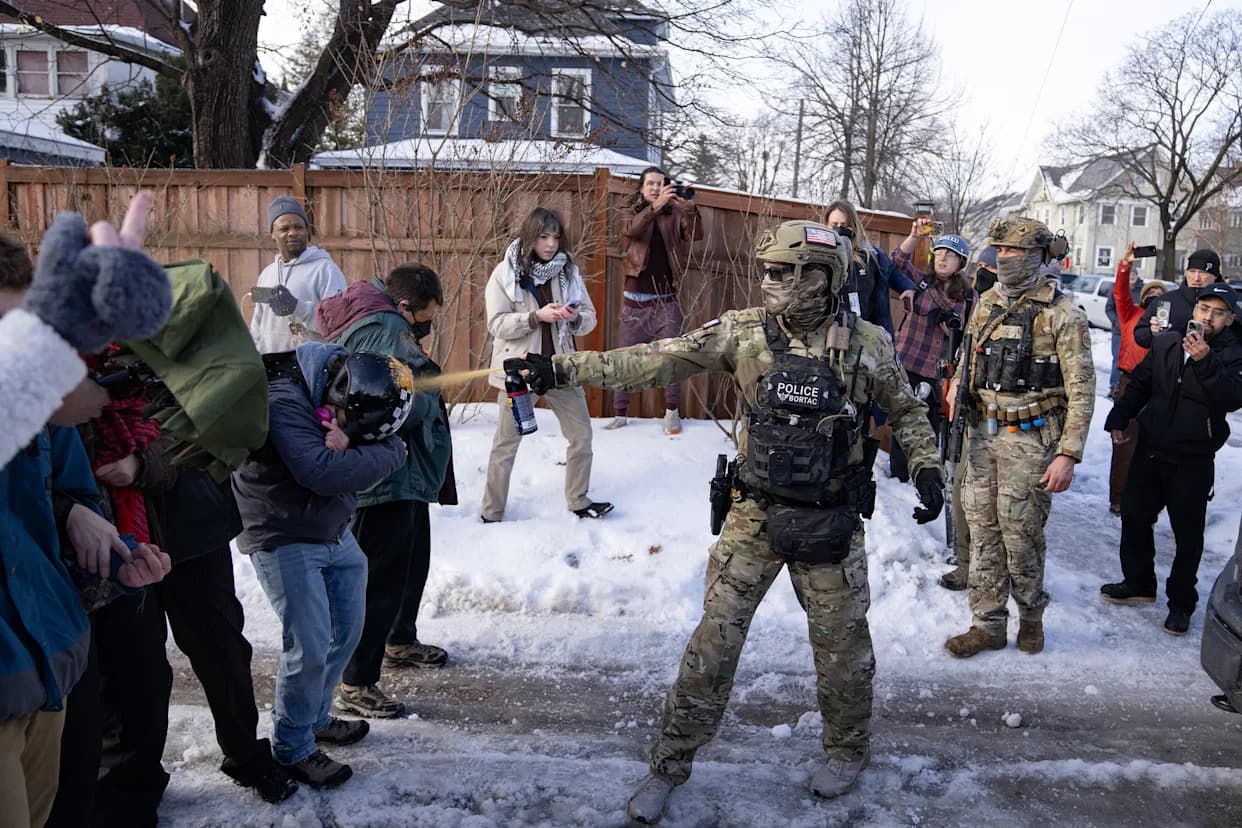
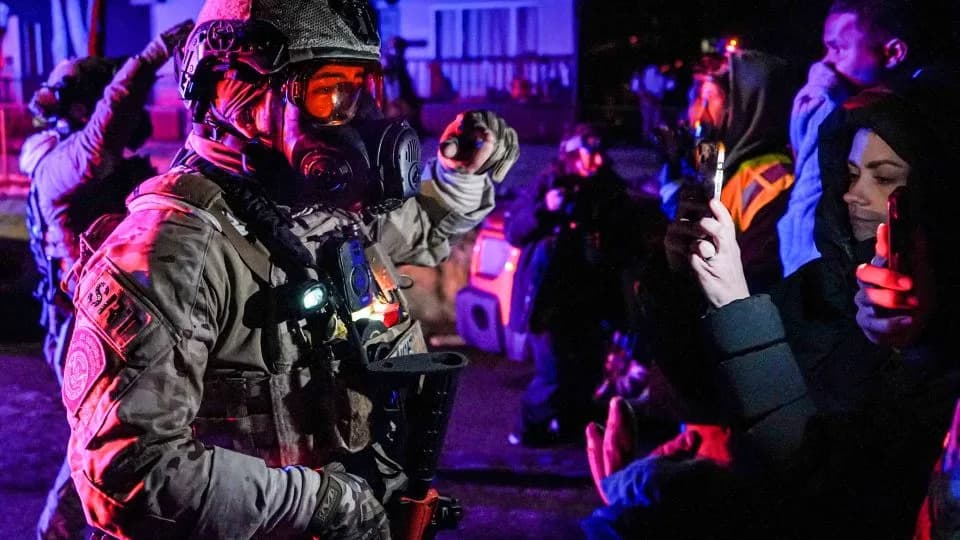
Federal agents deploy tear gas as residents protest a federal agent-involved shooting Jan. 14, 2026, in Minneapolis.Madison Thorn / Anadolu via Getty Images
My Solution: The PUBLIC SAFETY Act
To correct this imbalance, I introduced the PUBLIC SAFETY Act. This legislation redirects the windfall expansion funds toward investments that will more directly reduce crime and strengthen community safety — while preserving ICE’s routine annual funding.
Key provisions:
- $29.85 billion moved from ICE Enforcement and Operations into the COPS Hiring Program, enabling communities to hire more than 200,000 local police officers nationwide, with a priority for small and rural departments (fewer than 175 officers).
- $45 billion redirected from planned detention expansion into the Byrne Justice Assistance Grant (Byrne JAG) program, funding flexible local crime-fighting tools such as drug task forces, mental-health crisis response and victim services.
- ICE would continue to receive its regular annual funding (about $10 billion per year recently), but the expansion earmarked in the One Big Beautiful Bill would be repurposed to strengthen community policing and prevention.
Why This Approach?
Local police build trust within their communities and are trained to de-escalate tense encounters rather than inflame them. When departments are fully staffed, properly trained and supported with modern prevention tools, evidence shows crime falls and public confidence rises. Redirecting expansion dollars into hiring, training and local programs is a targeted way to make Americans safer.
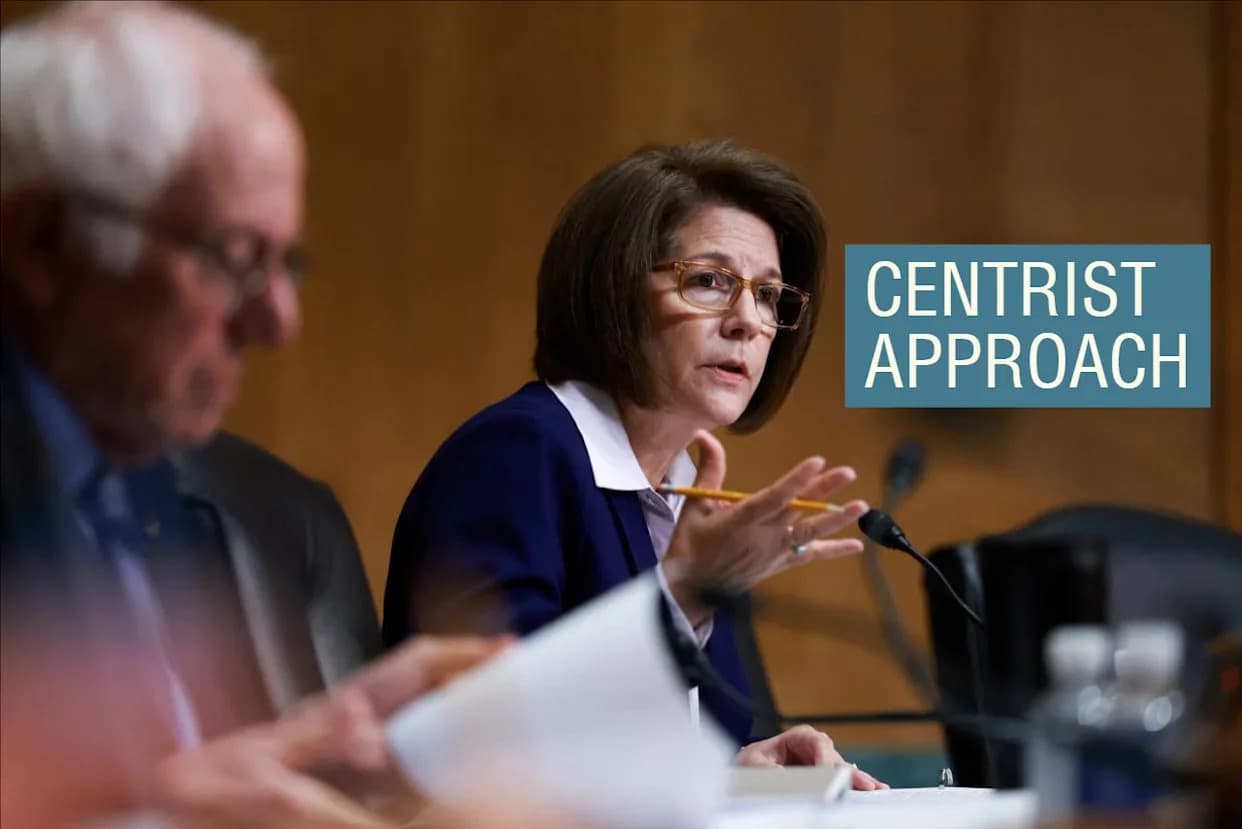
For decades I have worked alongside officers, sheriffs and prosecutors — as an assistant U.S. attorney, as Nevada’s attorney general and now as a U.S. senator. I evaluate policy by results. The PUBLIC SAFETY Act prioritizes what keeps families safe: supporting frontline officers and directing federal dollars where they will do the most good.
Public safety is not a slogan — it is a responsibility, and it begins in our communities.
Originally published on MS NOW.
Help us improve.