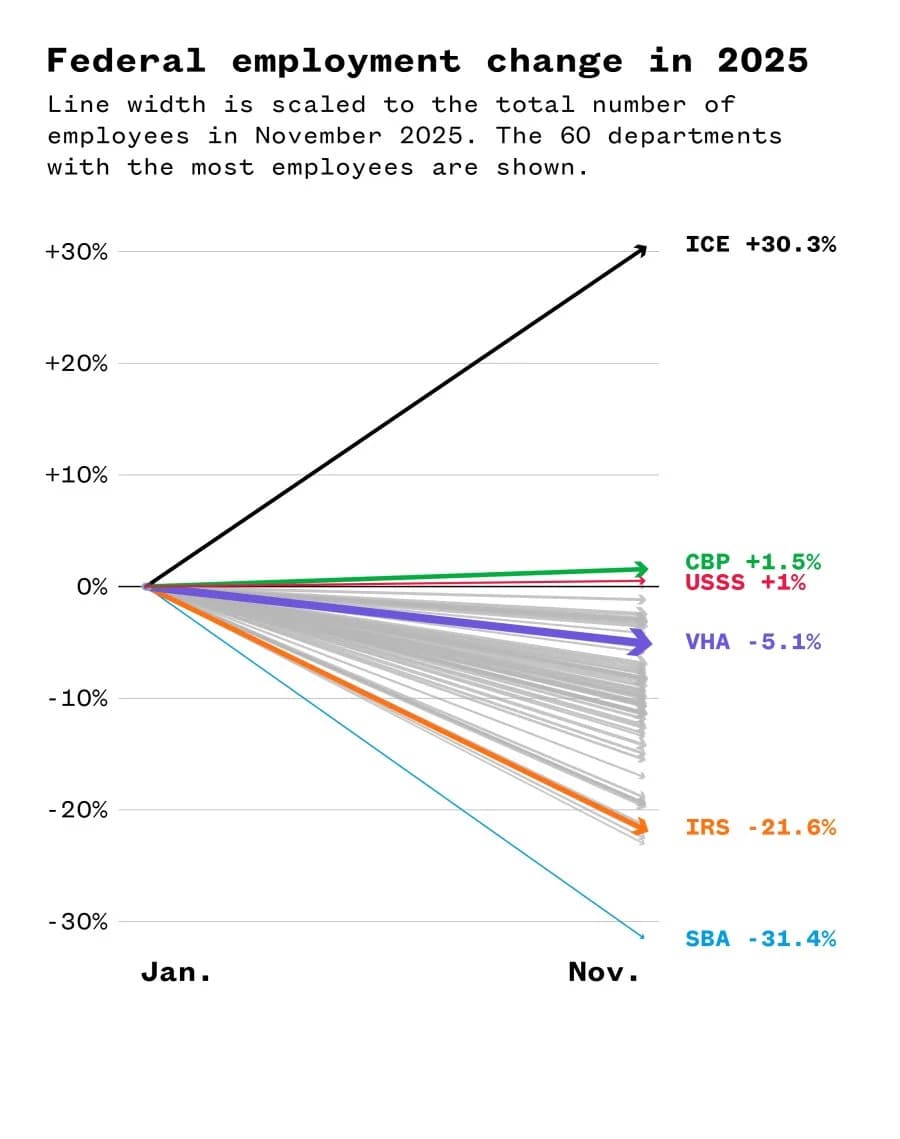
This essay argues that the slogan “Abolish ICE” points to a real institutional problem that deserves careful policy solutions rather than reflexive rejection. ICE’s narrow, militarized remit makes it structurally prone to politicization and abuse. The author recommends demilitarizing federal policing, returning immigration enforcement to administrative channels or broader‑remit officers, and pursuing legislation or administrative measures to dissolve or neutralize ICE. Activists should offer concrete, sellable proposals while Democrats commit to enforceable reforms.
Rethinking “Abolish ICE”: From Slogan To A Practical Reform Agenda
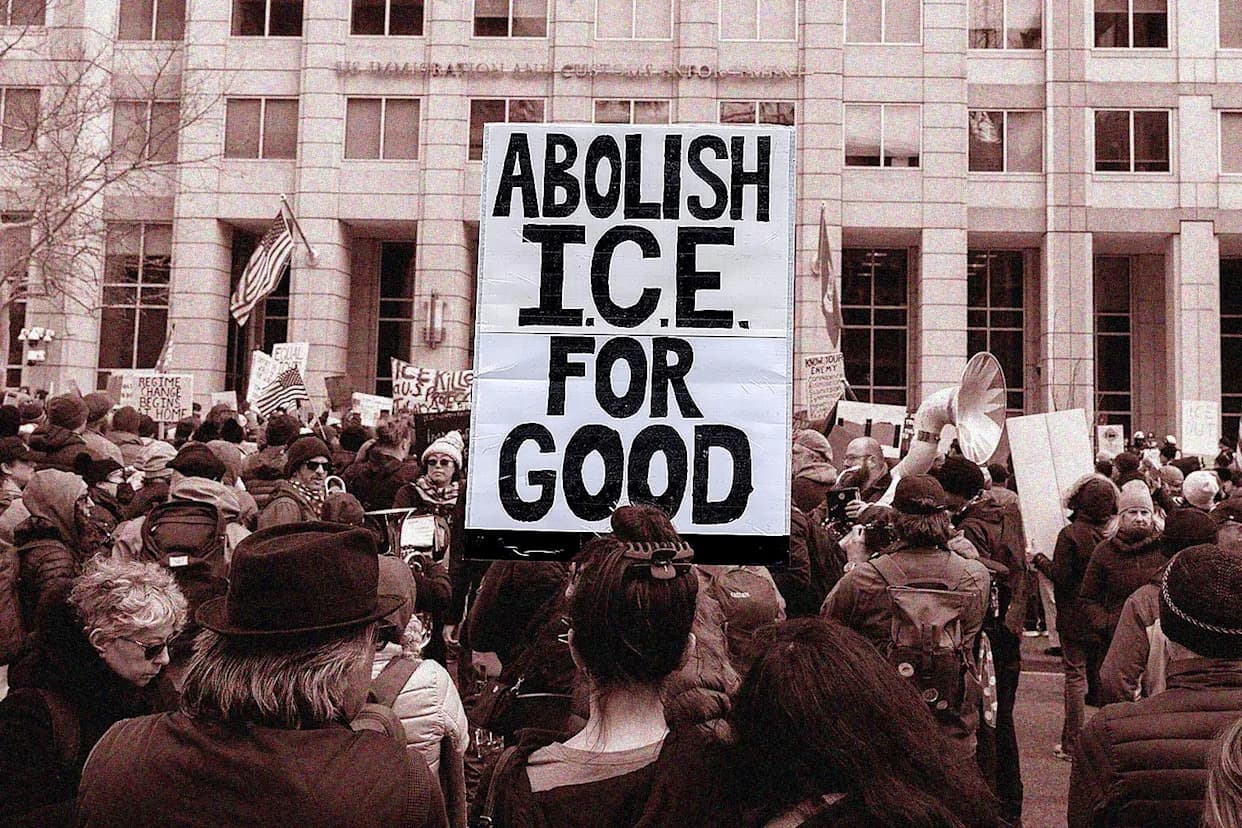
The chant “Abolish ICE” burst into mainstream Democratic debate midway through Donald Trump’s first term, crystallizing long‑standing critiques of Immigration and Customs Enforcement that date back more than two decades. It gained particular force under the Trump administration’s “zero tolerance” policy, when family separations at the southern border made abolition a rallying demand for many activists.
For a time the slogan functioned as a political litmus test: activists and primary voters pressured candidates to embrace it, and prominent figures helped popularize the phrase. But the catharsis of the chant produced little durable federal reform. Police budgets largely survived the 2020 “Defund the police” moment, ICE remained well funded, and internal party rancor followed.
Why The Politics Went Sideways
Viewed broadly, Democrats still won major elections after these movements emerged. But at the granular level, the slogans—especially when used as purity tests—allowed opponents to divide the party and made governing harder for front‑line members. Without concrete policy wins to deliver, the movements left activists frustrated and many elected officials wary of pursuit of aggressive accountability measures.
Why Abolishing ICE Is A Different Case
“Abolish ICE” is not simply a rhetorical cousin of “Defund the police.” The two reflect different problems and require different remedies. ICE is a uniquely dangerous institutional experiment: a heavily militarized federal police force whose narrow, immigration‑only jurisdiction encourages politicization and attracts actors motivated by power and nativist ideology. That structural risk makes the agency unusually likely to become a tool of cruelty or political subversion—especially when hostile administrations exploit it.
Recent behavior under the Trump administration validated that risk for many observers: aggressive enforcement targeted at predominantly Democratic cities and political actors, and a tendency to politicize personnel and deployments. Those are not merely tactical complaints but symptoms of a deeper institutional flaw.
A Practical Path Forward
To move beyond sloganeering, proponents of abolition should be explicit about what they want replaced: not the end of immigration enforcement, but a re‑formed, less militarized, and more accountable system. A defensible program would include:
- Demilitarizing federal law enforcement that grew out of the post‑9/11 settlement;
- Shifting immigration enforcement toward administrative processes and officers with broader jurisdictions (e.g., ICE functions redistributed to existing agencies or to immigration courts and administrative bodies);
- Designing legislation that dissolves ICE in technocratic terms rather than as a purity‑test bill name, making reforms politically sellable across constituencies;
- Strengthening oversight, transparency, and accountability mechanisms—investigations, prosecutions, and firings for cause—to deter abuses.
Legally abolishing ICE requires Congress. But a Democratic president can meaningfully constrain its operations through administrative steps: auditing records, prosecuting misconduct, curtailing deployments, refusing to reassign or expand resources, and enforcing personnel standards. If broader executive powers around staffing survive legal scrutiny, those powers could also be used to neutralize an agency in practice.
Politics And A Division Of Labor
Success requires better politics as well as better policy. Activists should translate moral urgency into concrete, sellable reforms and avoid treating the slogan as the only acceptable posture. Democrats should be prepared to defend and implement robust reforms—even if candidates avoid sloganized rhetoric on the trail.
Allowing a division of labor—where protesters keep pushing and elected officials promise and enact substantive reform—offers a realistic path to accountability and institutional change.
Handled this way, abolition becomes a credible program of democratic repair rather than a polarizing chant that yields little legal progress. The key is clarity, specificity, and political generosity on all sides.
Help us improve.